Knitted or Crocheted Garments and Clothing Accessories
CN → US| HS Code | Tariff Rate | Origin | Destination | Doc |
|---|---|---|---|---|
| 6109100070 | 34.0% | CN | US | Official Doc |
| 6112110010 | 32.4% | CN | US | Official Doc |
| 6109100027 | 34.0% | CN | US | Official Doc |
| 6217108500 | 24.6% | CN | US | Official Doc |
| 6217109550 | 32.1% | CN | US | Official Doc |
| 8448591000 | 17.5% | CN | US | Official Doc |
Product Images
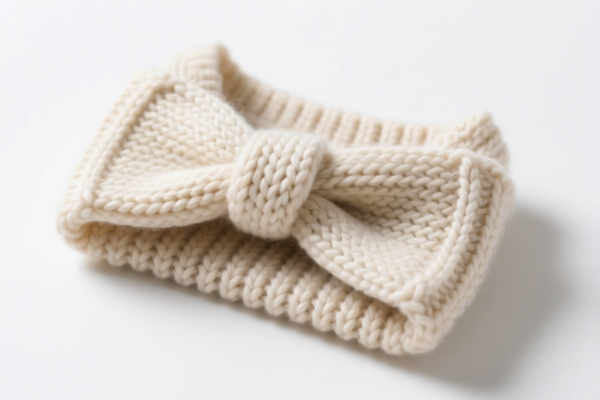


AI Analysis
🧶 Knitted or Crocheted Garments and Clothing Accessories
🌐 HS Code Reference & Customs Clearance Guide | 2026 Latest Tariff Structure | Professional-Level Clearance Strategy
📌 I. Product Definition & Classification: Do You Really Understand "Knitted Garments"?
Knitted or crocheted garments and clothing accessories represent a broad category of textile products characterized by their looped structure, offering flexibility, comfort, and stretch. In international trade, these items are strictly divided based on material composition, specific use case, and structural form. Misclassification is the #1 cause of delays and penalties in textile imports, especially when dealing with complex tariff regimes.
⚠️ Key Distinction Points:
- Garments (Chapters 61/62): Items worn on the body (e.g., T-shirts, sweatpants, underwear).
- Knitted (Ch 61): Made by interlooping yarn (e.g., jerseys, hoodies).
- Woven (Ch 62): Made by interlacing yarn at right angles (e.g., dress shirts, blazers).
- Accessories/Parts (Chapter 62): Items that are not complete garments but serve a clothing function (e.g., belts, cuffs, decorative trim, specialized fasteners).
- Material Matters: Cotton, Synthetic Fibers (Polyester), and Blends often fall under different subheadings with varying duty rates.
📦 II. HS Code Classification Details (2026 Latest Tariff Authority对照)
Based on the provided data, here are the specific HS Codes and their rationales:
| HS Code | Product Description | Application Scenario | Material Inference | Conflict Check |
|---|---|---|---|---|
6109.10.00.70 |
Knitted or Crocheted T-Shirts, singlets, and other vests | Casual wear, inner layers, athletic base layers | Cotton inferred | ✅ No conflict with garment category |
6112.11.00.10 |
Knitted or Crocheted Tracksuits, Sweatshirts, and Gym Wear | Sports, leisure, athletic activities | Not specified, but compatible | ✅ No conflict |
6109.10.00.27 |
Knitted or Crocheted T-Shirts, singlets, and other vests | Casual wear, inner layers | Cotton or Polyester inferred | ✅ No conflict |
6217.10.85.00 |
Other made-up clothing accessories, knitted or crocheted | Belt loops, decorative patches, specialized trims | Not specified | ✅ Compatible with textile accessories |
6217.10.95.50 |
Other made-up clothing accessories, knitted or crocheted | General clothing attachments, non-specified accessories | Not specified | ✅ Compatible with textile products |
🔍 Critical Note:
- HS 61xx refers to Knitted/Crocheted Garments.
- HS 6217 refers to Made-up Clothing Accessories (items not classified elsewhere in Ch 61 or 62).
- Misclassification Risk: Declaring a finished T-shirt as an "accessory" (6217) to avoid higher garment duties is a common audit trigger. Ensure the item is truly an accessory (e.g., a patch, a belt, a cuff) and not a complete wearable garment.
💰 III. 2026 Latest Tariff Rate Breakdown (Including Additional Duties & Policy Surcharges)
✅ Applicable Country: United States (US)
✅ Country of Origin: China (CN)
✅ Effective Date: Current regulations apply (Section 301 & IEEPA tariffs active)
🎯 1. 6109.10.00.70 & 6109.10.00.27 — Knitted T-Shirts/Vests (Cotton/Polyester)
| Item | Content |
|---|---|
| Basic Tariff (MFN) | 16.5% (Ad valorem) |
| Section 301 Additional Duty | +7.5% (Specific to these subheadings) |
| Section 122 Tariff | +10% (Targeted textile duty) |
| Total Tariff Rate | 34.0% |
| Tax Calculation | CIF Value × 34% |
| De Minimis Exemption | ❌ Not Eligible (Deny De Minimis for Chinese textiles) |
| Legal Basis Path | HTSUS:6109.10 → USITC:301Footnote → Section122:Textiles → Total:34% |
📌 Explanation:
- These T-shirts are subject to the highest tier of textile tariffs due to their classification under cotton/polyester knitted tops.
- The 122 Tariff is a specific punitive measure on certain textile imports, adding significant cost.
- Combined 34% makes this a high-cost category. Profit margins must account for this.
🎯 2. 6112.11.00.10 — Knitted Tracksuits/Sweatshirts
| Item | Content |
|---|---|
| Basic Tariff (MFN) | 14.9% (Ad valorem) |
| Section 301 Additional Duty | +7.5% |
| Section 122 Tariff | +10% |
| Total Tariff Rate | 32.4% |
| Tax Calculation | CIF Value × 32.4% |
| De Minimis Exemption | ❌ Not Eligible |
| Legal Basis Path | HTSUS:6112.11 → USITC:301Footnote → Section122:Textiles |
📌 Note:
- Slightly lower than T-shirts (32.4% vs 34.0%) due to a lower base duty (14.9% vs 16.5%).
- Still heavily impacted by Section 301 and Section 122.
🎯 3. 6217.10.85.00 & 6217.10.95.50 — Knitted/Crocheted Accessories
| Item | Content |
|---|---|
| Basic Tariff (MFN) | 14.6% (Ad valorem) |
| Section 301 Additional Duty | +0.0% (For 85.00) or +7.5% (For 95.50) |
| Section 122 Tariff | +10% |
| Total Tariff Rate | 24.6% (for 85.00) or 32.1% (for 95.50) |
| Tax Calculation | CIF Value × Rate |
| De Minimis Exemption | ❌ Not Eligible |
| Legal Basis Path | HTSUS:6217.10 → USITC:301Footnote → Section122:Textiles |
📌 Insight:
-6217.10.85.00is the most cost-effective option at 24.6% total tariff.
- This applies to accessories where Section 301 duty is 0%.
- Strategy: If possible, re-engineer products to be classified as "accessories" (e.g., detachable collars, specialized trims) rather than full garments, to leverage the lower base duty and 0% Section 301 rate.
-6217.10.95.50incurs the full 7.5% Section 301 duty, bringing it to 32.1%.
🛠️ IV. Customs Clearance Practical Advice (Battle-Tested Pitfall Guide)
✅ 1. Required Documentation Checklist (Non-Negotiable)
| Document | Mandatory? | Description |
|---|---|---|
| ✅ Commercial Invoice | ✔️ | Must clearly state: "Knitted Cotton T-Shirt" or "Polyester Tracksuit", NOT generic "Clothing". |
| ✅ Packing List | ✔️ | Detailed breakdown of quantities per style/color. |
| ✅ Material Composition Certificate | ✔️ | Critical for determining HS Code. Must specify % Cotton vs. Polyester vs. Other. |
| ✅ Product Photos | ✔️ | Front, back, label, and close-up of fabric texture. |
| ✅ Bill of Lading/Airway Bill | ✔️ | Standard shipping document. |
| ✅ Section 301/122 Exemption Proof | ❌ | None available for these codes. Plan for full tariff payment. |
✅ 2. Declaration Strategy (Key Mantra)
🔥 "Material Defines Code, Form Defines Chapter, Accessories Are Not Garments!"
| Scenario | Correct Declaration | Wrong Practice | Consequence |
|---|---|---|---|
| 100% Cotton T-Shirt | 6109.10.00.70 |
Declare as "Synthetic Top" | Seizure + Penalty for misdeclaration |
| Polyester T-Shirt | 6109.10.00.27 |
Declare as "Cotton Top" | Duty overpayment (16.5% vs potential lower rate if correctly identified, though here both are high) |
| Tracksuit | 6112.11.00.10 |
Declare as "Woven Jacket" (Ch 62) | Incorrect Chapter → 30%+ penalty |
| Clothing Patch/Trim | 6217.10.85.00 |
Declare as "Garment" | Unjustified 34% duty instead of 24.6% |
| Full Set of Accessories | 6217.10.95.50 |
Bundle with garments | May complicate valuation; keep separate if possible |
✅ 3. Special Handling Cases
| Case | Handling Advice |
|---|---|
| Blended Fabrics | Tariff is generally based on the majority fiber. If 55% Cotton, 45% Poly → Often classified under Cotton headings (6109.10). Verify with HS notes. |
| Embroidered/Lace Details | Do not automatically move to Ch 61/62 if the base is knitted. Check if embroidery changes the essential character. Usually, knitted base dictates Chapter 61. |
| Packaging | Ship in bulk, not retail-ready, if possible. Retail packaging does not change HS code but may affect duty-free thresholds in other jurisdictions (not US). |
| Origin Marking | All items must be marked "Made in China". Failure to do so results in penalties. |
🌍 V. Global Market Comparison (2026 Latest)
| Country/Region | Recommended HS Code | Tariff (China Origin) | Certification Requirements | Notes |
|---|---|---|---|---|
| 🇺🇸 USA | 6109.10.00.70 / 6112.11.00.10 |
34.0% / 32.4% | No specific tech cert, but must comply with FTC Labeling (Fiber Content, Country of Origin) | High Tariff Barrier. Section 122 adds 10%. |
| 🇺🇸 USA (Accessory) | 6217.10.85.00 |
24.6% | Same as above | Lowest US Rate for this category. |
| 🇨🇳 China | 6109.10.00.70 |
5-7% (Import Duty) | CCC (if applicable), GB Standards | Low barrier for export to China. |
| 🇪🇺 EU | 6109.10.00 |
12% | CE (if protective), REACH (Chemicals) | No Section 301/122. |
| 🇨🇦 Canada | 6109.10.00 |
17.5% | No special certs | Standard MFN rate. |
| 🇦🇺 Australia | 6109.10.00 |
10% | No special certs | Competitive. |
📌 Conclusion:
- USA is the most expensive market due to Section 301 + Section 122.
- Accessories (6217) offer a ~10% tariff saving in the US compared to full garments.
- Diversify Supply Chain: Consider sourcing from Vietnam, Bangladesh, or Turkey for US-bound goods to avoid these punitive tariffs (if FTAs apply or tariffs don't extend).
📌 VI. Common Errors & Pitfalls (Blood Lessons)
❌ Error 1: Declaring a T-Shirt as a "Garment Accessory" (6217)
👉 Consequence: Customs will reject it, classify it as a garment, and impose 34% duty + penalties.
✅ Fix: Only use 6217 for non-wearable items like belts, cuffs, and patches.
❌ Error 2: Ignoring Section 122
👉 Consequence: Underestimating total landed cost by 10%.
✅ Fix: Always add 10% to your financial model for these specific HS codes.
❌ Error 3: Incorrect Material Declaration
👉 Consequence: If you declare "Cotton" but it's "Polyester", you might get 6109.10.00.27 (still 34%, but wrong record) or if it's a different material, a different duty rate.
✅ Fix: Provide a third-party lab test report for fiber composition.
❌ Error 4: De Minimis Misconception
👉 Consequence: Trying to ship low-value items under $800 (Section 321) to avoid tariffs.
✅ Fix: Section 321 is DENIED for Chinese textiles subject to Section 301/122. All shipments must be formally declared and taxed.
🎯 VII. Conclusion: Precise Classification Saves Money!
🎯 Remember the Mantra:
🔹 "Knitted is 61, Woven is 62, Accessory is 6217."
🔹 "Cotton & Poly T-Shirts pay 34%, Accessories can pay 24.6%."
🔹 "No De Minimis for China Textiles. Always Pay the 10% Section 122."
📌 Pro Tip:
If you are importing into the US:
1. Audit your SKU list. Move any item that can be classified as an accessory (6217.10.85.00) to that code.
2. Negotiate with Suppliers: Ensure they provide accurate fiber content labels.
3. Plan Cash Flow: Budget for 32-34% duty on garments. Do not underestimate.
📣 Immediate Action:
📞 Consult a licensed customs broker for a Pre-Ruling on complex accessory items.
📊 Update your Landed Cost Calculator to include 34.0% for T-Shirts and 32.4% for Tracksuits.
🚀 Optimize your product line to include more Accessories to leverage the 24.6% tariff rate.
✨ Professional Clearance Starts with Accurate Classification!
💼 Your Profit Margin Depends on Your HS Code!
Customer Reviews
About HS Code Classification
The Harmonized System (HS) is an internationally standardized nomenclature developed by the World Customs Organization (WCO) to classify traded products. Over 200 countries use the HS system as the basis for customs tariffs, trade statistics, and import/export regulations.
Each HS code follows a hierarchical structure:
- Chapter (2 digits) — Broad category of goods (e.g., Chapter 84: Machinery and Mechanical Appliances)
- Heading (4 digits) — More specific grouping within the chapter
- Subheading (6 digits) — Internationally standardized breakdown, used by all WCO member countries
- National subdivisions (8-10 digits) — Country-specific extensions for further classification, such as US HTSUS 10-digit codes
Correct HS code classification is essential for smooth customs clearance, accurate duty payment, and compliance with trade regulations. Misclassification can lead to customs delays, overpayment of duties, or penalties.
When importing from CN to US, the applicable tariff rates may include:
- Most-Favored-Nation (MFN) rate — The standard duty rate applied to WTO members
- General rate — Applied to countries without trade agreements
- Trade remedy duties — Additional tariffs such as Section 301 (anti-dumping), Section 232 (national security), or countervailing duties
The information provided on this page is for reference purposes only. For official classification, please consult with your local customs authority or a licensed customs broker.