Knots, Nets, and Ropes Made of Textile Materials
CN → US| HS Code | Tariff Rate | Origin | Destination | Doc |
|---|---|---|---|---|
| 5607901500 | 35.0% | CN | US | Official Doc |
| 5607909000 | 41.3% | CN | US | Official Doc |
| 5607909000 | 41.3% | CN | US | Official Doc |
| 5607901500 | 35.0% | CN | US | Official Doc |
| 5607909000 | 41.3% | CN | US | Official Doc |
Product Images
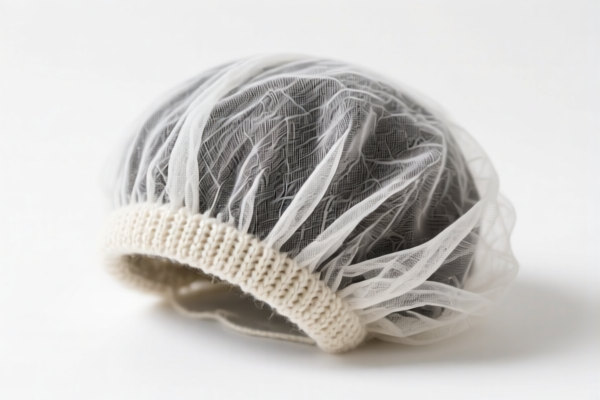

AI Analysis
🕸️ Knots, Nets, and Ropes Made of Textile Materials
🌐 HS Code Reference & Clearance Guide | 2026 Latest Tariff Analysis | Professional Customs Strategy
📌 Part 1: Product Definition & Classification: Do You Really Understand "Textile Nets and Ropes"?
Textile knots, nets, and ropes are essential materials in fishing, agriculture, construction, and maritime industries. In international trade, they are strictly categorized by material composition and structural function. Misclassification here can lead to massive tariff disparities or cargo detention.
The products fall into two main categories:
1. Made-up Nets (Heading 5608):
- Includes knotted netting of twine, cordage, or rope.
- Primarily used for fishing, trapping, or containment.
- Key distinction: Is it a finished net with a specific purpose (e.g., fishing bait bag)?
2. Twine, Cordage, Ropes & Cables (Heading 5607):
- Whether or not plaited, braided, impregnated, coated, or sheathed.
- Includes natural fibers (sisal, jute) and synthetic fibers.
- Key distinction: Is it a raw material for tying, binding, or structural support?
⚠️ Critical Differentiator:
- If it is a finished net (even if made of twine), it generally falls under 5608.
- If it is rope, twine, or cable used for tying, lifting, or binding, it falls under 5607.
- Jute/Bast fibers (Heading 5303 origin) have significantly different tariff treatments compared to synthetic or agave fibers.
📦 Part 2: HS Code Classification Details (2026 Latest Tariff Authority Cross-Reference)
| HS Code | Product Description | Application Scenario | Material Type |
|---|---|---|---|
5608.90.10.00 |
Knotted netting; made up fishing nets and other made up nets of textile materials: Other | General fishing nets, netting not specified elsewhere, decorative netting | Any textile material |
5608.19.20.10 |
Knotted netting... of man-made textile materials: Other Bait bags with draw string closures | Specialized fishing bait bags, mesh bags for agricultural produce | Man-made fibers (Synthetic/Artificial) |
5607.29.00.00 |
Twine, cordage, ropes...: Of sisal or other textile fibers of the genus Agave: Other | Sisal ropes, agave fiber twine, natural fiber binding ropes | Natural (Agave/Sisal) |
5607.90.15.00 |
Twine, cordage, ropes...: Of jute or other textile bast fibers of heading 5303 | Jute sacks, hessian twine, bast fiber ropes, eco-friendly binding cords | Natural (Jute/Bast) |
🔍 Key Reminder:
- Fishing Nets vs. Ropes: A "net" is a mesh structure for catching or containing. A "rope" is a twisted/braided strand for tension. Do not confuse5608(Nets) with5607(Ropes). - Material Matters: Jute (5607.90.15.00) incurs a 25% additional tariff, while Sisal (5607.29.00.00) and Synthetic Nets (5608.*) generally have 0% base/additional tax in this dataset.
💰 Part 3: 2026 Latest Tariff Rate Breakdown (Detailed Tax Clauses)
✅ Applicable Market: United States (US)
✅ Origin: China (CN)
✅ Effective Time: Current Regulations Apply
🎯 1. 5608.90.10.00 — Other Fish Netting and Fishing Nets
| Item | Detail |
|---|---|
| Product | Other knotted netting of textile materials (non-bait bags, non-specified types) |
| Base Tariff | 0.0% |
| Additional Tariff | 0.0% |
| Total Effective Tax Rate | 0.0% |
| Tax Clause Detail | 基础关税: 0.0%, 加征关税: 0.0% |
| Legal Basis | USITC Harmonized Tariff Schedule (HTSUS) Chapter 56 |
📌 Explanation:
- Most general fishing nets made of synthetic or mixed textile materials are duty-free.
- No Section 301 or IEEPA surcharges apply to this specific subheading in the provided data.
- Cost Advantage: Highly competitive for exporting general fishing gear.
🎯 2. 5608.19.20.10 — Other Bait Bags with Draw String Closures
| Item | Detail |
|---|---|
| Product | Made-up nets of man-made textile materials, specifically bait bags with drawstring closures |
| Base Tariff | 0.0% |
| Additional Tariff | 0.0% |
| Total Effective Tax Rate | 0.0% |
| Tax Clause Detail | 基础关税: 0.0%, 加征关税: 0.0% |
| Legal Basis | USITC HTSUS Chapter 56, Specific Subheading for Bait Bags |
📌 Explanation:
- This is a highly specific niche: Bait Bags.
- Must be: (1) Made of man-made textile materials, (2) A "made up net", (3) Have drawstring closures.
- If it lacks drawstrings or is made of natural fibers, it may fall under5608.90.10.00(still 0%) or different codes.
- Benefit: Duty-free entry for specialized fishing accessories.
🎯 3. 5607.29.00.00 — Twine/Rope of Sisal or Agave Fibers
| Item | Detail |
|---|---|
| Product | Twine, cordage, ropes of sisal or other Agave genus fibers (Other) |
| Base Tariff | 0.0% |
| Additional Tariff | 0.0% |
| Total Effective Tax Rate | 0.0% |
| Tax Clause Detail | 基础关税: 0.0%, 加征关税: 0.0% |
| Legal Basis | USITC HTSUS Chapter 56, Natural Fiber Ropes |
📌 Explanation:
- Sisal and Agave are natural fibers.
- Despite being natural, these specific rope/twine items are duty-free in the provided data.
- Caution: Ensure the material is strictly identified as Sisal/Agave. Mislabeling as "Jute" will trigger the 25% tax.
🎯 4. 5607.90.15.00 — Twine/Rope of Jute or Other Bast Fibers (Heading 5303)
| Item | Detail |
|---|---|
| Product | Twine, cordage, ropes of jute or other textile bast fibers |
| Base Tariff | 0.0% |
| Additional Tariff | 25.0% |
| Total Effective Tax Rate | 25.0% |
| Tax Clause Detail | 基础关税: 0.0%, 加征关税: 25.0% |
| Legal Basis | USITC HTSUS Chapter 56 + Section 301 / IEEPA Surcharge on Chinese Bast Fibers |
📌 Explanation:
- Jute and Bast Fibers are subject to a 25% additional tariff.
- This is a high-cost category for exporters from China.
- Common Items: Jute twine, hessian cloth backing, eco-friendly packaging ropes.
- Action Required: Must account for a 25% duty burden in pricing and profit margins. Do not confuse with Sisal (0%).
🛠️ Part 4: Customs Clearance Operational Advice (Practical Pitfall Guide)
✅ 1. Required Documentation Checklist
| Document | Mandatory? | Purpose |
|---|---|---|
| ✅ Product Description & Specifications | ✔️ | Must specify: "Fishing Net," "Bait Bag," or "Twine"; Material (Sisal, Jute, Nylon); Construction (Knotted, Braided). |
| ✅ Material Composition Certificate | ✔️ | Critical for 5607. Must prove if it is Sisal (0%) or Jute (25%). Lab tests may be required. |
| ✅ Product Photos | ✔️ | Show structure: Is it a mesh net (5608) or a twisted rope (5607)? |
| ✅ Commercial Invoice | ✔️ | Value declaration. Note: Jute products attract 25% tax; ensure invoice value reflects CIF. |
| ✅ Packing List | ✔️ | Clear quantity and weight. |
| ✅ Origin Certificate | ✔️ | If claiming non-China origin (e.g., Vietnam Jute), may avoid 25% surcharge. |
✅ 2. Classification Tips (Key Mnemonics)
🔥 “Net vs. Rope, Jute Sucks (25%), Sisal is Free!”
| Scenario | Correct HS Code | Tax Rate | Wrong Classification Risk |
|---|---|---|---|
| Fishing Net (Synthetic) | 5608.90.10.00 |
0% | Misclassify as Rope → May still be 0%, but description mismatch. |
| Bait Bag (Drawstring, Synthetic) | 5608.19.20.10 |
0% | Misclassify as General Net → Still 0%, but specific code ensures accuracy. |
| Sisal Rope | 5607.29.00.00 |
0% | Misclassify as Jute → Pays 25% unnecessary tax! |
| Jute Twine | 5607.90.15.00 |
25% | Misclassify as Sisal → Customs Penalty + Back Taxes + 25% Surcharge |
✅ 3. Special Handling & Risk Mitigation
| Situation | Advice |
|---|---|
| Mixed Materials | If rope is "Jute-covered Nylon," check if it retains Jute character. Often, if Jute is dominant, it falls under 5607.90.15.00 → 25% Tax. |
| "Eco-Friendly" Packaging | Often made of Jute. Do not assume duty-free. Verify if it is Twine (5607.90.15.00 → 25%) or a Made-up Bag (5608 → 0% if it qualifies as a net/bag). |
| Bait Bags Without Drawstrings | May fall under 5608.90.10.00 (0%) instead of 5608.19.20.10. Check specific subheading details. |
| Origin Substitution | If exporting Jute products, consider sourcing from non-China countries (e.g., India, Bangladesh) to avoid the 25% IEEPA/301 surcharge, provided you have valid COOs. |
🌍 Part 5: Global Market Clearance Comparison (2026 Latest)
| Country/Region | Recommended HS Code | Tariff (China Origin) | Certification/Notes |
|---|---|---|---|
| 🇺🇸 USA | 5607.90.15.00 (Jute) |
25% | High duty on bast fibers. |
| 🇺🇸 USA | 5607.29.00.00 (Sisal) |
0% | Favorable for Agave fibers. |
| 🇺🇸 USA | 5608.90.10.00 (Nets) |
0% | Duty-free for general nets. |
| 🇪🇺 EU | Varies by Material | 0-6.5% | Generally lower than US for Jute, but check EUR.1 movement certificates. |
| 🇨🇳 China | Varies | 5-10% | Import tax structure differs; focus on export duties. |
📌 Conclusion:
- USA is the most complex market for textile ropes due to the 25% surcharge on Jute/Bast fibers.
- Sisal and Synthetic Nets remain duty-free, offering a cost advantage.
- Jute exporters must strategically manage supply chains or adjust pricing to absorb the 25% cost.
📌 Part 6: Common Errors & Pitfall Guide (Lessons Learned)
❌ Error 1: Labeling Jute Rope as "Natural Rope" or "Sisal"
👉 Consequence: Customs detects fiber content → 25% Back Tax + Penalties + Delay.
✅ Fix: Always use specific material names (Jute vs. Sisal) in commercial invoices.
❌ Error 2: Classifying "Fishing Net" as "Rope"
👉 Consequence: While tax might be similar (0%), incorrect description triggers manual inspection.
✅ Fix: Use precise terms: "Knotted Netting" for nets, "Twisted Cordage" for ropes.
❌ Error 3: Ignoring the "Drawstring" feature in Bait Bags
👉 Consequence: May be misclassified under general nets. While tax is 0%, incorrect HS code can cause data inconsistency.
✅ Fix: Specify "Bait Bag with Drawstring Closure" to match 5608.19.20.10.
❌ Error 4: Assuming All Natural Fibers Are Tax-Free
👉 Consequence: Jute/Bast fibers (5607.90.15.00) are 25%. Sisal (5607.29.00.00) is 0%.
✅ Fix: Verify the Genus/Species and Heading 5303 classification for bast fibers.
🎯 Part 7: Conclusion: Precision in Classification Saves Money!
🎯 Remember the Mnemonic:
🔹 "Jute Rope = 25% Tax (Expensive!)"
🔹 "Sisal Rope = 0% Tax (Cheaper!)"
🔹 "Synthetic Nets = 0% Tax (Best!)"
🔹 "Bait Bags = 0% Tax (If Drawstring!)"
📌 Pro Tip:
For Jute-based products, if the 25% tax is prohibitive, explore sourcing from Vietnam, Bangladesh, or India with valid Certificates of Origin to potentially exempt the additional surcharge, depending on current trade agreements.
For Fishing Nets, ensure your product description clearly states "Knotted Netting" to secure the 0% rate under 5608.
📣 Immediate Action:
📞 Verify Fiber Content: Send samples for lab testing if unsure (Jute vs. Sisal vs. Synthetic).
📝 Precise Description: Use "Jute Twine" or "Sisal Rope" explicitly on invoices.
🚀 Optimize Supply Chain: Shift Jute volume to non-China origins if US market is the primary destination.
✨ Professional Clearance Starts with Accurate Classification!
💼 Your Profit Margin Depends on Getting the HS Code Right!
Customer Reviews
About HS Code Classification
The Harmonized System (HS) is an internationally standardized nomenclature developed by the World Customs Organization (WCO) to classify traded products. Over 200 countries use the HS system as the basis for customs tariffs, trade statistics, and import/export regulations.
Each HS code follows a hierarchical structure:
- Chapter (2 digits) — Broad category of goods (e.g., Chapter 84: Machinery and Mechanical Appliances)
- Heading (4 digits) — More specific grouping within the chapter
- Subheading (6 digits) — Internationally standardized breakdown, used by all WCO member countries
- National subdivisions (8-10 digits) — Country-specific extensions for further classification, such as US HTSUS 10-digit codes
Correct HS code classification is essential for smooth customs clearance, accurate duty payment, and compliance with trade regulations. Misclassification can lead to customs delays, overpayment of duties, or penalties.
When importing from CN to US, the applicable tariff rates may include:
- Most-Favored-Nation (MFN) rate — The standard duty rate applied to WTO members
- General rate — Applied to countries without trade agreements
- Trade remedy duties — Additional tariffs such as Section 301 (anti-dumping), Section 232 (national security), or countervailing duties
The information provided on this page is for reference purposes only. For official classification, please consult with your local customs authority or a licensed customs broker.