Kraft paper layered leather for gift packaging
CN → US| HS Code | Tariff Rate | Origin | Destination | Doc |
|---|---|---|---|---|
| 4823908000 | 35.0% | CN | US | Official Doc |
| 4823908680 | 35.0% | CN | US | Official Doc |
| 4811908020 | 35.0% | CN | US | Official Doc |
| 4811512040 | 35.0% | CN | US | Official Doc |
Product Images
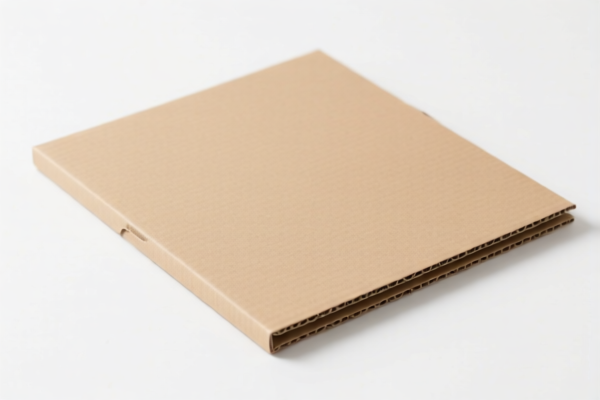
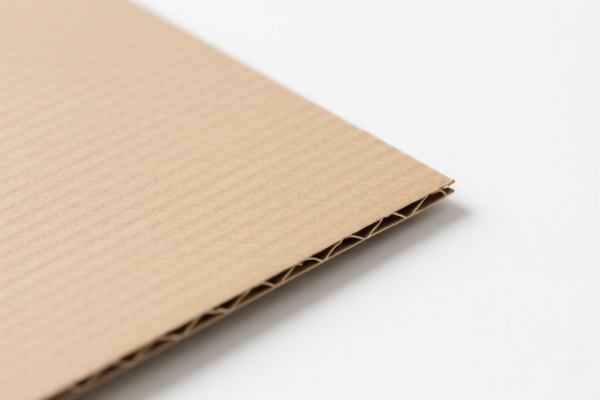
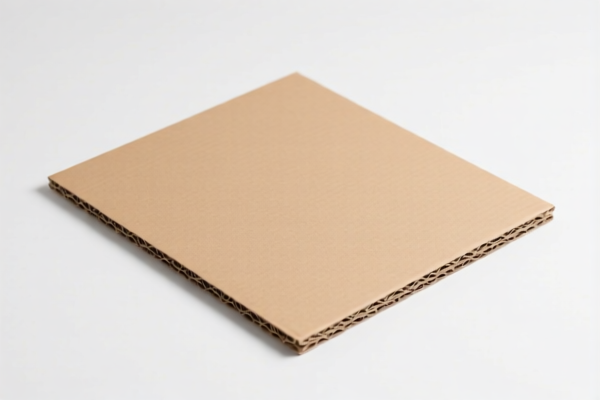
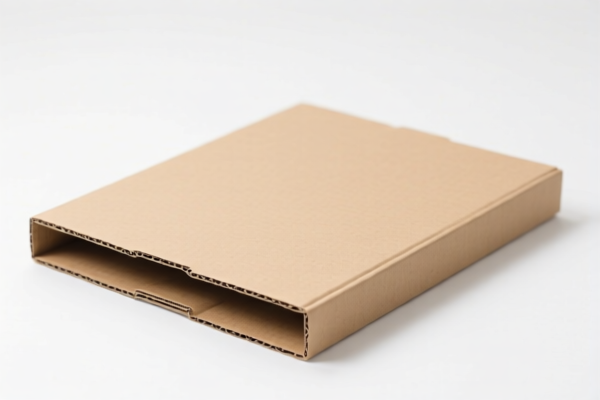
AI Analysis
🎁 Kraft Paper Layered Leather for Gift Packaging
🌐 HS Code Reference & Customs Clearance Guide | 2026 Latest Tariff Analysis | Professional Compliance Strategy
📌 I. Product Definition & Classification: Do You Really Understand "Kraft Paper Layered Leather"?
Kraft Paper Layered Leather (often referred to as Composite Leather, Paper-Leather, or Laminated Paper Board) is a material widely used in high-end gift packaging, luxury boxes, and cosmetic cases. It combines the structural integrity of paper/paperboard with the aesthetic appeal of leather (real or synthetic) or a leather-like finish.
In international trade, the classification depends heavily on the base material and the manufacturing process: 1. If Paper is the Essential Character: When paper or paperboard is coated, impregnated, covered, or laminated with plastics or other materials but remains the primary structural component → Chapter 48. 2. If Leather is the Essential Character: If it is genuine leather coated with paper or plastic → Chapter 41.
⚠️ Critical Distinction:
- Most commercial "Kraft Paper Layered Leather" for packaging is actually Paper/Board laminated with a leather-like film or coated layer, where the paper substrate determines the essential character.
- Therefore, it is typically classified under HS Code 4811 or 4823, NOT Chapter 41 (Leather).
- Misclassification into Chapter 41 can lead to severe penalties and delays, as leather tariffs and regulations differ significantly.
📦 II. HS Code Classification Details (Based on Provided Data)
Based on the specific items provided in your data, here is the breakdown for "Kraft Paper Layered Leather" used in gift packaging:
| HS Code | Product Description | Application Scenario | Key Classification Criteria |
|---|---|---|---|
4811.90.80.20 |
Other paper, paperboard... in strips/rolls or sheets (>15cm/36cm); Weighing over 30 g/m² | Gift Wrap / Packaging Rolls: Coated, impregnated, or covered paper used for wrapping gifts. | ✅ Paper-based: Coated/covered paper, >30 g/m², cut to size or in rolls/sheets. |
4811.51.20.40 |
Base stock for packaging - Paper/board, coated/covered with plastics; Bleached, >150 g/m²; Thickness ≥ 0.3 mm | Rigid Packaging Boxes: High-thickness board used for luxury box structures. | ✅ Paper-based: Coated with plastic, thick (>0.3mm), used as base for packaging. |
4823.90.80.00 |
Other articles of paper pulp, paper, paperboard... Gaskets, washers, seals | Packaging Components: Cut-to-shape seals or spacers (less common for main gift wrapping). | ⚠️ Niche: Only if the item is specifically a "gasket/seal" shape. |
4823.90.86.80 |
Other articles of paper pulp, paper, paperboard... Other | General Packaging Articles: Cut-to-shape boxes, inserts, or other formed paper articles. | ✅ General: If not a sheet/roll, but a formed article (e.g., die-cut box parts). |
🔍 Key Insight:
- For Gift Wrap (sheets/rolls): Use4811.90.80.20.
- For Rigid Box Base Stock (thick board): Use4811.51.20.40.
- For Die-cut Packaging Inserts: Use4823.90.86.80.
- Avoid4823.90.80.00unless it is strictly a gasket, as it has a narrow scope.
💰 III. 2026 Latest Tariff Rate Breakdown (With Surcharges)
✅ Applicable Country: United States (US)
✅ Country of Origin: China (CN)
✅ Effective Date: From November 10, 2025 (and subsequent imports)
🎯 1. 4811.90.80.20 – Gift Wrap (Coated/Covered Paper)
| Item | Content |
|---|---|
| Base Tariff | 0.0% (ad valorem) |
| Section 301 Surcharge | +25.0% |
| Total Tax Rate | 25.0% |
| Tax Calculation | CIF Value × 25% |
| De Minimis Exemption? | ❌ No (Denied for Section 301 goods) |
| Legal Basis | Section 301 → USITC:4811.90.80.20 |
📌 Explanation:
- Although the base tariff for paper products is 0%, the 25% Section 301 surcharge applies to all Chinese-origin paper products in this category.
- Total Cost Impact: You must budget for a 25% duty on the customs value.
🎯 2. 4811.51.20.40 – Base Stock for Packaging (Plastic-Coated Board)
| Item | Content |
|---|---|
| Base Tariff | 0.0% |
| Section 301 Surcharge | +25.0% |
| Total Tax Rate | 25.0% |
| Tax Calculation | CIF Value × 25% |
| De Minimis Exemption? | ❌ No |
| Legal Basis | Section 301 → USITC:4811.51.20.40 |
📌 Explanation:
- High-thickness packaging board is also subject to the 25% Section 301 surcharge.
- This is critical for luxury box manufacturers importing Chinese board.
🎯 3. 4823.90.80.00 & 4823.90.86.80 – Other Paper Articles
| Item | Content |
|---|---|
| Base Tariff | 0.0% |
| Section 301 Surcharge | +25.0% |
| Total Tax Rate | 25.0% |
| Tax Calculation | CIF Value × 25% |
| De Minimis Exemption? | ❌ No |
📌 Explanation:
- All listed HS codes in your data carry the same 25% total tax rate for Chinese origin.
- There is no preferential treatment for these paper articles under current trade policies.
🛠️ IV. Customs Clearance Practical Advice (Avoiding Pitfalls)
✅ 1. Required Documentation Checklist
| Document | Mandatory? | Description |
|---|---|---|
| ✅ Commercial Invoice | ✔️ | Must specify "Kraft Paper Layered Leather" or "Coated Paper for Gift Packaging". Avoid vague terms like "Leather". |
| ✅ Product Specification Sheet | ✔️ | Include: Weight (g/m²), Thickness (mm), Material Composition (% Paper vs. % Coating), Width/Length. |
| ✅ Certificate of Origin (CO) | ✔️ | Essential to prove Chinese origin (triggers the 25% tax). |
| ✅ Packaging List | ✔️ | Detail rolls vs. sheets vs. cut pieces. |
| ✅ Photos | ✔️ | Show the cross-section to prove it is paper-based with a surface layer, not genuine leather. |
✅ 2. Declaration Tips (Key Mnemonics)
🔥 "Paper Base, Not Real Leather; Specify Coating, Not Hides!"
| Scenario | Correct Declaration | Incorrect Declaration |
|---|---|---|
| Gift Wrap Roll | 4811.90.80.20 – "Coated Paper for Gift Wrap" |
"Leather Roll" → Risk of Chapter 41 classification |
| Thick Box Board | 4811.51.20.40 – "Plastic-Coated Paper Board, >150g/m²" |
"Leather Board" |
| Die-cut Box | 4823.90.86.80 – "Cut Paper Articles" |
"Leather Goods" |
⚠️ Critical Warning:
- Do NOT declare as "Leather" (Chapter 41). If Customs suspects it is genuine leather, they may reclassify it, leading to different duties and regulatory requirements (e.g., USDA, CITES).
- Emphasize "Paper Base". Use terms like "Paperboard with Synthetic Leather Coating" or "Laminated Paper".
✅ 3. Special Case Handling
| Scenario | Handling Advice |
|---|---|
| Mixed Shipments | If shipping rolls (4811) and cut boxes (4823), declare on separate lines to avoid confusion. |
| Thickness Ambiguity | If thickness is exactly 0.3mm, ensure it is ≥0.3mm to qualify for 4811.51.20.40. If <0.3mm, it may fall under a different subheading (check full tariff). |
| "Leather-Like" Coating | Clearly state the coating material (e.g., PVC, PU, PET) to confirm it is a surface treatment, not a leather hide. |
🌍 V. Global Market Comparison (2026)
| Country/Region | Recommended HS Code | Tariff (China Origin) | Notes |
|---|---|---|---|
| 🇺🇸 USA | 4811.90.80.20 / 4811.51.20.40 |
25% (Section 301) | High duty. No de minimis. |
| 🇨🇳 China | 4811.90.80.20 |
~10-15% (Import) | Standard paper tariff. |
| 🇪🇺 EU | 4811 or 4823 |
0-6.5% | Generally lower. No Section 301 equivalent. |
| 🇬🇧 UK | 4811 or 4823 |
0-6.5% | Post-Brexit tariff schedule applies. |
| 🇯🇵 Japan | 4811 or 4823 |
0-5% | FTA benefits may apply if eligible. |
📌 Conclusion:
- The US market is the most expensive for these goods due to the 25% Section 301 surcharge.
- Consider supply chain diversification (e.g., sourcing from Vietnam or Malaysia) if targeting the US market to potentially avoid the 25% surcharge (subject to rules of origin).
📌 VI. Common Mistakes & Pitfalls (Lessons Learned)
❌ Mistake 1: Declaring as "Leather" to avoid paper tariffs
👉 Consequence: Customs reclassification → Back taxes + Penalties. Paper is often 0% base, but Leather has different regulations. Misdeclaration is fraud.
❌ Mistake 2: Ignoring the "Coated/Covered" detail
👉 Consequence: Incorrect HS Code → 25% Surcharge Applied to Wrong Category or Delay.
❌ Mistake 3: Assuming "Gift Packaging" is a separate category
👉 Consequence: No "Gift Packaging" HS Code exists. Must classify by material (Paper vs. Leather vs. Plastic).
❌ Mistake 4: Overlooking the De Minimis exclusion
👉 Consequence: For shipments < $800 (US), many expect no duty. Section 301 goods (25% tax) are EXCLUDED from de minimis. Duty must be paid even on small shipments.
✅ Correct Practice:
"Paper-based Composite Material, Kraft Paper Core with Synthetic Leather Coating, Used for Gift Packaging, Weight: 150g/m², Width: 1.5m, Coated with PVC"
🎯 VII. Conclusion: Professional Classification Saves Costs!
🎯 Remember the Mnemonic:
🔹 "Paper Base, Section 301 Stays; Don't Call it Leather, Avoid Delays Today!"
🔹 "25% Tax is Inevitable for China Origin; Plan Your Costs Accordingly!"
📌 Pro Tip:
If you are shipping to the US, ensure your Commercial Invoice explicitly states:
"Product Type: Coated Paper for Packaging. Material: Paper. Not Leather. Subject to Section 301 Duties."
This transparency can speed up Customs clearance and avoid requests for additional information.
📣 Immediate Action:
📞 Consult a Customs Broker for Advance Ruling if your product is unique.
🚀 Optimize your supply chain to mitigate the 25% US Tariff.
✨ Professional Classification, Smooth Customs, Higher Profits!
💼 Every Percentage Point Counts!
Customer Reviews
About HS Code Classification
The Harmonized System (HS) is an internationally standardized nomenclature developed by the World Customs Organization (WCO) to classify traded products. Over 200 countries use the HS system as the basis for customs tariffs, trade statistics, and import/export regulations.
Each HS code follows a hierarchical structure:
- Chapter (2 digits) — Broad category of goods (e.g., Chapter 84: Machinery and Mechanical Appliances)
- Heading (4 digits) — More specific grouping within the chapter
- Subheading (6 digits) — Internationally standardized breakdown, used by all WCO member countries
- National subdivisions (8-10 digits) — Country-specific extensions for further classification, such as US HTSUS 10-digit codes
Correct HS code classification is essential for smooth customs clearance, accurate duty payment, and compliance with trade regulations. Misclassification can lead to customs delays, overpayment of duties, or penalties.
When importing from CN to US, the applicable tariff rates may include:
- Most-Favored-Nation (MFN) rate — The standard duty rate applied to WTO members
- General rate — Applied to countries without trade agreements
- Trade remedy duties — Additional tariffs such as Section 301 (anti-dumping), Section 232 (national security), or countervailing duties
The information provided on this page is for reference purposes only. For official classification, please consult with your local customs authority or a licensed customs broker.