L shaped Magnet
CN → US| HS Code | Tariff Rate | Origin | Destination | Doc |
|---|---|---|---|---|
| 8505110010 | 37.1% | CN | US | Official Doc |
| 8505110090 | 37.1% | CN | US | Official Doc |
Product Images
AI Analysis
🧲 L-Shaped Magnet (L-shape Permanent Magnet)
🌐 HS Code Reference & Customs Clearance Guide | 2026 Latest Tariff Analysis | Professional Clearance Strategy
📌 I. Product Definition & Classification: Do You Really Understand "L-Shaped Magnets"?
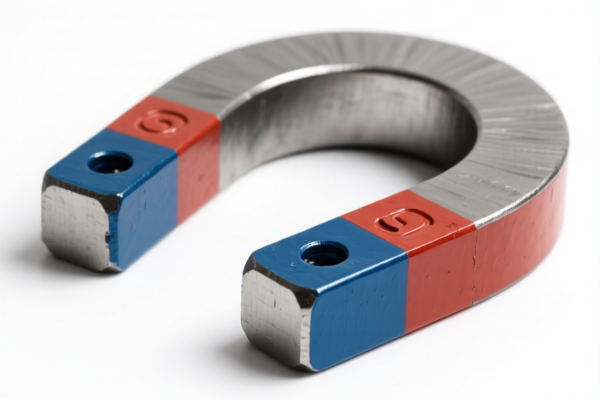
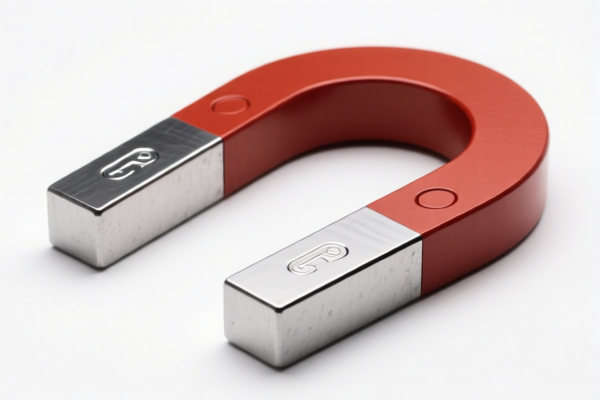
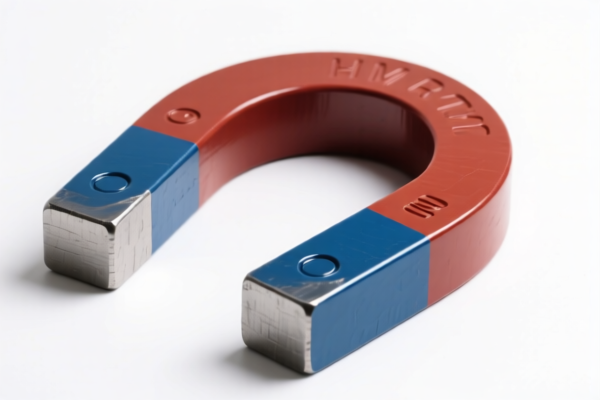
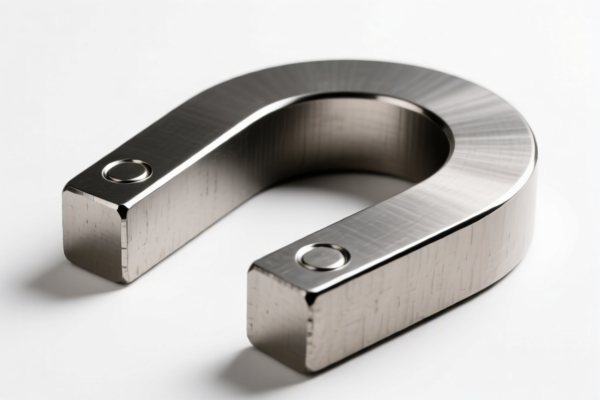
An L-Shaped Magnet is a permanent magnet fabricated in a right-angle (L-shape) configuration. In international trade, these are not classified by their "shape" but by their material composition. They fall under Heading 8505: Electromagnets; permanent magnets and articles intended to become permanent magnets after magnetization.
Key Distinction:
- Alnico Magnets: Made from an alloy of Aluminum, Nickel, and Cobalt. Known for high temperature stability but brittle.
- Other Metal Magnets: Includes Ferrite, Neodymium (NdFeB), Samarium-Cobalt, or other metallic alloys not classified as Alnico.
⚠️ Critical Classification Point:
- If the magnet is made of Alnico alloy → HS Code: 8505.11.00.10
- If the magnet is made of any other metal (e.g., Ferrite, Neodymium, Steel-based) → HS Code: 8505.11.00.90
📦 II. HS Code Classification Details (2026 Latest Tariff Authority Comparison)
| HS Code | Product Description | Applicable Scenario | Material Type |
|---|---|---|---|
8505.11.00.10 |
Permanent magnets: Of metal Alnico | High-temperature industrial applications, specific sensor mounts, vintage audio equipment | ✅ Alnico Alloy |
8505.11.00.90 |
Permanent magnets: Of metal Other | Most common industrial magnets (Neodymium, Ferrite, Samarium-Cobalt, etc.) | ✅ Other Metal Alloys |
🔍 Important Reminder:
- The "L-shape" is merely a physical form factor. It does not change the HS Code.
- 8505.11 covers "Permanent magnets and articles intended to become permanent magnets after magnetization."
- If the magnet is part of a larger assembly (e.g., part of a motor or chuck), it may need to be classified under the parent machine, but standalone L-shaped magnets fall here.
💰 III. 2026 Latest Tariff Rate Breakdown (Including Surtaxes & Policy Add-ons)
✅ Applicable Country: United States (US)
✅ Origin: China (CN)
✅ Effective Date: Includes imports from Nov 10, 2025 onward
🎯 1. 8505.11.00.10 —— Permanent Magnets (Alnico)
| Item | Details |
|---|---|
| Base Tariff | 2.1% (ad valorem) |
| Section 301 Surcharge | +25.0% |
| Total Tax Rate | 27.1% |
| Tax Calculation | CIF Value × 27.1% |
| De Minimis Exemption | ❌ Not Eligible (Deny De Minimis) |
| Legal Basis Path | USITC:8505.11.00.10 → Section 301 Footnote |
📌 Explanation:
- Base Tariff (2.1%): Standard MFN rate for permanent magnets.
- Surcharge (25%): Applied under Section 301 of the Trade Act for goods of Chinese origin.
- Total (27.1%): This is a high tariff burden. Importers must account for this in cost calculations.
- De Minimis (Section 321): Blocked. You cannot ship L-shaped magnets under $800 duty-free. Full documentation required.
🎯 2. 8505.11.00.90 —— Permanent Magnets (Other Metal)
| Item | Details |
|---|---|
| Base Tariff | 2.1% (ad valorem) |
| Section 301 Surcharge | +25.0% |
| Total Tax Rate | 27.1% |
| Tax Calculation | CIF Value × 27.1% |
| De Minimis Exemption | ❌ Not Eligible (Deny De Minimis) |
| Legal Basis Path | USITC:8505.11.00.90 → Section 301 Footnote |
📌 Note:
- Despite being "other metal," the tariff structure is identical to Alnico in this dataset.
- Whether it’s a Neodymium L-magnet or a Ferrite L-magnet, if it’s not Alnico, it falls here.
- Caution: If you misclassify Neodymium (strong rare-earth) as Alnico, you risk customs audits and penalties.
🛠️ IV. Customs Clearance Practical Advice (Avoid Pitfalls)
✅ 1. Required Documentation Checklist
| Document | Mandatory | Notes |
|---|---|---|
| ✅ Product Specification Sheet | ✔️ | Must state: Material (Alnico vs. Other), Grade (e.g., N42, AlNiCo 5), Dimensions |
| ✅ Material Certification | ✔️ | Proof of composition (e.g., Mill Test Report for Alnico) |
| ✅ Commercial Invoice | ✔️ | Clearly describe as "Permanent Magnet, L-Shape, [Material]" |
| ✅ Packing List | ✔️ | Include gross/net weight |
| ✅ Original Certificate of Origin | ✔️ | To verify Chinese origin for Section 301 applicability |
| ✅ Safety Data Sheet (if applicable) | ❌ | Not always required for magnets, but good practice |
✅ 2. Declaration Tips (Key Mantras)
🔥 “Material First, Shape Second, No De Minimis, Full Doc!”
| Scenario | Correct Declaration | Wrong Practice |
|---|---|---|
| Alnico L-Magnet | 8505.11.00.10 + "Alnico Permanent Magnet" |
Mislabeling as "Other" → Risk of audit |
| Neodymium L-Magnet | 8505.11.00.90 + "Neodymium Permanent Magnet" |
Calling it "Alnico" → Fraud/Penalty |
| Small Batch ($<800) | Still declare | Trying to use De Minimis → Seized |
| Magnet in Assembly | Check parent machine HS | Declaring as standalone magnet → Potential error |
✅ 3. Special Cases
| Situation | Handling Advice |
|---|---|
| Mixed Materials | If an L-magnet has a steel coating, classify based on core magnet material |
| Custom Shapes | "L-shape" is not a HS Code differentiator. Use description in remarks |
| OEM/White Label | Provide customer specs to prove material type |
| High-Value Rare Earths | Extra scrutiny on origin; ensure no transshipment via third countries to evade tariffs |
🌍 V. Global Market Comparison (2026 Latest)
| Country/Region | Recommended HS Code | Tariff Rate | Notes |
|---|---|---|---|
| 🇺🇸 United States | 8505.11.00.10 / .90 |
27.1% | High Section 301 surcharge. No de minimis. |
| 🇨🇳 China | 8505.11.00 |
~5-6% | Standard import tariff. Lower than US. |
| 🇪🇺 European Union | 8505.11 |
0-2.7% | Generally low. No surtax. |
| 🇬🇧 United Kingdom | 8505.11 |
0-2.7% | Post-Brexit tariff similar to EU for many goods. |
| 🇨🇦 Canada | 8505.11 |
0-5% | No major surtaxes for Chinese magnets. |
| 🇦🇺 Australia | 8505.11 |
5% | Standard rate. |
📌 Conclusion:
- The US is the most expensive market for L-shaped magnets due to the 25% Section 301 surcharge.
- Total 27.1% significantly impacts profit margins.
- Non-US markets (EU, Canada, Australia) are far more tariff-friendly.
📌 VI. Common Mistakes & Pitfalls (Lessons from Blood)
❌ Mistake 1: Assuming small L-magnets can ship under $800 duty-free
👉 Consequence: Seizure and penalty. Section 301 blocks de minimis for Chinese goods in this category.
❌ Mistake 2: Misclassifying Neodymium as "Other" without specifying material
👉 Consequence: Customs may demand higher scrutiny or reclassify, causing delays.
❌ Mistake 3: Ignoring the "Alnico" distinction
👉 Consequence: If you ship Alnico but declare as "Other," you might avoid specific Alnico regulations (if any), but the tariff rate is the same (27.1%) in this dataset. However, material misdeclaration is fraud.
❌ Mistake 4: Not providing material proof
👉 Consequence: Customs may classify under a higher tariff or require additional fees for testing.
✅ Correct Practice:
"Permanent Magnet, L-Shaped, Alnico Alloy, Grade 5, 20x10x5mm, Model LM-AL5"
OR
"Permanent Magnet, L-Shaped, Neodymium N42, Coated NiCuNi, 20x10x5mm, Model LM-ND42"
🎯 VII. Conclusion: Professional Declaration, Save Time and Money!
🎯 Remember the Mantra:
🔹 "Material Determines Code, Shape is Irrelevant."
🔹 "Alnico vs. Other: Check Your Alloy."
🔹 "US Tariff 27.1%: Budget Accordingly."
🔹 "No De Minimis: Declare Everything."
📌 Pro Tip:
- If you are shipping to the US, consider supply chain diversification (e.g., sourcing from Vietnam or India) to avoid the 25% Section 301 surcharge, if possible.
- For non-US markets, L-shaped magnets are highly competitive due to low tariffs.
- Always obtain a Pre-Ruling from CBP (US Customs) if unsure about material classification.
📣 Act Now:
📞 Consult a Customs Broker + Provide Material MSDS + Apply for Pre-Ruling
🚀 Ensure your L-shaped magnets clear customs smoothly, avoid penalties, and maximize profit!
✨ Professional Clearance Starts with Accurate Classification!
💼 Every percentage point of tariff matters in global trade!
Customer Reviews
About HS Code Classification
The Harmonized System (HS) is an internationally standardized nomenclature developed by the World Customs Organization (WCO) to classify traded products. Over 200 countries use the HS system as the basis for customs tariffs, trade statistics, and import/export regulations.
Each HS code follows a hierarchical structure:
- Chapter (2 digits) — Broad category of goods (e.g., Chapter 84: Machinery and Mechanical Appliances)
- Heading (4 digits) — More specific grouping within the chapter
- Subheading (6 digits) — Internationally standardized breakdown, used by all WCO member countries
- National subdivisions (8-10 digits) — Country-specific extensions for further classification, such as US HTSUS 10-digit codes
Correct HS code classification is essential for smooth customs clearance, accurate duty payment, and compliance with trade regulations. Misclassification can lead to customs delays, overpayment of duties, or penalties.
When importing from CN to US, the applicable tariff rates may include:
- Most-Favored-Nation (MFN) rate — The standard duty rate applied to WTO members
- General rate — Applied to countries without trade agreements
- Trade remedy duties — Additional tariffs such as Section 301 (anti-dumping), Section 232 (national security), or countervailing duties
The information provided on this page is for reference purposes only. For official classification, please consult with your local customs authority or a licensed customs broker.