LCD Display
CN → US| HS Code | Tariff Rate | Origin | Destination | Doc |
|---|---|---|---|---|
| 8528593350 | 22.5% | CN | US | Official Doc |
| 8471601050 | 35.0% | CN | US | Official Doc |
| 8528727220 | 22.5% | CN | US | Official Doc |
| 8471609050 | 35.0% | CN | US | Official Doc |
| 8471609050 | 35.0% | CN | US | Official Doc |
Product Images
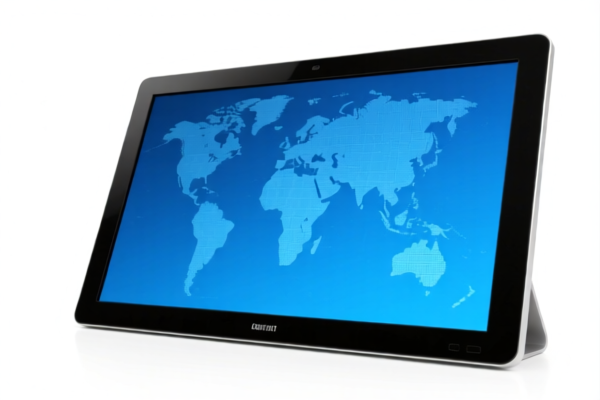
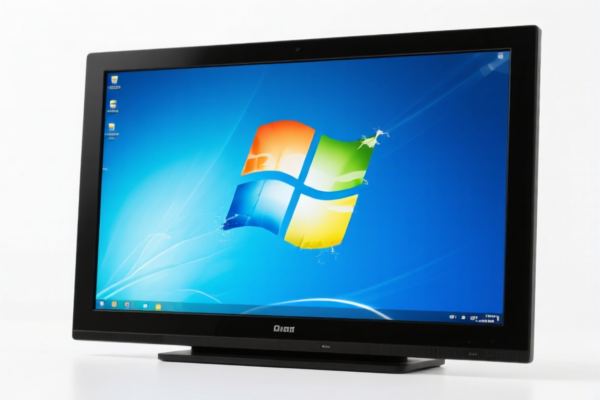
AI Analysis
🖥️ LCD Display: HS Code Classification & Tariff Strategy (2026)
🌐 HS Code Reference & Clearance Guide | Latest Tariff Analysis | Professional Customs Strategy
📌 I. Product Definition & Classification: Do You Really Understand "LCD Displays"?
An LCD Display is a core output device in modern digital systems. In international trade, classification depends strictly on technical structure and functionality. The data provided highlights four distinct HS Codes based on how the display is categorized: as a raw panel, a computer output unit, or a dedicated video display device.
⚠️ Key Distinction Points from Data: - Raw/Material Specific (8528.59.33.50 / 8528.72.72.20): Classified as "LCD-type material" or "Direct View LCD for video." These are often treated as standalone display devices or components, attracting 22.5% total tax. - Computer Output Unit (8471.60.10.50 / 8471.60.90.50): Classified as an output unit for Automatic Data Processing (ADP) machines. These attract a higher 35.0% total tax due to specific trade restrictions (Section 301).
📦 II. HS Code Classification Details (Based on Provided Data)
| HS Code | Product Description & Logic | Total Tax Rate | Tax Composition (China Origin) |
|---|---|---|---|
8528.59.33.50 |
LCD Display (LCD-type Material) Matches LCD-type material classification. Often refers to specific LCD panels or displays not fully integrated as ADP peripherals. |
22.5% | Base: 5.0% Section 301: 7.5% Section 122: 10% |
8471.60.10.50 |
Output Unit for ADP Machines Non-CRT technology. Classified as an output component for data processing systems. |
35.0% | Base: 0.0% Section 301: 25.0% Section 122: 10% |
8528.72.72.20 |
Direct View LCD for Video Visual display unit for video applications. Classified under specific video display equipment codes. |
22.5% | Base: 5.0% Section 301: 7.5% Section 122: 10% |
8471.60.90.50 |
ADP Output Component (No Material Conflict) General output part for Automatic Data Processing Equipment. No material conflicts identified. |
35.0% | Base: 0.0% Section 301: 25.0% Section 122: 10% |
8471.60.90.50 |
ADP Input/Output Component Falls under the definition of components for ADP equipment. |
35.0% | Base: 0.0% Section 301: 25.0% Section 122: 10% |
🔍 Critical Observation:
- There is a 12.5% tax difference between the "Video/Panel" classifications (8528series) and the "ADP Output" classifications (8471series). - The 35.0% rate is driven primarily by a 25% Section 301 tariff on base 0%, plus 10% Section 122. - The 22.5% rate is driven by a 5% base, 7.5% Section 301, and 10% Section 122.
💰 III. Tariff Rate Breakdown (Detailed Explanation)
✅ Origin: China (CN)
✅ Market: United States (US)
✅ Status: Active Trade Restrictions (Section 301 & Section 122)
🎯 Category A: The "ADP Output" Route (8471.60.x0.x0)
HS Codes: 8471.60.10.50, 8471.60.90.50
| Item | Detail |
|---|---|
| Base MFN Rate | 0.0% (Often duty-free for basic ADP parts) |
| Section 301 (Trade War) | +25.0% (List 3/4a items typically fall here) |
| Section 122 (Other) | +10.0% (Specific policy surcharge) |
| TOTAL EFFECTIVE RATE | 35.0% |
| Logic | These codes classify the LCD as a peripheral to a computer. If your display is intended to be plugged into a PC, laptop, or server as a monitor, customs may aggressively push for this classification. |
🎯 Category B: The "Video/Panel" Route (8528.xxxx.xx)
HS Codes: 8528.59.33.50, 8528.72.72.20
| Item | Detail |
|---|---|
| Base MFN Rate | 5.0% |
| Section 301 (Trade War) | +7.5% (Lower bracket for certain electronics/components) |
| Section 122 (Other) | +10.0% |
| TOTAL EFFECTIVE RATE | 22.5% |
| Logic | These codes classify the LCD as a video display unit or LCD material/panel. This is often preferable if the device is standalone, a TV, or a raw panel module, as it avoids the higher 25% ADP surcharge. |
🛠️ IV. Customs Clearance Recommendations (Practical Guide)
✅ 1. Strategic HS Code Selection
To minimize costs, you must justify the function and integration of the LCD.
| Strategy | Recommended HS Code | Why? |
|---|---|---|
| Cost Optimization | 8528.59.33.50 or 8528.72.72.20 |
Lower Tax (22.5%). Argue that the product is a "Video Display Device" or "LCD Panel," not just a generic computer monitor. |
| High Compliance Risk | 8471.60.10.50 |
Higher Tax (35.0%). Only use if the device is exclusively marketed as a "Computer Monitor" or "ADP Output" with no other video functionality. |
💡 Pro Tip: If your LCD can display video without a computer (e.g., via HDMI, USB-C for media players, or standalone operation), push for
8528. If it is strictly a PC monitor, be prepared for8471but consider arguing for component-level classification if possible.
✅ 2. Documentation Checklist
| Document | Requirement | Purpose |
|---|---|---|
| Product Specifications | Must clearly state resolution, type (LCD), and interface (HDMI/VGA/etc.). | To prove "LCD-type" nature. |
| Technical Manual | Highlight if it works as a standalone video display or only as a PC peripheral. | Critical for distinguishing between 8528 (Video) and 8471 (ADP). |
| Commercial Invoice | Description: "LCD Display Panel, Model XYZ, LCD Technology." | Avoid vague terms like "Monitor" if trying to qualify for 8528. |
| Photo Evidence | Show the back label (Input/Output specs) and the screen itself. | To verify it is not a CRT (which is obsolete) and to confirm LCD technology. |
✅ 3. Clearance Pitfalls to Avoid
| Pitfall | Consequence | Solution |
|---|---|---|
| Misdeclaring as "Computer Monitor" | Customs assigns 8471.60.x0.x0 → 35% Tax. |
Use technical descriptions like "LCD Video Display" or "LCD Panel Module." |
| Ignoring Section 122 | Unexpected 10% surcharge on all items. | Factor this into your landed cost calculation immediately. |
| Confusing "Panel" vs "Unit" | If you ship a raw panel but declare it as a full monitor, customs may reclassify. | Ensure the HS code matches the physical state (Raw vs. Integrated). |
🌍 V. Global Market Context (2026 Outlook)
| Market | Recommended Approach | Note |
|---|---|---|
| 🇺🇸 USA | Aggressive Classification: Aim for 8528 (22.5%) over 8471 (35.0%). |
The 12.5% difference is significant. Ensure technical docs support the "Video Display" argument. |
| 🇨🇳 China | Standard Classification | No Section 301/122. Rates depend on local MFN treaties. |
| 🇪🇺 EU | Standard Classification | No Section 301/122. Check for EU carbon border taxes (CBAM) if applicable. |
📌 VI. Common Errors & Best Practices
❌ Error 1: Using generic term "LCD Screen" without specifying if it's a panel or a unit.
👉 Result: Customs may default to the highest duty code (8471 at 35%).
❌ Error 2: Assuming all "Monitors" are the same.
👉 Result: Missing the opportunity to use 8528.72.72.20 (Video Display) for devices with multimedia capabilities.
✅ Best Practice:
Define by Function:
- Is it a peripheral for a computer? →8471(35%)
- Is it a video display or panel? →8528(22.5%)
Action Item: Review your product's connectivity. If it accepts video signals (HDMI, DisplayPort) and can function as a standalone display for media, argue for HS Code 8528 to save 12.5% in duties.
🎯 VII. Conclusion: Optimize for Cost Efficiency
🎯 Key Takeaway:
The difference between 22.5% and 35.0% is substantial.
- Target 8528.59.33.50 or 8528.72.72.20 for lower tariffs.
- Justify this by emphasizing LCD technology and Video Display functionality rather than just "ADP Output."
🔹 Remember:
"ADP is 35%, Video is 22.5%. Define your product as Video, not just PC output!"
📌 Disclaimer:
Tariff rates are subject to change. The data provided reflects specific conditions (Section 301 & 122). Always consult a licensed customs broker for final classification.
✨ Smart Classification = Lower Costs = Higher Profit! 💼
Customer Reviews
About HS Code Classification
The Harmonized System (HS) is an internationally standardized nomenclature developed by the World Customs Organization (WCO) to classify traded products. Over 200 countries use the HS system as the basis for customs tariffs, trade statistics, and import/export regulations.
Each HS code follows a hierarchical structure:
- Chapter (2 digits) — Broad category of goods (e.g., Chapter 84: Machinery and Mechanical Appliances)
- Heading (4 digits) — More specific grouping within the chapter
- Subheading (6 digits) — Internationally standardized breakdown, used by all WCO member countries
- National subdivisions (8-10 digits) — Country-specific extensions for further classification, such as US HTSUS 10-digit codes
Correct HS code classification is essential for smooth customs clearance, accurate duty payment, and compliance with trade regulations. Misclassification can lead to customs delays, overpayment of duties, or penalties.
When importing from CN to US, the applicable tariff rates may include:
- Most-Favored-Nation (MFN) rate — The standard duty rate applied to WTO members
- General rate — Applied to countries without trade agreements
- Trade remedy duties — Additional tariffs such as Section 301 (anti-dumping), Section 232 (national security), or countervailing duties
The information provided on this page is for reference purposes only. For official classification, please consult with your local customs authority or a licensed customs broker.