LED Dinosaur Neon Light (Wall mounted)
CN → US| HS Code | Tariff Rate | Origin | Destination | Doc |
|---|---|---|---|---|
| 8513102000 | 22.5% | CN | US | Official Doc |
| 9503000071 | 10.0% | CN | US | Official Doc |
| 8513104000 | 13.5% | CN | US | Official Doc |
| 9405616000 | 40.3% | CN | US | Official Doc |
| 9405116020 | 42.6% | CN | US | Official Doc |
Product Images
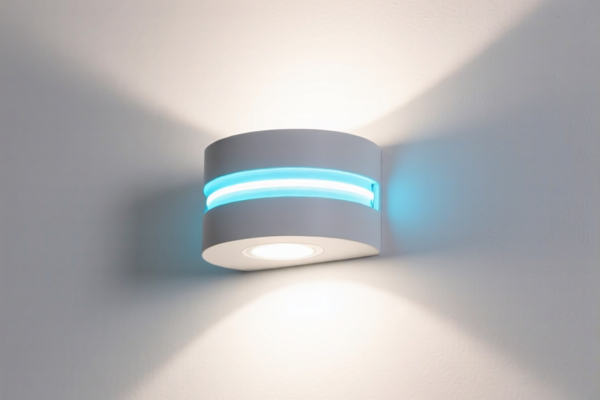
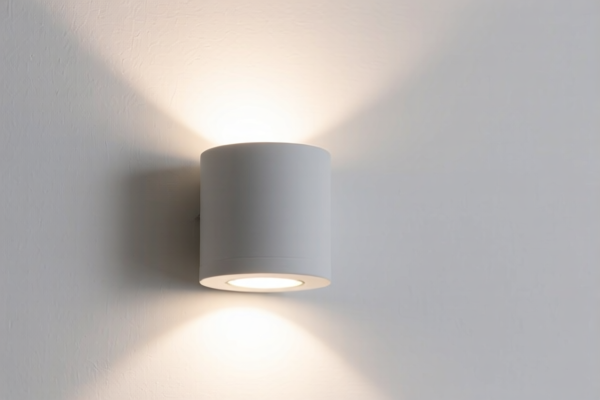
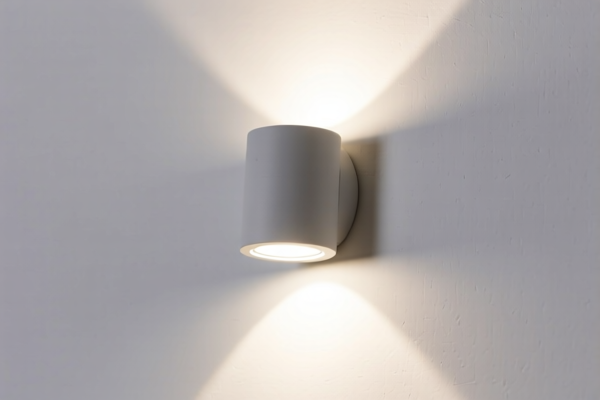
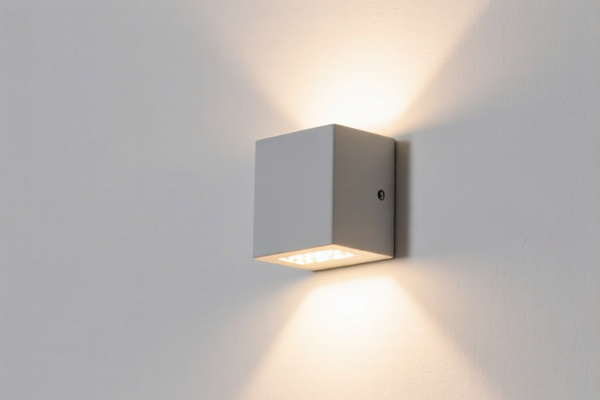
AI Analysis
🦕 LED Dinosaur Neon Light (Wall Mounted)
🌐 HS Code Reference & Customs Clearance Guide | 2026 Latest Tariff Analysis | Professional Compliance Strategy
📌 I. Product Definition & Classification: What Exactly Is a "Neon Dinosaur Light"?
LED Dinosaur Neon Wall Lights are hybrid decorative products that sit at the intersection of lighting equipment and toy/model accessories. In international trade, they often face scrutiny due to their dual nature:
As a Lighting Device: They emit light via LEDs, designed for illumination or ambiance.
As a Decorative Toy/Model: The dinosaur shape suggests they may be classified under toys, models, or decorative articles.
⚠️ Key Classification Challenge:
- If the product is primarily a functional light source (e.g., standard wall sconce with LED module), it falls under Chapter 85 (Electrical Machinery).
- If the product is primarily a toy/model with minor lighting features, it may fall under Chapter 95 (Toys).
- If the product is a decorative sign/panel made of LED tubes/glass, it may fall under Chapter 94 (Furniture/Lighting Articles).🚨 Critical Warning: Misclassification can lead to significant tariff differences (from 10% to 42.6%) and potential customs delays. The "primary function" and "material composition" are key determinants.
📦 II. HS Code Classification Details (Based on Provided Data)
The following HS Codes and tax rates are derived strictly from the provided <DATA> content. Each code reflects a different interpretation of the product's nature (lighting vs. toy vs. decorative fixture).
| HS Code | Product Description & Summary | Total Tax Rate | Tax Breakdown |
|---|---|---|---|
8513.10.20.00 |
LED Neon Wall Light: Classified as lighting equipment. Fits the use of portable/decorative electric lamps. No material conflict. | 22.5% | Base Duty: 12.5% Addtl Duty: 0.0% Section 301 (122): 10% |
9503.00.00.71 |
LED Dinosaur Neon Wall Lamp: Classified as a finished lamp/toy. Form and use fit the decorative attribute under toys/models. | 10.0% | Base Duty: 0.0% Addtl Duty: 0.0% Section 301 (122): 10% |
8513.10.40.00 |
LED Neon Wall Light: Classified as lighting equipment. Fits portable electric lamp/luminaire category. No material conflict. | 13.5% | Base Duty: 3.5% Addtl Duty: 0.0% Section 301 (122): 10% |
9405.61.60.00 |
Wall Lamp Form: Classified as a lighting fixture. Material inferred as neon/gas/tube. Fits LED light source design. | 40.3% | Base Duty: 5.3% Addtl Duty: 25.0% Section 301 (122): 10% |
9405.11.60.20 |
Wall Lamp: Classified as lighting fixture. Source is LED. Material often involves base metal bracket/housing. Fits "Other" category. | 42.6% | Base Duty: 7.6% Addtl Duty: 25.0% Section 301 (122): 10% |
🔍 Key Insight:
- Cheapest Option:9503.00.00.71(10% total) – Classifies as a toy/model with decorative lighting.
- Middle Ground:8513.10.20.00(22.5%) or8513.10.40.00(13.5%) – Classifies as a standard electric lamp.
- Most Expensive:9405.11.60.20(42.6%) – Classifies as a general lighting fixture with high USITC duties.
💰 III. 2026 Latest Tariff Rate Details (Including Surcharges & Policy Add-ons)
✅ Applicable Country: United States (US)
✅ Origin: China (CN)
✅ Effective Time: Current tariffs include Section 301 (122) surcharges.
🎯 1. 9503.00.00.71 – Toy/Model Classification (Lowest Risk/Cost)
| Item | Details |
|---|---|
| Base Duty | 0.0% |
| USITC Additional Duty | 0.0% |
| Section 301 (122) Surcharge | +10.0% |
| Total Effective Rate | 10.0% |
| Tax Calculation | CIF Value × 10% |
| De Minimis Eligibility | ❌ No (Deny De Minimis for Section 301 goods) |
| Legal Basis Path | IEEPA:9903.01.25 → USITC:9503.00.00.71 |
📌 Explanation:
- This classification treats the dinosaur light as a toy or model accessory with decorative lighting features.
- No base duty and no USITC 25% surcharge apply, only the 10% Section 301 tariff.
- Advantage: Lowest total cost. Ideal if the product is marketed as a novelty gift or toy.
🎯 2. 8513.10.20.00 – Portable Electric Lamp Classification
| Item | Details |
|---|---|
| Base Duty | 12.5% |
| USITC Additional Duty | 0.0% |
| Section 301 (122) Surcharge | +10.0% |
| Total Effective Rate | 22.5% |
| Tax Calculation | CIF Value × 22.5% |
| De Minimis Eligibility | ❌ No |
| Legal Basis Path | IEEPA:9903.01.25 → USITC:8513.10.20.00 |
📌 Explanation:
- Classified as a portable/decorative electric lamp.
- Higher base duty (12.5%) due to electrical component classification.
- Still no USITC 25% surcharge, keeping it moderate in cost.
🎯 3. 8513.10.40.00 – Another Portable Lamp Variant
| Item | Details |
|---|---|
| Base Duty | 3.5% |
| USITC Additional Duty | 0.0% |
| Section 301 (122) Surcharge | +10.0% |
| Total Effective Rate | 13.5% |
| Tax Calculation | CIF Value × 13.5% |
| De Minimis Eligibility | ❌ No |
| Legal Basis Path | IEEPA:9903.01.25 → USITC:8513.10.40.00 |
📌 Explanation:
- Similar to above but with a lower base duty (3.5%).
- Best option if the product can be specifically defined under this subheading (e.g., specific portable lamp type).
🎯 4. 9405.61.60.00 & 9405.11.60.20 – Lighting Fixtures (High Cost)
| Item | Details |
|---|---|
| Base Duty | 5.3% - 7.6% |
| USITC Additional Duty | +25.0% |
| Section 301 (122) Surcharge | +10.0% |
| Total Effective Rate | 40.3% - 42.6% |
| De Minimis Eligibility | ❌ No |
📌 Explanation:
- These codes classify the product as a general lighting fixture (not portable).
- High Risk: The 25% USITC surcharge is applied due to the product being considered a fixed lighting appliance.
- Recommendation: Avoid these codes unless the product is strictly a fixed wall fixture with no "toy" or "portable" characteristics.
🛠️ IV. Customs Clearance Practical Advice (Avoid Pitfalls)
✅ 1. Preparation Checklist (Non-negotiable)
| Document | Required? | Notes |
|---|---|---|
| ✅ Product Specifications | ✔️ | Include dimensions, power source (battery/AC), LED type, brightness (lumens). |
| ✅ Product Photos | ✔️ | Clear images showing the dinosaur shape, mounting mechanism, and LED components. |
| ✅ Commercial Invoice | ✔️ | Describe as "LED Dinosaur Neon Decorative Light" or "Novelty Wall Lamp". Avoid vague terms. |
| ✅ Material Declaration | ✔️ | Specify materials (e.g., ABS plastic, silicone, LED modules, base metal). |
| ✅ Certifications | ✔️ | FCC (if electronic), CE, RoHS, UL/ETL (if applicable). |
| ✅ Packing List | ✔️ | Confirm if batteries are included (DOT/UN38.3 required if lithium batteries are present). |
✅ 2. Classification Strategy & Tips
🔥 "Define Primary Function: Toy vs. Lamp vs. Fixture"
| Scenario | Recommended HS Code | Why? |
|---|---|---|
| Novelty Gift/Child’s Room Decor | 9503.00.00.71 |
Marketed as a toy/model; lowest tariff (10%). |
| Portable Night Light | 8513.10.40.00 |
If battery-operated or clearly a "portable lamp" (13.5%). |
| Standard Wall Sconce | 8513.10.20.00 |
If it’s a standard electric lamp with decorative elements (22.5%). |
| Fixed Wall Fixture | 9405.61.60.00 / 9405.11.60.20 |
Avoid if possible; high tariffs (40%+). |
📌 Critical Tip:
- If you market the product as a "Toy" or "Novelty Item", emphasize its decorative and playful nature in the invoice description.
- If you market it as a "Lighting Fixture", ensure it has proper electrical certifications and clear mounting instructions.
- Never split the declaration (e.g., declare "dinosaur figure" + "lamp separately") unless they are clearly separate SKUs. Combined shipment = combined classification.
✅ 3. Special Cases
| Case | Recommendation |
|---|---|
| Lithium Battery Included | Must declare battery type. May require additional safety data sheets (SDS) and UN38.3 testing. |
| OEM Custom Design | Provide design blueprints to prove the "toy/model" nature if using 9503.00.00.71. |
| Mixed Packaging | If sold with batteries, ensure the entire package is classified correctly. Batteries can trigger hazardous goods protocols. |
🌍 V. Global Market Comparison (2026)
| Country/Region | Recommended HS Code | Tariff Rate | Certification | Notes |
|---|---|---|---|---|
| 🇺🇸 USA | 9503.00.00.71 |
10% | FCC, UL/ETL | Best rate if classified as toy. |
| 🇨🇳 China | 9503.00.00.71 |
0-5% | CCC | Low entry barrier. |
| 🇪🇺 EU | 9503.00.00.71 |
0% | CE, EN71 | Toy safety standards apply. |
| 🇦🇺 Australia | 9503.00.00.71 |
5% | SAA/RCM | Check battery regulations. |
| 🇯🇵 Japan | 9503.00.00.71 |
0% | PSE | PSE required for LED components. |
📌 Conclusion:
- The USA is the only market with significant Section 301 surcharges.
- Classification as a toy (9503.00.00.71) saves 30%+ in duties compared to lighting fixture codes.
- EU and Japan are more lenient with toy classification, offering 0% tariffs.
📌 VI. Common Errors & Pitfalls (Lessons Learned)
❌ Error 1: Declaring as "Wall Lamp" but marketing as "Toy"
👉 Consequence: Customs may reclassify to 9405... (40%+) or issue a warning for inconsistent declaration.
❌ Error 2: Ignoring Battery Regulations
👉 Consequence: Shipment held at customs if lithium batteries are present without proper UN38.3 documentation.
❌ Error 3: Using Vague Descriptions like "Neon Light"
👉 Consequence: Customs may assign a higher default duty rate (e.g., 22.5% or higher) due to ambiguity.
✅ Correct Declaration Example:
"LED Dinosaur Neon Decorative Wall Light, Novelty Toy, ABS Plastic Body, Battery Operated, Model XYZ, FCC Certified"
🎯 VII. Conclusion: Smart Classification, Higher Profits
🎯 Key Takeaway:
🔹 "Toy Classification = 10% Duty. Lighting Fixture = 40%+ Duty."
🔹 "Clarify Primary Function: Is it a toy for kids or a lamp for adults?"
🔹 "Accurate Description Saves Thousands in Tariffs."
📌 Pro Tip:
If your product can be reasonably defined as a toy or novelty item, always prioritize the 9503.00.00.71 classification to minimize costs.
Consult a customs broker to confirm the "primary function" based on your marketing materials and product design.
📣 Action Required:
📞 Verify Classification: Ensure your commercial invoice and product labeling align with
9503.00.00.71if claiming toy status.
📄 Documentation: Prepare FCC, CE, and battery safety documents in advance.
🚀 Optimize Logistics: Use the lowest tariff code to maximize profit margins.
✨ Professional Customs Clearance Starts with Accurate Classification!
💼 Every Percentage Point Saved is Pure Profit!
Customer Reviews
About HS Code Classification
The Harmonized System (HS) is an internationally standardized nomenclature developed by the World Customs Organization (WCO) to classify traded products. Over 200 countries use the HS system as the basis for customs tariffs, trade statistics, and import/export regulations.
Each HS code follows a hierarchical structure:
- Chapter (2 digits) — Broad category of goods (e.g., Chapter 84: Machinery and Mechanical Appliances)
- Heading (4 digits) — More specific grouping within the chapter
- Subheading (6 digits) — Internationally standardized breakdown, used by all WCO member countries
- National subdivisions (8-10 digits) — Country-specific extensions for further classification, such as US HTSUS 10-digit codes
Correct HS code classification is essential for smooth customs clearance, accurate duty payment, and compliance with trade regulations. Misclassification can lead to customs delays, overpayment of duties, or penalties.
When importing from CN to US, the applicable tariff rates may include:
- Most-Favored-Nation (MFN) rate — The standard duty rate applied to WTO members
- General rate — Applied to countries without trade agreements
- Trade remedy duties — Additional tariffs such as Section 301 (anti-dumping), Section 232 (national security), or countervailing duties
The information provided on this page is for reference purposes only. For official classification, please consult with your local customs authority or a licensed customs broker.