LED Headband
CN → US| HS Code | Tariff Rate | Origin | Destination | Doc |
|---|---|---|---|---|
| 6217101010 | 19.8% | CN | US | Official Doc |
| 6117808500 | 32.1% | CN | US | Official Doc |
| 6117802000 | 18.7% | CN | US | Official Doc |
| 9615196000 | 21.0% | CN | US | Official Doc |
| 9615114000 | 15.3% | CN | US | Official Doc |
| 6217108500 | 24.6% | CN | US | Official Doc |
Product Images

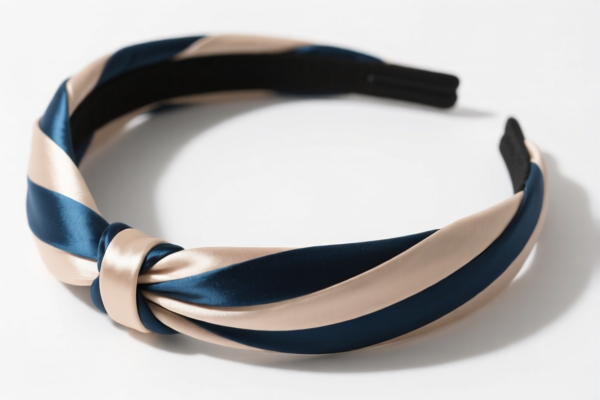
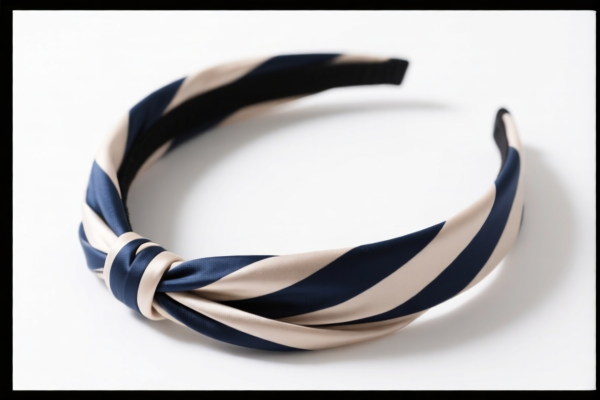
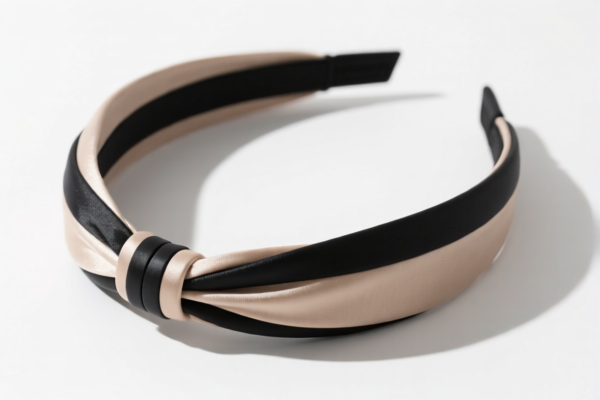
AI Analysis
🌟 LED Headbands (Hair Bands / Headbands)
🌐 HS Code Reference & Customs Clearance Guide | 2026 Latest Tariff Analysis | Professional Clearance Strategy
📌 I. Product Definition & Classification: What exactly is an "LED Headband"?
An LED Headband is a decorative or functional accessory worn on the head. In international trade, its classification is highly sensitive to material composition and construction method. The presence of LEDs (light-emitting diodes) often creates a dispute between "Textile Accessories" (Chapter 61/62) and "Electrical/Apparatus" (Chapter 85) or "Cosmetic Accessories" (Chapter 96).
Based on the provided data, the classification falls primarily into three categories: 1. Textile/Non-Knitted Headbands: Classed as hair bands/ties (Chapter 62). 2. Knitted/Crocheted Headbands: Classed as other knitted accessories (Chapter 61). 3. Plastic/Hard Rubber Hair Accessories: Classed as combs/brushes/hair sticks (Chapter 96).
⚠️ Key Distinction Point:
- If the headband is fabric-based (woven, non-knitted) → 6217.10
- If the headband is knitted/crocheted fabric → 6117.80
- If the headband is plastic/rigid material (often containing integrated LEDs in a hard shell) → 9615.19 or 9615.11
📦 II. HS Code Classification Details (2026 Latest Tariff Cross-Reference)
| HS Code | Product Description | Material/Construction | Key Features |
|--------|--------------------------|--------------------------|
| 6217.10.10.10 | Hair bands, hair ties, and similar articles | Fabric/Silk blend, Non-knitted | "Hairband" shape; likely contains silk or similar fabric. |
| 6117.80.85.00 | Other made-up clothing accessories, knitted/crocheted | Knitted/Crocheted Fabric | Classified as "Headbands" under knitted accessories. |
| 6117.80.20.00 | Other accessories, made-up (textile/knitted) | Textile/Knitted Fabric | General "Clothing Accessories" classification. |
| 9615.19.60.00 | Combs, hair-slides, and similar articles (Other) | Textile/Plastic Hybrid | Classified as "Hair Ornaments"; often includes plastic components for LEDs. |
| 9615.11.40.00 | Combs, hair-slides, and similar articles (Plastic/Rubber) | Plastic/Hard Rubber | Rigid structure; common for LED headbands with electronic housings. |
🔍 Important Reminder:
- LED Integration: If the LED circuit is flexible and integrated into soft fabric, customs may lean towards Chapter 61/62. If the LED is housed in a rigid plastic clip or bar, Chapter 96 is more likely. - Material Dominance: The primary material determines the chapter. Silk/Fabric → Ch 62; Knit → Ch 61; Plastic → Ch 96.
💰 III. 2026 Latest Tariff Rate Breakdown (Including Surtaxes & Policy Add-ons)
✅ Applicable Country: United States (US)
✅ Country of Origin: China (CN)
✅ Effective Date: Post-2025 (Includes Section 301, Section 122, and IEEPA taxes)
🎯 1. 6217.10.10.10 – Hair Bands, Hair Ties (Non-Knitted/Fabric)
| Item | Content |
|---|---|
| Base Duty Rate | 2.3% (Ad Valorem) |
| Section 301 Surcharge | +7.5% |
| Section 122 Surcharge | +10% |
| Total Effective Rate | 19.8% |
| Tax Calculation | CIF Value × 19.8% |
| De Minimis Exemption | ❌ Not Applicable (Deemed commercial entry due to high rates) |
| Legal Basis Path | HTSUS:6217.10.10.10 → USITC:Section301 → USITC:Section122 |
📌 Explanation:
- This is the lowest tariff option among the fabric-based classifications. - Section 122 (Section 232/122 type tariffs) adds 10% on certain apparel/textiles. - Section 301 adds 7.5%. - Total 19.8% is relatively low compared to knitted options.
🎯 2. 6117.80.85.00 – Other Knitted/Crocheted Clothing Accessories
| Item | Content |
|---|---|
| Base Duty Rate | 14.6% (Ad Valorem) |
| Section 301 Surcharge | +7.5% |
| Section 122 Surcharge | +10% |
| Total Effective Rate | 32.1% |
| Tax Calculation | CIF Value × 32.1% |
| De Minimis Exemption | ❌ Not Applicable |
| Legal Basis Path | HTSUS:6117.80.85.00 → USITC:Section301 → USITC:Section122 |
📌 Explanation:
- Highest Total Tax Rate in the dataset. - Knitted goods often face higher base duties due to domestic textile protections. - Avoid this code if a fabric alternative (6217.10) is technically accurate, as it saves 12.3% in taxes.
🎯 3. 6117.80.20.00 – Other Accessories (Textile/Knitted)
| Item | Content |
|---|---|
| Base Duty Rate | 1.2% (Ad Valorem) |
| Section 301 Surcharge | +7.5% |
| Section 122 Surcharge | +10% |
| Total Effective Rate | 18.7% |
| Tax Calculation | CIF Value × 18.7% |
| De Minimis Exemption | ❌ Not Applicable |
| Legal Basis Path | HTSUS:6117.80.20.00 → USITC:Section301 → USITC:Section122 |
📌 Explanation:
- Lowest Base Duty (1.2%) among knitted/textile codes. - Total 18.7% is the most competitive rate for textile-based headbands. - Caution: Ensure the product truly fits "Other Accessories" and not "Hair Ties" (6217.10) to avoid misclassification penalties.
🎯 4. 9615.19.60.00 – Combs, Hair-slides, Similar Articles (Other)
| Item | Content |
|---|---|
| Base Duty Rate | 11.0% (Ad Valorem) |
| Section 301 Surcharge | +0.0% (Exempt or Low) |
| Section 122 Surcharge | +10% |
| Total Effective Rate | 21.0% |
| Tax Calculation | CIF Value × 21.0% |
| De Minimis Exemption | ❌ Not Applicable |
| Legal Basis Path | HTSUS:9615.19.60.00 → USITC:Section122 |
📌 Explanation:
- No Section 301 Surtax (+0.0%) is a significant advantage. - However, the High Base Duty (11%) offsets this benefit. - Total 21.0% is mid-range. Suitable for plastic-composite headbands.
🎯 5. 9615.11.40.00 – Combs, Hair-slides (Plastic/Hard Rubber)
| Item | Content |
|---|---|
| Base Duty Rate | 5.3% (Ad Valorem) |
| Section 301 Surcharge | +0.0% |
| Section 122 Surcharge | +10% |
| Total Effective Rate | 15.3% |
| Tax Calculation | CIF Value × 15.3% |
| De Minimis Exemption | ❌ Not Applicable |
| Legal Basis Path | HTSUS:9615.11.40.00 → USITC:Section122 |
📌 Explanation:
- Lowest Total Tax Rate (15.3%) in the entire dataset! - Why? Plastic articles often have lower base duties and may be exempt from Section 301 (depending on specific HTSUS notes), but still attract Section 122. - Strategic Recommendation: If the LED headband has a plastic frame, clip, or housing, this is the most cost-effective classification.
🛠️ IV. Customs Clearance Practical Advice (Avoid Pitfalls)
✅ 1. Material Declaration is Critical
| Material | Recommended HS Code | Tax Rate | Reason |
|---|---|---|---|
| Pure Fabric (Woven) | 6217.10.10.10 |
19.8% | Fits "Hair Bands" definition. |
| Knitted Fabric | 6117.80.20.00 |
18.7% | Lowest textile rate; avoids high base duty of 6117.80.85. |
| Plastic/Rigid Frame | 9615.11.40.00 |
15.3% | Best Rate! Must be predominantly plastic/hard rubber. |
| Mixed (Fabric + Plastic LED) | 9615.19.60.00 |
21.0% | If plastic component is essential for function. |
🔥 Pro Tip:
- If your LED headband has a plastic bar or clip holding the LEDs, declare it as9615.11.40.00or9615.19.60.00to save up to 17% in taxes compared to knitted fabric codes. - Never declare a plastic-housed LED item as6117.80.85.00(32.1%) unless forced by strict material tests.
✅ 2. Documentation Requirements
| Document | Must Provide | Notes |
|---|---|---|
| ✅ Product Photos | ✔️ | Show the LED component, power source (battery/wire), and material. |
| ✅ Material Breakdown | ✔️ | e.g., "90% Polyester Fabric, 10% ABS Plastic Housing". |
| ✅ Function Description | ✔️ | "Decorative LED Hair Accessory, not a wearable electronic device." |
| ✅ Bill of Materials | ✔️ | List all components (LEDs, wires, batteries, fabric). |
| ✅ Commercial Invoice | ✔️ | Clear description: "LED Headband, Plastic/Fabric, Decorative." |
⚠️ Warning:
- Do NOT describe the product as "Electronic Device" or "Gadget" in the commercial invoice if you want to stay under Chapter 96 or 61/62.
- Describe it as "Hair Accessory with LED Lighting" to align with cosmetic/hair tool classifications.
✅ 3. Special Scenarios
| Scenario | Handling Advice |
|---|---|
| Rechargeable LED Headband | Still classified as hair accessory if the battery is integral and low voltage. Provide safety cert (UL/CE) for the battery. |
| Plastic Clip + Fabric Band | Prioritize 9615.11.40.00. If the plastic part gives the article its essential character, Chapter 96 applies. |
| Knitted Headband with Sewn-in LEDs | Use 6117.80.20.00 (18.7%) instead of 6117.80.85.00 (32.1%) to save tax. Ensure it’s described as "Other Accessory." |
| Silk/Satin Hair Band | Use 6217.10.10.10 (19.8%). High-quality fabric justifies this code. |
🌍 V. Global Market Comparison (2026 Latest)
| Country/Region | Recommended HS Code | Tariff (CN Origin) | Certification | Notes |
|---|---|---|---|---|
| 🇺🇸 USA | 9615.11.40.00 |
15.3% | FTC Labeling, Battery Safety | Lowest US Rate for plastic-based LED headbands. |
| 🇺🇸 USA | 6117.80.85.00 |
32.1% | - | Avoid this high-tax code unless unavoidable. |
| 🇪🇺 EU | 9615.11 / 6117 |
0% - 4% | CE, REACH, RoHS | No Section 301/122 taxes. Low duty for plastic/textile. |
| 🇨🇳 China | 9615.11 / 6117 |
0% - 5% | CCC (if applicable) | Low import duty. Focus on domestic VAT. |
📌 Conclusion:
- USA: Target9615.11.40.00(15.3%) for maximum savings. - EU: Standard low duty; focus on CE/RoHS compliance for electronics.
📌 VI. Common Mistakes & Pitfalls (Lessons Learned)
❌ Mistake 1: Declaring a plastic-head-LED-ban as 6117.80.85.00 (Knitted)
👉 Consequence: Pay 32.1% tax instead of 15.3%. Overpay by 16.8%!
❌ Mistake 2: Ignoring Section 122 taxes
👉 Consequence: Even if Section 301 is 0%, 10% Section 122 still applies to plastic/textile imports from China. Do not assume "0% Section 301 = 0% Total."
❌ Mistake 3: Misidentifying Material
👉 Consequence: Customs may reclassify "Plastic" as "Textile" (or vice versa), leading to audits, penalties, and delays.
👉 Fix: Provide detailed material composition (e.g., "ABS Plastic Housing, Polyester Strap").
❌ Mistake 4: Calling it an "Electronic Gadget"
👉 Consequence: Could fall under Chapter 85 (Electrical Machinery), which may have different, higher tariffs or stricter FDA/FTC regulations.
👉 Fix: Call it a "Hair Accessory" or "Decorative Headband."
✅ Correct Declaration Example:
"LED Headband, Decorative Hair Accessory, ABS Plastic Housing with Integrated LEDs, Polyester Strap, Battery Operated. HS Code: 9615.11.40.00."
🎯 VII. Conclusion: Professional Declaration, Save Costs, Ensure Compliance!
🎯 Remember the Golden Rule:
🔹 "Plastic Head = 15.3% Tax"
🔹 "Knitted Head = 18.7% - 32.1% Tax"
🔹 "Section 122 is Always 10% for CN Origin!"
📌 Pro Tip:
- If your LED headband has a rigid plastic frame, always use 9615.11.40.00.
- If it is 100% fabric, use 6117.80.20.00 (18.7%) rather than 6117.80.85.00 (32.1%).
- Always include battery safety certifications (UN38.3, MSDS) for customs clearance.
📣 Immediate Action:
📞 Contact your customs broker to verify material composition.
📝 Apply for Advance Ruling if the product has mixed materials.
🚀 Optimize your HS Code to save 12-17% in taxes!
✨ Professional Customs Clearance Starts with Accurate Classification!
💼 Every Percentage Point Counts in Your Profit Margin!
Customer Reviews
About HS Code Classification
The Harmonized System (HS) is an internationally standardized nomenclature developed by the World Customs Organization (WCO) to classify traded products. Over 200 countries use the HS system as the basis for customs tariffs, trade statistics, and import/export regulations.
Each HS code follows a hierarchical structure:
- Chapter (2 digits) — Broad category of goods (e.g., Chapter 84: Machinery and Mechanical Appliances)
- Heading (4 digits) — More specific grouping within the chapter
- Subheading (6 digits) — Internationally standardized breakdown, used by all WCO member countries
- National subdivisions (8-10 digits) — Country-specific extensions for further classification, such as US HTSUS 10-digit codes
Correct HS code classification is essential for smooth customs clearance, accurate duty payment, and compliance with trade regulations. Misclassification can lead to customs delays, overpayment of duties, or penalties.
When importing from CN to US, the applicable tariff rates may include:
- Most-Favored-Nation (MFN) rate — The standard duty rate applied to WTO members
- General rate — Applied to countries without trade agreements
- Trade remedy duties — Additional tariffs such as Section 301 (anti-dumping), Section 232 (national security), or countervailing duties
The information provided on this page is for reference purposes only. For official classification, please consult with your local customs authority or a licensed customs broker.