LED Lens
CN → US| HS Code | Tariff Rate | Origin | Destination | Doc |
|---|---|---|---|---|
| 9013908000 | 89.5% | CN | US | Official Doc |
| 9001909000 | 35.0% | CN | US | Official Doc |
| 9002190000 | 35.0% | CN | US | Official Doc |
| 9002119000 | 37.3% | CN | US | Official Doc |
| 9013907000 | 35.0% | CN | US | Official Doc |
Product Images
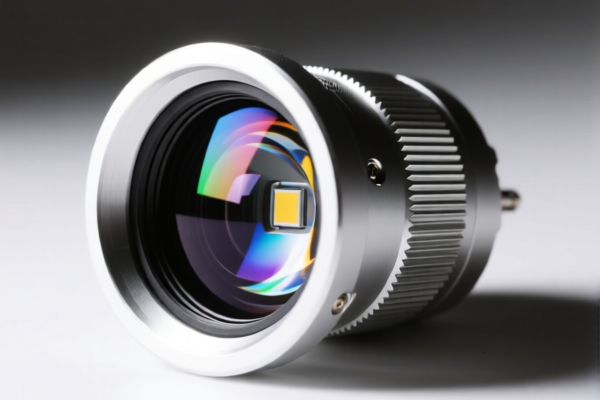
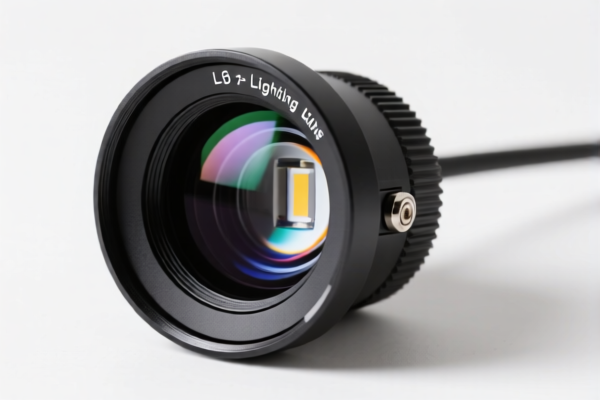
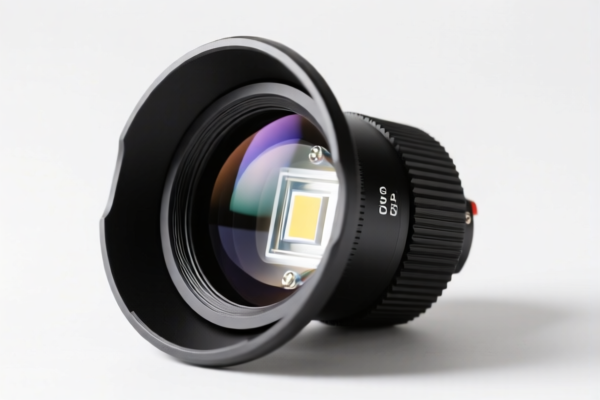

AI Analysis
💡 LED Lens (Optical Lenses for Lighting & Laser Systems)
🌐 HS Code Reference & Customs Clearance Guide | 2026 Latest Tariff Analysis | Professional Clearance Strategy
📌 I. Product Definition & Classification: What is an "LED Lens"?
An LED Lens is an optical component used to direct, collimate, or focus light emitted from Light Emitting Diodes (LEDs) or Laser sources. In international trade, the classification depends heavily on: 1. State of Assembly: Is it a loose optical element or part of an assembled instrument? 2. Material: Glass, crystal, or optical plastic? 3. Function: Is it strictly for lighting (8543/9013) or for imaging/optical instruments (9002)?
⚠️ Key Distinction:
- If it is a loose, unassembled optical element (glass/plastic) meant for general optical use → Look at 9001 or 9002.
- If it is a part/component of a laser system → Look at 9013.
- If it is assembled into a specific optical instrument (like a camera lens/objective) → Look at 9002.11 or 9002.19.
📦 II. HS Code Classification Details (2026 Latest Tariff Authority Match)
Based on the provided data, here are the 5 possible HS Codes for LED Lenses, with their corresponding tax implications.
| HS Code | Product Description & Rationale | Total Tax Rate | Tax Breakdown (US Import from China) |
|---|---|---|---|
9013.90.80.00 |
Parts of Laser Apparatus: Classified as a part of laser devices. Material: Optical glass/crystal. | 89.5% | Base (4.5%) + Section 301 (25%) + Section 122 (10%) + Steel/Aluminum/Copper Surcharge (50%) |
9001.90.90.00 |
Unassembled Lenses: Any material lens (glass/plastic) not assembled. Fits "other categories". | 35.0% | Base (0.0%) + Section 301 (25%) + Section 122 (10%) |
9002.19.00.00 |
Assembled Optical Elements: Assembled lenses/optical elements (glass/optical material). Fits "Objectives & Parts". | 35.0% | Base (0.0%) + Section 301 (25%) + Section 122 (10%) |
9002.11.90.00 |
Optical Elements: Optical glass/crystal elements. Fits "Objectives/Optical Elements". | 37.3% | Base (2.3%) + Section 301 (25%) + Section 122 (10%) |
9013.90.70.00 |
Parts of Optical Instruments: Optical elements for laser/optical instruments. Fits "Attachments/Parts". | 35.0% | Base (0.0%) + Section 301 (25%) + Section 122 (10%) |
🔍 Critical Note:
- The 89.5% rate (9013.90.80.00) is exceptionally high due to the 50% steel/aluminum/copper surcharge. This suggests the lens might contain metal mounts or is classified under a specific metal-related trade restriction.
- The 35%-37.3% range applies to most standard optical glass/plastic lenses not caught in the heavy metal surcharge.
💰 III. 2026 Latest Tariff Rate Detailed Explanation
✅ Applicable Country: United States (US)
✅ Origin: China (CN)
✅ Effective Time: Current trade policies (Post-2024 adjustments)
🎯 1. 9013.90.80.00 —— Parts of Laser Apparatus (Heavy Surcharge Applied)
| Item | Content |
|---|---|
| Base Tariff | 4.5% |
| Section 301 Surcharge | +25.0% |
| Section 122 Surcharge | +10.0% |
| Steel/Aluminum/Copper Surcharge | +50.0% (Specific to 122 Clause) |
| Total Tariff | 89.5% |
| Calculation | CIF Value × 89.5% |
| De Minimis Exemption? | ❌ NO (High value/tariff item) |
| Legal Basis | HTSUS:9013.90.80 → USITC:Footnote 9903 → IEEPA:122 Clause |
📌 Explanation:
- This classification treats the lens as a critical component of laser equipment.
- The 50% additional tariff is the killer here. It is applied under Section 122 for specific metal/copper/aluminum/steel products. Even if the lens is glass, if it is deemed a "part" subject to this clause, the tax skyrockets.
- Result: This is the most expensive option. Avoid unless absolutely necessary.
🎯 2. 9001.90.90.00 —— Unassembled Lenses (Any Material)
| Item | Content |
|---|---|
| Base Tariff | 0.0% |
| Section 301 Surcharge | +25.0% |
| Section 122 Surcharge | +10.0% |
| Total Tariff | 35.0% |
| Calculation | CIF Value × 35.0% |
| De Minimis Exemption? | ❌ NO |
| Legal Basis | HTSUS:9001.90.90 → USITC:Footnote 9903 |
📌 Explanation:
- Applies if the lens is unassembled and not specifically an "objective lens" for imaging.
- Material can be glass, plastic, etc.
- Result: A mid-range tariff. Safe if the product is a simple, loose lens.
🎯 3. 9002.19.00.00 —— Assembled Optical Elements (Objectives & Parts)
| Item | Content |
|---|---|
| Base Tariff | 0.0% |
| Section 301 Surcharge | +25.0% |
| Section 122 Surcharge | +10.0% |
| Total Tariff | 35.0% |
| Calculation | CIF Value × 35.0% |
| De Minimis Exemption? | ❌ NO |
| Legal Basis | HTSUS:9002.19 → USITC:Footnote 9903 |
📌 Explanation:
- Applies if the lens is assembled or considered an optical element for instruments.
- "Material: Glass or Optical Material".
- Result: Same as above. Good for assembled optical components.
🎯 4. 9002.11.90.00 —— Optical Elements (Glass/Crystal)
| Item | Content |
|---|---|
| Base Tariff | 2.3% |
| Section 301 Surcharge | +25.0% |
| Section 122 Surcharge | +10.0% |
| Total Tariff | 37.3% |
| Calculation | CIF Value × 37.3% |
| De Minimis Exemption? | ❌ NO |
| Legal Basis | HTSUS:9002.11 → USITC:Footnote 9903 |
📌 Explanation:
- Specific to optical glass or crystal.
- Slightly higher base tariff (2.3% vs 0%), but still far below the 89.5% horror story.
- Result: Preferred if the lens is pure glass/crystal and fits this specific subheading.
🎯 5. 9013.90.70.00 —— Parts of Optical Instruments
| Item | Content |
|---|---|
| Base Tariff | 0.0% |
| Section 301 Surcharge | +25.0% |
| Section 122 Surcharge | +10.0% |
| Total Tariff | 35.0% |
| Calculation | CIF Value × 35.0% |
| De Minimis Exemption? | ❌ NO |
| Legal Basis | HTSUS:9013.90.70 → USITC:Footnote 9903 |
📌 Explanation:
- For optical elements used as accessories/parts for laser or optical instruments.
- Result: Same as9001.90.90.00. A viable option for parts.
🛠️ IV. Customs Clearance Practical Advice (Battle-Tested Pitfall Guide)
✅ 1. Preparation Checklist (Must-Haves)
| Document | Required | Notes |
|---|---|---|
| Product Specification Sheet | ✔️ | Must specify: Material (Glass/Plastic/Crystal), Diameter, Focal Length, Coating. |
| Assembly Status Proof | ✔️ | Is it loose or assembled? Photos must show clear state. |
| Commercial Invoice | ✔️ | Description must be precise: e.g., "Optical Glass Lens for LED Lighting, Unassembled". |
| Bill of Lading | ✔️ | Ensure no "Steel/Aluminum" keywords trigger the 50% surcharge unless applicable. |
| FCC Certification | ✔️ | If used in electronic lighting devices, FCC ID may be required. |
✅ 2. Declaration Strategy (Key Mnemonics)
🔥 "Glass vs. Part, Avoid the 50% Trap!"
| Situation | Correct HS Code | Tax Rate | Why? |
|---|---|---|---|
| Loose Glass/Plastic Lens | 9001.90.90.00 |
35.0% | Unassembled, general optical use. |
| Assembled Optical Element | 9002.19.00.00 |
35.0% | Assembled, fits "Objective/Part". |
| Pure Glass/Crystal Element | 9002.11.90.00 |
37.3% | Specific material match, low base tax. |
| Part of Laser System | 9013.90.70.00 |
35.0% | Instrument part, avoids metal surcharge. |
| Part of Laser (Metal-Linked) | 9013.90.80.00 |
89.5% | ⚠️ AVOID unless necessary. Triggers 50% steel/alum/copper surcharge. |
✅ 3. Special Case Handling
| Scenario | Recommendation |
|---|---|
| LED Lens with Metal Mount | ⚠️ Risk: May trigger 9013.90.80.00 (89.5%). Fix: Try to classify as optical element 9002 if the mount is minor. Consult a broker. |
| Plastic Lens | Use 9001.90.90.00 or 9002.19.00.00. Avoid 9013 if possible to reduce complexity. |
| Custom Optical Lens | Provide detailed drawings. Claim 9002 series for better tax predictability. |
| Bulk Import for Assembly | Declare as "Unassembled" (9001) to avoid "Assembly" tax triggers. |
🌍 V. Global Market Clearance Comparison (2026 Latest)
| Country/Region | Recommended HS Code | Tariff (China Origin) | Notes |
|---|---|---|---|
| 🇺🇸 USA | 9001.90.90.00 |
35.0% | Avoid 9013.90.80.00 (89.5%) due to 122 Clause. |
| 🇨🇳 China | 9001.90.90.00 |
5% - 10% | Check for VAT refunds. |
| 🇪🇺 EU | 9002.11.00 |
0% - 4% | No Section 301 equivalent. |
| 🇬🇧 UK | 9002.11.00 |
0% - 4% | Post-Brexit rules apply. |
| 🇯🇵 Japan | 9002.11.00 |
0% - 3% | Very favorable for optical parts. |
📌 Conclusion:
- USA is the highest cost market due to Section 301 (25%) and Section 122 (10-50%).
- Key Strategy: Avoid9013.90.80.00at all costs. Opt for9001or9002series.
📌 VI. Common Errors & Pitfalls (Blood-Tested Lessons)
❌ Error 1: Declaring "LED Lens" as "Part of Laser" (9013.90.80.00) without justification.
👉 Consequence: 89.5% Tax! + Customs detention for review.
👉 Fix: Use 9001 or 9002 if it's not strictly a laser component.
❌ Error 2: Ignoring the Section 122 Steel/Aluminum/Copper Surcharge.
👉 Consequence: If the lens has metal parts or is classified under a metal-linked subheading, you pay +50% extra.
👉 Fix: Ensure HS Code does not trigger 122 Clause (i.e., avoid 9013.90.80.00 if possible).
❌ Error 3: Vague Description "Optical Glass".
👉 Consequence: Customs may downgrade to highest taxable category.
👉 Fix: Specify "Unassembled Optical Lens, Glass, for LED Lighting".
✅ Correct Practice:
"LED Optical Lens, Unassembled, Glass, Diameter 25mm, for General Lighting Application, No Metal Mount" → HS: 9001.90.90.00 → Tax: 35%
🎯 VII. Conclusion: Professional Declaration, Save Money, Avoid Delays!
🎯 Remember the Mnemonic:
🔹 "Loose Lens = 9001 (35%); Assembled = 9002 (35%); Laser Part = 9013 (Beware 89.5%!)"
🔹 "HS Code Decides Fate, Tax Differs by 50 Points, Declare Correctly, Save Big!"
📌 Pro Tip:
- If your LED Lens is only for lighting (not lasers), avoid 9013 entirely.
- Pre-Ruling: Apply for an Advance Ruling from US Customs (CBP) if importing large volumes. This locks in the 35% rate instead of risking 89.5%.
📣 Immediate Action:
📞 Contact a Customs Broker + Provide Product Photos + Apply for HS Pre-Ruling
🚀 Let Your LED Lenses Pass Smoothly, Efficiently, and Profitably!
✨ Professional Clearance Starts with Precise Classification!
💼 Every Penny of Cost Deserves Exact Calculation!
Customer Reviews
About HS Code Classification
The Harmonized System (HS) is an internationally standardized nomenclature developed by the World Customs Organization (WCO) to classify traded products. Over 200 countries use the HS system as the basis for customs tariffs, trade statistics, and import/export regulations.
Each HS code follows a hierarchical structure:
- Chapter (2 digits) — Broad category of goods (e.g., Chapter 84: Machinery and Mechanical Appliances)
- Heading (4 digits) — More specific grouping within the chapter
- Subheading (6 digits) — Internationally standardized breakdown, used by all WCO member countries
- National subdivisions (8-10 digits) — Country-specific extensions for further classification, such as US HTSUS 10-digit codes
Correct HS code classification is essential for smooth customs clearance, accurate duty payment, and compliance with trade regulations. Misclassification can lead to customs delays, overpayment of duties, or penalties.
When importing from CN to US, the applicable tariff rates may include:
- Most-Favored-Nation (MFN) rate — The standard duty rate applied to WTO members
- General rate — Applied to countries without trade agreements
- Trade remedy duties — Additional tariffs such as Section 301 (anti-dumping), Section 232 (national security), or countervailing duties
The information provided on this page is for reference purposes only. For official classification, please consult with your local customs authority or a licensed customs broker.