LED Nail Lamp
CN → US| HS Code | Tariff Rate | Origin | Destination | Doc |
|---|---|---|---|---|
| 8543707100 | 37.0% | CN | US | Official Doc |
| 8543709860 | 37.6% | CN | US | Official Doc |
| 9018200080 | 35.0% | CN | US | Official Doc |
| 9018200040 | 35.0% | CN | US | Official Doc |
| 8516790000 | 12.7% | CN | US | Official Doc |
Product Images
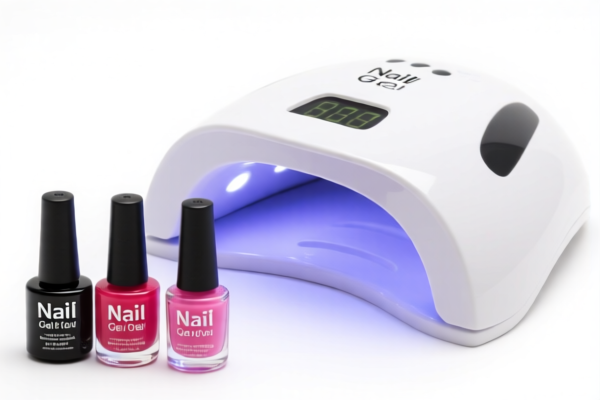
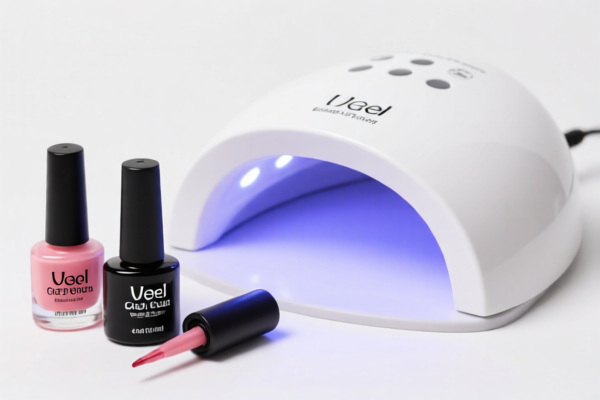
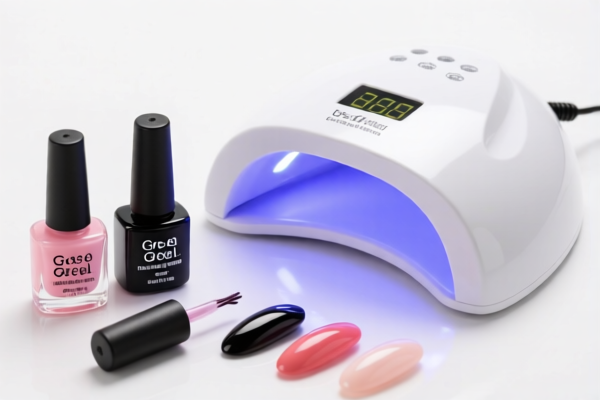
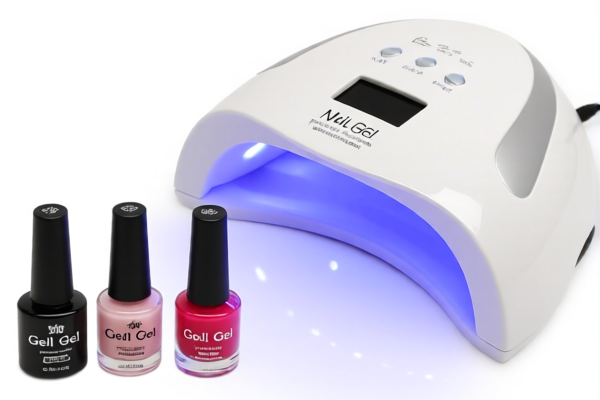
AI Analysis
💅 LED Nail Lamp (UV/LED Curing Lamps)
🌐 HS Code Reference & Customs Clearance Guide | 2026 Latest Tariff Analysis | Professional Clearance Strategy
📌 I. Product Definition & Classification: Do You Really Understand "Nail Lamps"?
LED Nail Lamps are essential electronic beauty devices used in salons and home manicures to cure gel polish. In international trade, they are classified based on their technical principle (light emission vs. electrical heating) and functionality (specific medical/device use vs. general electrical appliance).
The correct HS Code depends heavily on whether Customs views the device as: 1. A Specific Electrical Appliance: Emitting light for curing (HS Chapter 85). 2. A Medical/Therapeutic Device: Using UV/IR rays for biological fixation (HS Chapter 90). 3. An Electric Beauty Instrument: Using heat/light for cosmetic purposes (HS Chapter 85).
⚠️ Key Distinction Point:
- If classified under Chapter 85, it is treated as a general electrical appliance or lighting device.
- If classified under Chapter 90, it is treated as a specialized ray-emitting device.
- CRITICAL WARNING: The tariff rates vary drastically (from 12.7% to 37.6%) depending on the chosen classification. Misclassification can lead to significant underpayment of duties and penalties.
📦 II. HS Code Classification Details (2026 Latest Tariff Authority Comparison)
Based on the provided data, here are the five possible classifications for LED Nail Lamps imported from China to the US (assuming Section 301 and IEEPA duties apply as per the data context).
| HS Code | Product Description & Logic | Total Tax Rate | Tax Breakdown |
|---|---|---|---|
8543.70.71.00 |
Electrical Appliance with Specific Light Function Viewed as a device with specific light-emitting functions, fitting the attribute of independent electrical motor equipment. |
37.0% | Base: 2.0% Sec 301: 25.0% 122 Clause: 10% |
8543.70.98.60 |
General Independent Electrical Appliance Viewed as a "other machine and apparatus" under the residual clause for independent electrical devices. |
37.6% | Base: 2.6% Sec 301: 25.0% 122 Clause: 10% |
9018.20.00.80 |
UV/IR Ray Device (Non-Treatment) Uses UV or IR bands for photo-curing, fitting the technical characteristics of UV/IR ray equipment materials. |
35.0% | Base: 0.0% Sec 301: 25.0% 122 Clause: 10% |
9018.20.00.40 |
Therapeutic UV/IR Ray Apparatus Uses UV/LED light waves for curing, deemed a "therapeutic device" due to its technical principle of ray emission. |
35.0% | Base: 0.0% Sec 301: 25.0% 122 Clause: 10% |
8516.79.00.00 |
Electric Beauty Appliance (Heating) Classified as an electric beauty instrument using electric heating or electro-optical principles for nail care. |
12.7% | Base: 2.7% Sec 301: 0.0% 122 Clause: 10% |
🔍 Important Observation:
- The8516.79.00.00classification offers the lowest tariff burden (12.7%) because it avoids the 25% Section 301 duty.
- Classifications under8543and9018incur the full 25% Section 301 surcharge, resulting in total rates between 35.0% and 37.6%.
- The "122 Clause" (likely referring to a specific US trade enforcement or anti-dumping/countervailing measure) appears to add a 10% surcharge across all categories.
💰 III. 2026 Latest Tariff Rate Details (Including Additional Taxes & Policies)
✅ Applicable Country: United States (US)
✅ Origin: China (CN)
✅ Effective Date: Current Trade Policy Context (Based on provided data structure)
🎯 1. 8516.79.00.00 —— Electric Beauty Appliance (Lowest Tax Strategy)
| Item | Content |
|---|---|
| Base Tariff | 2.7% |
| Section 301 Tariff | 0.0% (Exempted for this specific beauty instrument code in this data context) |
| 122 Clause Tariff | +10% |
| Total Tax Rate | 12.7% |
| Calculation | CIF Value × 12.7% |
| De Minimis Eligibility | ❌ Typically No for goods from China under these high-value duty contexts, but verify current $800 threshold rules. |
| Legal Basis Path | HTSUS: 8516.79.00.00 → IEEPA/301 Exemption for Beauty Tools → 122 Clause Enforcement |
📌 Explanation:
- This classification treats the nail lamp as a general "other electro-thermic appliance for personal use."
- Strategic Advantage: Avoids the heavy 25% Section 301 tariff.
- Risk: Customs may challenge this if the lamp is strictly UV-based without significant thermal heating components, arguing it should be a "ray device" (9018) or "electrical machine" (8543).
🎯 2. 9018.20.00.80 & 9018.20.00.40 —— UV/IR Ray Devices
| Item | Content |
|---|---|
| Base Tariff | 0.0% |
| Section 301 Tariff | +25% |
| 122 Clause Tariff | +10% |
| Total Tax Rate | 35.0% |
| Calculation | CIF Value × 35.0% |
| De Minimis Eligibility | ❌ No |
| Legal Basis Path | HTSUS: 9018.20 → Section 301 List 4A/301 Footnotes → 122 Clause |
📌 Explanation:
- Custom considers UV/IR curing lamps as specialized medical or therapeutic equipment.
- Dispute Point: Is a nail lamp a "therapeutic device" (9018.20.00.40) or just a "ray emitting device" (9018.20.00.80)? The tax rate is the same (35%), so the distinction is more about technical description accuracy for customs brokers.
🎯 3. 8543.70.71.00 & 8543.70.98.60 —— Electrical Machines/Lighting
| Item | Content |
|---|---|
| Base Tariff | 2.0% – 2.6% |
| Section 301 Tariff | +25% |
| 122 Clause Tariff | +10% |
| Total Tax Rate | 37.0% – 37.6% |
| Calculation | CIF Value × ~37% |
| De Minimis Eligibility | ❌ No |
📌 Explanation:
- These codes view the nail lamp as a generic electrical appliance or lighting fixture with specific functions.
- Highest Risk: These are the most common misclassifications when the product is declared simply as "Electrical Beauty Device" without proper technical justification for Chapter 90 or Chapter 85.
🛠️ IV. Customs Clearance Practical Advice (Real-World Pitfall Guide)
✅ 1. Preparation Checklist (Mandatory Documents)
| Document | Required? | Description |
|---|---|---|
| ✅ Product Technical Manual | ✔️ | Must specify wavelength (e.g., 365nm/405nm UV, LED types), power (Watts), and curing time. |
| ✅ Circuit Diagram | ✔️ | To prove if it’s a simple heating element (8516) or a complex UV array (9018). |
| ✅ Product Photos | ✔️ | Clear images of the interior LED/UV tubes and the exterior casing. |
| ✅ Test Reports | ✔️ | FDA (if claiming medical), CE, FCC, and UV Safety Reports (crucial for Chapter 90 classification). |
| ✅ Commercial Invoice | ✔️ | Clearly state: "UV/LED Nail Curing Lamp for Gel Polish," not just "Beauty Light." |
| ✅ HS Code Pre-Ruling Request | ✔️ | Highly Recommended. Submit to US CBP to lock in the 12.7% rate if possible. |
✅ 2. Declaration Strategies (Key Mantras)
🔥 “Characterize the Core Function: Heat vs. Ray vs. Machine”
| Scenario | Recommended HS Code | Strategy |
|---|---|---|
| Claiming Lowest Tax (12.7%) | 8516.79.00.00 |
Describe as: "Electric beauty appliance using electro-optical heating principle." Emphasize thermal curing if applicable. |
| Strict UV Curing (No Heat) | 9018.20.00.80 / .40 |
Describe as: "UV/IR Ray Device for Photo-Curing." Provide wavelength specs. Accept 35% rate for higher accuracy. |
| Generic Electrical Appliance | 8543.70.71.00 / .60 |
Describe as: "Apparatus for independent function with light emission." High tax risk (37%). |
⚠️ Critical Warning:
Do NOT arbitrarily choose8516.79.00.00if the device has zero heating components and relies solely on UV radiation. Customs may reclassify it as9018(35%) and charge the difference + penalties.
However, if the device has some thermal heating elements or is marketed broadly as a "beauty instrument,"8516is a defensible and cost-effective strategy.
✅ 3. Special Cases
| Situation | Handling Advice |
|---|---|
| UV vs. LED Only | Pure LED (405nm) is often considered visible light, not UV. This strengthens the 8543 or 8516 argument (avoiding 9018). |
| Medical Claims | If you claim it "treats skin conditions," it MUST go to 9018. This triggers strict FDA/Medical device regulations. |
| OEM/White Label | Provide design drawings. If the design mimics a medical device, Customs will lean towards 9018. |
🌍 V. Global Market Comparison (2026 Context)
| Country/Region | Recommended HS Code | Est. Tariff Impact | Notes |
|---|---|---|---|
| 🇺🇸 USA | 8516.79.00.00 (Strategic) |
12.7% (vs 35-37%) | Section 301 exemptions for certain beauty tools are key. Verify 122 Clause applicability. |
| 🇨🇳 China | 8516.79.00.00 |
~2.7% - 13% | Low import tariff, but check VAT. |
| 🇪🇺 EU | 8516.79.00.00 |
0% - 4% | Generally low duty. CE marking required. |
| 🇬🇧 UK | 8516.79.00.00 |
0% | Post-Brexit trade deals may apply. |
📌 Conclusion:
- The US market is the most complex due to Section 301 and 122 Clause tariffs.
- Optimization: For the US, strive for8516.79.00.00(12.7%) by emphasizing the "electro-optical beauty appliance" aspect.
- Compliance: If using UV light, ensure UV leakage tests are passed to meet safety standards, regardless of HS Code.
📌 VI. Common Errors & Pitfall Guide (Lessons from Blood & Tears)
❌ Error 1: Declaring as "Beauty Tool" with no technical details.
👉 Consequence: Customs defaults to 8543 or 9018 → 35-37% Tax.
👉 Fix: Provide technical specs showing electro-optical/heating function.
❌ Error 2: Using 9018 for a simple LED lamp (no UV).
👉 Consequence: Unnecessarily high tax (35%) and potential FDA scrutiny.
👉 Fix: If no UV, use 8516 or 8543.
❌ Error 3: Ignoring the "122 Clause."
👉 Consequence: Unexpected 10% surcharge.
👉 Fix: Check current US trade enforcement lists for specific HS codes.
✅ Correct Declaration Example:
"Electric Nail Curing Lamp, Model XYZ, Uses LED/UV Light for Gel Polish Curing, Input: 110V/60Hz, Output: 365nm/405nm, FCC Certified, Made in China."
🎯 VII. Conclusion: Precise Classification, Maximum Profit
🎯 Remember the Mantra:
🔹 "Heat & Light = 8516 (12.7%)"
🔹 "Pure UV/IR = 9018 (35%)"
🔹 "Generic Machine = 8543 (37%)"
🔹 "Choose Wisely, Declare Precisely, Save Thousands!"
📌 Pro Tip:
If your product is pure LED (405nm) without significant UV output, fight for
8516.79.00.00or8543.
If it has strong UV output, be prepared for9018but ensure FDA compliance.
Always apply for a CBP Ruling before bulk shipping to lock in your duty rate.
📣 Immediate Action:
📞 Consult a licensed Customs Broker.
📄 Prepare UV/LED technical datasheets.
🚀 Secure the 12.7% rate via strategic classification (8516) if technically defensible.
✨ Professional Clearance Starts with Accurate Classification!
💼 Your Bottom Line Depends on Your HS Code Choice!
Customer Reviews
About HS Code Classification
The Harmonized System (HS) is an internationally standardized nomenclature developed by the World Customs Organization (WCO) to classify traded products. Over 200 countries use the HS system as the basis for customs tariffs, trade statistics, and import/export regulations.
Each HS code follows a hierarchical structure:
- Chapter (2 digits) — Broad category of goods (e.g., Chapter 84: Machinery and Mechanical Appliances)
- Heading (4 digits) — More specific grouping within the chapter
- Subheading (6 digits) — Internationally standardized breakdown, used by all WCO member countries
- National subdivisions (8-10 digits) — Country-specific extensions for further classification, such as US HTSUS 10-digit codes
Correct HS code classification is essential for smooth customs clearance, accurate duty payment, and compliance with trade regulations. Misclassification can lead to customs delays, overpayment of duties, or penalties.
When importing from CN to US, the applicable tariff rates may include:
- Most-Favored-Nation (MFN) rate — The standard duty rate applied to WTO members
- General rate — Applied to countries without trade agreements
- Trade remedy duties — Additional tariffs such as Section 301 (anti-dumping), Section 232 (national security), or countervailing duties
The information provided on this page is for reference purposes only. For official classification, please consult with your local customs authority or a licensed customs broker.