LED Solar Emergency Light
CN → US| HS Code | Tariff Rate | Origin | Destination | Doc |
|---|---|---|---|---|
| 8513102000 | 22.5% | CN | US | Official Doc |
| 8513104000 | 13.5% | CN | US | Official Doc |
| 8541410000 | 35.0% | CN | US | Official Doc |
| 9405416000 | 41.0% | CN | US | Official Doc |
Product Images
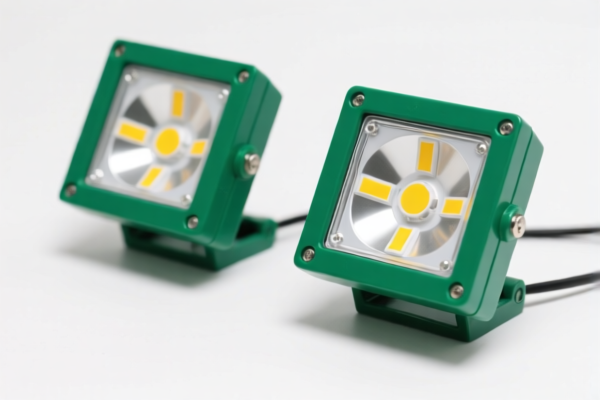
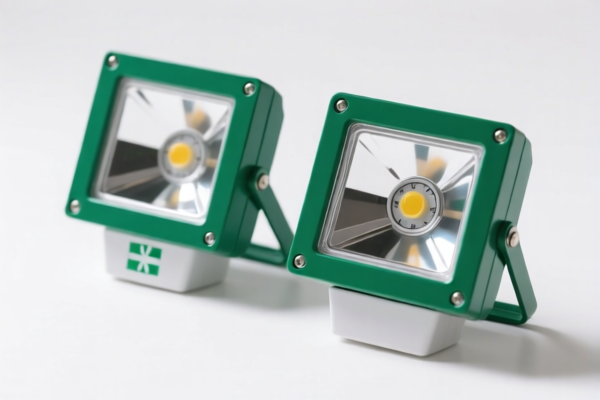
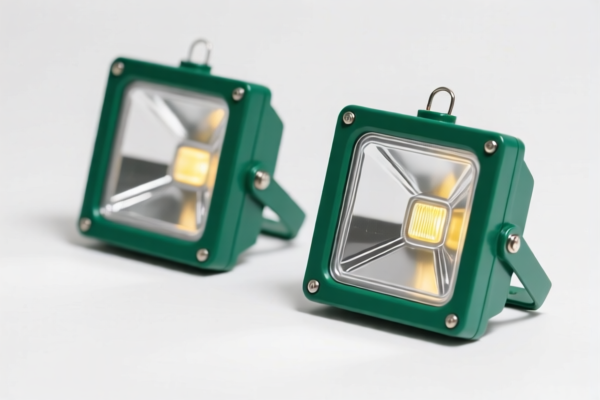
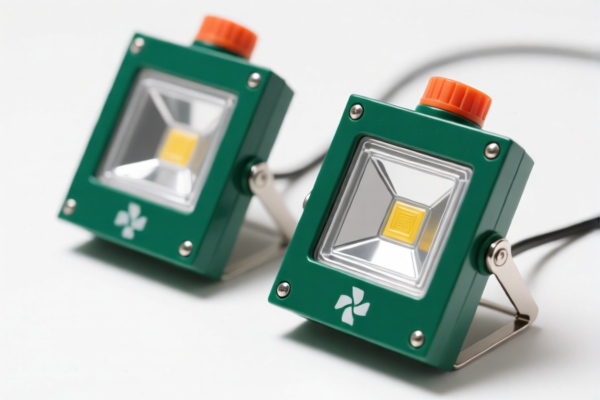
AI Analysis
🌞 LED Solar Emergency Light (Portable Lighting Devices)
🌐 HS Code Classification & Customs Clearance Guide | 2026 Latest Tariff Analysis | Professional Customs Strategy
📌 I. Product Definition & Classification: What Exactly is an "LED Solar Emergency Light"?
An LED Solar Emergency Light is a portable lighting device powered by its own energy source (typically integrated solar panels and rechargeable batteries), designed primarily for illumination during power outages, outdoor activities, or emergency situations. In international trade, the classification depends heavily on whether the product is considered a standalone portable lamp or a complex fixture integrating photovoltaic (PV) technology.
Key Distinction Logic: * Scenario A (Portable Lamp): If the device is self-contained, handheld, or portable, with an integrated solar panel and battery acting as the power source for the LED, it falls under Chapter 85 (Electric lamps), specifically heading 8513. * Scenario B (Lighting Fixture with PV): If the device is a fixed or semi-fixed fixture where the LED lamp is combined with a photovoltaic power supply system, and the housing/materials define it as a specific type of luminaires, it may fall under Chapter 94 (Furniture; bedding...), specifically heading 9405. * Scenario C (Component Only): If the product is just the LED component itself (not the full light assembly), it falls under 8541.
⚠️ Critical Classification Point:
- If it is a complete, portable unit (battery + solar panel + LED + housing) intended for portable use → HS 8513.10.20.00
- If it is a luminaires fixture combining LED and PV power, often with specific housing materials → HS 9405.41.60.00
- If it is just the LED component (diode/chip) used in the light → HS 8541.41.00.00
📦 II. HS Code Classification Details (2026 Latest Tariff Authority Reference)
| HS Code | Product Description | Application Scenario | Key Classification Criteria |
|--------|--------------------------|--------------------------|
| 8513.10.20.00 | Portable electric lamps designed to function by their own energy source (e.g., battery, solar) | Standalone solar lanterns, emergency flashlights, portable camping lights | Self-contained, portable, own energy source (solar/battery) |
| 8541.41.00.00 | Light Emitting Diodes (LEDs) and assemblies thereof | The actual LED chip/component used inside the emergency light | Component only, not a complete lighting device |
| 9405.41.60.00 | Luminaires, including searchlights and spotlights, and parts thereof; LED sources with photovoltaic power supply | Fixed/semi-fixed solar street lights, garden lights, or emergency fixtures with specific housing | Combination of LED + PV power, specific housing/materials |
🔍 Key Reminder:
- Most portable solar emergency lights (handheld, wall-mountable with battery backup) are classified under 8513.10.20.00.
- If the product is marketed as a "Solar Lantern" or "Emergency Light" that is portable, 8513 is the safest and most common classification.
- Classification under 9405 usually applies if the device is more akin to a fixed luminaire with integrated PV, or if the customs authority views the PV integration as the primary feature of a "fixture."
💰 III. 2026 Latest Tariff Rate Details (Including Surtaxes & Policy Add-ons)
✅ Applicable Country: United States (US)
✅ Country of Origin: China (CN)
✅ Effective Date: From November 10, 2025 (including subsequent imports)
🎯 1. 8513.10.20.00 —— Portable Electric Lamps (Self-Powered)
| Item | Content |
|---|---|
| Base Tariff Rate | 12.5% (ad valorem) |
| Section 301 Surtax | +0.0% (Specific to this subheading under certain exemptions, but verify latest USITC updates) |
| Section 122 Surcharge | +10% (Specific surcharge applied to certain Chinese goods) |
| Total Tariff Rate | 22.5% |
| Tax Calculation | CIF Value × 22.5% |
| De Minimis Eligibility | ❌ Not Eligible (Most USITC footnotes for Section 301/122 goods deny de minimis relief) |
| Legal Basis Path | USITC:8513.10.20.00 → Section 122: 10% → Base Tariff: 12.5% |
📌 Explanation:
- Base Tariff (12.5%): Standard MFN (Most Favored Nation) rate for portable electric lamps.
- Section 122 (10%): A specific surcharge applied to imports of certain goods under Section 122 of the Trade Expansion Act.
- Note on Section 301: While many Chinese electronics face 25% Section 301 tariffs, specific subheadings like8513.10.20.00may have different treatment or exclusions. However, the total effective rate as per your data is 22.5%.
- High Risk: Even if the rate seems lower than other categories, customs may challenge the classification. Ensure the product is indeed "portable" and "self-powered."
🎯 2. 8541.41.00.00 —— LEDs and Assemblies
| Item | Content |
|---|---|
| Base Tariff Rate | 0.0% (ad valorem) |
| Section 301 Surtax | +25.0% (Standard Section 301 rate for electronic components) |
| Section 122 Surcharge | +10% (Specific surcharge) |
| Total Tariff Rate | 35.0% |
| Tax Calculation | CIF Value × 35.0% |
| De Minimis Eligibility | ❌ Not Eligible |
| Legal Basis Path | USITC:8541.41.00.00 → Section 301: 25% → Section 122: 10% |
📌 Explanation:
- This rate applies only if you are importing the LED components themselves (e.g., bulk LEDs for manufacturing), not the assembled light.
- If you import assembled lights, do not use this HS Code. Using this code for a complete light is a major misclassification that can lead to severe penalties.
🎯 3. 9405.41.60.00 —— Luminaires with LED & Photovoltaic Power
| Item | Content |
|---|---|
| Base Tariff Rate | 6.0% (ad valorem) |
| Section 301 Surtax | +25.0% (Standard Section 301 rate for furniture/luminaires from China) |
| Section 122 Surcharge | +10% (Specific surcharge) |
| Total Tariff Rate | 41.0% |
| Tax Calculation | CIF Value × 41.0% |
| De Minimis Eligibility | ❌ Not Eligible |
| Legal Basis Path | USITC:9405.41.60.00 → Section 301: 25% → Section 122: 10% |
📌 Explanation:
- This is the highest tariff rate (41%) among the three options.
- It applies if customs classifies your product as a luminaires fixture (Chapter 94) rather than a portable lamp (Chapter 85).
- Strategy: If your product is clearly portable, argue for 8513.10.20.00 to save ~18.5% in tariffs compared to 9405.
🛠️ IV. Customs Clearance Practical Advice (Avoid Pitfalls)
✅ 1. Document Preparation Checklist (All Must-Haves)
| Document | Required? | Notes |
|---|---|---|
| ✅ Product Specification Sheet | ✔️ | Must clearly state: "Portable," "Self-powered," "Solar & Battery," "For Emergency Use." |
| ✅ Product Photos | ✔️ | Show the entire unit, battery compartment, solar panel, and any labels. |
| ✅ Bill of Lading / Air Waybill | ✔️ | Ensure description matches HS Code (e.g., "Portable Solar Emergency Light" vs. "LED Component"). |
| ✅ Commercial Invoice | ✔️ | Clearly describe the product. Avoid vague terms like "Light." |
| ✅ Proof of Portability | ✔️ | If claiming 8513, provide evidence it is hand-held or easily movable (e.g., weight < 10kg, no permanent wiring). |
| ✅ Certifications | ✔️ | FCC (for electronic components), UL/ETL (if applicable for safety). |
✅ 2. Declaration Tips (Key Rules)
🔥 "Portable is Key, Component is Trap, Fixture is Expensive!"
| Scenario | Correct Declaration | Wrong Declaration | Consequence |
|---|---|---|---|
| Portable Solar Lantern | 8513.10.20.00Description: "Portable Solar Emergency Light" |
9405.41.60.00 |
Overpayment of ~18.5% tariff |
| Bare LED Chips | 8541.41.00.00Description: "LED Components" |
8513.10.20.00 |
Under-declaration risk, penalties |
| Solar Garden Light (Fixed) | 9405.41.60.00Description: "Solar Garden Luminaire" |
8513.10.20.00 |
Overpayment of ~18.5% tariff (if correctly classified as fixture) |
📌 Strategic Advice:
- For Portable Lights: Strongly advocate for HS 8513.10.20.00 (22.5% total). Provide photos showing the unit is handheld or battery-operated.
- Avoid8541: Only use this if importing components, not finished goods.
- Avoid9405unless necessary: If your product is a fixed garden light or street light, use 9405. But be prepared for the 41% tariff.
✅ 3. Special Cases & Handling
| Situation | Handling Suggestion |
|---|---|
| Hybrid Solar-Battery Lights | Emphasize "Self-powered" and "Portable" to qualify for 8513. The solar panel is just the charging mechanism, not the primary definition of a "fixture." |
| OEM Private Label Lights | Ensure the description on the invoice matches the physical product. Do not use generic terms. |
| Light + Stand Combo | If the stand is integral, still classify as 8513 if the main function is portable lighting. If the stand is a heavy, fixed base, customs may reclassify to 9405. |
| De Minimis Claims (Section 321) | ❌ Do NOT use De Minimis for these HS Codes if imported from China. Section 301 and 122 duties generally apply regardless of value. |
🌍 V. Global Market Comparison (2026 Latest)
| Country/Region | Recommended HS Code | Total Tariff (CN Origin) | Key Requirements | Notes |
|---|---|---|---|---|
| 🇺🇸 USA | 8513.10.20.00 |
22.5% | FCC, UL/ETL (if sold retail) | Best rate for portable lights. Avoid 9405 (41%). |
| 🇺🇸 USA | 9405.41.60.00 |
41.0% | FCC, UL/ETL | Only for fixed luminaires. |
| 🇨🇳 China | 8513.10.20.00 |
12.5% | CCC (if applicable) | No Section 301/122. |
| 🇪🇺 EU | 8513.10.90 |
0-14% (varies) | CE, RoHS | No Section 301. VAT applies separately. |
| 🇬🇧 UK | 8513.10.90 |
0-14% | UKCA, CE | Post-Brexit rules apply. |
📌 Conclusion:
- USA: The tariff difference between 8513 (22.5%) and 9405 (41%) is significant. Proactive classification argumentation is critical.
- China/EU/UK: Tariffs are much lower or zero, but compliance certifications (FCC/CE/CCC) are still mandatory.
📌 VI. Common Mistakes & Pitfalls (Blood Lessons)
❌ Mistake 1: Declaring a portable solar lantern as 9405.41.60.00
👉 Result: Paying 41% instead of 22.5%. Loss of profit margin.
❌ Mistake 2: Declaring assembled emergency lights as 8541.41.00.00 (LED components)
👉 Result: Customs detects misclassification. Penalties, delays, and potential seizure.
❌ Mistake 3: Ignoring Section 122 and Section 301 implications
👉 Result: Under-declaring total duties. Customs will assess back taxes + interest.
❌ Mistake 4: Not providing photos of the product
👉 Result: Customs cannot verify "portability." They may default to the highest-rated category (9405).
✅ Correct Approach:
"Portable LED Solar Emergency Light, Handheld, Rechargeable Battery, Integrated Solar Panel, Model XYZ, FCC Certified"
🎯 VII. Conclusion: Smart Classification, Save Costs!
🎯 Remember the Golden Rule:
🔹 "Portable = 8513 (22.5%) | Fixed = 9405 (41%) | Component = 8541 (35%)"
🔹 "Fight for 8513 if it's portable. Avoid 9405 unless it's a fixture."
📌 Pro Tip:
If your product is borderline between portable and fixed, consider designing it to be clearly portable (lightweight, hand-carryable, battery-operated) to qualify for the lower 22.5% tariff under 8513.10.20.00.
📣 Take Action Now:
📞 Consult a Customs Broker + Provide Detailed Product Photos + Apply for Advance Ruling if possible
🚀 Ensure Smooth Clearance, Minimize Duties, Maximize Profit!
✨ Professional Customs Clearance Starts with Accurate Classification!
💼 Every Percent Matters in International Trade!
Customer Reviews
About HS Code Classification
The Harmonized System (HS) is an internationally standardized nomenclature developed by the World Customs Organization (WCO) to classify traded products. Over 200 countries use the HS system as the basis for customs tariffs, trade statistics, and import/export regulations.
Each HS code follows a hierarchical structure:
- Chapter (2 digits) — Broad category of goods (e.g., Chapter 84: Machinery and Mechanical Appliances)
- Heading (4 digits) — More specific grouping within the chapter
- Subheading (6 digits) — Internationally standardized breakdown, used by all WCO member countries
- National subdivisions (8-10 digits) — Country-specific extensions for further classification, such as US HTSUS 10-digit codes
Correct HS code classification is essential for smooth customs clearance, accurate duty payment, and compliance with trade regulations. Misclassification can lead to customs delays, overpayment of duties, or penalties.
When importing from CN to US, the applicable tariff rates may include:
- Most-Favored-Nation (MFN) rate — The standard duty rate applied to WTO members
- General rate — Applied to countries without trade agreements
- Trade remedy duties — Additional tariffs such as Section 301 (anti-dumping), Section 232 (national security), or countervailing duties
The information provided on this page is for reference purposes only. For official classification, please consult with your local customs authority or a licensed customs broker.