LED light emitting diode
CN → US| HS Code | Tariff Rate | Origin | Destination | Doc |
|---|---|---|---|---|
| 8542390070 | 60.0% | CN | US | Official Doc |
| 8542390090 | 60.0% | CN | US | Official Doc |
| 8541410000 | 35.0% | CN | US | Official Doc |
Product Images
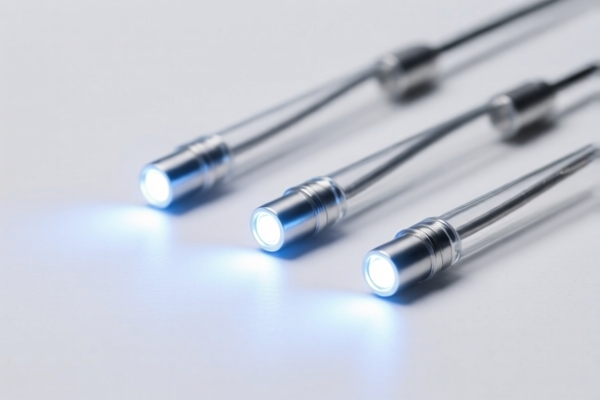
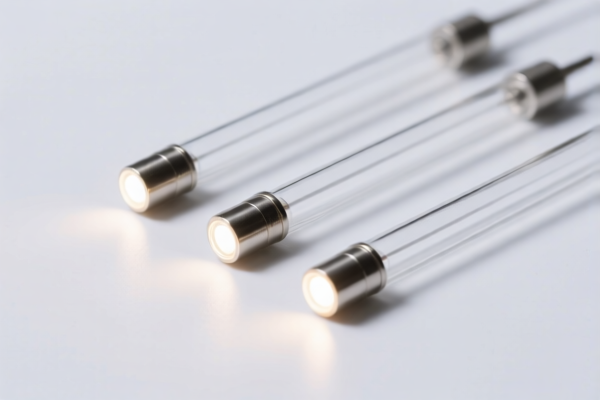
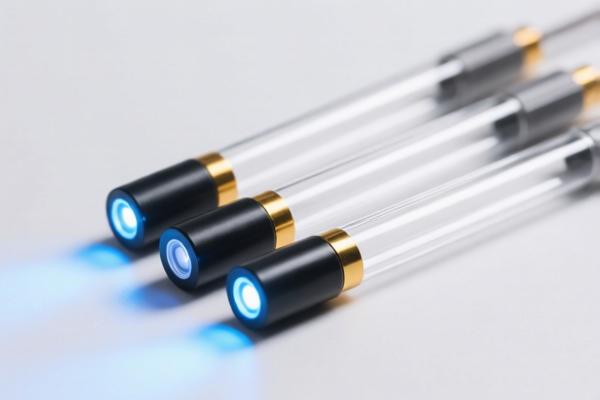
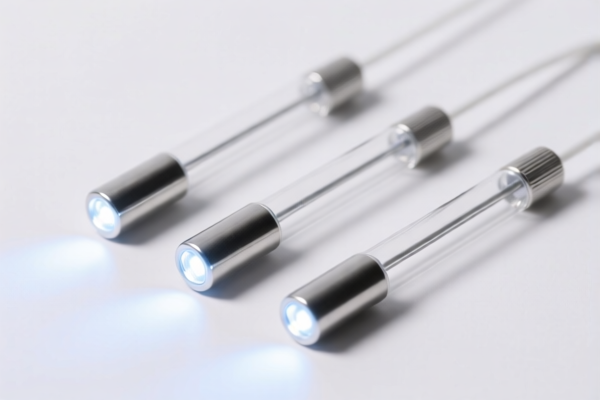
AI Analysis
💡 LED Light Emitting Diodes (LEDs)
🌐 HS Code Reference & Customs Clearance Guide | 2026 Latest Tariff Analysis | Professional Clearance Strategy
📌 I. Product Definition & Classification: Do You Really Understand "LEDs"?
Light Emitting Diodes (LEDs) are semiconductor light sources that emit light when current flows through them. In international trade, they are categorized based on their electrical function and structural integration, primarily falling under Chapter 85 (Electrical machinery and equipment).
Two Main Categories:
- Semiconductor Devices (8541): LEDs functioning as basic electronic components/diodes. This includes standard discrete LEDs used in electronics manufacturing.
- Electronic Integrated Circuits (8542): LEDs or semiconductor assemblies that have been integrated into complex circuitry or function as specialized electronic ICs.
⚠️ Key Distinction Point:
- If the product is a standalone semiconductor diode (even if grouped as "electronic ICs" in broader definitions) → Falls under 8541.41.00.00.
- If the product is classified as a generic electronic integrated circuit without specific LED optical function details in the heading → Falls under 8542.39.00.70 / 8542.39.00.90.
📦 II. HS Code Classification Details (2026 Latest Tariff Authority Comparison)
Based on the provided data, here are the three primary HS Codes for LED Light Emitting Diodes:
| HS Code | Product Description | Summary Logic | Tax Rate |
|---|---|---|---|
8542.39.00.70 |
Electronic Integrated Circuits & Semiconductor Devices | LED falls under electronic ICs/semiconductors. Functional characteristics match electronic categories. No material or form conflict. | 60.0% |
8542.39.00.90 |
Other Electronic Products (Integrated Circuits Category) | As an electronic component, it belongs to "Other Electronic Products" under the IC classification. Fits the "Other" category logic. No material conflict. | 60.0% |
8541.41.00.00 |
Light Emitting Diodes / LEDs | Core Product Name Match: The product name "Light Emitting Diode" matches the core description in the classification explanation exactly. | 35.0% |
🔍 Critical Insight:
-8541.41.00.00is the most accurate and specific code for "Light Emitting Diodes" as it directly matches the product name.
-8542.39.00.70&8542.39.00.90are broader classifications for "Electronic Integrated Circuits." While LEDs are semiconductors, if they are discrete LEDs, 8541 is preferred. If they are part of a complex IC assembly, 8542 may apply.
- Tax Difference: The specific LED code (8541) has a significantly lower tax rate (35%) compared to the broader electronic IC codes (60%). Misclassification can lead to overpayment of tariffs.
💰 III. 2026 Latest Tariff Rate Breakdown (Including Surcharge & Policy Surcharges)
✅ Applicable Country: USA (US)
✅ Origin: China (CN)
✅ Effective Date: 2025 Nov 10 (Includes subsequent imports)
🎯 1. 8542.39.00.70 —— Electronic Integrated Circuits / Semiconductor Devices
| Item | Content |
|---|---|
| Base Tariff | 0.0% (ad valorem) |
| Section 301 Surcharge | +50.0% |
| Section 122 Surcharge | +10.0% |
| Total Tax Rate | 60.0% |
| Tax Calculation | CIF Value × 60% |
| De Minimis Eligibility | ❌ Not Eligible (High risk of denial) |
| Legal Path | USITC:8542.39.00.70 → Section 301:50% → Section 122:10% |
📌 Explanation:
- This code is classified under Electronic Integrated Circuits.
- The 50% Section 301 tariff is the primary driver, plus a 10% Section 122 tariff.
- Total 60% is extremely high. This is likely a misclassification for standard discrete LEDs, which should fall under8541.41.00.00.
🎯 2. 8542.39.00.90 —— Other Electronic Products
| Item | Content |
|---|---|
| Base Tariff | 0.0% |
| Section 301 Surcharge | +50.0% |
| Section 122 Surcharge | +10.0% |
| Total Tax Rate | 60.0% |
| Tax Calculation | CIF Value × 60% |
| De Minimis Eligibility | ❌ Not Eligible |
| Legal Path | USITC:8542.39.00.90 → Section 301:50% → Section 122:10% |
📌 Note:
- Same tax structure as above.
- Applies to "Other" electronic components not specifically named.
- High Risk: If your product is clearly an LED, this code is not optimal due to higher taxes.
🎯 3. 8541.41.00.00 —— Light Emitting Diodes (LEDs)
| Item | Content |
|---|---|
| Base Tariff | 0.0% |
| Section 301 Surcharge | +25.0% |
| Section 122 Surcharge | +10.0% |
| Total Tax Rate | 35.0% |
| Tax Calculation | CIF Value × 35% |
| De Minimis Eligibility | ❌ Not Eligible |
| Legal Path | USITC:8541.41.00.00 → Section 301:25% → Section 122:10% |
📌 Explanation:
- This is the correct and specific code for "Light Emitting Diodes."
- Section 301 Surcharge is only 25% (compared to 50% for ICs).
- Section 122 Surcharge is 10%.
- Total 35% is significantly lower than the 60% for the other two codes.
- Recommendation: Use this code if the product is a standard LED component.
🛠️ IV. Customs Clearance Practical Advice (Avoid Pitfalls)
✅ 1. Document Checklist (Mandatory)
| Document | Required | Notes |
|---|---|---|
| ✅ Product Specification Sheet | ✔️ | Must include wavelength, forward voltage, current, package type |
| ✅ Circuit Diagram/Structure | ✔️ | To prove it's a discrete LED vs. an IC module |
| ✅ Product Photos (with Label) | ✔️ | Clear view of model number, brand, pin configuration |
| ✅ Third-Party Test Reports | ✔️ | RoHS, REACH, if applicable |
| ✅ Commercial Invoice | ✔️ | Clearly state "Light Emitting Diode (LED)" not "IC" |
| ✅ Certificate of Origin (CO) | ✔️ | Essential for proving Chinese origin |
| ✅ Packing List | ✔️ | Detail quantities and weights |
✅ 2. Declaration Tips (Key Mantra)
🔥 "Be Specific, Not Generic: Name it 'LED', Not 'IC'!"
| Scenario | Correct Declaration | Wrong Practice |
|---|---|---|
| Standard Discrete LED | 8541.41.00.00 (LED) |
Misdeclare as "Electronic Component" → 60% |
| LED Module (with driver) | Check if IC → 8542 if complex |
Declare as "LED" if it's an IC → Risk of audit |
| Raw LED Chips | 8541.41.00.00 |
Declare as "Semiconductor Material" → Wrong |
✅ 3. Special Cases
| Scenario | Handling Advice |
|---|---|
| OEM/Custom LEDs | Provide design specs to prove it's an LED, not an IC |
| LED Arrays/Modules | If they include control circuits, may fall under 8542. If just diodes, stay 8541 |
| High-Power LEDs | Still 8541.41.00.00 if discrete. Ensure documentation highlights "Diode" nature |
| RGB LEDs | Still 8541.41.00.00 as they are still light-emitting diodes |
🌍 V. Global Market Customs Comparison (2026 Latest)
| Country/Region | Recommended HS Code | Tariff (China Origin) | Certification | Notes |
|---|---|---|---|---|
| 🇺🇸 USA | 8541.41.00.00 |
35% (25% Sec 301 + 10% Sec 122) | FCC (if RF) | If misclassified as IC, tax jumps to 60% |
| 🇨🇳 China | 8541.41.00.00 |
5-10% (Import Duty) | CCC (if applicable) | No Section 301 |
| 🇪🇺 EU | 8541.41.00.00 |
0% (Most countries) | CE + RoHS | No surcharges |
| 🇯🇵 Japan | 8541.41.00.00 |
0-5% | PSE | Low tariffs |
📌 Conclusion:
- USA is the critical market due to Section 301 and Section 122 surcharges.
- Correct classification under8541.41.00.00saves 25% in tariffs compared to misclassification under8542.
- Always ensure the product description explicitly states "Light Emitting Diode" to justify the lower tax rate.
📌 VI. Common Mistakes & Pitfalls (Lessons Learned)
❌ Mistake 1: Classifying standard LEDs as "Electronic Integrated Circuits" (8542)
👉 Consequence: Tax rate jumps from 35% to 60%. Overpaying $25 per $100 of goods!
❌ Mistake 2: Vague description like "Electronic Component" or "Semiconductor"
👉 Consequence: Customs may audit and reclassify, leading to back taxes and penalties.
❌ Mistake 3: Ignoring Section 122 (10%)
👉 Consequence: Even if Section 301 (25%) is correct, missing the 10% Section 122 leads to underpayment and future liabilities.
❌ Mistake 4: Confusing LED modules with LED ICs
👉 Consequence: If the product has no control circuit, it's an LED (8541). If it has complex control, it's an IC (8542). Know your product!
✅ Correct Practice:
"Light Emitting Diode (LED), 5mm, Red, 20mA, Through-Hole, Model XYZ, RoHS Compliant"
🎯 VII. Conclusion: Professional Classification Saves Money!
🎯 Remember the Mantra:
🔹 "Be Specific: LED is 35%, IC is 60%!"
🔹 "Section 301: 25% for LEDs, 50% for ICs. Know the difference!"
🔹 "Section 122: 10% on all. Don't forget it!"
📌 Pro Tip:
If your LEDs are originating from Vietnam, Mexico, Thailand, or Malaysia, you may exempt from Section 301/122 tariffs, reducing the rate to 0%~5%.
Recommendation: Apply for an Advance Ruling to confirm the correct HS Code (8541.41.00.00 vs 8542.39.00.90) before shipping.
📣 Take Action Now:
📞 Contact a Professional Customs Broker + Provide Product Specs + Apply for HS Code Advance Ruling
🚀 Ensure Smooth Customs Clearance, Maximize Profits, Avoid Surprises!
✨ Professional Classification Starts with Precision!
💼 Every Percent of Tax Saved is Profit Gained!
Customer Reviews
About HS Code Classification
The Harmonized System (HS) is an internationally standardized nomenclature developed by the World Customs Organization (WCO) to classify traded products. Over 200 countries use the HS system as the basis for customs tariffs, trade statistics, and import/export regulations.
Each HS code follows a hierarchical structure:
- Chapter (2 digits) — Broad category of goods (e.g., Chapter 84: Machinery and Mechanical Appliances)
- Heading (4 digits) — More specific grouping within the chapter
- Subheading (6 digits) — Internationally standardized breakdown, used by all WCO member countries
- National subdivisions (8-10 digits) — Country-specific extensions for further classification, such as US HTSUS 10-digit codes
Correct HS code classification is essential for smooth customs clearance, accurate duty payment, and compliance with trade regulations. Misclassification can lead to customs delays, overpayment of duties, or penalties.
When importing from CN to US, the applicable tariff rates may include:
- Most-Favored-Nation (MFN) rate — The standard duty rate applied to WTO members
- General rate — Applied to countries without trade agreements
- Trade remedy duties — Additional tariffs such as Section 301 (anti-dumping), Section 232 (national security), or countervailing duties
The information provided on this page is for reference purposes only. For official classification, please consult with your local customs authority or a licensed customs broker.