LLDPE Recycled Material
CN → US| HS Code | Tariff Rate | Origin | Destination | Doc |
|---|---|---|---|---|
| 3915100000 | 35.0% | CN | US | Official Doc |
| 3915900010 | 35.0% | CN | US | Official Doc |
Product Images
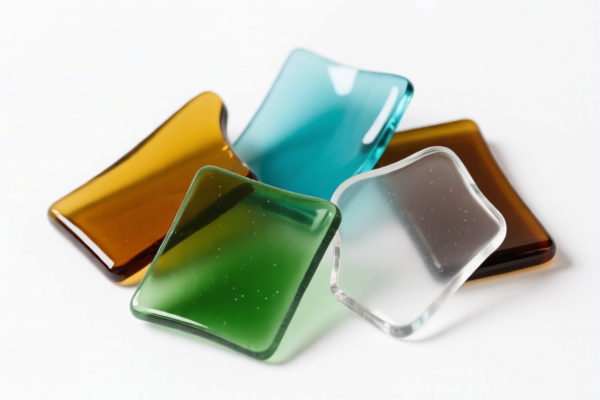
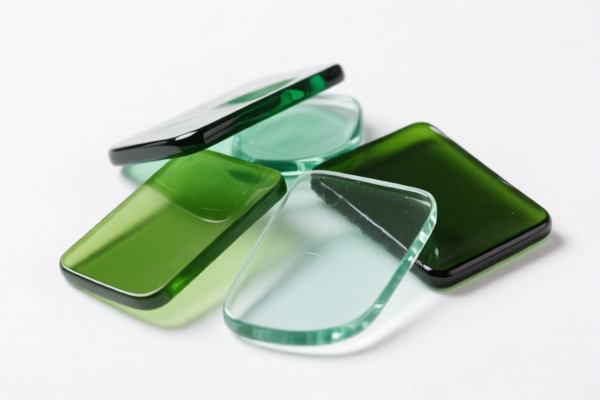
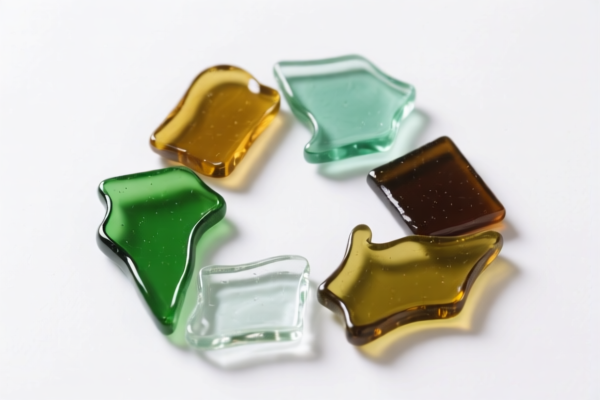
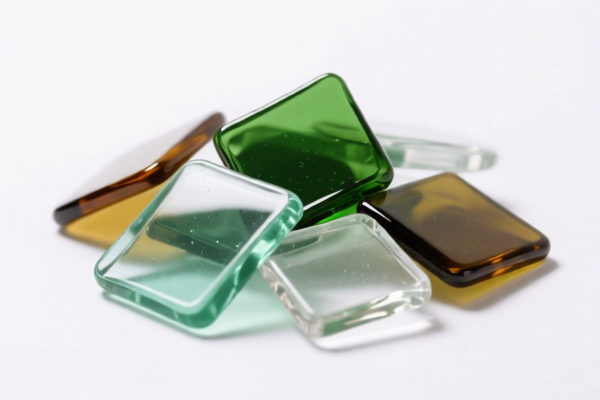
AI Analysis
🧪 LLDPE Recycled Material (Linear Low-Density Polyethylene)
🌐 HS Code Reference & Customs Clearance Guide | 2026 Latest Tariff Analysis | Professional Compliance Strategy
📌 I. Product Definition & Classification: What is "LLDPE Waste"?
Linear Low-Density Polyethylene (LLDPE) is a type of polyethylene with a large number of short branches, leading to a less crystalline structure and increased tensile strength. When recycled, it is no longer in its primary form but is classified as waste, parings, and scrap.
In international trade, "LLDPE Recycled Material" is strictly defined by its chemical composition and physical state. It must be classified under Chapter 39 (Plastics and Articles Thereof), specifically under Heading 3915 (Waste, parings, and scrap, of plastics).
⚠️ Critical Distinction:
- If the material is primary (virgin) LLDPE film or resin → It would be classified under 3901.40.00.00 (Primary forms of ethylene polymers).
- If the material is recycled (post-industrial or post-consumer waste, flakes, granules, or parings) → It MUST be classified under 3915.10.00.00 or 3915.90.00.10 depending on purity and specific polymer type.
- Key Rule: The term "Recycled" in customs declaration does not change the base heading to Chapter 3915 automatically unless it is explicitly "waste, parings, and scrap." However, for LLDPE, recycled granules are often considered "scrap" or "waste" if they are not meeting the specifications of primary products. The provided DATA specifically lists "Waste, parings and scrap."
📦 II. HS Code Classification Details (2026 Latest Tariff Authority对照)
Based on the provided , there are two specific HS Codes for plastic waste/scrap. LLDPE (Linear Low-Density Polyethylene) is a polymer of ethylene.
| HS Code | Product Description | Applicable Scenario | Polymer Base |
|---|---|---|---|
3915.10.00.00 |
Waste, parings and scrap, of plastics: Of polymers of ethylene | LLDPE scraps, HDPE/LDPE waste, recycled LLDPE flakes/granules classified as scrap | ✅ Ethylene Polymers (Includes LLDPE, LDPE, HDPE) |
3915.90.00.10 |
Waste, parings and scrap, of plastics: Of other plastics: Of polyethylene terephthalate (PET) plastics | PET bottles, PET film waste, polyester scrap | ❌ Not LLDPE (This is for PET, not PE) |
🔍 Analysis for LLDPE:
- LLDPE is a copolymer of ethylene and alpha-olefins. It falls under the broader category of "Polymers of ethylene."
- Therefore,3915.10.00.00is the correct HS Code for LLDPE waste/scrap.
-3915.90.00.10is incorrect for LLDPE as it specifically targets PET (Polyethylene Terephthalate), which is a different chemical structure.
💰 III. 2026 Latest Tariff Rate Breakdown (Detailed Tax Clauses)
✅ Applicable Country: United States (US)
✅ Origin: China (CN) (Assumed based on standard trade context for LLDPE imports, as high tariffs often apply to Chinese-origin plastics waste)
✅ Effective Time: Current Trade War Tariffs (Section 301) & IEEPA
🎯 1. 3915.10.00.00 —— Waste, parings and scrap, of plastics: Of polymers of ethylene (Includes LLDPE)
| Item | Content |
|---|---|
| Base Tariff Rate | 0.0% (Ad Valorem) |
| Section 301 Add-on Tariff | +25.0% |
| Total Tax Rate | 25.0% |
| Tax Calculation | CIF Value × 25% |
| De Minimis Exemption | ❌ Not Applicable (Valued goods over $800 are subject to inspection; lower values may still be scrutinized for waste imports) |
| Legal Basis | HTSUS 3915.10.00.00 + USITC Footnote 9903.88.01 (Section 301) |
📌 Explanation:
- The base tariff for plastic waste is generally 0% to encourage recycling.
- However, due to Section 301 tariffs against Chinese goods, an additional 25% is applied.
- Total Cost Impact: For every $10,000 of LLDPE waste imported, you must pay $2,500 in duties.
- Note on "Recycled" Status: Even if the material is 100% recycled, if it is classified as "waste/scrap" of Chinese origin, the 25% tariff applies. Recycled status does not exempt it from Section 301 tariffs unless specific exclusions are active (which are rare for raw plastic scrap).
🎯 2. 3915.90.00.10 —— PET Waste (Included for Contrast Only)
| Item | Content |
|---|---|
| Base Tariff Rate | 0.0% |
| Section 301 Add-on Tariff | +25.0% |
| Total Tax Rate | 25.0% |
| Applicability to LLDPE | ❌ Incorrect |
📌 Warning: Do not use
3915.90.00.10for LLDPE. Misclassification can lead to customs penalties, delays, and back-tariff assessments.
🛠️ IV. Customs Clearance Practical Advice (Real-World Pitfall Guide)
✅ 1. Documentation Checklist (Mandatory)
| Document | Required? | Notes |
|---|---|---|
| ✅ Commercial Invoice | ✔️ | Must clearly state "LLDPE Recycled Waste/Scrap" and HS Code 3915.10.00.00. |
| ✅ Packing List | ✔️ | Detail weight, volume, and packaging type (bales, bags). |
| ✅ Certificate of Origin | ✔️ | Essential for determining tariff eligibility. |
| ✅ Product Specification Sheet | ✔️ | Must confirm polymer type (LLDPE/Ethylene Polymer) and that it is waste/scrap (not virgin resin). |
| ✅ Environmental Compliance Docs | ✔️ | US Customs and EPA have strict rules on plastic waste. Ensure no hazardous materials are mixed in. |
| ✅ Letter of Guarantee | ✔️ | If requested, confirm the material is clean, dry, and free from contaminants. |
✅ 2. Declaration Tips (Key Mantras)
🔥 “Declare as Scrap, Not Resin; Specify LLDPE, Not General Plastic!”
| Situation | Correct Declaration | Incorrect Declaration | Consequence |
|---|---|---|---|
| LLDPE Flakes/Granules (Recycled) | 3915.10.00.00 - LLDPE Waste |
3901.40.00.00 (Virgin LLDPE) |
25% Tariff Avoided? No, but misclassification leads to penalties. If declared as virgin but is waste, EPA violations occur. |
| Mixed Plastic Waste containing LLDPE | 3915.90.90.00 (Other plastics waste) |
3915.10.00.00 |
25% Tariff + Penalties for misclassification. Must segregate if possible. |
| PET Bottles (Recycled) | 3915.90.00.10 |
3915.10.00.00 |
Incorrect HS Code → Audit risk. |
📌 Critical Note:
- Ensure the product is not contaminated with other plastics (like PP or PS) unless declared as mixed waste.
- If the LLDPE is clean, dry, and prepared for remelting, it may still be considered "scrap."
- Do not label it as "Recycled Pellets" without specifying it is "Scrap/Waste" if it doesn't meet virgin standards.
✅ 3. Special Considerations
| Scenario | Handling Advice |
|---|---|
| Mixed with Other Plastics | If LLDPE is mixed with PET, PP, etc., it may fall under 3915.90.90.00 (Other plastics waste). Ensure the dominant material is identified. |
| Contaminated Waste | If the material contains dirt, labels, or other contaminants, it may be classified as non-recyclable waste, leading to denial of entry or destruction fees. |
| EPA Regulations | The US EPA regulates the import of plastic waste. Ensure compliance with 40 CFR Part 273 (Universal Waste) or other relevant regulations to avoid seizure. |
🌍 V. Global Market Comparison (2026)
| Country/Region | Recommended HS Code | Tariff (China Origin) | Certification/Notes |
|---|---|---|---|
| 🇺🇸 USA | 3915.10.00.00 |
25% (Section 301) | EPA Waste Import Rules Apply |
| 🇨🇳 China | 3915.10.00.00 |
0% - 5% | Domestic recycling encouraged |
| 🇪🇺 EU | 3915.10.00 |
0% (if certified) | Strict Basel Convention Rules |
| 🇯🇵 Japan | 3915.10.00 |
0% | High quality standards required |
📌 Conclusion:
- The US market imposes a 25% tariff on LLDPE waste/scrap from China.
- Cost Control: Factor in the 25% duty when pricing. Consider sourcing from countries with no Section 301 tariffs (e.g., Vietnam, Mexico) if available.
- Compliance: Ensure the material is truly "scrap" and meets EPA standards to avoid rejection.
📌 VI. Common Mistakes & Pitfalls (Lessons Learned)
❌ Mistake 1: Declaring LLDPE Waste as Virgin LLDPE (3901.40.00.00)
👉 Consequence: EPA violation + Potential fraud charges. Recycled material has different environmental requirements.
❌ Mistake 2: Using 3915.90.00.10 (PET Waste) for LLDPE
👉 Consequence: Customs rejection + 25% tariff assessment + Storage fees.
❌ Mistake 3: Ignoring Contamination
👉 Consequence: Shipment held for inspection → Found contaminated → Destroyed at importer's expense.
✅ Correct Practice:
"LLDPE Recycled Waste, Clean & Dry, Polymer of Ethylene, HS 3915.10.00.00, Origin: China"
🎯 VII. Conclusion: Professional Declaration Saves Money!
🎯 Remember the Mantra:
🔹 “LLDPE = Ethylene Polymer = 3915.10”
🔹 “Recycled Waste = 25% Tariff (US/China)”
🔹 “Clean Material = Smooth Clearance”
📌 Pro Tip:
If you are importing large volumes, consider Advance Rulings from US Customs to confirm the classification.
Explore duty drawback programs if the recycled material is re-exported after processing.
📣 Immediate Action:
📞 Consult with a licensed customs broker.
📄 Prepare detailed product specs proving LLDPE composition.
🚀 Ensure your LLDPE waste clears customs smoothly and legally!
✨ Professional Customs Clearance Starts with Accurate Classification!
💼 Every Percent of Tariff Counts – Optimize Your Supply Chain Today!
Customer Reviews
About HS Code Classification
The Harmonized System (HS) is an internationally standardized nomenclature developed by the World Customs Organization (WCO) to classify traded products. Over 200 countries use the HS system as the basis for customs tariffs, trade statistics, and import/export regulations.
Each HS code follows a hierarchical structure:
- Chapter (2 digits) — Broad category of goods (e.g., Chapter 84: Machinery and Mechanical Appliances)
- Heading (4 digits) — More specific grouping within the chapter
- Subheading (6 digits) — Internationally standardized breakdown, used by all WCO member countries
- National subdivisions (8-10 digits) — Country-specific extensions for further classification, such as US HTSUS 10-digit codes
Correct HS code classification is essential for smooth customs clearance, accurate duty payment, and compliance with trade regulations. Misclassification can lead to customs delays, overpayment of duties, or penalties.
When importing from CN to US, the applicable tariff rates may include:
- Most-Favored-Nation (MFN) rate — The standard duty rate applied to WTO members
- General rate — Applied to countries without trade agreements
- Trade remedy duties — Additional tariffs such as Section 301 (anti-dumping), Section 232 (national security), or countervailing duties
The information provided on this page is for reference purposes only. For official classification, please consult with your local customs authority or a licensed customs broker.