Laboratory Plastic Colorimetric Tube
CN → US| HS Code | Tariff Rate | Origin | Destination | Doc |
|---|---|---|---|---|
| 3926909910 | 22.8% | CN | US | Official Doc |
| 3926901000 | 20.9% | CN | US | Official Doc |
| 9027504060 | 35.0% | CN | US | Official Doc |
| 9027894560 | 35.0% | CN | US | Official Doc |
Product Images
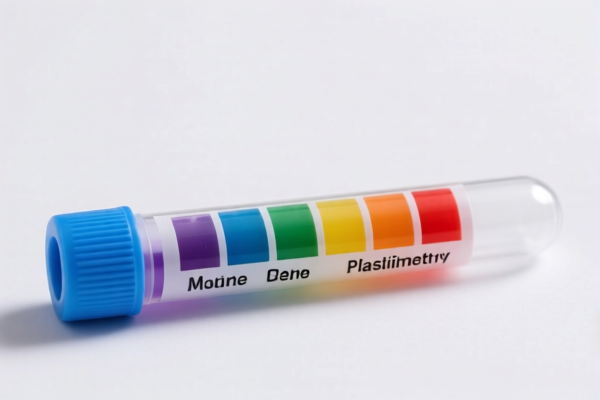
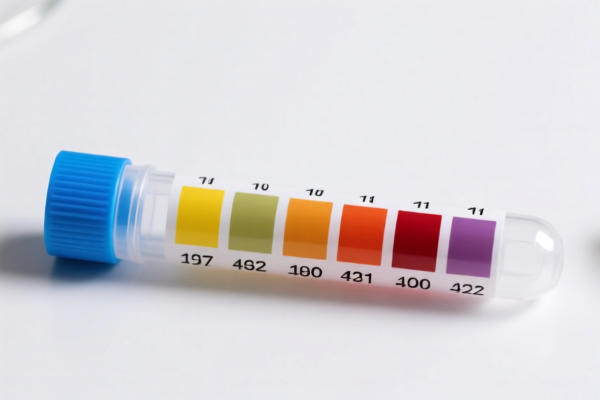
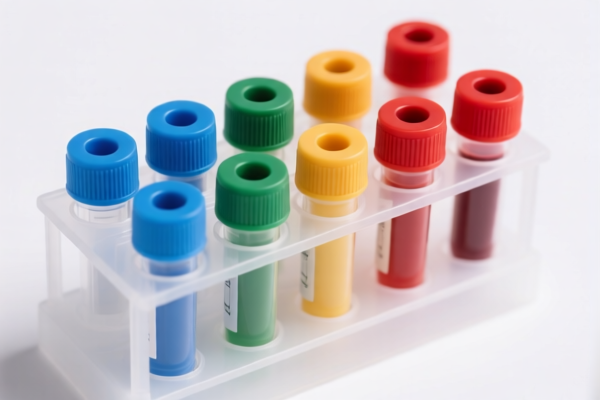
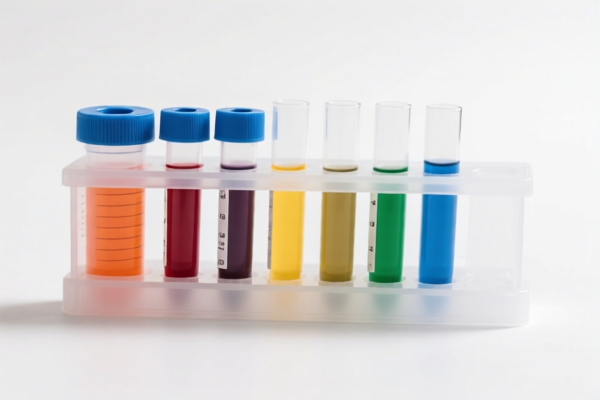
AI Analysis
🧪 Laboratorial Plastic Colorimetric Tubes (Laboratory Wares)
🌐 HS Code Reference & Clearance Guide | 2026 Latest Tariff Analysis | Professional Compliance Strategy
📌 I. Product Definition & Classification: What Exactly is a "Colorimetric Tube"?
Laboratory plastic colorimetric Tubes are essential consumables in chemical, biological, and environmental testing. In international trade, they are strictly categorized under Plastic Articles (Chapter 39), specifically as "Laboratory Ware."
⚠ Critical Distinction:
- If the item is a simple plastic tube/vial used for holding reagents or samples (without integrated electronic sensors) → Classified as Laboratory Ware (HS 3926.90).
- If the item includes electronic detection components (e.g., a holder with a built-in photometer/sensor) → Classified as Optical/Physical Analysis Instruments (HS 9027).
- Crucial Note: Pure plastic consumables do NOT fall under Chapter 90, even if used in analytical processes.
📦 II. Detailed HSCODE Classification (2026 Official Tariff Reference)
Based strictly on the provided dataset, the relevant classification for plastic laboratory colorimetric Tubes is as follows:
| HSCODE | Product Description | Applicable Scenario | Material |
|---|---|---|---|
3926.90.99.10 |
Other articles of plastics and articles of other materials of headings 3901 to 3914: Other: Other Laborator ware | Plastic test tube racks, cuvettes, sample vials, and colorimetric reaction cells/tubes made of plastic. | ✅ Plastic |
3926.90.10.00 |
Other articles of plastics and articles of other materials of headings 3901 to 3914: Other: Buckets and pails | Large plastic containers for waste or bulk storage. Not applicable for small lab vials. | ✅ Plastic |
🔍 Key Insight:
- The correct code is3926.90.99.10("Other Laborator ware").
- Do not use3926.90.10.00(Buckets/Pails) unless the item is a large industrial container.
- Do not use9027.xx.xxcodes unless the product is an instrument (electronic), not a mere plastic container.
💰 III. 2026 Latest Tariff Rate Details (US Import)
✅ Applicable Country: United States (US)
✅ Origin: China (CN) (Assumed based on typical high-tariff scenarios; verify origin)
✅ Effective Date: Current 2026 Tariff Schedule
🎯 1. 3926.90.99.10 —— Plastic Laborator Ware (e.g., Colorimetric Tubes)
| Item | Content |
|---|---|
| Base Tariff Rate | 0.0% (Most Favored Nation) |
| Section 301 Additional Tariff | 0.0% |
| Total Tariff Rate | 0.0% |
| Calculation Method | CIF Value × 0% = $0 |
| De Minimis Exemptions | ✅ YES (Subject to $800 threshold under Section 321) |
| Legal Basis | HTSUS 3926.90.99.10 |
📌 Explanation:
- Unlike electronic instruments or high-tech plastics, simple plastic laboratory consumables often enjoy 0% tariff under current US trade policies.
- Important: This rate assumes no specific anti-dumping duties or other trade remedies apply to specific chemical plastics (e.g., PP, PE, PS).
- Contrast with Electronic Instruments: If your "colorimetric tube" is actually an electronic sensor probe, it might fall under9027.50.40.60or9027.89.45.60, which carry a 25% total tariff.
⚠ Critical Warning: Don't Confuse "Tube" with "Instrument"
If the product is an electronic colorimeter device (with lenses, LEDs, and digital displays), it falls under:
| HSCODE | Description | Total Tax |
|---|---|---|
9027.50.40.60 |
Optical radiations instruments (UV, IR, Visible) | 25.0% |
9027.89.45.60 |
Other physical/ chemical analysis instruments | 25.0% |
📌 Risk:
- If you declare a plastic tube as an instrument (9027.xx), you may be flagged for misclassification.
- If you declare an electronic device as a plastic tube (3926.90), you face 25% duty evasion + fines.
- Pure Plastic Tubes = 0% Tax.
- Electronic Analyzers = 25% Tax.
🛠 IV. Clearance Operational Advice (Practical Pitfall Guide)
✅ 1. Required Documentation Checklist
| Document | Mandatory? | Notes |
|---|---|---|
| ✅ Product Spec Sheet | ✔ | Must clearly state "Plastic Colorimetric Tube/Cuvette" |
| ✅ Material Composition | ✔ | Specify plastic type (e.g., Polypropylene, Polystyrene) |
| ✅ Commercial Invoice | ✔ | Use precise description: "Plastic Lab Consumables" |
| ✅ Packing List | ✔ | Show quantity per box, total boxes |
| ✅ Origin Label | ✔ | "Made in China" or other origin country |
✅ 2. Declaration Tips (Key Mnemonic)
🔥 "Pure Plastic = 3926, Electronic = 9027. Don't mix!"
| Scenario | Correct Declaration | Wrong Declaration | Result |
|---|---|---|---|
| Plastic cuvette/tube | 3926.90.99.10 |
"Lab Instrument" | 0% Tax |
| Electronic Colorimeter | 9027.50.40.60 |
"Plastic Tube" | 25% Tax + Penalty |
| Plastic Bucket for waste | 3926.90.10.00 |
"Lab Ware" | 0% Tax (but wrong description) |
✅ 3. Special Cases
| Case | Handling Advice |
|---|---|
| Disposable Plastic Tubes | Declare as "Single-use plastic laboratory consumables." No medical device certification needed unless labeled for clinical diagnostics. |
| Reusable Quartz Glass Tubes | NOT PLASTIC. Likely falls under Chapter 70 (Glass) or Chapter 90 if instrument part. Check Chapter 70. |
| Plastic Tubes with Measurement Marks | Still "Laboratory Ware" (3926.90.99.10). Marks do not make it an instrument. |
| Bulk vs. Retail | Bulk packaging may require additional customs bond if value exceeds threshold. |
🌍 V. Global Market Comparison (2026 Latest)
| Country/Region | Recommended HSCODE | Tariff | Certification | Notes |
|---|---|---|---|---|
| 🇺🇸 USA | 3926.90.99.10 |
0.0% | None required | No 301 tariff for this subheading |
| 🇪🇺 EU | 3926.90.97 |
~5-6.5% | REACH Compliance | General plastic articles |
| 🇨🇳 China | 3926.90.90 |
Varies | N/A | Import duty may apply |
| 🇬🇧 UK | 3926.90.90 |
4.7% | UKCA Marking (if applicable) | Post-Brexit tariff structure |
📌 Conclusion:
- USA offers 0% tariff for plastic laboratory ware, making it highly competitive.
- Ensure the product is strictly plastic. Any electronic integration changes the code and increases tax to 25%.
📌 VI. Common Errors & Pitfall Guide (Lessons Learned)
❌ Error 1: Labeling plastic test cups as "Lab Equipment"
👉 Consequence: Customs may misclassify as 9027.xx, leading to 25% tax assessment.
👉 Fix: Use clear terms: "Plastic Colorimetric Tube/Cuvette."
❌ Error 2: Confusing "Colorimetric Tube" with "Test Kit"
👉 Consequence: Test kits (with chemicals) may have different classifications.
👉 Fix: Declare only the plastic component if sold separately.
❌ Error 3: Using "Bucket" code for small vials
👉 Consequence: 3926.90.10.00 is for buckets/pails. Using it for small vials is incorrect description.
👉 Fix: Use 3926.90.99.10 ("Other Laborator ware").
✅ Best Practice:
"Polypropylene Colorimetric Tube, Disposable, 15ml, Clear, Non-Sterile"
🎯 VII. Conclusion: Professional Declaration, Zero Duty, Fast Clearance!
🎯 Remember the Mnemonic:
🔹 "Plastic Tube = 3926, 0% Duty. Electronic Device = 9027, 25% Duty. Don't Mix!"
🔹 "HS Code Determines Cost, 0% is Best, Accuracy is Key!"
📌 Pro Tip:
If your product is a simple plastic tube, ensure the invoice clearly states "Plastic" and "Laboratory Consumable." Avoid words like "Analyzer," "Tester," or "Instrument" unless it is truly electronic. This ensures smooth clearance under 3926.90.99.10 with 0% tariff.
📣 Immediate Action:
📞 Verify Material Composition
📄 Draft Invoice with "Plastic Colorimetric Tube"
🚀 Clear Customs Efficiently, Save 25% Tax, Maximize Profit!
✨ Professional Customs Clearance Starts with Accurate Classification!
💼 Your Every Dollar Saved is Well-Calcuated!
Customer Reviews
About HS Code Classification
The Harmonized System (HS) is an internationally standardized nomenclature developed by the World Customs Organization (WCO) to classify traded products. Over 200 countries use the HS system as the basis for customs tariffs, trade statistics, and import/export regulations.
Each HS code follows a hierarchical structure:
- Chapter (2 digits) — Broad category of goods (e.g., Chapter 84: Machinery and Mechanical Appliances)
- Heading (4 digits) — More specific grouping within the chapter
- Subheading (6 digits) — Internationally standardized breakdown, used by all WCO member countries
- National subdivisions (8-10 digits) — Country-specific extensions for further classification, such as US HTSUS 10-digit codes
Correct HS code classification is essential for smooth customs clearance, accurate duty payment, and compliance with trade regulations. Misclassification can lead to customs delays, overpayment of duties, or penalties.
When importing from CN to US, the applicable tariff rates may include:
- Most-Favored-Nation (MFN) rate — The standard duty rate applied to WTO members
- General rate — Applied to countries without trade agreements
- Trade remedy duties — Additional tariffs such as Section 301 (anti-dumping), Section 232 (national security), or countervailing duties
The information provided on this page is for reference purposes only. For official classification, please consult with your local customs authority or a licensed customs broker.