Laboratory Shoe Covers
CN → US| HS Code | Tariff Rate | Origin | Destination | Doc |
|---|---|---|---|---|
| 6217909095 | 32.1% | CN | US | Official Doc |
| 6217909085 | 32.1% | CN | US | Official Doc |
| 3926201020 | 10.0% | CN | US | Official Doc |
| 6402915020 | 47.5% | CN | US | Official Doc |
Product Images
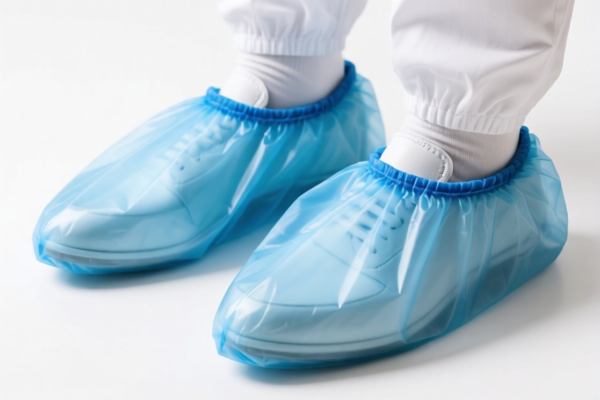
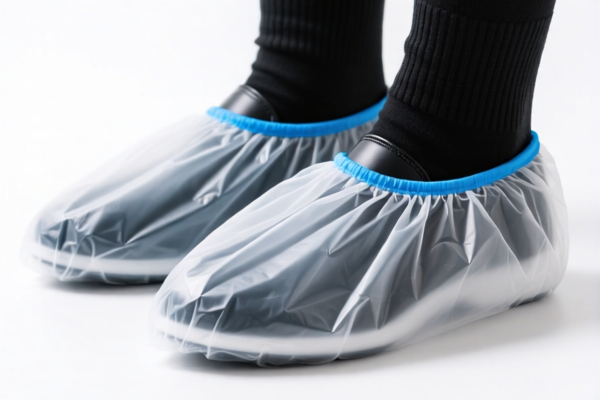
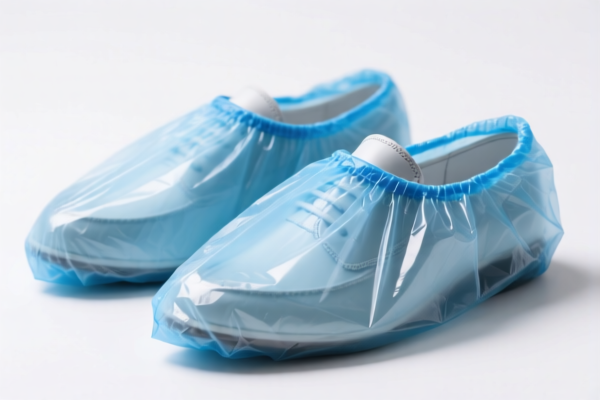
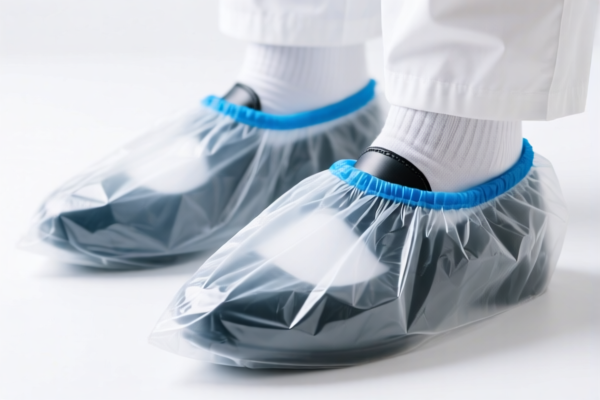
AI Analysis
👟 Laboratory Shoe Covers (Anti-Static)
🌐 HS Code Reference & Customs Clearance Guide | 2026 Latest Tariff Analysis | Professional Clearance Strategy
📌 I. Product Definition & Classification: What Are "Laboratory Shoe Covers"?
Laboratory Shoe Covers are protective foot garments designed to prevent contamination in cleanrooms, laboratories, and controlled environments. They are typically worn over regular shoes. Key characteristics include:
- Material: Usually made of plastic (polyethylene/PP), rubber, or synthetic fibers.
- Function: Anti-static, dust-proof, fluid-resistant.
- Usage: Non-medical, industrial, or laboratory safety gear.
- Form: Disposable or semi-disposable slip-on covers.
⚠️ Critical Classification Distinction:
- If the cover is primarily textile/fabric-based (even if treated for static control) → It is classified as an Accessory of Clothing (Chapter 62).
- If the cover is primarily plastic/rubber (non-textile, often disposable) → It is classified as an Article of Plastics/Rubber (Chapter 39 or 64).
- Misclassification Risk: Declaring plastic covers as textile accessories (or vice versa) can lead to significant tariff differences and customs delays.
📦 II. HS Code Classification Details (2026 Latest Tariff Authority对照)
| HS Code | Product Description | Material/Feature | Total Tax Rate (US Import from CN) | Key Tax Components |
|---|---|---|---|---|
6217.90.90.95 |
Laboratory Anti-Static Shoe Covers (Textile/Fiber-Based) | Plastic, rubber, or artificial fiber trim/accessory; classified as a part/accessory of clothing. | 32.1% | Base: 14.6% + Section 301: 7.5% + Section 122: 10% |
6217.90.90.85 |
Other Made-Up Clothing Accessories (Artificial Fiber) | Artificial fiber material; other accessories not elsewhere specified. | 32.1% | Base: 14.6% + Section 301: 7.5% + Section 122: 10% |
3926.20.10.20 |
Plastic Articles for Clothing (Disposable Plastic Shoe Covers) | Plastic material; non-medical, disposable type. | 10.0% | Base: 0.0% + Section 301: 0.0% + Section 122: 10% |
6402.91.50.20 |
Other Footwear with Outer Soles of Plastic/Rubber | Plastic or synthetic rubber; covers shoes, classified as footwear. | 47.5% | Base: 37.5% + Section 301: 0.0% + Section 122: 10% |
🔍 Key Insight:
- Cheapest Option:3926.20.10.20(Plastic Articles) has the lowest total duty (10%) because it benefits from a 0% base and 0% Section 301 rate.
- Most Expensive Option:6402.91.50.20(Footwear) has the highest duty (47.5%) due to a high base rate (37.5%).
- Middle Ground:6217.90.90.xx(Clothing Accessories) carries a moderate duty (32.1%).
💰 III. 2026 Latest Tariff Rate Breakdown (Including Surcharges)
✅ Applicable Country: United States (US)
✅ Country of Origin: China (CN)
✅ Effective Date: From November 10, 2025 (and subsequent imports)
🎯 1. 3926.20.10.20 —— Plastic Articles for Clothing (Plastic Shoe Covers)
| Item | Details |
|---|---|
| Base Duty Rate | 0.0% |
| USITC Surcharge (Section 301) | 0.0% |
| IEEPA Surcharge (Section 122) | 10.0% |
| Total Tax Rate | 10.0% |
| Tax Calculation | CIF Value × 10% |
| De Minimis Exemption | ❌ Not Applicable (Usually subject to standard entry requirements for consumer goods) |
| Legal Basis | USITC:3926.20.10.20 → FOOTNOTE:122 |
📌 Explanation:
- This is the most cost-effective classification for disposable plastic shoe covers.
- Since the base duty is 0% and Section 301 (25% or 7.5% depending on product list) does not apply to this specific plastic article subheading, only the Section 122 tariff (10%) applies.
- Crucial: Must be clearly described as "Plastic" and "Non-Medical" to avoid misclassification as footwear or medical PPE.
🎯 2. 6217.90.90.95 & 6217.90.90.85 —— Clothing Accessories (Textile/Synthetic Fiber Covers)
| Item | Details |
|---|---|
| Base Duty Rate | 14.6% |
| USITC Surcharge (Section 301) | 7.5% |
| IEEPA Surcharge (Section 122) | 10.0% |
| Total Tax Rate | 32.1% |
| Tax Calculation | CIF Value × 32.1% |
| De Minimis Exemption | ❌ Not Applicable |
| Legal Basis | USITC:6217.90.90.xx → FOOTNOTE:301 & FOOTNOTE:122 |
📌 Explanation:
- If the shoe covers are made of non-woven fabric (SMS, PP spunbond), they are often classified under Chapter 62 as clothing accessories.
- These attract both the standard Section 301 duty (7.5%) and the Section 122 duty (10%) on top of the base duty (14.6%).
- Higher Cost: This classification is significantly more expensive than the plastic alternative.
🎯 3. 6402.91.50.20 —— Footwear (Rubber/Plastic Shoe Covers)
| Item | Details |
|---|---|
| Base Duty Rate | 37.5% |
| USITC Surcharge (Section 301) | 0.0% |
| IEEPA Surcharge (Section 122) | 10.0% |
| Total Tax Rate | 47.5% |
| Tax Calculation | CIF Value × 47.5% |
| De Minimis Exemption | ❌ Not Applicable |
| Legal Basis | USITC:6402.91.50.20 → FOOTNOTE:122 |
📌 Explanation:
- If the shoe covers are thick, durable, and structurally similar to shoes (even if they are slip-on covers), Customs may classify them as footwear.
- Highest Risk: This classification results in the highest total duty (47.5%).
- Warning: Avoid this classification unless the product is explicitly designed as a durable, reusable shoe replacement rather than a disposable cover.
🛠️ IV. Customs Clearance Practical Advice (Battle-Tested Pitfall Guide)
✅ 1. Required Documentation Checklist (Mandatory)
| Document | Must Provide | Description |
|---|---|---|
| ✅ Product Specification Sheet | ✔️ | Material composition (e.g., 100% PE, PP Spunbond), thickness, size. |
| ✅ Product Photos | ✔️ | Clear images showing the item worn over a shoe, highlighting material texture (plastic vs. fabric). |
| ✅ Commercial Invoice | ✔️ | Must specify: "Anti-Static Laboratory Shoe Covers, Plastic/Material Type, Non-Medical." |
| ✅ Packing List | ✔️ | Net/Gross weight, number of pieces per carton. |
| ✅ HS Code Pre-Ruling (Optional but Recommended) | ✔️ | To confirm classification between Chapter 39 (Plastic) and Chapter 62 (Textile). |
✅ 2. Declaration Tips (Key Mantras)
🔥 "Material Defines Code, Plastic Saves Money!"
| Scenario | Correct Declaration | Wrong Declaration | Consequence |
|---|---|---|---|
| Disposable Plastic Covers | 3926.20.10.20 |
"Textile Shoe Covers" | Pay 32.1% instead of 10% ❌ |
| Non-Woven Fabric Covers | 6217.90.90.95 |
"Plastic Shoe Covers" | Potential audit, possible reclassification to 6402 (47.5%) ❌ |
| Reusable Rubber Covers | 6402.91.50.20 |
"Clothing Accessory" | Pay 47.5% instead of 32.1% ❌ |
| Medical Isolation Gowns + Covers | Separate lines | Combined as "Medical Set" | May trigger FDA/CDC scrutiny if not certified ❌ |
✅ 3. Special Handling
| Situation | Handling Advice |
|---|---|
| OEM/Private Label | Provide contract + design specs to prove material origin. |
| Mixed Packaging (Plastic + Fabric) | Declare separately based on material. Do not mix HS codes in one line item. |
| "Anti-Static" Feature | This is a functional description. It does not change the HS code. Focus on material (Plastic vs. Fabric). |
| Non-Medical Claim | Explicitly state "Not for Medical Use" to avoid FDA regulation delays. |
🌍 V. Global Market Comparison (2026 Latest)
| Country/Region | Recommended HS Code | Duty Rate | Certification | Notes |
|---|---|---|---|---|
| 🇺🇸 USA | 3926.20.10.20 |
10% | None | Best for plastic covers. |
| 🇺🇸 USA | 6217.90.90.95 |
32.1% | None | For fabric/SMS covers. |
| 🇨🇳 China | 6217.90.90.95 |
~14.6% | None | Base duty applies. |
| 🇪🇺 EU | 6217.90.90 |
12% | CE (if applicable) | No Section 122/301 equivalent. |
| 🇦🇺 Australia | 6217.90.90 |
5% | None | Favorable for textiles. |
📌 Conclusion:
- USA: Prioritize3926.20.10.20for plastic covers to save 22.1% vs. textile classification.
- Global: Textile-based covers (6217) generally face moderate duties worldwide, while plastic (3926) varies.
📌 VI. Common Mistakes & Pitfall Guide (Lessons Learned)
❌ Mistake 1: Declaring plastic shoe covers as "Textile Accessories"
👉 Result: Pay 32.1% instead of 10%. Overpay $22.1 per $100.
❌ Mistake 2: Declaring disposable plastic covers as "Footwear"
👉 Result: Pay 47.5%. Overpay $37.5 per $100.
❌ Mistake 3: Vague Description "Shoe Covers"
👉 Result: Customs officer chooses the highest duty rate or delays clearance for inspection.
👉 Fix: Specify "Disposable Plastic Anti-Static Laboratory Shoe Covers."
❌ Mistake 4: Ignoring "Non-Medical" Status
👉 Result: FDA review if perceived as medical PPE.
👉 Fix: Clearly label as "Industrial/Laboratory Use Only."
✅ Correct Practice:
"Disposable Anti-Static Laboratory Shoe Covers, 100% Polyethylene, Non-Medical, Blue, Size L"
🎯 VII. Conclusion: Smart Classification, Save Money, Clear Fast!
🎯 Remember the Mantra:
🔹 "Plastic is Cheap (10%), Fabric is Medium (32%), Footwear is Expensive (47%)."
🔹 "Material Matters More Than Function in HS Codes!"
📌 Pro Tip:
If you are importing large volumes, consider applying for a Customs Ruling to lock in the 3926.20.10.20 classification for your specific product specifications. This avoids future disputes and ensures consistent 10% duty rates.
📣 Immediate Action:
📞 Consult with a licensed customs broker + Provide material samples + Apply for Pre-Ruling
🚀 Ensure your Lab Shoe Covers pass US Customs smoothly, efficiently, and profitably!
✨ Professional Customs Clearance Starts with Accurate Classification!
💼 Every Cent Saved is a Cent Earned!
Customer Reviews
About HS Code Classification
The Harmonized System (HS) is an internationally standardized nomenclature developed by the World Customs Organization (WCO) to classify traded products. Over 200 countries use the HS system as the basis for customs tariffs, trade statistics, and import/export regulations.
Each HS code follows a hierarchical structure:
- Chapter (2 digits) — Broad category of goods (e.g., Chapter 84: Machinery and Mechanical Appliances)
- Heading (4 digits) — More specific grouping within the chapter
- Subheading (6 digits) — Internationally standardized breakdown, used by all WCO member countries
- National subdivisions (8-10 digits) — Country-specific extensions for further classification, such as US HTSUS 10-digit codes
Correct HS code classification is essential for smooth customs clearance, accurate duty payment, and compliance with trade regulations. Misclassification can lead to customs delays, overpayment of duties, or penalties.
When importing from CN to US, the applicable tariff rates may include:
- Most-Favored-Nation (MFN) rate — The standard duty rate applied to WTO members
- General rate — Applied to countries without trade agreements
- Trade remedy duties — Additional tariffs such as Section 301 (anti-dumping), Section 232 (national security), or countervailing duties
The information provided on this page is for reference purposes only. For official classification, please consult with your local customs authority or a licensed customs broker.