Lace Fan
CN → US| HS Code | Tariff Rate | Origin | Destination | Doc |
|---|---|---|---|---|
| 4602900000 | 38.5% | CN | US | Official Doc |
| 4602198000 | 37.3% | CN | US | Official Doc |
| 6307909891 | 24.5% | CN | US | Official Doc |
| 6307903020 | 25.4% | CN | US | Official Doc |
Product Images
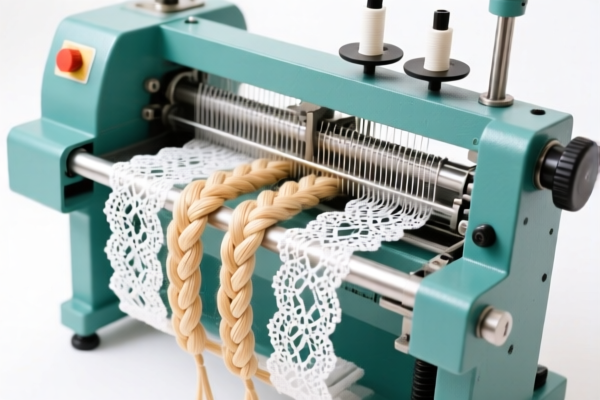
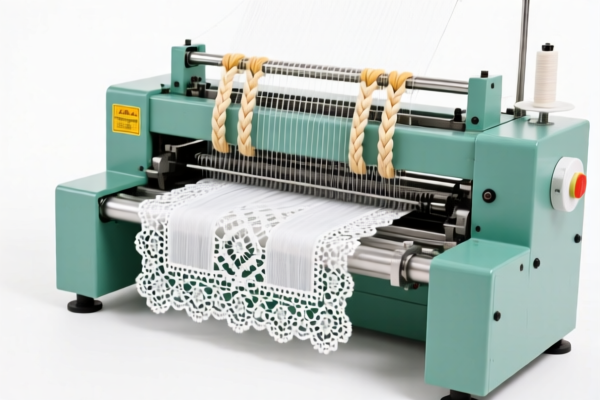
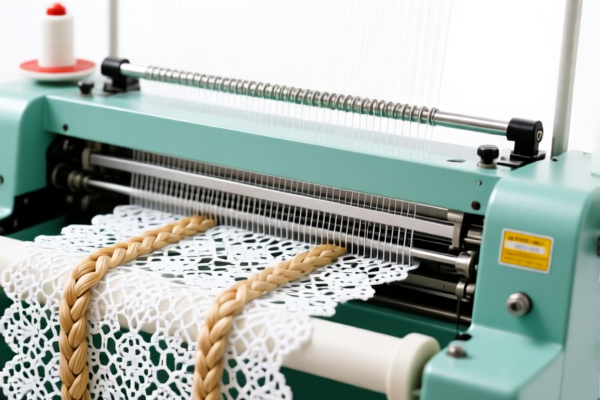
AI Analysis
🎀 Lace Fan (Hand-held or Decorative Fans with Lace Details)
🌐 HS Code Reference & Customs Clearance Guide | 2026 Latest Tariff Analysis | Professional Clearance Strategy 📌 I. Product Definition and Classification: Do You Really Understand "Lace Fans"?
A "Lace Fan" is not a single standardized commodity. In international trade, its classification depends entirely on what it is made of and its primary function. The term "Lace" usually implies the material (textile or plaiting material) or the design pattern. Without a specific material declaration, the HS Code can vary drastically, leading to significant tariff differences.
International trade generally categorizes fans into two main groups: 1. Textile/Lace Fans: Fans made primarily of lace fabric, silk, or cloth. These fall under Chapter 63 (Made-up textile articles). 2. Craft/Plaiting Material Fans: Fans made from woven materials (like wicker, rattan, bamboo, or straw) often featuring lace-like patterns or decorative plaiting. These fall under Chapter 46 (Basketwork and wickerwork).
⚠️ Key Distinction Point: - If the fan is primarily fabric/lace/silk with a wooden or plastic handle → Chapter 63. - If the fan is primarily woven vegetable material (bamboo, straw, rattan) → Chapter 46.
📦 II. HS Code Classification Details (Based on Provided Data)
Note: The following HS Codes are derived strictly from the provided <DATA> and <TAX> content.
| HS Code | Product Description | Applicable Scenario | Material/Composition |
|---|---|---|---|
6307.90.98.91 |
Other made up articles, including dress patterns: Other: Other: Other: Other | Textile/Lace Fans: Fans made of lace fabric, silk, or cotton. Often used as fashion accessories or decorative items. | ✅ Textile/Lace Material |
6307.90.30.20 |
Other made up articles, including dress patterns: Other: Labels Other | Not Applicable for Fans: This code is explicitly for "Labels". Unless the "lace" is merely a tag attached to a fan, do not use this code for the fan itself. | ❌ Label Only |
4602.19.80.00 |
Basketwork, wickerwork and other articles... Of vegetable materials: Other: Other: Other: Other | Plaited/Fiber Fans: Fans made from woven vegetable materials (e.g., bamboo weaving, straw, rattan) that resemble lace or have intricate plaiting. | ✅ Vegetable/Plaiting Material |
4602.90.00.00 |
Basketwork, wickerwork and other articles... Other | Other Craft Fans: Fans made from plaiting materials that do not fit the specific "vegetable materials" sub-category, or other non-vegetable plaiting materials (e.g., synthetic fibers woven in a basketwork style). | ✅ Other Plaiting Materials |
🔍 Critical Reminder: - "Lace" as Fabric: If the fan is made of traditional lace fabric (netting with patterns), it must be classified under 6307. It is considered a "made-up textile article." - "Lace" as Pattern: If the fan is woven from straw or bamboo in a "lace-like" pattern, it is a basketwork/plaiting article → 4602. - Do NOT use
6307.90.30.20for the fan itself. This code is for labels. Using it for a fan will likely result in a customs query or penalty for incorrect classification.
💰 III. 2026 Latest Tariff Rate Details
✅ Applicable Market: United States (US) ✅ Origin: China (CN) ✅ Effective Date: Current rates apply.
🎯 1. 6307.90.98.91 —— Textile/Lace Fans (Fabric)
| Item | Content |
|---|---|
| Base Tariff | 7.0% (ad valorem) |
| Additional Tariff (Section 301) | +7.5% |
| Total Tariff Rate | 14.5% |
| Tax Calculation | CIF Value × 14.5% |
| De Minimis Exemption | ❌ Not Eligible (Subject to high duties) |
📌 Explanation: - This is the most likely code for a fashion lace hand fan (e.g., bridal accessory, decorative textile fan). - The total duty of 14.5% is moderate but significant. Ensure the description clearly states "Textile Fan" or "Lace Fan, Fabric."
🎯 2. 4602.19.80.00 —— Vegetable Material Plaited Fans (Bamboo/Straw)
| Item | Content |
|---|---|
| Base Tariff | 0.0% |
| Additional Tariff | 0.0% |
| Total Tariff Rate | 0.0% |
| Tax Calculation | CIF Value × 0% |
| De Minimis Exemption | ✅ Eligible (if value <$800, though duties are 0% anyway) |
📌 Explanation: - If your "lace fan" is actually a woven bamboo or straw fan (common in Asian markets), this is the best-case scenario. - 0% Duty makes it highly competitive. - Key Condition: Must be clearly declared as "Made of vegetable materials" (e.g., bamboo, palm leaf, straw) and not fabric.
🎯 3. 4602.90.00.00 —— Other Plaiting Material Fans
| Item | Content |
|---|---|
| Base Tariff | 3.5% |
| Additional Tariff (Section 301) | +25.0% |
| Total Tariff Rate | 28.5% |
| Tax Calculation | CIF Value × 28.5% |
| De Minimis Exemption | ❌ Not Eligible |
📌 Explanation: - Used for fans made from non-vegetable plaiting materials (e.g., synthetic wicker, plastic strips woven like basketry). - High duty of 28.5% due to Section 301 tariffs. Avoid this classification if possible by proving the material is vegetable-based (
4602.19.80.00).
🎯 4. 6307.90.30.20 —— Labels (Reference Only)
| Item | Content |
|---|---|
| Base Tariff | 0.0% |
| Additional Tariff | 0.0% |
| Total Tariff Rate | 0.0% |
📌 Note: This code is for Labels. Do not use this for the fan. If you ship a label separately, it may qualify, but the fan itself must be declared under its correct code.
🛠️ IV. Customs Clearance Practical Advice (Avoiding Pitfalls)
✅ 1. Required Documents Checklist
| Document | Mandatory | Description |
|---|---|---|
| ✅ Product Photos | ✔️ | Clear images showing the material. Is it fabric? Or woven straw/bamboo? |
| ✅ Material Declaration | ✔️ | Explicitly state: "100% Cotton Lace" OR "100% Bamboo Fiber." |
| ✅ Commercial Invoice | ✔️ | Describe as "Lace Hand Fan, Textile" or "Bamboo Woven Fan, Vegetable Material". |
| ✅ Packing List | ✔️ | Detail quantity and weight. |
✅ 2. Classification Strategy (Key Tips)
| Scenario | Correct HS Code | Incorrect HS Code | Consequence |
|---|---|---|---|
| Fan made of lace fabric | 6307.90.98.91 (14.5%) |
4602... |
Penalty: Customs will reclassify, fine for false declaration. |
| Fan made of woven bamboo | 4602.19.80.00 (0%) |
6307... |
Underpayment: You may be asked to pay back duties + interest. |
| Fan with plastic handles | Depends on primary material | Split declaration | Delay: Customs will investigate the main component. |
🔥 "Material is King, Label is Not!" - If the fan is fabric, use 6307. - If the fan is woven plant material, use 4602.19.80.00 for 0% duty. - Never declare a fan as "Labels" (
6307.90.30.20) unless it is just a tag.
✅ 3. Special Case Handling
| Situation | Recommendation |
|---|---|
| "Lace" is just a trim | If the fan body is plastic or metal, it may fall under other chapters (e.g., 9503 for toys). But based on the provided data, assume textile or plaiting. |
| Mixed Materials | If a fan has a bamboo frame and lace panel, determine the essential character. Usually, the decorative part (lace) or the structural part (bamboo) dictates classification. Consult a broker. |
| Gift Sets | If the fan is part of a gift set, the entire set may be classified under the principal item. |
🌍 V. Global Market Comparison (Based on Provided Data)
| Country/Region | Recommended HS Code | Tariff Rate | Notes |
|---|---|---|---|
| 🇺🇸 USA | 6307.90.98.91 |
14.5% | For fabric lace fans. |
| 🇺🇸 USA | 4602.19.80.00 |
0.0% | For bamboo/straw woven fans. Best for Duty Savings! |
| 🇨🇳 China | 6307.90.98.91 |
Varies | Import duties may differ. |
📌 Conclusion: - If you are exporting "Lace Fans" from China to the US: - If they are fabric, expect 14.5% duty. - If they are woven bamboo/straw (often mistaken for lace due to pattern), declare as
4602.19.80.00for 0% duty. This is a critical cost-saving opportunity.
📌 VI. Common Mistakes & Pitfalls (Lessons Learned)
❌ Mistake 1: Declaring a bamboo woven fan as 6307 (Textile)
👉 Consequence: Overpaying 14.5% instead of 0%.
❌ Mistake 2: Declaring a fabric lace fan as 4602 (Plaiting)
👉 Consequence: Customs rejection. Fabric is not "plaiting material" in the customs sense (which refers to rigid or semi-rigid woven strips). Fine for misclassification.
❌ Mistake 3: Using code 6307.90.30.20 for the fan
👉 Consequence: Severe penalty. This code is for labels, not finished goods.
✅ Correct Description Example:
"Hand-held decorative fan, made of 100% cotton lace fabric, with wooden handle. HS Code: 6307.90.98.91"
OR
"Hand-held decorative fan, made of woven bamboo strips (vegetable material), lace-like pattern. HS Code: 4602.19.80.00"
🎯 VII. Conclusion: Professional Declaration, Cost Savings!
🎯 Remember:
🔹 "Fabric = 14.5% (6307)" 🔹 "Bamboo/Straw = 0% (4602.19.80.00)" 🔹 "Labels = 0% (6307.90.30.20) - NOT FOR FANS!"
📌 Pro Tip: If your product is a woven fan that looks like lace, emphasize "Vegetable Material" and "Bamboo/Straw" in your documentation to claim the 0% duty rate. This is the most significant clearance advantage available in the provided data.
✨ Precise Classification Starts Now! 💼 Your Savings Depend on Accurate Material Declaration!
Customer Reviews
About HS Code Classification
The Harmonized System (HS) is an internationally standardized nomenclature developed by the World Customs Organization (WCO) to classify traded products. Over 200 countries use the HS system as the basis for customs tariffs, trade statistics, and import/export regulations.
Each HS code follows a hierarchical structure:
- Chapter (2 digits) — Broad category of goods (e.g., Chapter 84: Machinery and Mechanical Appliances)
- Heading (4 digits) — More specific grouping within the chapter
- Subheading (6 digits) — Internationally standardized breakdown, used by all WCO member countries
- National subdivisions (8-10 digits) — Country-specific extensions for further classification, such as US HTSUS 10-digit codes
Correct HS code classification is essential for smooth customs clearance, accurate duty payment, and compliance with trade regulations. Misclassification can lead to customs delays, overpayment of duties, or penalties.
When importing from CN to US, the applicable tariff rates may include:
- Most-Favored-Nation (MFN) rate — The standard duty rate applied to WTO members
- General rate — Applied to countries without trade agreements
- Trade remedy duties — Additional tariffs such as Section 301 (anti-dumping), Section 232 (national security), or countervailing duties
The information provided on this page is for reference purposes only. For official classification, please consult with your local customs authority or a licensed customs broker.