Lamb Skin
CN → US| HS Code | Tariff Rate | Origin | Destination | Doc |
|---|---|---|---|---|
| 4102103000 | 12.0% | CN | US | Official Doc |
| 4102293000 | 19.5% | CN | US | Official Doc |
| 4301300000 | 10.0% | CN | US | Official Doc |
| 4301900000 | 10.0% | CN | US | Official Doc |
| 6216009000 | 21.3% | CN | US | Official Doc |
Product Images
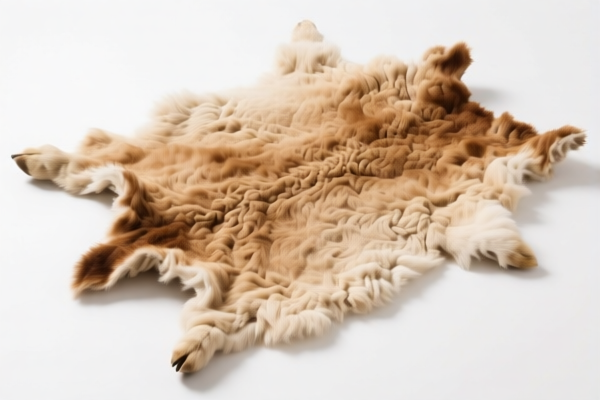
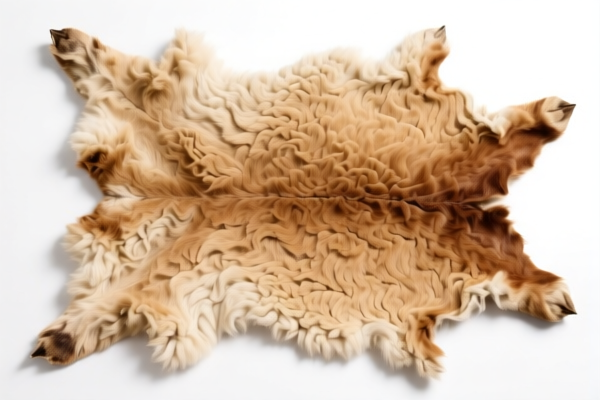
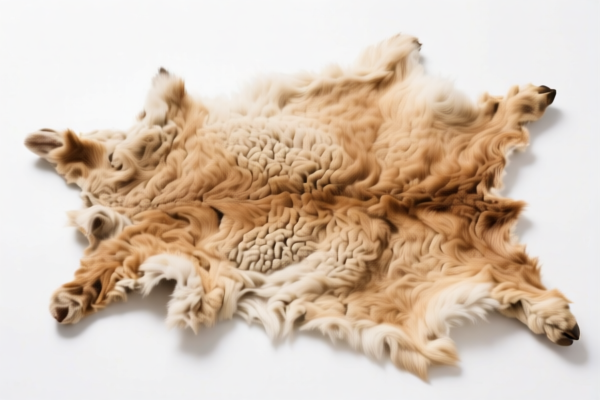
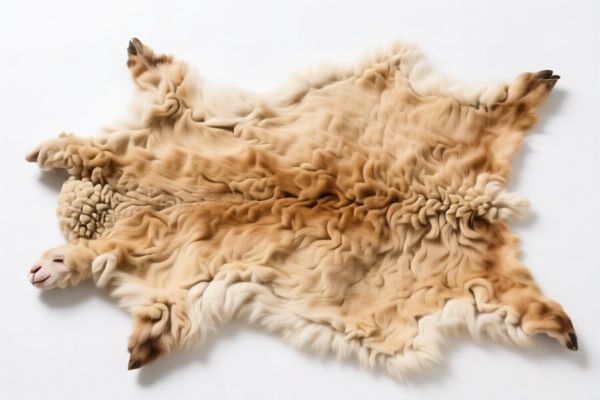
AI Analysis
🐑 Lamb Skin (Raw & Finished) – HS Code Classification & US Customs Clearance Guide
🌐 HS Code Reference & Clearance Strategy | 2026 Latest Tariff Analysis | Professional Entry Compliance
📌 1. Product Definition: What is "Lamb Skin"?
Lamb skin in international trade refers to the raw hides or skins of lambs/sheep, typically in two forms: - Raw/unprocessed skins: Un-tanned, salted, or dried skins intended for further processing or fur manufacturing. - Finished fur skins: Tanned or dressed fur skins used for garments, accessories, or luxury goods.
⚠️ Key Distinction:
- If the skin is raw, un-tanned, or lightly preserved → Falls under Chapter 41 (Raw Hides & Skins)
- If the skin is tanned, dressed, or ready for fur products → Falls under Chapter 43 (Furskins & Furs)
- If formed into gloves or other finished goods → Falls under Chapter 62 (Articles of Apparel & Clothing Accessories)
📦 2. HS Code Classification Details (2026 US Harmonized Tariff Schedule)
| HS Code | Product Description | Application Scenario | Key Feature |
|---|---|---|---|
4102.10.30.00 |
Sheep or lamb skins, raw | Raw, un-tanned skins for tanning or fur industry | Matches raw skin characteristics |
4102.29.30.00 |
Sheep or lamb skins, raw, other | Raw skins of sheep/lamb not classified elsewhere | Un-tanned, no fur attached |
4301.30.00.00 |
Lamb skins, dressed or tanned | Tanned/fur-ready skins for fashion/garments | Processed fur skins |
4301.90.00.00 |
Other furskins, including heads, tails, paws | Raw or processed fur pieces for luxury use | Fur trader-grade skins |
6216.00.90.00 |
Gloves, mittens, or mitts (lamb skin) | Finished gloves made from lamb skin | Functional finished goods |
🔍 Critical Note:
- Raw skins (untanned, unpreserved beyond basic salting/drying) → Chapter 41
- Processed/fur skins (tanned, dressed, ready for use) → Chapter 43
- Finished products (gloves, jackets, etc.) → Chapter 62
- Misclassification leads to severe penalties: e.g., misdeclaring tanned fur as raw skin can result in underpayment of duties + penalties.
💰 3. 2026 US Tariff Rates Breakdown (Section 301 + IEEPA Surcharges)
✅ Origin: China (CN)
✅ Effective Date: November 10, 2025 onwards
✅ Applicable Sections: USITC + IEEPA (International Emergency Economic Powers Act)
🎯 1. 4102.10.30.00 – Raw Sheep/Lamb Skins
| Item | Details |
|---|---|
| Base Duty | 2.0% |
| Section 301 Surcharge | 0.0% |
| IEEPA Surcharge (China) | +10.0% |
| Total Duty Rate | 12.0% |
| Calculation Basis | CIF Value × 12% |
| De Minimis Exemption | ❌ Not eligible (high duty) |
| Legal Path | IEEPA:9903.01.25 → USITC:4102.10.30.00 |
📌 Note:
- Low base rate but +10% IEEPA makes it 12% total.
- Applies to raw, un-tanned skins.
🎯 2. 4102.29.30.00 – Other Raw Sheep/Lamb Skins
| Item | Details |
|---|---|
| Base Duty | 2.0% |
| Section 301 Surcharge | +7.5% |
| IEEPA Surcharge (China) | +10.0% |
| Total Duty Rate | 19.5% |
| Calculation Basis | CIF Value × 19.5% |
| De Minimis Exemption | ❌ Not eligible |
| Legal Path | IEEPA:9903.01.25 → USITC:4102.29.30.00 |
📌 Note:
- Higher surcharge due to Section 301 classification.
- For raw skins not covered under 4102.10.
🎯 3. 4301.30.00.00 – Tanned/Dressed Lamb Skins
| Item | Details |
|---|---|
| Base Duty | 0.0% |
| Section 301 Surcharge | 0.0% |
| IEEPA Surcharge (China) | +10.0% |
| Total Duty Rate | 10.0% |
| Calculation Basis | CIF Value × 10% |
| De Minimis Exemption | ❌ Not eligible |
| Legal Path | IEEPA:9903.01.25 → USITC:4301.30.00.00 |
📌 Note:
- Lowest total rate among fur skins (10%) due to zero base + zero Section 301.
- Applies to tanned/dressed fur skins for fashion use.
🎯 4. 4301.90.00.00 – Other Furskins (Raw/Processed)
| Item | Details |
|---|---|
| Base Duty | 0.0% |
| Section 301 Surcharge | 0.0% |
| IEEPA Surcharge (China) | +10.0% |
| Total Duty Rate | 10.0% |
| Calculation Basis | CIF Value × 10% |
| De Minimis Exemption | ❌ Not eligible |
| Legal Path | IEEPA:9903.01.25 → USITC:4301.90.00.00 |
📌 Note:
- Same as4301.30.00.00– 10% total.
- For fur skins not specifically classified (e.g., heads, tails, paws).
🎯 5. 6216.00.90.00 – Lamb Skin Gloves
| Item | Details |
|---|---|
| Base Duty | 3.8% |
| Section 301 Surcharge | +7.5% |
| IEEPA Surcharge (China) | +10.0% |
| Total Duty Rate | 21.3% |
| Calculation Basis | CIF Value × 21.3% |
| De Minimis Exemption | ❌ Not eligible |
| Legal Path | IEEPA:9903.01.25 → USITC:6216.00.90.00 |
📌 Note:
- Highest duty due to finished apparel/accessory classification.
- Applies to complete gloves, not raw materials.
🛠️ 4. Customs Clearance Best Practices (Avoiding Penalties)
✅ 1. Document Checklist (Mandatory)
| Document | Required | Notes |
|---|---|---|
| ✅ Commercial Invoice | ✔️ | Clearly state “Lamb Skin – Raw/Tanned” + HS Code |
| ✅ Packing List | ✔️ | Detail quantity, weight, packaging type |
| ✅ Product Specification Sheet | ✔️ | Include treatment status (raw/tanned), dimensions, preservation method |
| ✅ Photographs (Clear) | ✔️ | Show skins/gloves, labels, packaging |
| ✅ Certificate of Origin (CO) | ✔️ | If from non-China origin, for duty preference |
| ✅ Test Report (if applicable) | ✔️ | For chemical treatment (e.g., tanning agents) |
| ✅ Importer Security Filing (ISF) | ✔️ | Required for US ocean imports |
✅ 2. Declaration Strategy (Key Tips)
🔥 Golden Rule:
“Raw = 41, Tanned = 43, Finished = 62. Never mix stages!”
| Scenario | Correct HS Code | Incorrect Approach | Risk |
|---|---|---|---|
| Raw, salted lamb skins | 4102.10.30.00 |
Declare as “tanned” → 4301.30.00.00 |
Underpayment of duty (12% vs 10%) + penalty |
| Tanned fur skins for fashion | 4301.30.00.00 |
Declare as “raw” → 4102.10.30.00 |
Overpayment + audit flag |
| Finished lamb gloves | 6216.00.90.00 |
Declare as “raw skins” → 4102.29.30.00 |
Severe underpayment (21.3% vs 19.5%) + penalty |
📌 Critical:
- Never under-declare: Misclassifying finished gloves as raw skins can lead to 200%+ penalties.
- Provide evidence: Photos, specs, and invoices must match the declared stage.
✅ 3. Special Cases & Workarounds
| Case | Recommendation |
|---|---|
| Mixed shipments (raw + tanned) | Separate lines in invoice; declare each HS Code separately |
| OEM lamb gloves | Provide manufacturer specs + design files to prove finished good status |
| Small samples (<$800) | Still subject to duty if HS Code is high; de minimis doesn’t apply |
| Re-exported skins | Use In Bond procedures to avoid immediate duty payment |
🌍 5. Global Market Comparison (2026)
| Country | Recommended HS Code | Duty (CN Origin) | Key Certifications | Notes |
|---|---|---|---|---|
| 🇺🇸 US | 4301.30.00.00 (tanned) |
10% | None specific | High audit risk for misclassification |
| 🇪🇺 EU | 4301.30.00 (tanned) |
4% | REACH (chemicals) | No IEEPA surcharge |
| 🇨🇳 China | 4102.10.30.00 (raw) |
5% | None | Lower base duty |
| 🇯🇵 Japan | 4301.30.00 |
3.2% | FSC (if fur) | Stable tariff |
| 🇦🇺 Australia | 4301.30.00 |
5% | None | Free Trade Agreement (FTA) eligible if AU origin |
📌 Key Insight:
- US imposes 10% IEEPA surcharge on ALL fur skins from China – no exemption.
- EU/Japan/Australia are more favorable – consider diversifying sourcing if US duties are prohibitive.
📌 6. Common Mistakes & How to Avoid Them
❌ Mistake 1: Declaring tanned fur as “raw skin” to save duty
👉 Consequence: 10% vs 12% difference + 200% penalty for fraud.
❌ Mistake 2: Mixing raw and tanned skins in one HS line
👉 Consequence: Customs flags for inconsistency → delays + fines.
❌ Mistake 3: Ignoring IEEPA surcharges for China-origin goods
👉 Consequence: Unexpected 10% charge at border → cash flow disruption.
❌ Mistake 4: Using “lamb leather” for raw skins
👉 Consequence: “Leather” implies tanned → misclassification → penalties.
✅ Correct Approach:
“Raw Sheep Skins, Salted, Un-tanned, 100 pcs, CIF $5,000, HS 4102.10.30.00”
“Tanned Lamb Skins for Fur Garments, 50 pcs, CIF $8,000, HS 4301.30.00.00”
🎯 7. Conclusion: Precision Classification Saves Costs
🎯 Key Takeaways:
🔹 Raw Skins (Chapter 41): 12%–19.5% duty
🔹 Tanned/Fur Skins (Chapter 43): 10% duty
🔹 Finished Goods (Chapter 62): 21.3% duty
🔹 Never misclassify stage: Raw → Tanned → Finished
🔹 IEEPA 10% applies to ALL China-origin fur/lamb products
📌 Pro Tip:
If your lamb skin is originally from Vietnam, Mexico, or Turkey, you may qualify for IEEPA exemption (0% surcharge). Always verify origin with Certificate of Origin.
📣 Immediate Action Required:
📞 Consult a licensed US customs broker before shipment
📄 Prepare detailed specs + photos for each batch
🚀 Submit ISF 10+2 at least 24 hours before loading
✨ Accurate classification = Lower duties + Faster clearance + Zero penalties!
💼 Your profit margin depends on precision – don’t gamble with customs.
Customer Reviews
About HS Code Classification
The Harmonized System (HS) is an internationally standardized nomenclature developed by the World Customs Organization (WCO) to classify traded products. Over 200 countries use the HS system as the basis for customs tariffs, trade statistics, and import/export regulations.
Each HS code follows a hierarchical structure:
- Chapter (2 digits) — Broad category of goods (e.g., Chapter 84: Machinery and Mechanical Appliances)
- Heading (4 digits) — More specific grouping within the chapter
- Subheading (6 digits) — Internationally standardized breakdown, used by all WCO member countries
- National subdivisions (8-10 digits) — Country-specific extensions for further classification, such as US HTSUS 10-digit codes
Correct HS code classification is essential for smooth customs clearance, accurate duty payment, and compliance with trade regulations. Misclassification can lead to customs delays, overpayment of duties, or penalties.
When importing from CN to US, the applicable tariff rates may include:
- Most-Favored-Nation (MFN) rate — The standard duty rate applied to WTO members
- General rate — Applied to countries without trade agreements
- Trade remedy duties — Additional tariffs such as Section 301 (anti-dumping), Section 232 (national security), or countervailing duties
The information provided on this page is for reference purposes only. For official classification, please consult with your local customs authority or a licensed customs broker.