Lamb skin with head, tail, claws
CN → US| HS Code | Tariff Rate | Origin | Destination | Doc |
|---|---|---|---|---|
| 4301300000 | 10.0% | CN | US | Official Doc |
| 4301900000 | 10.0% | CN | US | Official Doc |
| 4102103000 | 12.0% | CN | US | Official Doc |
| 4102293000 | 19.5% | CN | US | Official Doc |
| 4301300000 | 10.0% | CN | US | Official Doc |
Product Images
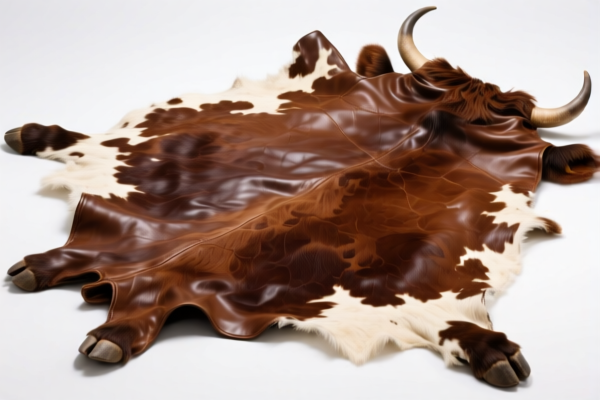
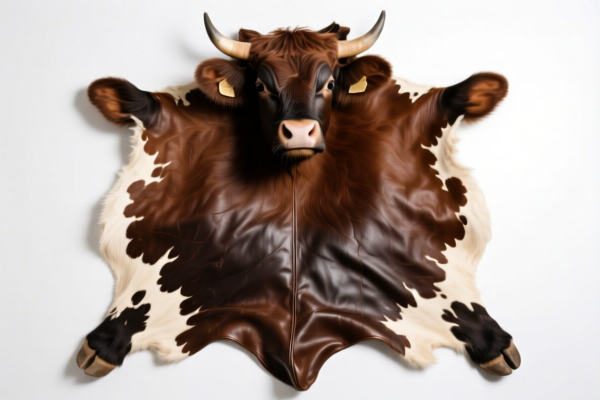
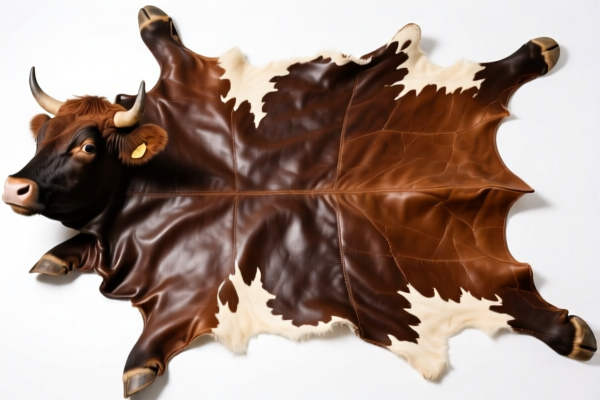
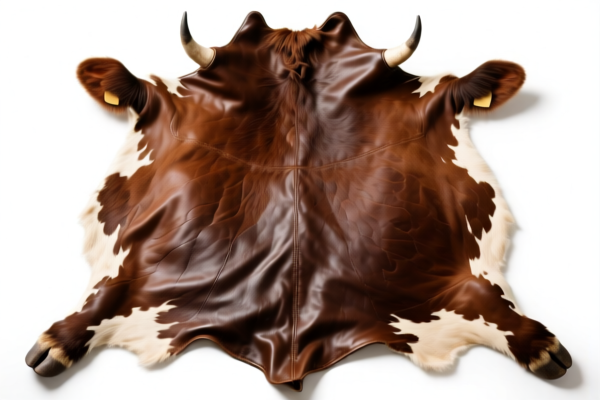
AI Analysis
🐑 Lamb Skin with Head, Tail, and Claws (Whole Raw Pelts)
🌐 HS Code Reference & Customs Clearance Guide | 2026 Latest Tariff Analysis | Professional Customs Strategy
📌 I. Product Definition & Classification: What Exactly is "Lamb Skin with Head, Tail, and Claws"?
Lamb skin with head, tail, and claws refers to raw, un-tanned sheepskins where the natural biological features (head, tail, and feet/claws) are preserved. In international trade, these are classified under Chapter 43 (Furskins and Artificial Fur), specifically as "Raw Furskins" rather than "Leather Goods" (Chapter 41), because they retain their natural hair/fur structure and have not undergone the tanning process that defines leather.
⚠️ Critical Distinction:
- If the skin is tanned, dressed, or split → It falls under Chapter 41 (Leather).
- If the skin is raw, with fur/hair intact, and includes head/tail/claws → It falls under Chapter 43 (Raw Furskins).
📦 II. HS Code Classification Details (2026 Latest Tariff Alignment)
Based on the provided data, the product "Lamb skin with head, tail, and claws" matches the description of raw pelts preserved in their natural form.
| HS Code | Product Description | Applicable Scenario | Natural Features |
|---|---|---|---|
4301.30.00.00 |
Raw Furskins of Lamb, Sheep, or Kid (Including those with head, tail, claws) | Raw lamb pelts intended for fur garments, coats, or further processing | ✅ Yes (Head, Tail, Claws present) |
4102.10.30.00 |
Sheepskin (Sheep/Lamb), matching sheepskin/lambskin material, fitting raw skin characteristics | Note: This refers to specific raw sheepskin not classified as "fur" in some jurisdictions, but typically fur with head/tail goes to Ch. 43 | ⚠️ Ambiguous (Usually Ch. 43 prevails for full pelts) |
4102.29.30.00 |
Sheepskin, matching sheep/lamb raw skin, un-tanned | Note: Un-tanned skins without fur preservation or classified as leather base | ❌ No (Typically lacks fur/head/tail preservation) |
4301.90.00.00 |
Raw Furskins (Other, including fragments) | Other raw furskins not specifically classified as lamb/sheep/kid | ⚠️ Backup option if not specifically lamb |
🔍 Key Takeaway:
The most accurate classification for "Lamb skin with head, tail, and claws" is4301.30.00.00. This code explicitly covers "Raw furskins of lamb, sheep or kid," which includes pelts with head, tail, and claws attached, as they are considered "raw furskins" rather than processed leather.
💰 III. 2026 Latest Tariff Rate Details (Including Surcharges & Policy Add-ons)
✅ Applicable Country: United States (US)
✅ Origin: China (CN)
✅ Effective Date: From November 10, 2025 (including subsequent imports)
🎯 1. 4301.30.00.00 —— Raw Furskins of Lamb, Sheep, or Kid (Including with Head, Tail, Claws)
| Item | Content |
|---|---|
| Base Tariff Rate | 0.0% (ad valorem) |
| Section 301 Surcharge | 0.0% (No additional Section 301 tariff for this specific HS code in the provided data) |
| Section 122 Tariff | +10% (Specific to China-origin raw furskins under Section 122) |
| Total Tariff Rate | 10.0% |
| Tax Calculation | CIF Value × 10% |
| De Minimis Eligibility | ❌ Not Eligible (Raw furskins are generally subject to strict quotas or prohibitions; de minimis does not apply) |
| Legal Basis Path | Section 122: 4301.30.00.00 → Base Rate: 0.0% |
📌 Explanation:
- The Base Tariff is 0% because raw furskins often have low base duties.
- However, the Section 122 Tariff of 10% is critical. This is a specific tariff imposed on certain Chinese-origin goods, including raw furskins, under U.S. trade laws.
- Total Cost: You must budget for 10% of the CIF value.
- No Section 301 Surcharge: Unlike electronics or steel, raw furskins do not currently carry the additional 7.5% or 25% Section 301 tariff in this dataset.
🚫 Comparison with Misclassified Codes
| Misclassified HS Code | Why It’s Wrong | Incorrect Tariff | Risk |
|---|---|---|---|
4102.10.30.00 |
Classifies as "Sheepskin" without fur/head/tail preservation | 12.0% | Overpayment (12% vs 10%) + Potential customs audit for misclassification |
4102.29.30.00 |
Classifies as "Un-tanned Sheepskin" but not "Raw Furskin" | 19.5% | Overpayment (19.5% vs 10%) + High risk of penalty |
4301.90.00.00 |
"Other" raw furskins | 10.0% | Correct rate, but wrong classification (should be specific to lamb/sheep) |
📌 Warning:
Misclassifying raw lamb pelts with head/tail/claws as "Leather" (Chapter 41) will result in higher duties (12%-19.5%) and potential customs penalties. Always use4301.30.00.00for raw fur pelts with natural features.
🛠️ IV. Customs Clearance Practical Advice (Real-World Pitfall Avoidance Guide)
✅ 1. Required Documentation Checklist (Mandatory)
| Document | Mandatory | Description |
|---|---|---|
| ✅ Commercial Invoice | ✔️ | Must clearly state: "Raw Lamb Skins with Head, Tail, and Claws," HS Code 4301.30.00.00 |
| ✅ Packing List | ✔️ | Detail the number of pelts, total weight, and dimensions. Specify "No Tanning Process" |
| ✅ Fumigation Certificate | ✔️ | Raw animal products require fumigation to prevent pests/diseases. Must be issued by an approved agency |
| ✅ Veterinary Health Certificate | ✔️ | Proves the pelts are free from contagious diseases. Mandatory for Chapter 43 imports |
| ✅ Photographs | ✔️ | Clear images showing head, tail, and claws are intact. This justifies the 4301.30.00.00 classification over 4102 |
| ✅ Certificate of Origin | ✔️ | Confirm Chinese origin to apply correct Section 122 tariffs |
✅ 2. Declaration Tips (Key Mantra)
🔥 "Raw Fur, Keep It Natural; Head, Tail, Claws, Class 43!"
| Situation | Correct Declaration | Incorrect Practice |
|---|---|---|
| Raw pelts with head/tail/claws | 4301.30.00.00 |
Mislabeling as "Leather Blankets" or "Sheepskin" → 12-19.5% duty |
| Tanned sheepskin (no fur) | 4102.10.30.00 |
Using 4301 for tanned leather → Classification error |
| Fur garments (finished) | 4303.90.00.00 |
Using 4301 for finished goods → Under-declaration risk |
✅ 3. Special Case Handling
| Situation | Handling Advice |
|---|---|
| Partial Pelts (Missing head/tail) | May still qualify for 4301.30.00.00 if primarily raw fur, but documentation must be precise. If significantly altered, customs may classify differently. |
| Mixed Shipments (Raw & Tanned) | Do not mix. Declare raw pelts (4301) and tanned leather (4102) separately. Mixed shipments cause delays and audits. |
| Section 122 Impact | Ensure the Section 122 tariff is correctly applied. Some brokers may miss this 10% surcharge, leading to underpayment and future penalties. |
🌍 V. Global Market Comparison (2026 Latest)
| Country/Region | Recommended HS Code | Tariff (China Origin) | Certification Requirements | Notes |
|---|---|---|---|---|
| 🇺🇸 United States | 4301.30.00.00 |
10.0% (Section 122) | Fumigation + Vet Certificate | Highest compliance risk; strict on raw animal products |
| 🇨🇳 China | 4301.30.00.00 |
0% (Export) | None | Free export of raw furskins |
| 🇪🇺 European Union | 4301.10.00 |
4% + VAT | CITES (if protected species), Fumigation | EU has stricter animal welfare regulations |
| 🇬🇧 United Kingdom | 4301.10.00 |
4% + VAT | Post-Brexit Veterinary Checks | Similar to EU but with separate border controls |
| 🇦🇺 Australia | 4301.10.00 |
5% | Biosecurity Permit | Extremely strict biosecurity laws for raw animal products |
📌 Conclusion:
- The U.S. market requires careful attention to the 10% Section 122 tariff and biosecurity documentation.
- Misclassification as leather (Chapter 41) is the most common error, leading to higher duties (12-19.5%) and potential audits.
📌 VI. Common Mistakes & Pitfall Avoidance (Lessons Learned)
❌ Mistake 1: Declaring raw lamb pelts with head/tail/claws as "Leather" (4102)
👉 Consequence: Higher duty (12-19.5% vs 10%) + Customs audit for misclassification
👉 Fix: Use 4301.30.00.00 and provide photos proving natural features
❌ Mistake 2: Omitting the Section 122 tariff in calculations
👉 Consequence: Underpayment of 10% → Penalties and back taxes
👉 Fix: Always include 10% Section 122 surcharge for China-origin raw furskins
❌ Mistake 3: Missing Fumigation/Vet Certificates
👉 Consequence: Cargo held at border, returned, or destroyed
👉 Fix: Secure fumigation and vet certificates before shipment
✅ Correct Practice:
"Raw Lamb Skins, Whole Pelts with Head, Tail, and Claws, Un-tanned, Fumigated, HS Code: 4301.30.00.00"
🎯 VII. Conclusion: Precise Classification Saves Money!
🎯 Remember the Mantra:
🔹 "Raw Fur with Head/Tail → Chapter 43, Not 41!"
🔹 "Section 122 is 10%, Don’t Forget It!"
🔹 "Photos Prove Natural Features, Avoid 19.5% Penalty!"
📌 Pro Tip:
If your lamb skins are tanned, dyed, or finished (no longer raw), they move to Chapter 4303 or Chapter 41, with different tariffs. Always verify the processing stage before declaring.
📣 Immediate Action:
📞 Contact a licensed customs broker
📸 Provide clear photos of head, tail, and claws
📄 Secure Fumigation & Vet Certificates before shipping
🚀 Ensure smooth clearance, avoid penalties, and maximize profits!
✨ Professional Customs Clearance Starts with Accurate Classification!
💼 Your Cost, Calculated Precisely!
Customer Reviews
About HS Code Classification
The Harmonized System (HS) is an internationally standardized nomenclature developed by the World Customs Organization (WCO) to classify traded products. Over 200 countries use the HS system as the basis for customs tariffs, trade statistics, and import/export regulations.
Each HS code follows a hierarchical structure:
- Chapter (2 digits) — Broad category of goods (e.g., Chapter 84: Machinery and Mechanical Appliances)
- Heading (4 digits) — More specific grouping within the chapter
- Subheading (6 digits) — Internationally standardized breakdown, used by all WCO member countries
- National subdivisions (8-10 digits) — Country-specific extensions for further classification, such as US HTSUS 10-digit codes
Correct HS code classification is essential for smooth customs clearance, accurate duty payment, and compliance with trade regulations. Misclassification can lead to customs delays, overpayment of duties, or penalties.
When importing from CN to US, the applicable tariff rates may include:
- Most-Favored-Nation (MFN) rate — The standard duty rate applied to WTO members
- General rate — Applied to countries without trade agreements
- Trade remedy duties — Additional tariffs such as Section 301 (anti-dumping), Section 232 (national security), or countervailing duties
The information provided on this page is for reference purposes only. For official classification, please consult with your local customs authority or a licensed customs broker.