Laminated Car Side Window
CN → US| HS Code | Tariff Rate | Origin | Destination | Doc |
|---|---|---|---|---|
| 7007215100 | 39.9% | CN | US | Official Doc |
| 7007290000 | 39.9% | CN | US | Official Doc |
| 8708220000 | 0.0% | CN | US | Official Doc |
| 8708295160 | 0.0% | CN | US | Official Doc |
Product Images
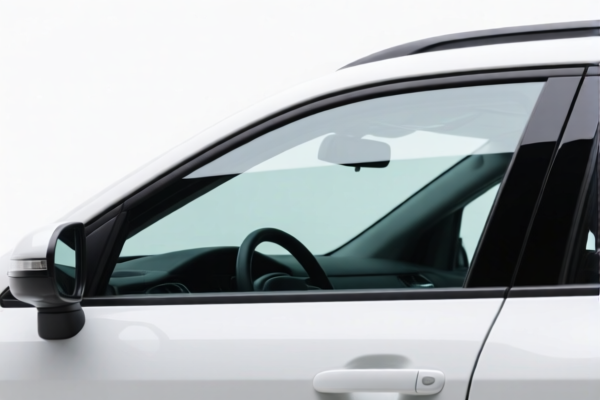
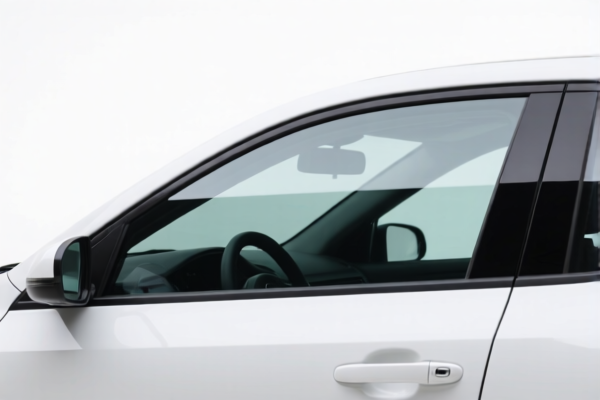
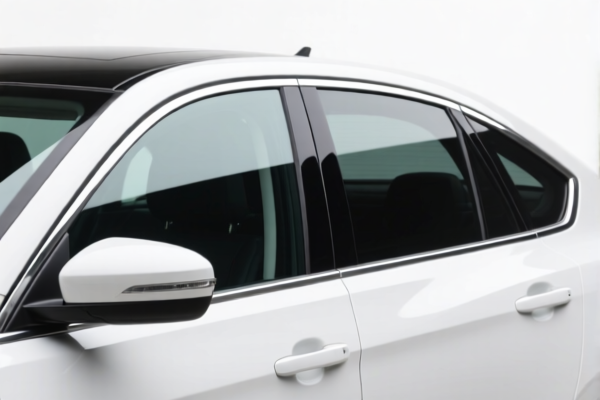
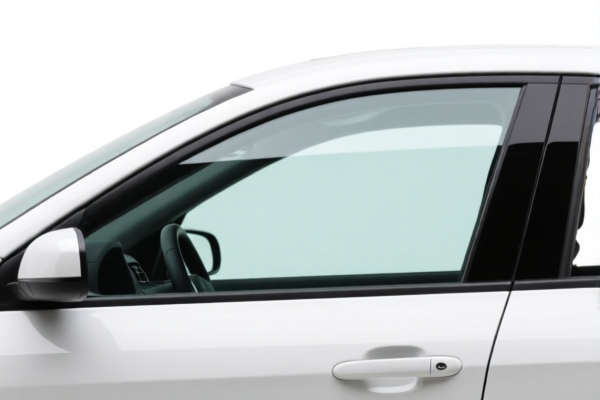
AI Analysis
🚗 Laminated Car Side Window (Safety Glass)
🌐 HS Code Reference & Customs Clearance Guide | 2026 Latest Tariff Analysis | Specialized Strategy for Automotive Glass
📌 I. Product Definition & Classification: What Exactly is a "Laminated Car Side Window"?
Laminated Car Side Windows are a critical component of modern automotive safety systems. Unlike tempered (toughened) glass which shatters into small cubes, laminated glass consists of two or more layers of glass bonded with a plastic interlayer (typically PVB or EVA). This structure ensures that even if shattered, the glass remains intact, preventing ejection of occupants and providing security against intrusion.
In international trade, the classification depends strictly on geometry/shape and end-use suitability:
1. Vehicle-Specific Geometry: Glass cut or shaped specifically for incorporation into vehicle bodies (windshields, side windows, rear windows). 2. General/Legal Glass: Flat sheets or generic shapes not specifically suited for immediate vehicle installation.
⚠️ Key Distinction Point:
- If the glass is cut to the specific size and shape required for installation in a car, aircraft, or vessel → It falls under "Of size and shape suitable for incorporation in vehicles..."
- If it is generic glass or not specifically shaped for auto-body integration → It falls under "Other".
📦 II. HS Code Classification Details (2026 Latest Tariff Authority Comparison)
| HS Code | Product Description | Applicability Scenario | Tax Rate (China to US*) |
|---|---|---|---|
7007.21.51.00 |
Laminated safety glass: Of size and shape suitable for incorporation in vehicles, aircraft, spacecraft or vessels: Other | Pre-cut/OEM Side Windows: Glass already shaped to fit a specific car model’s door frame. | 0.0% |
7007.29.00.00 |
Laminated safety glass: Other | Generic Laminated Glass: Flat sheets, generic safety glass not shaped for vehicles, or glass for non-vehicle uses. | 0.0% |
8708.22.00.00 |
Parts and accessories of motor vehicles: Front windscreens, rear windows and other windows specified in subheading note 1 to this chapter | Windshields & Rear Windows: Specifically front windscreens and rear windows (often tempered or laminated). Note: Side windows are generally excluded from this specific subheading note depending on national interpretation, but often grouped here if not covered by 7007. | 0.0% |
8708.29.51.60 |
Parts and accessories of motor vehicles: Other parts and accessories of bodies: Other: Other Other | Car Body Parts (Non-Glass): This code is for metal/plastic body parts (steel, aluminum, copper). DO NOT USE FOR GLASS. | 2.5% + 25% = 27.5% |
🔍 Critical Reminder:
- Glazing vs. Body Parts: Car windows are classified under Chapter 70 (Glass), NOT Chapter 87 (Vehicles) as "body parts," unless they are structural body components (like a steel door panel).
- Misclassification Risk: Declaring glass as8708.29.51.60(Body Parts) will trigger high tariffs and customs flags because glass is fundamentally a mineral product, not a metallic vehicle part.
- Shape Matters: If your side windows are pre-cut for a specific car model,7007.21.51.00is the most precise fit. If they are raw laminated sheets, use7007.29.00.00.
💰 III. 2026 Latest Tariff Rate Details (Detailed Breakdown)
✅ Applicable Countries: United States (US)
✅ Origin: China (CN)
✅ Status: Current as of 2026
🎯 1. 7007.21.51.00 —— Laminated Safety Glass (Vehicle-Suitable)
| Item | Detail |
|---|---|
| Base Tariff | 0.0% (ad valorem) |
| Section 301 / USITC Additional Tariff | 0.0% |
| IEEPA Additional Tariff | 0.0% |
| Total Tariff Rate | 0.0% |
| Tax Calculation | CIF Value × 0% = $0 |
| De Minimis Eligibility | ✅ Yes (for shipments under $800, if applicable under current rules) |
| Legal Basis Path | HTSUS:7007.21.51 → No Section 301 exclusion for this specific glass subheading |
📌 Explanation:
- Laminated safety glass suitable for vehicles enjoys a 0% tariff under current US trade policy for Chinese origin.
- This is a strategic advantage for auto-glass exporters.
- Ensure the declaration clearly states "Of size and shape suitable for incorporation in vehicles" to support this classification.
🎯 2. 7007.29.00.00 —— Other Laminated Safety Glass
| Item | Detail |
|---|---|
| Base Tariff | 0.0% |
| USITC Additional Tariff | 0.0% |
| IEEPA Additional Tariff | 0.0% |
| Total Tariff Rate | 0.0% |
| Tax Calculation | CIF Value × 0% = $0 |
| De Minimis Eligibility | ✅ Yes |
📌 Note:
- Even for general laminated glass, the rate remains 0%.
- No additional punitive tariffs apply to glass products in this chapter.
🎯 3. 8708.22.00.00 —— Front Windscreens & Rear Windows
| Item | Detail |
|---|---|
| Base Tariff | 0.0% |
| Additional Tariffs | 0.0% |
| Total Tariff Rate | 0.0% |
📌 Note:
- While this code is for vehicle parts, it also carries 0% tariff.
- However, for side windows, customs often prefer7007(Glass Chapter) over8708(Vehicle Parts Chapter) to avoid ambiguity about "part of the body" vs. "glazing."
🚫 4. 8708.29.51.60 —— OTHER Body Parts (Steel/Aluminum/Copper)
| Item | Detail |
|---|---|
| Base Tariff | 2.5% |
| USITC Additional Tariff | +25.0% |
| Metal Product Additional Tariff | +50.0% (Specific metal surcharge) |
| Total Tariff Rate | 2.5% + 25.0% + 50.0% = 77.5% (or 27.5% depending on specific metal classification) |
| Tax Calculation | CIF Value × 27.5%~77.5% |
| De Minimis Eligibility | ❌ No (High value goods typically excluded or scrutinized) |
| Legal Basis Path | HTSUS:8708.29.51 → Section 301: Footnote 9903.88.01 → Metal Tariff Surcharge |
📌 Warning:
- DO NOT declare laminated glass under8708.29.51.60.
- This code is for metal body parts (e.g., doors, hoods, fenders made of steel/aluminum).
- Using this code for glass is a major classification error that can lead to:
1. Severe Overpayment: Paying ~27.5% tax on glass that should be 0%.
2. Customs Penalties: For misdeclaration.
3. Audit Flags: Suspicion of tax evasion or wrong origin reporting.
🛠️ IV. Customs Clearance Practical Advice (Battle-Tested Pitfall Avoidance)
✅ 1. Required Documentation Checklist
| Document | Must Provide? | Notes |
|---|---|---|
| ✅ Product Specification Sheet | ✔️ | Must clearly state: "Laminated Safety Glass," "PVB Interlayer," "Dimensions," "Tempered/Laminated." |
| ✅ Commercial Invoice | ✔️ | Description must match HS Code: e.g., "Laminated Safety Glass, Pre-cut for Car Side Window, Model XYZ." |
| ✅ Packing List | ✔️ | Detailed list of items, weight, and dimensions. |
| ✅ Certificate of Origin (CO) | ✔️ | If claiming preferential treatment (though not applicable here due to 0% rate, still required for origin proof). |
| ✅ Photos of Product | ✔️ | Show the glass layers, interlayer, and any edge finishing. |
| ❌ Metal Material Declaration | ❌ | DO NOT claim this is made of steel/aluminum/copper. |
✅ 2. Declaration Tips (Key Mantra)
🔥 "Glass is Glass, Not Metal Body Part!"
| Scenario | Correct Declaration | Wrong Declaration |
|---|---|---|
| Pre-cut side windows | 7007.21.51.00 |
8708.29.51.60 → 77.5% Tax Risk! |
| Raw laminated sheets | 7007.29.00.00 |
7007.21.51.00 → Minor risk, but less precise |
| Windshield (Front) | 8708.22.00.00 or 7007.21.51.00 |
8708.29.51.60 → Major Error! |
| Side Window (Generic) | 7007.29.00.00 |
8708.29.51.60 → Major Error! |
📌 Why this matters:
- Customs officers are trained to look for "high-value auto parts" under8708.
- If you declare glass as a "body part" (8708), they may assume it’s a metal component and apply metal tariffs.
- Always start your description with "Glass" or "Safety Glass" to immediately direct classification to Chapter 70.
✅ 3. Special Cases Handling
| Scenario | Handling Advice |
|---|---|
| OEM Supplier to Car Maker | Provide Letter of Authorization from the vehicle manufacturer to prove "size and shape suitability." |
| Aftermarket Glass | Clearly state "Aftermarket Replacement Laminated Glass." Still qualifies for 0% if laminated safety glass. |
| Mixed Container (Glass + Body Parts) | Separate Items on Invoice. Do not lump glass and steel doors together. Each item needs its own HS Code. |
| Origin Marking | Ensure packages are marked "Made in China" clearly. Though tax is 0%, origin proof is mandatory. |
🌍 V. Global Market Comparison (2026)
| Country/Region | Recommended HS Code | Tariff | Certification | Notes |
|---|---|---|---|---|
| 🇺🇸 USA | 7007.21.51.00 |
0% | DOT (USFMVSS) | Must meet US Federal Motor Vehicle Safety Standards. |
| 🇨🇳 China | 7007.21.51.00 |
5% | CCC | Domestic market requires CCC certification. |
| 🇪🇺 EU | 7007.21 |
0% | ECE R43 | Must have E-mark for EU homologation. |
| 🇯🇵 Japan | 7007.21 |
0% | JIS J5510 | Must meet Japanese Industrial Standards. |
📌 Conclusion:
- USA, EU, Japan all offer 0% tariff on laminated safety glass.
- The main barrier is certification (DOT/ECE/JIS), not tariff.
- China imposes a 5% import duty, but exports from China to US/EU are duty-free.
📌 VI. Common Mistakes & Pitfalls (Lessons Learned)
❌ Mistake 1: Declaring glass as "Auto Parts" under 8708
👉 Consequence: Risk of being misclassified as metal parts → 27.5%~77.5% Tax!
❌ Mistake 2: Ignoring "Laminated" vs. "Tempered" distinction
👉 Consequence: Laminated and Tempered have different subheadings. Misdeclaration leads to delayed clearance.
❌ Mistake 3: Not specifying "Size and Shape Suitable for Vehicles"
👉 Consequence: May be classified as 7007.29.00.00 (Other) instead of 7007.21.51.00. While tax is same, documentation compliance is lower.
❌ Mistake 4: Failing to show DOT/ECE Mark on Product/Package
👉 Consequence: Rejected entry at customs for non-compliance with safety standards, even if tariff is 0%.
✅ Correct Practice:
"Laminated Safety Glass, Side Window, Pre-cut for Toyota Camry 2023, PVB Interlayer, DOT-Marked, HS Code 7007.21.51.00"
🎯 VII. Conclusion: Precision in Classification Saves Money & Time
🎯 Key Takeaway:
🔹 Laminated Car Side Windows = 0% Tariff (if correctly declared under Chapter 70).
🔹 DO NOT declare as "Body Parts" (8708) → Avoid 27.5%~77.5% penalty.
🔹 Certification (DOT/ECE) is more critical than tariff. Ensure compliance!
📌 Pro Tip:
If you are exporting to the US, ensure your glass has a DOT Mark. Without it, even with 0% tariff, the shipment may be detained for safety inspection.
For pre-cut glass, provide fitment lists to prove "size and shape suitability" for smooth customs clearance.
📣 Immediate Action:
📞 Consult your freight forwarder with product photos and spec sheets.
📝 Apply for pre-classification ruling if unsure about "vehicle-suitable" status.
🚀 Safe, compliant, and cost-effective clearance is just one accurate HS Code away!
✨ Expert Customs Clearance Starts with Accurate Classification!
💼 Don’t let a wrong HS Code cost you 27.5% of your profit!
Customer Reviews
About HS Code Classification
The Harmonized System (HS) is an internationally standardized nomenclature developed by the World Customs Organization (WCO) to classify traded products. Over 200 countries use the HS system as the basis for customs tariffs, trade statistics, and import/export regulations.
Each HS code follows a hierarchical structure:
- Chapter (2 digits) — Broad category of goods (e.g., Chapter 84: Machinery and Mechanical Appliances)
- Heading (4 digits) — More specific grouping within the chapter
- Subheading (6 digits) — Internationally standardized breakdown, used by all WCO member countries
- National subdivisions (8-10 digits) — Country-specific extensions for further classification, such as US HTSUS 10-digit codes
Correct HS code classification is essential for smooth customs clearance, accurate duty payment, and compliance with trade regulations. Misclassification can lead to customs delays, overpayment of duties, or penalties.
When importing from CN to US, the applicable tariff rates may include:
- Most-Favored-Nation (MFN) rate — The standard duty rate applied to WTO members
- General rate — Applied to countries without trade agreements
- Trade remedy duties — Additional tariffs such as Section 301 (anti-dumping), Section 232 (national security), or countervailing duties
The information provided on this page is for reference purposes only. For official classification, please consult with your local customs authority or a licensed customs broker.