Laptop Desk
CN → US| HS Code | Tariff Rate | Origin | Destination | Doc |
|---|---|---|---|---|
| 4421919880 | 38.3% | CN | US | Official Doc |
| 4421999880 | 38.3% | CN | US | Official Doc |
| 9403100040 | 85.0% | CN | US | Official Doc |
| 9403708015 | 10.0% | CN | US | Official Doc |
| 9403100040 | 85.0% | CN | US | Official Doc |
Product Images
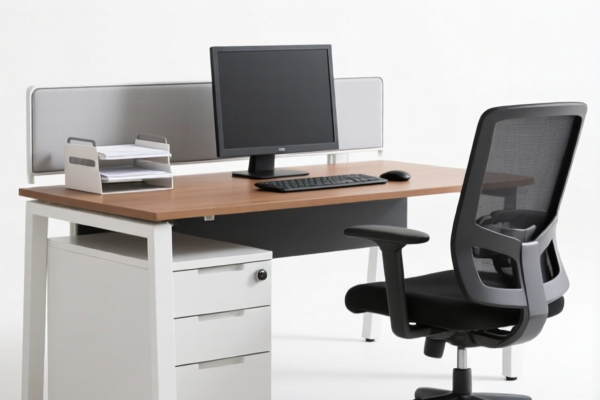
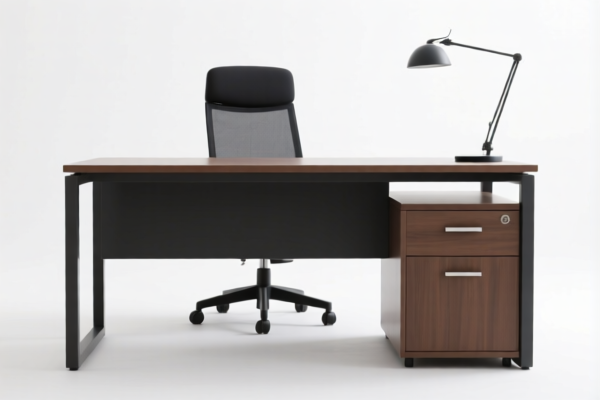
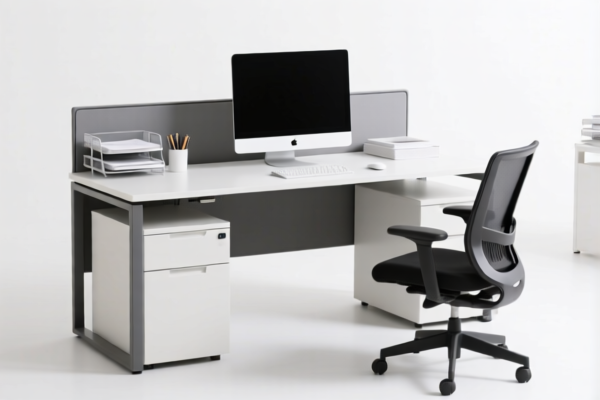
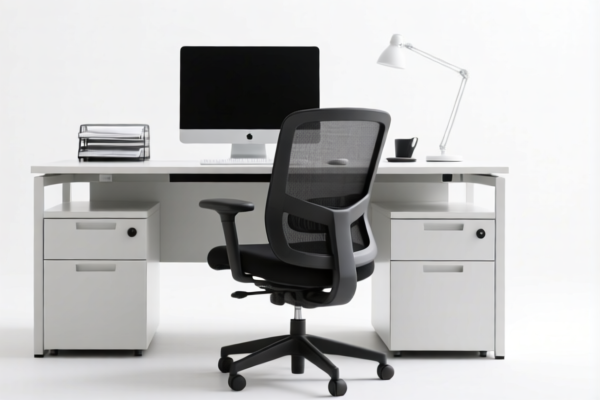
AI Analysis
💻 Laptop Desk (Computer Tables)
🌐 HS Code Reference & Customs Clearance Guide | 2026 Latest Tariff Analysis | Professional Entry Strategies
📌 I. Product Definition & Classification: Do You Really Know a "Laptop Desk"?
A laptop desk is a specialized piece of furniture designed to support a laptop computer. In international trade, its classification hinges heavily on two factors: Material and Intended Use. It is generally categorized under Chapter 94 (Furniture) or Chapter 44 (Wood Articles), depending on construction.
Furniture Class (Chapter 94):
- Metal Office Furniture: If primarily made of metal for office use.
- Plastic/Other Household Furniture: If made of plastic or non-metallic materials for home use.
Wooden Articles Class (Chapter 44):
- Wooden/Furniture-like Items: If made of wood, falling under "Other wooden articles" or specific wood furniture subheadings.
⚠️ Key Distinction Point:
- Is it a complete piece of furniture (legs, surface, stable structure)? → Likely HS 9403 (Furniture).
- Is it a wooden accessory or non-furniture item? → Likely HS 4421 (Wooden Articles).
- What is the primary material? Metal → 9403.10; Plastic → 9403.70; Wood → 4421 or 9403.70 (if wood is minor).
📦 II. HS Code Classification Details (2026 Latest Tariff Authority Comparison)
Based on the provided data, here are the four primary classifications for Laptop Desks, along with their specific tax implications.
| HS Code | Product Description & Logic | Application Scenario | Primary Material |
|---|---|---|---|
9403.10.00.40 |
Office Furniture - Other: Laptop desks classified as office furniture. Covers metal or wooden desks used in office settings. | Office environment, commercial use, metal/wooden structures. | Metal or Wood |
9403.70.80.15 |
Household Furniture - Other: Laptop desks for home use, made of plastic or other non-metallic materials. | Home office, bedroom use, plastic/lightweight materials. | Plastic / Non-metal |
4421.91.98.80 |
Wooden/Plant Products - Other: Wooden laptop desks classified as generic wooden articles rather than specific furniture. | Wooden construction, categorized as "Other" wood products. | Wood |
4421.99.98.80 |
Wooden Articles - Other: Finished wooden furniture items inferred as wooden goods. | Finished wooden desks, general wood product category. | Wood |
🔍 Key Reminder:
-9403.10.00.40attracts the highest tax burden (85%) due to steel/aluminum/copper surcharges if metal components are present.
-9403.70.80.15is the most tax-efficient (10%) option, assuming the desk is primarily plastic/non-metallic and for household use.
- Wooden codes (4421) sit in the middle (38.3%), avoiding the severe 122 Clause surcharges on metals but still facing standard US-China tariffs.
💰 III. 2026 Latest Tariff Rate Breakdown (Including Additional Duties & Policy Surcharges)
✅ Applicable Country: United States (US)
✅ Origin: China (CN)
✅ Effective Time: Current rates apply (including Section 301 and Section 122 clauses)
🎯 1. 9403.10.00.40 —— Office Furniture (Metal/Wood Mix)
| Item | Content |
|---|---|
| Base Tariff | 0.0% (ad valorem) |
| Section 301 Surcharge | +25.0% (Standard US-China Trade War Tariff) |
| Section 122 Tariff | +10.0% (Targeting specific steel/aluminum/copper products) |
| Steel/Aluminum/Copper Surcharge | +50.0% (Specific to metal components under Section 122) |
| Total Tax Rate | 85.0% |
| Tax Calculation | CIF Value × 85% |
| De Minimis Eligibility | ❌ None (High duty threshold excludes small packages from exemption) |
| Legal Basis Path | USITC:9403.10.00.40 → Section 301: 25% → Section 122: 10% + 50% metal surcharge |
📌 Explanation:
- This classification is the most expensive. The 85% rate is driven by the combination of Section 301 (25%) and the aggressive Section 122 measures targeting metal content (10% + 50%).
- Critical: Even if the desk is wooden, if it has significant metal hardware or is classified as "office furniture" with metal attributes, this high rate may apply.
🎯 2. 9403.70.80.15 —— Household Furniture (Plastic/Non-Metal)
| Item | Content |
|---|---|
| Base Tariff | 0.0% |
| Section 301 Surcharge | 0.0% (Exempted or not applicable for this subheading) |
| Section 122 Tariff | +10.0% |
| Steel/Aluminum/Copper Surcharge | 0.0% (No metal content triggering Section 122) |
| Total Tax Rate | 10.0% |
| Tax Calculation | CIF Value × 10% |
| De Minimis Eligibility | ❌ None (Still subject to IEEPA/Section 122 if applicable, but low rate) |
| Legal Basis Path | USITC:9403.70.80.15 → Section 122: 10% |
📌 Note:
- This is the optimal clearance path if the desk is made of plastic, wood (non-furniture class), or other non-metallic materials.
- The absence of the 25% Section 301 and 50% metal surcharge makes this 75 percentage points cheaper than the office furniture metal classification.
🎯 3. 4421.91.98.80 & 4421.99.98.80 —— Wooden Articles
| Item | Content |
|---|---|
| Base Tariff | 3.3% |
| Section 301 Surcharge | +25.0% |
| Section 122 Tariff | +10.0% |
| Steel/Aluminum/Copper Surcharge | 0.0% |
| Total Tax Rate | 38.3% |
| Tax Calculation | CIF Value × 38.3% |
| De Minimis Eligibility | ❌ None |
| Legal Basis Path | USITC:4421.91/99 → Section 301: 25% → Section 122: 10% |
📌 Note:
- Wood-based laptop desks fall into a moderate tax bracket.
- While they avoid the crippling 50% metal surcharge, they still suffer from the 25% Section 301 tariff and the 10% Section 122 levy.
- Difference between4421.91and4421.99is negligible in tax rate but depends on specific wood product definitions.
🛠️ IV. Customs Clearance Practical Advice (Avoid Pitfalls Guide)
✅ 1. Preparation Checklist (Mandatory)
| Document | Required | Explanation |
|---|---|---|
| ✅ Product Spec Sheet | ✔️ | Must detail material composition (e.g., "80% Wood, 20% Metal") to avoid misclassification. |
| ✅ Material Breakdown | ✔️ | Crucial for distinguishing between 9403.10 (Metal/Office) and 9403.70 (Plastic/Household). |
| ✅ Product Photos | ✔️ | Show the desk from multiple angles, highlighting joints and materials. |
| ✅ Commercial Invoice | ✔️ | Clearly state "Laptop Desk" and specify "For Home Use" or "For Office Use" as appropriate. |
| ✅ Bill of Lading | ✔️ | Consistent with invoice details. |
✅ 2. Declaration Strategy (Key Mantra)
🔥 “Material Matters, Use Defines HS, Avoid Metal if Possible!”
| Scenario | Correct Declaration | Incorrect Action |
|---|---|---|
| Plastic/Resin Desk | 9403.70.80.15 (10% Tax) |
Declare as "Office Furniture" → 85% |
| Wooden Desk (Home) | 4421.91.98.80 or 9403.70.80.15 (38.3% or 10%) |
Declare as "Metal Office Desk" → 85% |
| Metal Frame Desk | 9403.10.00.40 (85% Tax) |
Try to hide metal content → Risk of penalty |
| Mixed Material | Declare primary material accurately | Vague description "Furniture" → Delay + Audit |
✅ 3. Special Situation Handling
| Situation | Handling Advice |
|---|---|
| OEM Custom Desk | Provide design blueprints showing material dominance (e.g., wood frame vs. metal legs). |
| Foldable/Portable Desk | Emphasize "Household Use" and "Plastic/Wood" to target 9403.70.80.15. |
| Metal Hardware Only | If metal is only screws/brackets, argue for 9403.70 or 4421 to avoid Section 122 50% surcharge. |
| Origin Labeling | Ensure "Made in China" is clearly marked to comply with CBP labeling laws. |
🌍 V. Global Main Market Comparison (2026 Latest)
| Country/Region | Recommended HS Code | Tariff (China Origin) | Certification Requirements | Notes |
|---|---|---|---|---|
| 🇺🇸 USA | 9403.70.80.15 |
10% (Best Case) | CPC (Children's Product) if for kids | Avoid 9403.10 due to 85% tax |
| 🇨🇳 China | 9403.10 / 9403.70 |
5-10% | CCC (if applicable) | Lower import duties, no Section 122 |
| 🇪🇺 EU | 9403.30 / 9403.40 |
0-4.5% | CE (if electrical, but usually none) | No trade war tariffs |
| 🇬🇧 UK | 9403.30 |
0-4.5% | UKCA | Post-Brexit rules apply |
| 🇯🇵 Japan | 9403.30 |
0% | PSE (if electrical) | FTA benefits may apply |
📌 Conclusion:
- USA is the highest-cost market due to Section 301 and Section 122 tariffs.
- Strategy: If exporting to the US, maximize plastic/wood content and minimize metal to target9403.70.80.15(10%) instead of9403.10.00.40(85%).
- Wooden desks are a middle-ground option (38.3%) but still significantly cheaper than metal office furniture.
📌 VI. Common Mistakes & Pitfalls (Lessons Learned)
❌ Mistake 1: Declaring a metal-framed wooden desk as 9403.70 (Plastic/Household)
👉 Consequence: Customs audit, retroactive tax of 85% + penalties.
❌ Mistake 2: Declaring a home-use plastic desk as 9403.10 (Office Furniture)
👉 Consequence: Overpayment of 75% in taxes unnecessarily.
❌ Mistake 3: Ignoring Section 122 implications for mixed-material desks
👉 Consequence: Unexpected 50% surcharge on metal components if misclassified.
❌ Mistake 4: Using vague terms like "Computer Stand" without material details
👉 Consequence: CBP assignment of highest dutiable code by default.
✅ Correct Practice:
"Laptop Desk, 20x16 inches, Wooden Top with Plastic Base, Household Use, No Electronics, Model XYZ"
🎯 VII. Conclusion: Precise Classification Saves Money!
🎯 Remember the Mantra:
🔹 "Plastic/Household = 10% (Best)"
🔹 "Wood/Mixed = 38.3% (Good)"
🔹 "Metal/Office = 85% (Avoid!)"
🔹 "Declare Materials, Not Just 'Desk'!"
📌 Pro Tip:
If your laptop desk contains any significant steel or aluminum structure, consider redesigning with plastic or bamboo alternatives to drop into 9403.70.80.15 or 4421 categories. For US imports, every percentage point of tax is pure profit loss.
📣 Immediate Action:
📞 Consult a licensed customs broker + Provide material composition sheet + Request HS Code Pre-Ruling from CBP.
🚀 Ensure your laptop desk clears customs smoothly, legally, and profitably.
✨ Professional clearance starts with accurate classification!
💼 Your bottom line depends on this HS Code choice!
Customer Reviews
About HS Code Classification
The Harmonized System (HS) is an internationally standardized nomenclature developed by the World Customs Organization (WCO) to classify traded products. Over 200 countries use the HS system as the basis for customs tariffs, trade statistics, and import/export regulations.
Each HS code follows a hierarchical structure:
- Chapter (2 digits) — Broad category of goods (e.g., Chapter 84: Machinery and Mechanical Appliances)
- Heading (4 digits) — More specific grouping within the chapter
- Subheading (6 digits) — Internationally standardized breakdown, used by all WCO member countries
- National subdivisions (8-10 digits) — Country-specific extensions for further classification, such as US HTSUS 10-digit codes
Correct HS code classification is essential for smooth customs clearance, accurate duty payment, and compliance with trade regulations. Misclassification can lead to customs delays, overpayment of duties, or penalties.
When importing from CN to US, the applicable tariff rates may include:
- Most-Favored-Nation (MFN) rate — The standard duty rate applied to WTO members
- General rate — Applied to countries without trade agreements
- Trade remedy duties — Additional tariffs such as Section 301 (anti-dumping), Section 232 (national security), or countervailing duties
The information provided on this page is for reference purposes only. For official classification, please consult with your local customs authority or a licensed customs broker.