Laptop Protective Case
CN → US| HS Code | Tariff Rate | Origin | Destination | Doc |
|---|---|---|---|---|
| 4202929400 | 52.6% | CN | US | Official Doc |
| 4202929700 | 52.6% | CN | US | Official Doc |
| 8473309100 | 35.0% | CN | US | Official Doc |
| 3926909989 | 22.8% | CN | US | Official Doc |
| 8473509000 | 35.0% | CN | US | Official Doc |
Product Images
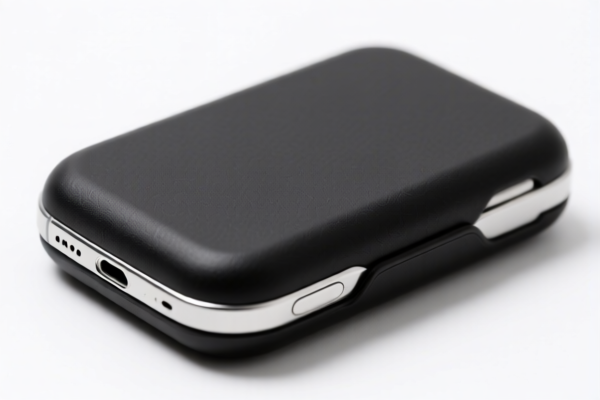
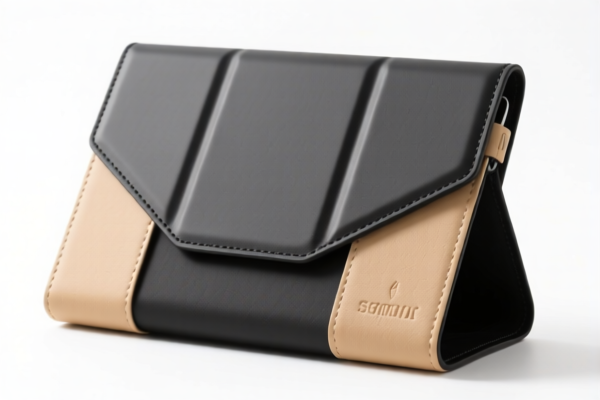
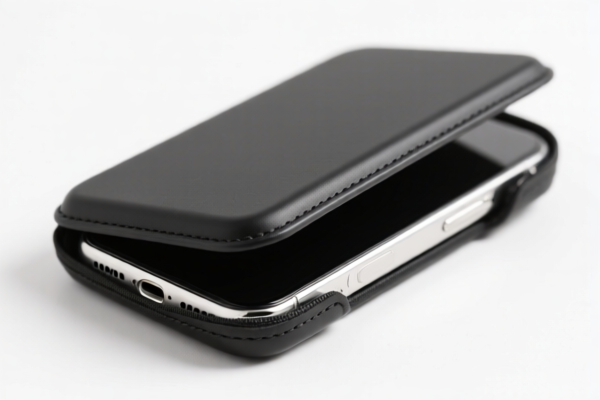
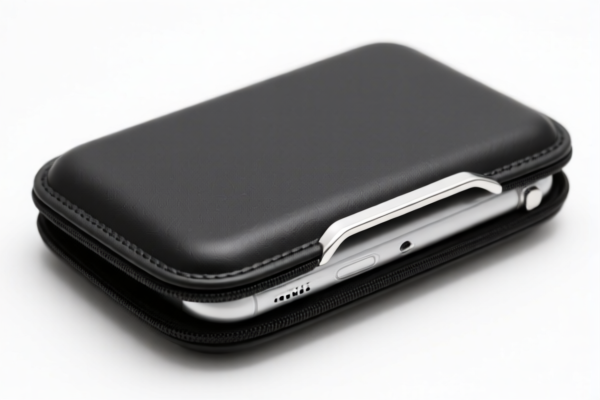
AI Analysis
🛡️ Laptop Protective Case (Tablet & PC Shells)
🌐 HS Code Reference & Customs Clearance Guide | 2026 Latest Tariff Analysis | Professional Clearance Strategy
📌 I. Product Definition & Classification: What Exactly Is a "Protective Case"?
A Laptop/Tablet Protective Case is an accessory designed to shield electronic devices from physical damage, scratches, and impacts during transport or storage. In international trade, the classification depends heavily on the material, form factor, and intended function.
These cases generally fall into two major categories: 1. Bag/Case Class (Chapter 42): If the case is primarily seen as a "container" for protection, made of plastic sheeting, textile materials, or leather-like synthetics. 2. Plastic/Product Class (Chapter 39 or Machinery Parts Chapter 84/85): If the case is a rigid shell (e.g., PC/Polycarbonate) that is more akin to a "part" of the machine or a generic plastic article, rather than a flexible container.
⚠️ Key Distinction Point:
- If it’s a soft shell, textile, or plastic sheeting-based cover meant to hold the device like a bag/container → Likely Chapter 42 (4202.92.xx).
- If it’s a rigid PC (Polycarbonate) shell or a generic plastic item not specifically described elsewhere → Likely Chapter 39 (3926.90) or Chapter 84 (8473.30/8473.50) as a part/component.
📦 II. HS Code Classification Details (2026 Latest Tariff Authority Comparison)
Based on the provided data, here are the specific HS Codes applicable to different types of protective cases:
| HS Code | Product Description | Material/Form | Classification Logic |
|---|---|---|---|
4202.92.94.00 |
Tablet Protective Case, Shell Type Container | Plastic or Textile Material | Chapter 42: Classified as "Other containers with outer surface of plastic sheeting or of textile materials." Used for protection. |
4202.92.97.00 |
Tablet Protective Case, Fallback Category | Plastic or Textile Material | Chapter 42: A "catch-all" category for protective cases under Chapter 42 when 4202.92.94 doesn't fully apply, still based on plastic/textile material. |
8473.30.91.00 |
PC Protective Shell (Rigid) | PC (Polycarbonate) | Chapter 84: Classified as a "Part/Component of a Machine". Specifically for parts of automatic data processing machines (computers/tablets). |
3926.90.99.89 |
PC Protective Shell (Generic) | Plastic (Polycarbonate) | Chapter 39: Classified as "Other Plastic Articles". Treated as a general plastic product rather than a machine part or bag. |
8473.50.90.00 |
PC Protective Shell (Accessory) | PC (Polycarbonate) | Chapter 84: Classified as "Parts and Accessories of Machines". Similar to 8473.30 but under a different subheading for parts/accessories. |
🔍 Critical Note:
- Chapter 42 Cases (4202.92.xx) are generally considered accessories/bags. - Chapter 84 Cases (8473.30/8473.50) are considered parts of the computer. - Chapter 39 Cases (3926.90) are considered generic plastic goods. - The classification significantly impacts the base tariff rate, which in turn affects the total landed cost.
💰 III. 2026 Latest Tariff Rate Breakdown (Including Surtaxes & Policy Add-ons)
✅ Applicable Country: USA (US)
✅ Country of Origin: China (CN)
✅ Effective Date: Rates apply to imports from China post-2025 policies (Section 301 & 122)
🎯 1. 4202.92.94.00 & 4202.92.97.00 —— Tablet/Case Type (Plastic/Textile)
| Item | Detail |
|---|---|
| Base Tariff | 17.6% |
| Section 301 Surcharge | +25.0% |
| Section 122 Surcharge | +10.0% |
| Total Effective Rate | 52.6% |
| Tax Calculation | CIF Value × 52.6% |
| De Minimis Exemption | ❌ Not Applicable (deny_de_minimis) |
| Legal Basis | Base Rate + USITC Footnote 301 + IEEPA Section 122 |
📌 Explanation:
- These cases are treated as consumer goods/accessories.
- They bear the highest total tax burden (52.6%) among all options due to the high base tariff (17.6%) plus the full suite of US-China punitive tariffs.
- Risk: High cost impact. Ensure the product truly fits "textile/plastic sheeting" criteria. If it's a hard shell, this might be challenged.
🎯 2. 8473.30.91.00 & 8473.50.90.00 —— PC Protective Shell (Machine Parts)
| Item | Detail |
|---|---|
| Base Tariff | 0.0% |
| Section 301 Surcharge | +25.0% |
| Section 122 Surcharge | +10.0% |
| Total Effective Rate | 35.0% |
| Tax Calculation | CIF Value × 35.0% |
| De Minimis Exemption | ❌ Not Applicable (deny_de_minimis) |
| Legal Basis | Base Rate + USITC Footnote 301 + IEEPA Section 122 |
📌 Explanation:
- If classified as parts of a computer (Polycarbonate hard shells), the base tariff is 0%.
- The total tax is 35.0%, which is 17.6% cheaper than the Chapter 42 classification.
- Strategy: If the case is a rigid PC shell that snaps onto the laptop, argue it is a "Part" rather than a "Container."
🎯 3. 3926.90.99.89 —— PC Protective Shell (Generic Plastic Article)
| Item | Detail |
|---|---|
| Base Tariff | 5.3% |
| Section 301 Surcharge | +7.5% |
| Section 122 Surcharge | +10.0% |
| Total Effective Rate | 22.8% |
| Tax Calculation | CIF Value × 22.8% |
| De Minimis Exemption | ❌ Not Applicable (deny_de_minimis) |
| Legal Basis | Base Rate + USITC Footnote 301 (Lower Rate Category) + IEEPA Section 122 |
📌 Explanation:
- This is the most cost-effective option if the product can be classified as a "Other Plastic Article" rather than a computer part or bag.
- Total Tax: 22.8% (The lowest among all options).
- Strategy: Argue that the PC shell is a generic plastic component not exclusively designed as a "part of machinery" under Ch 84, nor a "bag" under Ch 42. It is a plastic article shaped for protection.
- ⚠️ Risk: Customs may challenge this if the product is obviously branded for a specific laptop model. It must be justifiable as a generic plastic good.
🛠️ IV. Customs Clearance Practical Advice (Real-World Pitfall Guide)
✅ 1. Document Preparation Checklist (All Required)
| Document | Required | Note |
|---|---|---|
| ✅ Product Specification Sheet | ✔️ | Clearly state material (e.g., "100% Polycarbonate" vs. "Polyester Textile"). This is critical for HS Code selection. |
| ✅ Product Photos | ✔️ | Show the case empty and with the device. Highlight rigid vs. flexible nature. |
| ✅ Commercial Invoice | ✔️ | Describe accurately: "Polycarbonate Hard Shell Case for Laptop" (suggests Ch 84/39) vs. "Tablet Cover" (suggests Ch 42). |
| ✅ Packing List | ✔️ | Include model numbers and quantities. |
| ✅ Origin Certificate | ✔️ | Confirm China origin to apply correct surcharges. |
✅ 2. Declaration Strategy (Key Rules)
🔥 “Material Defines Category, Function Defines Sub-category!”
| Situation | Recommended HS Code | Why? |
|---|---|---|
| Soft Cover / Textile / Plastic Sheet | 4202.92.94.00 / 4202.92.97.00 |
Fits the definition of "Container" under Chapter 42. |
| Hard PC Shell, Generic Design | 3926.90.99.89 |
Lowest Tax (22.8%). Argue as "Other Plastic Article." |
| Hard PC Shell, Branded/Specific Fit | 8473.30.91.00 / 8473.50.90.00 |
Medium Tax (35.0%). Argue as "Part of Computer." |
📌 Important:
- Do NOT mix declarations. If you have both soft and hard cases in one shipment, declare them separately with correct HS codes. - Beware of "Part" vs. "Accessory": Customs may argue that a hard case is an "accessory" (Ch 42) rather than a "part" (Ch 84). Use technical descriptions to support "Part" classification if aiming for Ch 84.
✅ 3. Special Cases & Risk Management
| Scenario | Advice |
|---|---|
| OEM Cases (No Brand) | Easier to classify under 3926.90.99.89 (Generic Plastic) or 8473.30 (Part). Less likely to be seen as a branded "bag." |
| Branded Cases (Apple/Samsung Style) | High risk of being classified as Chapter 42 (Accessory/Bag) due to specific design. Expect 52.6% tax unless you can prove it's a generic plastic part. |
| Mixed Materials (PC + Fabric) | If fabric is the outer layer, likely Chapter 42. If PC is the main structural material, argue for Chapter 39 or 84. |
| De Minimis Loophole? | ❌ No. All listed codes are deny_de_minimis. You must pay full duties even for low-value shipments. |
🌍 V. Global Market Comparison (2026 Update)
| Market | Recommended HS Code (China Origin) | Total Tax Rate | Notes |
|---|---|---|---|
| 🇺🇸 USA | 3926.90.99.89 (Best Case) |
22.8% | Lowest rate. 4202.92 is 52.6%. |
| 🇺🇸 USA | 8473.30.91.00 |
35.0% | Alternative if "Plastic Article" is rejected. |
| 🇨🇳 China | 4202.92.xx / 3926.90.xx |
0%~13% | Low import duty, but focus on domestic sales tax (VAT). |
| 🇪🇺 EU | 4202.92.xx |
~4.5% + VAT | No US-style surcharges. Lower overall cost. |
| 🇬🇧 UK | 4202.92.xx |
~4.5% + VAT | Similar to EU post-Brexit. |
📌 Conclusion for US Market:
- The US market is exceptionally expensive for these goods due to Section 301 and 122 tariffs.
- Priority 1: Try to classify as3926.90.99.89(22.8%) by emphasizing the generic plastic material.
- Priority 2: If classification as "Part" is viable, use8473.30.91.00(35.0%).
- Avoid:4202.92.xx(52.6%) unless the product is clearly a textile/plastic sheeting bag.
📌 VI. Common Mistakes & Pitfalls (Learn from Others' Pain)
❌ Mistake 1: Declaring a rigid PC shell as 4202.92.94.00 (Tablet Case).
👉 Result: You pay 52.6% instead of potentially 22.8% or 35.0%. Overpayment of ~30% tax.
❌ Mistake 2: Declaring a textile cover as 8473.30.91.00 (Machine Part).
👉 Result: Customs may reject it as not a "part" and force a re-classification to Chapter 42, causing delays and potential penalties.
❌ Mistake 3: Assuming De Minimis ($800) applies.
👉 Result: All these codes are deny_de_minimis. Even a $10 case is subject to full duty. Do not use e-commerce low-value shipping loopholes for these items.
✅ Correct Approach:
"Polycarbonate Hard Shell, Model XYZ, 100% Plastic, No Textile, Fits Laptop 15.6 inch"
→ Supports3926.90.99.89or8473.30.91.00.
🎯 VII. Conclusion: Precision Saves Profit!
🎯 Key Takeaway:
🔹 "Plastic Shell = 22.8% (Best)"
🔹 "PC Part = 35.0% (Good)"
🔹 "Textile/Bag = 52.6% (Expensive)"
🔹 "No De Minimis Exemption"
📌 Strategic Advice:
1. Material Matters: Use pure Polycarbonate (PC) if possible to support 3926.90 or 8473.30. Avoid textile blends.
2. Description is Key: Use terms like "Hard Shell," "Enclosure," "Part of Computer" for Ch 84/39. Use "Cover," "Case," "Bag" for Ch 42.
3. Pre-Ruling: Consider applying for a US Customs Border Protection (CBP) Ruling before large shipments to lock in the 22.8% or 35.0% rate.
📣 Action Item:
📞 Consult your customs broker with product samples and material composition reports.
🚀 Optimize your HS Code to3926.90.99.89for maximum cost savings.
✨ Accurate Classification = Maximum Profit
💼 Don't let 52.6% tax eat your margin! Aim for 22.8%.
Customer Reviews
About HS Code Classification
The Harmonized System (HS) is an internationally standardized nomenclature developed by the World Customs Organization (WCO) to classify traded products. Over 200 countries use the HS system as the basis for customs tariffs, trade statistics, and import/export regulations.
Each HS code follows a hierarchical structure:
- Chapter (2 digits) — Broad category of goods (e.g., Chapter 84: Machinery and Mechanical Appliances)
- Heading (4 digits) — More specific grouping within the chapter
- Subheading (6 digits) — Internationally standardized breakdown, used by all WCO member countries
- National subdivisions (8-10 digits) — Country-specific extensions for further classification, such as US HTSUS 10-digit codes
Correct HS code classification is essential for smooth customs clearance, accurate duty payment, and compliance with trade regulations. Misclassification can lead to customs delays, overpayment of duties, or penalties.
When importing from CN to US, the applicable tariff rates may include:
- Most-Favored-Nation (MFN) rate — The standard duty rate applied to WTO members
- General rate — Applied to countries without trade agreements
- Trade remedy duties — Additional tariffs such as Section 301 (anti-dumping), Section 232 (national security), or countervailing duties
The information provided on this page is for reference purposes only. For official classification, please consult with your local customs authority or a licensed customs broker.