Large Format Art Film
CN → US| HS Code | Tariff Rate | Origin | Destination | Doc |
|---|---|---|---|---|
| 3926905000 | 21.3% | CN | US | Official Doc |
| 3926909400 | 35.0% | CN | US | Official Doc |
| 3702320160 | 38.7% | CN | US | Official Doc |
| 4911911500 | 17.5% | CN | US | Official Doc |
Product Images


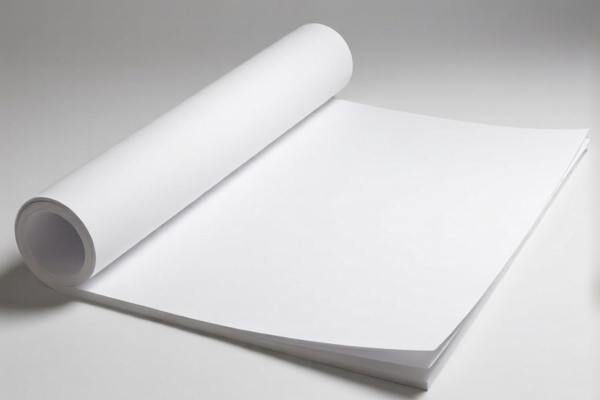
AI Analysis
🎞️ Large Format Art Film: The Ultimate Classification Guide for US Import (2026)
🌐 HS Code Reference & Customs Clearance Guide | 2026 Latest Tariff Analysis | Professional Clearance Strategy
📌 I. Product Definition & Classification: What Exactly is "Large Format Art Film"?
Large Format Art Film is a specialized photographic medium used by professional artists, architects, and industrial designers. In international trade, its classification depends entirely on its material composition and functional state. It is not a single category but a spectrum ranging from raw chemical materials to finished plastic prints.
Key Distinction:
- Chemical/Emulsion Base: If the film contains silver halide emulsion (light-sensitive), it falls under Chapter 37 (Photographic Goods).
- Plastic/Printed Base: If it is a printed image on plastic or a blank plastic sheet for artistic use, it falls under Chapter 39 (Plastics) or Chapter 49 (Printed Materials).
⚠️ Critical Warning:
- Misclassifying a chemical film as a plastic sheet can lead to under-declaration of taxes.
- Misclassifying a printed art piece as raw plastic can lead to over-declaration or rejection due to lack of proper "printed material" documentation.
📦 II. HS Code Classification Matrix (2026 Latest Tariff Authority)
Based on the provided data, here are the four possible classifications for Large Format Art Film, ranging from lowest to highest tax liability.
| HS Code | Product Description | Material/State | Key Characteristics |
|---|---|---|---|
4911.91.15.00 |
Printed Image/Art Film | Printed Material | Contains printed images for design/art; technically a "printed article." |
3926.90.50.00 |
Artistic Plastic Film | Plastic Article | Shape: Sheet/Material; Function: Related to photographic slides/art. |
3926.90.94.00 |
Plastic Polymer Sheet | Plastic/Polymers | Thin plastic sheet; No specific artistic function declared, generic polymer. |
3702.32.01.60 |
Unperforated Sensitized Film | Chemical/Emulsion | Contains silver halide emulsion; Raw photographic material. |
🔍 Analysis:
- Lowest Tax:4911.91.15.00(17.5%) – If the film is already printed with art.
- Highest Tax:3702.32.01.60(38.7%) – If it is raw, silver-halide based film.
- Middle Ground:3926codes (21.3% - 35.0%) – If it is plastic-based but not printed.
💰 III. 2026 Tariff Rate Breakdown (US Import from China)
✅ Target Market: United States (US)
✅ Origin: China (CN)
✅ Applicable Regulations: Section 301 Tariffs, IEEPA 122 Provisions
🎯 1. 4911.91.15.00 – Printed Articles (Lowest Risk)
| Item | Detail |
|---|---|
| Base Duty | 0.0% |
| Section 301 Tariff | 7.5% |
| IEEPA Section 122 Tariff | 10.0% |
| Total Effective Rate | 17.5% |
| Calculation | CIF Value × 17.5% |
| De Minimis Exemption | ❌ Not Eligible (Commercial shipment) |
| Legal Basis | Standard HS code structure + Section 301 + IEEPA 122 |
📌 Why this rate?:
- Printed materials often enjoy lower base duties.
- The total burden is significantly lower than chemical or raw plastic goods.
- Strategy: If the film is pre-printed with artistic images, always use this code.
🎯 2. 3926.90.50.00 – Other Plastic Articles (Medium Cost)
| Item | Detail |
|---|---|
| Base Duty | 3.8% |
| Section 301 Tariff | 7.5% |
| IEEPA Section 122 Tariff | 10.0% |
| Total Effective Rate | 21.3% |
| Calculation | CIF Value × 21.3% |
| De Minimis Exemption | ❌ Not Eligible |
| Legal Basis | HS 3926 + Footnote 9903.88.01 (Section 301) + IEEPA 122 |
📌 Why this rate?:
- Classified as a "plastic article" with a specific summary linking to photographic slides.
- Slightly higher base duty (3.8%) than printed goods, but lower than raw polymers.
- Strategy: Use this if the film is blank plastic but specifically marketed for artistic/slides use.
🎯 3. 3926.90.94.00 – Other Plastic Sheets (Higher Cost)
| Item | Detail |
|---|---|
| Base Duty | 0.0% |
| Section 301 Tariff | 25.0% |
| IEEPA Section 122 Tariff | 10.0% |
| Total Effective Rate | 35.0% |
| Calculation | CIF Value × 35.0% |
| De Minimis Exemption | ❌ Not Eligible |
| Legal Basis | HS 3926 + High Section 301 Footnote + IEEPA 122 |
📌 Why this rate?:
- While the base duty is 0%, the Section 301 tariff is 25% (higher than the 7.5% in other plastic codes).
- This code is for "thin plastic sheets" without specific artistic function declaration.
- Risk: If customs verifies the item is "art film," they may force a re-classification to4911or3702.
🎯 4. 3702.32.01.60 – Sensitized Film (Highest Cost)
| Item | Detail |
|---|---|
| Base Duty | 3.7% |
| Section 301 Tariff | 25.0% |
| IEEPA Section 122 Tariff | 10.0% |
| Total Effective Rate | 38.7% |
| Calculation | CIF Value × 38.7% |
| De Minimis Exemption | ❌ Not Eligible |
| Legal Basis | HS 3702 + High Section 301 Footnote + IEEPA 122 |
📌 Why this rate?:
- Classified as chemical/sensitized material (silver halide).
- Subject to the highest Section 301 tariff (25%) for plastics/chemicals in this dataset.
- Strategy: Only use if the product is explicitly unexposed, chemically coated photographic film. Do not use for plastic prints.
🛠️ IV. Customs Clearance Practical Advice
✅ 1. Documentation Checklist (Mandatory)
| Document | Requirement | Purpose |
|---|---|---|
| Commercial Invoice | Must specify: "Large Format Art Film" + Material (Plastic/Chemical) + Status (Printed/Blank) | Determines HS Code. |
| Product Specifications | Detail: Dimensions, Coating (Silver Halide vs. Inkjet Printable), Roll/Sheet format | Proves classification. |
| Photos of Product | Show label, content (if printed), and packaging | Prevents "Misdeclaration" penalties. |
| Material Safety Data Sheet (MSDS) | Required for 3702 (Chemical film) due to hazardous chemicals |
Customs safety check. |
| Certificate of Origin | Proof of China origin | Triggers IEEPA/Section 301 tariffs. |
✅ 2. Declaration Strategy (Key Tips)
🔥 "Define the Material, Not Just the Use!"
| Scenario | Correct HS Code | Why? |
|---|---|---|
| Pre-printed Art Posters/Films | 4911.91.15.00 |
It is a "printed image," not raw material. Lowest tax (17.5%). |
| Blank Plastic Art Paper/Film | 3926.90.50.00 |
Plastic article used for art/slides. Mid tax (21.3%). |
| Blank Silver Halide Film | 3702.32.01.60 |
Chemical/sensitized. Highest tax (38.7%). |
| Generic Plastic Sheets for Art | 3926.90.94.00 |
Thin polymer sheet. High Section 301 (35.0%). |
📌 Critical Note:
- If you declare Chemical Film (3702) but the product is Plastic (3926), customs may impose fraud penalties.
- If you declare Plastic (3926) but the product is Printed Art (4911), you may face re-classification and back-taxes.
✅ 3. Special Cases
| Situation | Recommendation |
|---|---|
| Mixed Shipment (Printed + Blank) | Split the invoice. Declare printed items as 4911 and blank as 3926 or 3702. Do not lump them into one higher-cost code. |
| "Digital Art Film" (Inkjet Printable) | Usually classified as 3926.90.50.00 (Plastic article) unless printed. If printed, use 4911.91.15.00. |
| Samples | If value is low and intended for sample use, ensure proper "Sample" declaration, but note that Section 301 tariffs still apply to China-origin goods in most cases. |
🌍 V. Global Market Comparison (2026)
| Market | Recommended HS Code | Est. Total Tariff (China Origin) | Notes |
|---|---|---|---|
| 🇺🇸 USA | 4911.91.15.00 (Printed) |
17.5% | Lowest cost. Use for printed art. |
| 🇺🇸 USA | 3702.32.01.60 (Chemical) |
38.7% | Highest cost. Avoid if possible. |
| 🇪🇺 EU | 3926 / 4911 | ~0-6% | No Section 301. Much cheaper. |
| 🇨🇳 China | 3926 / 4911 | ~0-6% | No Section 301. |
📌 Conclusion:
- USA is the most expensive market due to Section 301 and IEEPA tariffs.
- Printed Art Film (4911) is the most cost-effective classification for US import.
- Chemical Film (3702) is the most expensive and logistically complex (MSDS required).
📌 VI. Common Mistakes & Pitfalls (Learn from Others' Errors)
❌ Mistake 1: Declaring Printed Art Film as Plastic Sheets (3926.90.94.00)
👉 Consequence: You pay 35% instead of 17.5%. Unnecessary cost increase!
❌ Mistake 2: Declaring Blank Plastic Film as Chemical Film (3702)
👉 Consequence: Customs requests MSDS, delays shipment, and may assess 38.7% tax. High risk of seizure if documents are missing.
❌ Mistake 3: Ignoring IEEPA Section 122
👉 Consequence: All four HS codes in the data include a 10% IEEPA tariff. Failing to include this in your cost calculation will lead to budget shortfalls.
✅ Best Practice:
Use
4911.91.15.00whenever the film contains printed images.
Use3926.90.50.00for blank plastic artistic media.
Reserve3702only for traditional silver-halide photographic film.
🎯 VII. Final Recommendation: Optimize Your Costs!
🎯 Remember the Formula:
Printed = 17.5%
Plastic Art = 21.3%
Plastic Generic = 35.0%
Chemical Film = 38.7%📌 Action Item:
1. Check your product: Is it printed? → Use4911.
2. Is it blank plastic? → Use3926.90.50.00.
3. Is it chemical film? → Prepare MSDS, expect3702.
4. Never guess: Provide clear photos and specs to your customs broker to lock in the correct code.
📣 Immediate Action Required:
📞 Consult your customs broker with the product samples.
📄 Prepare detailed specs (Material: Plastic/Chemical, State: Printed/Blank).
💰 Calculate landed cost using the correct HS Code to avoid surprise fees.
✨ Professional Clearance, Precise Classification, Maximized Profit!
💼 Don't let tariff mistakes eat your margin!
Customer Reviews
About HS Code Classification
The Harmonized System (HS) is an internationally standardized nomenclature developed by the World Customs Organization (WCO) to classify traded products. Over 200 countries use the HS system as the basis for customs tariffs, trade statistics, and import/export regulations.
Each HS code follows a hierarchical structure:
- Chapter (2 digits) — Broad category of goods (e.g., Chapter 84: Machinery and Mechanical Appliances)
- Heading (4 digits) — More specific grouping within the chapter
- Subheading (6 digits) — Internationally standardized breakdown, used by all WCO member countries
- National subdivisions (8-10 digits) — Country-specific extensions for further classification, such as US HTSUS 10-digit codes
Correct HS code classification is essential for smooth customs clearance, accurate duty payment, and compliance with trade regulations. Misclassification can lead to customs delays, overpayment of duties, or penalties.
When importing from CN to US, the applicable tariff rates may include:
- Most-Favored-Nation (MFN) rate — The standard duty rate applied to WTO members
- General rate — Applied to countries without trade agreements
- Trade remedy duties — Additional tariffs such as Section 301 (anti-dumping), Section 232 (national security), or countervailing duties
The information provided on this page is for reference purposes only. For official classification, please consult with your local customs authority or a licensed customs broker.