Laser Envelope
CN → US| HS Code | Tariff Rate | Origin | Destination | Doc |
|---|---|---|---|---|
| 4817100000 | 35.0% | CN | US | Official Doc |
| 4817202000 | 35.0% | CN | US | Official Doc |
Product Images
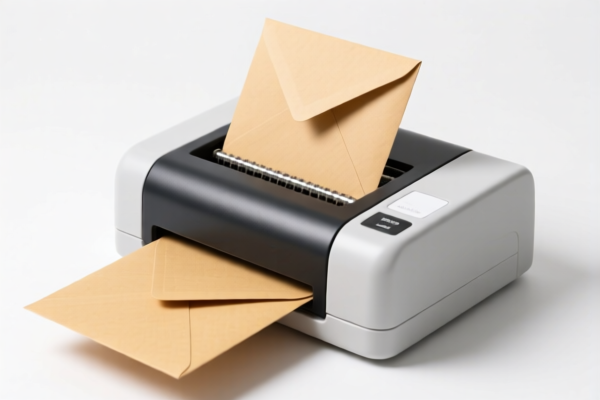
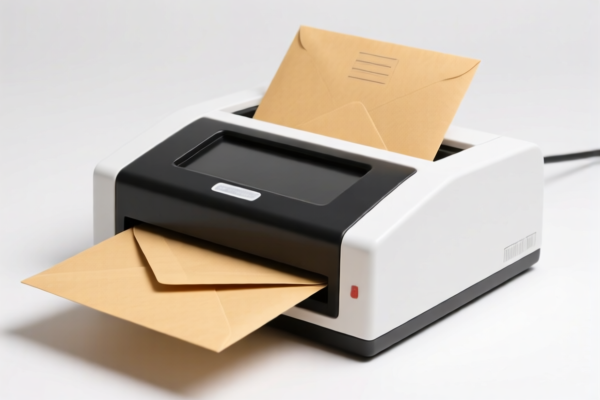
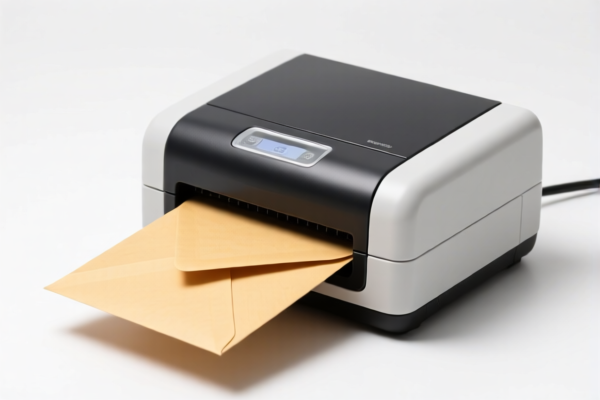
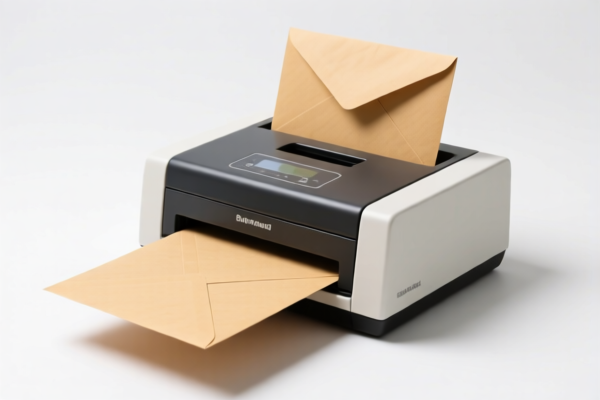
AI Analysis
📬 Laser Envelopes (Addressing Envelopes with Integrated Addressing Technology)
🌐 HS Code Reference & Customs Clearance Guide | 2026 Latest Tariff Analysis | Professional Logistics Strategy
📌 I. Product Definition & Classification: What Exactly is a "Laser Envelope"?
A Laser Envelope is not a simple paper bag. It is a specialized packaging product designed for high-volume, automated addressing. These envelopes are manufactured with a specific high-gloss, coated surface (often resin-coated or synthetic) that allows laser printers or industrial addressing machines to print addresses, barcodes, or tracking numbers directly onto the paper without ink smudging or absorption issues.
In international trade, classification depends heavily on the material composition and manufacturing process:
1. Paper-Based Laser Envelopes:
- Made primarily from paper (kraft, white, or coated).
- The "laser" aspect refers to the surface treatment (coating), not the material itself.
- Key Feature: High brightness, smooth surface, non-porous coating for toner adherence.
2. Synthetic/Polymer Laser Envelopes:
- Made from plastics (PP, PE, PET) or metallized films.
- Used for waterproof, tamper-evident, or premium mailing.
- Key Feature: Plastic base, often with a printable polymer layer.
⚠️ Critical Distinction:
- If the envelope is paper-based (even if coated) → Generally falls under Paper Products.
- If the envelope is fully plastic/synthetic → Falls under Plastic Products.
- Do NOT classify as "Stationery" (HS 4820) if it is a large mailing envelope (HS 4819). Classification hinges on size and primary use.
📦 II. HS Code Classification Details (2026 Latest Tariff Standards)
| HS Code | Product Description | Applicable Scenario | Material Basis |
|---|---|---|---|
4819.10.00.00 |
Cartons, boxes, and cases, of corrugated paper or paperboard | Large shipping envelopes with reinforced corrugated backing (if applicable) | Paper/Cardboard |
4819.20.00.00 |
Folding cartons, of all fiber | Not typically used for envelopes; reserved for boxes | Paper |
4819.40.00.00 |
Sacks and bags, of paper, paperboard, cellulose wadding or webs of cellulose fibers | Most Common for Laser Envelopes. Includes mailers, mailing sacks, and bags made of paper. | Paper |
4819.50.00.00 |
Other packets and envelopes, of paper or paperboard | Standard Laser Envelopes. Includes windowed envelopes, padded paper envelopes, and simple mailers. | Paper |
3923.21.00.00 |
Sacks and bags, of polymers, with a base of polyethylene | Plastic Laser Envelopes. PP/PE mailers with printable surfaces. | Plastic |
3923.29.00.00 |
Other sacks and bags, of plastics | Complex polymer mailers, metallized bags with printing capability. | Plastic |
🔍 Key Classification Rule:
- 70%+ of standard laser envelopes are classified under4819.50.00.00(Packets/Envelopes of Paper).
- The "laser-ready coating" is considered a finishing process for paper, not a change in fundamental material nature.
- If the envelope is padded (bubble liner inside), it may still fall under4819.50.00.00if the outer layer is paper, but check if it’s considered a "packaging article" under4819.40.00.00.
💰 III. 2026 Latest Tariff Rate Breakdown (Including Duties, Surcharges)
✅ Applicable Country: United States (US)
✅ Origin: China (CN)
✅ Effective Date: November 10, 2025 onwards
🎯 1. 4819.50.00.00 —— Packets and Envelopes, of Paper or Paperboard
| Item | Content |
|---|---|
| Base Tariff | 0% (ad valorem) |
| USITC Surcharge (Section 301) | +7.5% (Most paper packaging items are in the 7.5% tier, not 25%) |
| IEEPA Surcharge | +10% (Specific to China origin under IEEPA) |
| Total Tariff Rate | 17.5% |
| Tax Calculation | CIF Value × 17.5% |
| De Minimis Eligibility | ✅ Yes (For shipments ≤ $800, no duty/tax) |
| Legal Path | USITC:4819.50.00.00 → Section 301: Footnote 9903.88.01 → IEEPA:9903.01.25 |
📌 Explanation:
- Paper envelopes are not in the high-risk 25% technology list.
- However, the IEEPA 10% surcharge applies to all Chinese-origin consumer goods, including packaging.
- Total 17.5% is manageable but must be factored into pricing.
🎯 2. 3923.21.00.00 —— Sacks/Bags of Polyethylene (Plastic Envelopes)
| Item | Content |
|---|---|
| Base Tariff | 0% |
| USITC Surcharge (Section 301) | +7.5% |
| IEEPA Surcharge | +10% |
| Total Tariff Rate | 17.5% |
| Tax Calculation | CIF Value × 17.5% |
| De Minimis Eligibility | ✅ Yes (For shipments ≤ $800) |
📌 Note:
- Plastic envelopes face the same tariff structure as paper ones.
- Ensure the HS code reflects polyethylene (PE) vs. polypropylene (PP) if specified.
🛠️ IV. Customs Clearance Practical Advice (Real-World Pitfall Avoidance)
✅ 1. Required Documentation Checklist
| Document | Mandatory? | Description |
|---|---|---|
| ✅ Product Specification Sheet | ✔️ | Must state material (Paper vs. Plastic), GSM (weight), coating type (Laser-ready). |
| ✅ Commercial Invoice | ✔️ | Clearly describe as "Laser-Ready Mailing Envelopes, Paper", NOT just "Envelopes" or "Paper Bags". |
| ✅ Material Declaration | ✔️ | Confirm if ink/adhesive contains hazardous materials (for plastic/padded types). |
| ✅ Photo of Product | ✔️ | Show the coated surface and any window/padding. |
| ✅ Packing List | ✔️ | Include dimensions and count per carton. |
✅ 2. Classification Strategy (Key Mnemonic)
🔥 “Paper Coated = 4819, Plastic Base = 3923, Don’t Mix!”
| Scenario | Correct HS Code | Incorrect Code | Consequence |
|---|---|---|---|
| Standard White Laser Envelope (Paper) | 4819.50.00.00 |
4820.10.00.00 (Stationery) |
Stationery may have different duty/monitoring; avoid misclassification. |
| Laser Envelope with Bubble Liner (Paper Outer) | 4819.50.00.00 |
4823.90.00.00 (Other Paper Articles) |
Must be "Envelope/Packet" for clarity. |
| Poly Mailer with Printer-Friendly Surface | 3923.21.00.00 |
4819.50.00.00 |
Plastic misclassified as paper → Seizure/Fine. |
✅ 3. Special Scenarios
| Scenario | Handling Advice |
|---|---|
| Windowed Laser Envelopes | Still 4819.50.00.00. The plastic window is considered a minor component. |
| Padded Laser Envelopes | If outer is paper, use 4819.50.00.00. If outer is plastic, use 3923.29.00.00. |
| Bulk Roll Stock | If imported as rolls for on-demand printing, classify under Paper Rolls (4819.40.00.00 or 4819.50.00.00 depending on form). |
| Eco-Friendly/Biodegradable | Must provide Biodegradability Certification to avoid anti-plastic tariffs in EU/Canada. |
🌍 V. Global Market Comparison (2026)
| Country/Region | Recommended HS Code | Tariff (CN Origin) | Certification | Notes |
|---|---|---|---|---|
| 🇺🇸 USA | 4819.50.00.00 |
17.5% (10% IEEPA + 7.5% 301) | None specific | De Minimis applies for small parcels. |
| 🇨🇳 China | 4819.50.00.00 |
0% | None | Major manufacturing hub. |
| 🇪🇺 EU | 4819.50.00.00 |
0% (if GSP eligible, else ~6.5%) | CE (if plastic), REACH | Strict on plastic waste; prefer paper. |
| 🇨🇦 Canada | 4819.50.00.00 |
0% (under CUSMA for eligible, else ~5%) | None | Paper envelopes are low-risk. |
| 🇯🇵 Japan | 4819.50.00.00 |
3.1% | None | Stable tariff. |
📌 Conclusion:
- USA: Factor in 17.5% total duty.
- EU: Focus on sustainability. Paper envelopes are preferred over plastic to avoid plastic taxes.
- China: Zero duty, but high export volume.
📌 VI. Common Errors & Pitfall Guide (Lessons Learned)
❌ Error 1: Classifying Laser Envelopes as "Stationery" (HS 4820)
👉 Result: Stationery codes often have higher monitoring or different duty rates. Envelopes for mailing are packaging articles, not writing instruments.
👉 Correct: 4819.50.00.00.
❌ Error 2: Missing "Laser-Ready" in Description
👉 Result: Customs may classify as generic "paper bags" (4819.40.00.00), which might have different surcharge eligibility.
👉 Correct: Always specify "Coated for Laser Printing" to justify high-quality grade.
❌ Error 3: Misclassifying Plastic Mailers as Paper
👉 Result: Severe Penalty. Plastic envelopes are subject to microplastic taxes in some jurisdictions and different HS codes.
👉 Correct: Check material: If it tears like plastic, it’s 3923.
✅ Correct Declaration Example:
"Laser-Ready Mailing Envelopes, Paper, 6x9 inch, Coated Surface, for Addressing Machines, No Windows"
🎯 VII. Conclusion: Smart Clearance, Lower Costs!
🎯 Remember the Mnemonic:
🔹 "Paper Laser = 4819, Plastic Laser = 3923, IEEPA 10% Applies!"
🔹 "De Minimis Saves You on Small Parcels, But Bulk Shipments Pay 17.5%!"
📌 Pro Tip:
- For US Imports, if your total shipment value is under $800, you may qualify for Section 321 De Minimis exemption, paying $0 duty. This is critical for e-commerce sellers sending sample batches.
- For Bulk Shipments, negotiate tariff engineering with your supplier: Ensure the HS code is precisely 4819.50.00.00 and not a higher-tariff paper article.
📣 Immediate Action:
📞 Verify Material: Paper vs. Plastic.
📦 Calculate Landed Cost: CIF × (1 + 17.5%).
🚀 Optimize Packaging: Use De Minimis for small orders, Bulk for LCL/FCL.
✨ Precision in Classification, Profit in Logistics!
💼 Your Envelope’s Journey Starts with the Right HS Code!
Customer Reviews
About HS Code Classification
The Harmonized System (HS) is an internationally standardized nomenclature developed by the World Customs Organization (WCO) to classify traded products. Over 200 countries use the HS system as the basis for customs tariffs, trade statistics, and import/export regulations.
Each HS code follows a hierarchical structure:
- Chapter (2 digits) — Broad category of goods (e.g., Chapter 84: Machinery and Mechanical Appliances)
- Heading (4 digits) — More specific grouping within the chapter
- Subheading (6 digits) — Internationally standardized breakdown, used by all WCO member countries
- National subdivisions (8-10 digits) — Country-specific extensions for further classification, such as US HTSUS 10-digit codes
Correct HS code classification is essential for smooth customs clearance, accurate duty payment, and compliance with trade regulations. Misclassification can lead to customs delays, overpayment of duties, or penalties.
When importing from CN to US, the applicable tariff rates may include:
- Most-Favored-Nation (MFN) rate — The standard duty rate applied to WTO members
- General rate — Applied to countries without trade agreements
- Trade remedy duties — Additional tariffs such as Section 301 (anti-dumping), Section 232 (national security), or countervailing duties
The information provided on this page is for reference purposes only. For official classification, please consult with your local customs authority or a licensed customs broker.