Laser Head
CN → US| HS Code | Tariff Rate | Origin | Destination | Doc |
|---|---|---|---|---|
| 9033002000 | 35.0% | CN | US | Official Doc |
| 9033009000 | 39.4% | CN | US | Official Doc |
| 9013809100 | 22.0% | CN | US | Official Doc |
| 9013200000 | 35.0% | CN | US | Official Doc |
Product Images
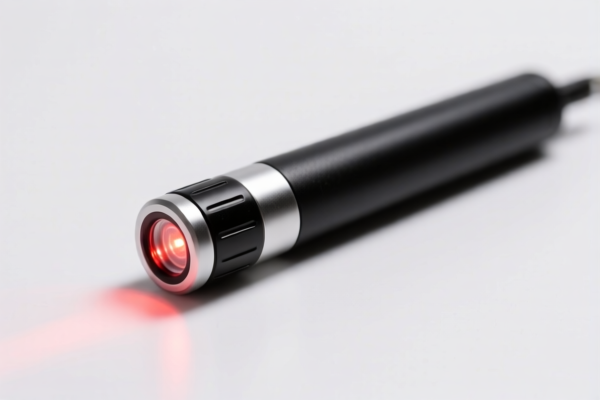
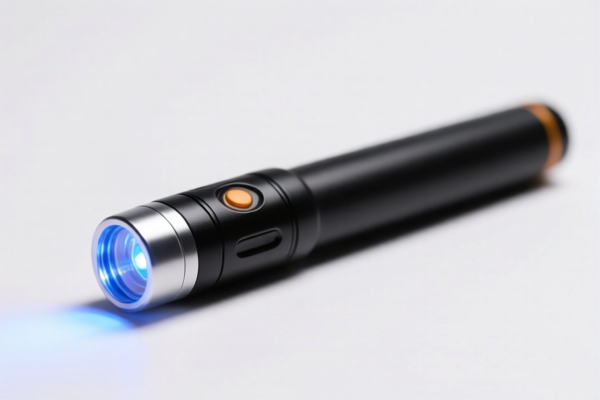
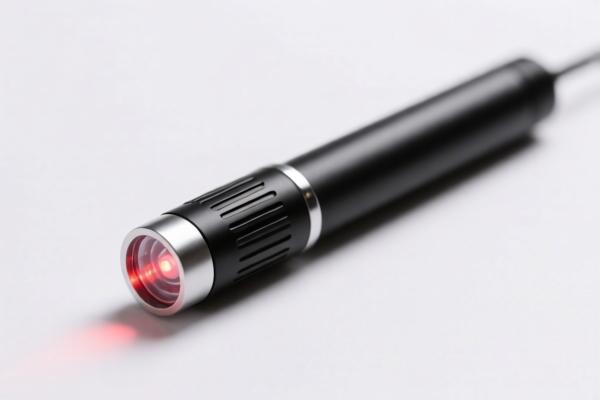
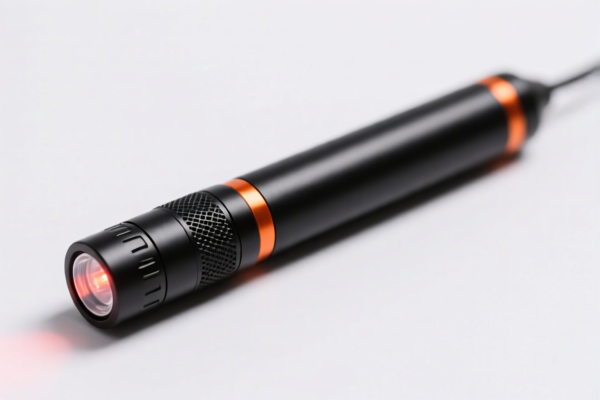
AI Analysis
🔦 Laser Head (Lasers/Components) – The High-Stakes Importer’s Guide
🌐 HS Code Reference & Customs Clearance Strategy | 2026 Latest Tariff Analysis | Professional-Level Entry Protocols
📌 I. Product Definition & Classification: Do You Really Understand a "Laser Head"?
A Laser Head is not just a single component; it is a complex electromechanical assembly that serves as the core output unit in laser processing, medical, or consumer devices. In international trade, its classification hinges on functional logic and structural composition.
Key Distinctions:
- As a Core Component of Lighting/Illumination: If viewed structurally similar to LED backlights or optical modules for lighting, it may fall under Chapter 90 accessories.
- As a Machine Part: If considered an accessory to a larger laser machine or optical device, it falls under "Parts of Machines."
- As a Laser Source/Component: If defined by its core function (generating or directing laser light), it falls under Chapter 90 (Optical/Laser equipment).
⚠️ Critical Classification Logic:
- Structural View: Is it just an optical assembly (like a lens + diode)? → Look at 9033.
- Functional View: Is it the active laser element? → Look at 9013.
- Regulatory Impact: The chosen HS Code drastically changes the Total Tax Rate (from 22% to 39.4%) due to varying "Section 301" and "122 Clause" surcharges.
📦 II. HS Code Classification Matrix (2026 Authorized Tariff Reference)
Based on the provided dataset, here are the four specific HS Codes applicable to Laser Heads, along with their rationale and tax implications.
| HS Code | Product Description | Classification Rationale | Total Tax Rate | Tax Composition |
|---|---|---|---|---|
| 9033.00.20.00 | Optical/Machine Core Component (Lighting Logic) | Treated as a component similar to LED backlight modules. Fits the structural logic of illumination components. | 35.0% | Base: 0% Section 301: 25% Clause 122: 10% |
| 9033.00.90.00 | Parts & Accessories of Optical/Laser Devices | Classified as "Other Parts/Accessories" of Chapter 90 machines. Broad catch-all for machine components. | 39.4% | Base: 4.4% Section 301: 25% Clause 122: 10% |
| 9013.80.91.00 | Laser Component (Non-Diode Laser) | Defined by its function: A component related to laser generators. Fits the usage category of lasers (excluding laser diodes). | 22.0% | Base: 4.5% Section 301: 7.5% Clause 122: 10% |
| 9013.20.00.00 | Laser Unit (Core Material & Function) | Defined by core function: A laser unit. Fits the usage and core material attributes of lasers (excluding laser diodes). | 35.0% | Base: 0% Section 301: 25% Clause 122: 10% |
🔍 Analysis of Tax Discrepancy:
- Lowest Rate (22.0%): HS Code9013.80.91.00. This is the most tax-efficient classification for laser heads that can be strictly defined as "laser components" rather than general machine parts.
- Highest Rate (39.4%): HS Code9033.00.90.00. Using a broad "Parts/Accessories" definition incurs a 4.4% base tariff on top of the surcharges.
- Common Rate (35.0%): Both9033.00.20.00and9013.20.00.00result in 35%, but for different reasons (Zero base vs. Zero base).
💰 III. 2026 Tariff Rate Breakdown & Policy Details
✅ Target Market: United States (US)
✅ Origin: China (CN)
✅ Effective Date: Current policy framework (includes Section 301 & Section 122 surcharges)
🎯 Scenario A: The "Optical Component" Approach (HS Code 9033)
1. 9033.00.20.00 (Lighting Structure Logic)
| Item | Detail |
|---|---|
| Base Tariff | 0.0% |
| Section 301 Surcharge | +25.0% |
| Section 122 Surcharge | +10.0% |
| Total Effective Rate | 35.0% |
| Calculation Basis | CIF Value × 35.0% |
| Legal Path | USITC:9033.00.20.00 → Footnote: 301 (25%) → Footnote: 122 (10%) |
2. 9033.00.90.00 (General Parts/Accessories)
| Item | Detail |
|---|---|
| Base Tariff | 4.4% |
| Section 301 Surcharge | +25.0% |
| Section 122 Surcharge | +10.0% |
| Total Effective Rate | 39.4% |
| Calculation Basis | CIF Value × 39.4% |
| Legal Path | USITC:9033.00.90.00 → Footnote: 301 (25%) → Footnote: 122 (10%) |
📌 Note: The 4.4% base tariff makes this the most expensive option. Avoid this if a functional classification (9013) is possible.
🎯 Scenario B: The "Laser Function" Approach (HS Code 9013)
3. 9013.80.91.00 (Best Value Option)
| Item | Detail |
|---|---|
| Base Tariff | 4.5% |
| Section 301 Surcharge | +7.5% |
| Section 122 Surcharge | +10.0% |
| Total Effective Rate | 22.0% |
| Calculation Basis | CIF Value × 22.0% |
| Legal Path | USITC:9013.80.91.00 → Footnote: 301 (7.5%) → Footnote: 122 (10%) |
4. 9013.20.00.00 (Core Unit Classification)
| Item | Detail |
|---|---|
| Base Tariff | 0.0% |
| Section 301 Surcharge | +25.0% |
| Section 122 Surcharge | +10.0% |
| Total Effective Rate | 35.0% |
| Calculation Basis | CIF Value × 35.0% |
| Legal Path | USITC:9013.20.00.00 → Footnote: 301 (25%) → Footnote: 122 (10%) |
📌 Key Insight:
- HS Code 9013.80.91.00 is the only option with a reduced Section 301 rate (7.5%). This is significantly lower than the standard 25% or 301 rates applied to other categories.
- HS Code 9013.20.00.00 has a 0% base but suffers the full 25% Section 301 surcharge.
🛠️ IV. Customs Clearance Best Practices (Avoiding Pitfalls)
✅ 1. Documentation Checklist (Mandatory)
| Document | Required? | Reason |
|---|---|---|
| ✅ Product Specification Sheet | ✔️ | Must explicitly state if the item is a "Laser Head," "Optical Module," or "Machine Part." |
| ✅ Schematic/Circuit Diagram | ✔️ | Crucial for proving whether it functions as a "Laser Source" (9013) or a "Mechanical Part" (9033). |
| ✅ Product Photos (Labeled) | ✔️ | Show branding, model numbers, and connection interfaces. |
| ✅ Third-Party Test Reports | ✔️ | IEC 60825 (Laser Safety), CE, or FCC compliance. |
| ✅ Commercial Invoice | ✔️ | Must describe the goods accurately. Do not use vague terms like "Electronic Part." |
| ✅ Bill of Lading/Air Waybill | ✔️ | Standard shipping documents. |
✅ 2. Declaration Strategy (The "Function vs. Form" Test)
| Scenario | Recommended HS Code | Risk Level | Why? |
|---|---|---|---|
| Laser Head as part of a laser engraver | 9013.80.91.00 |
✅ Low | Defined by function. Lowest tax (22%). Requires proof it's a laser component. |
| Laser Head sold as a standalone optical module | 9033.00.20.00 |
⚠️ Medium | Tax is 35%. Accepted if it matches LED backlight structural logic. |
| Generic "Part for Laser Machine" | 9033.00.90.00 |
❌ High | Tax is 39.4%. Avoid this unless no other classification fits. |
| Laser Diode Assembly (Core Unit) | 9013.20.00.00 |
⚠️ Medium | Tax is 35%. High Section 301 surcharge despite 0% base. |
🔥 Pro Tip:
"Define by Function, Not Just Structure."
If you declare it as a "Part of a Machine" (9033), you pay higher base + high surcharges. If you declare it by its Laser Function (9013), you may qualify for the reduced 7.5% Section 301 surcharge (for9013.80.91.00).
✅ 3. Special Cases & Exemptions
| Case | Advice |
|---|---|
| OEM Components | Provide the final product's HS Code and explain the component's role. Use 9013.80.91.00 if possible. |
| High-Power Industrial Laser Heads | Likely to fall under 9013.80.91.00. Ensure laser safety certificates are included. |
| Consumer Laser Pointers/Components | May be scrutinized under 9013. Ensure compliance with laser safety standards. |
| Parts Included in a Shipment | If shipped with the main machine, ensure the main machine's HS Code is declared. Do not separate unless necessary for valuation. |
🌍 V. Global Market Comparison (2026)
| Region | Recommended HS Code | Est. Tariff (China Origin) | Key Requirements |
|---|---|---|---|
| 🇺🇸 USA | 9013.80.91.00 |
22.0% | IEC 60825, FCC (if applicable) |
| 🇨🇳 China | 9013.80.91.00 |
~5-10% (MFN) | CCC (if applicable), RoHS |
| 🇪🇺 EU | 9013.80 |
~0-2.5% (Most Favored Nation) | CE Marking, RoHS, WEEE |
| 🇯🇵 Japan | 9013.80 |
~0-5% | PSE Mark (for electrical parts) |
📌 Conclusion:
The USA has the most complex tariff structure due to Section 301 and Clause 122 surcharges.
China, EU, and Japan generally have lower base tariffs and no Section 301-style surcharges.
📌 VI. Common Errors & Pitfalls (Learn from Mistakes)
❌ Error 1: Declaring a Laser Head as a "General Electronic Component" (e.g., 8542).
👉 Result: Customs will reclassify to 9013 or 9033, leading to back taxes and penalties.
❌ Error 2: Using "Part of Machine" (9033.90) without justification.
👉 Result: You pay 39.4% instead of 22.0%. Loss of $17,400 per $100k shipment.
❌ Error 3: Ignoring the "Clause 122" surcharge.
👉 Result: Many importers forget the 10% Clause 122 surcharge. It applies to ALL these codes.
❌ Error 4: Inconsistent Descriptions.
👉 Result: Invoice says "Laser Head," Packing List says "Optical Lens." Customs flags for inspection.
✅ Correct Declaration Example:
"Laser Head Assembly, Model XYZ, for Industrial Laser Cutter, Includes Optical Lens and Diode Module, IEC 60825 Compliant"
🎯 VII. Conclusion: Optimize Your HS Code to Save Costs
🎯 Key Takeaway:
🔹 HS Code
9013.80.91.00is the GOLD STANDARD for Laser Heads.
🔹 It offers the lowest total tax rate (22%) due to the reduced Section 301 surcharge (7.5%).
🔹 Avoid9033.00.90.00(39.4%) unless absolutely necessary.🔹 "Function Over Form" – Prove it's a laser component, not just a mechanical part.
📌 Action Plan:
1. Review Product Specs: Confirm if it fits "Laser Component" (9013) or "Machine Part" (9033).
2. Select HS Code 9013.80.91.00 if it is a laser-related component.
3. Prepare Documentation: Schematics, Safety Certs, and Clear Descriptions.
4. Consult Customs Broker: File a Pre-Ruling if unsure about the classification.
📣 Final Word:
🚀 Don't let a 17.4% tax difference erase your profit margin.
💼 Precision in HS Classification is the key to cost-effective global trade.
✨ Professional Clearance Starts with Smart Classification!
💰 Every Dollar Saved on Tariffs is a Dollar Added to Your Bottom Line!
Customer Reviews
About HS Code Classification
The Harmonized System (HS) is an internationally standardized nomenclature developed by the World Customs Organization (WCO) to classify traded products. Over 200 countries use the HS system as the basis for customs tariffs, trade statistics, and import/export regulations.
Each HS code follows a hierarchical structure:
- Chapter (2 digits) — Broad category of goods (e.g., Chapter 84: Machinery and Mechanical Appliances)
- Heading (4 digits) — More specific grouping within the chapter
- Subheading (6 digits) — Internationally standardized breakdown, used by all WCO member countries
- National subdivisions (8-10 digits) — Country-specific extensions for further classification, such as US HTSUS 10-digit codes
Correct HS code classification is essential for smooth customs clearance, accurate duty payment, and compliance with trade regulations. Misclassification can lead to customs delays, overpayment of duties, or penalties.
When importing from CN to US, the applicable tariff rates may include:
- Most-Favored-Nation (MFN) rate — The standard duty rate applied to WTO members
- General rate — Applied to countries without trade agreements
- Trade remedy duties — Additional tariffs such as Section 301 (anti-dumping), Section 232 (national security), or countervailing duties
The information provided on this page is for reference purposes only. For official classification, please consult with your local customs authority or a licensed customs broker.