Latex Condom
CN → US| HS Code | Tariff Rate | Origin | Destination | Doc |
|---|---|---|---|---|
| 3926201010 | 10.0% | CN | US | Official Doc |
| 4014100000 | 10.0% | CN | US | Official Doc |
| 3926902100 | 21.7% | CN | US | Official Doc |
| 4014905000 | 14.2% | CN | US | Official Doc |
| 3926902100 | 21.7% | CN | US | Official Doc |
Product Images
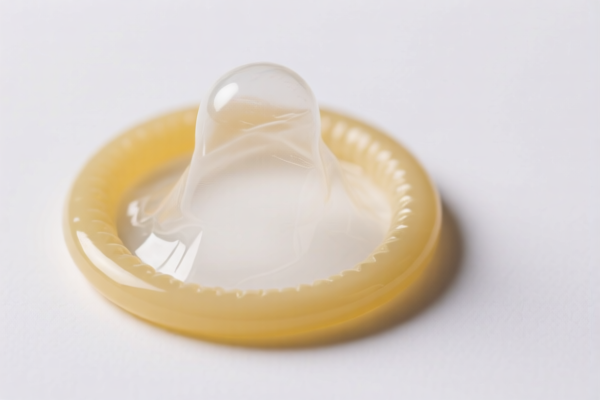
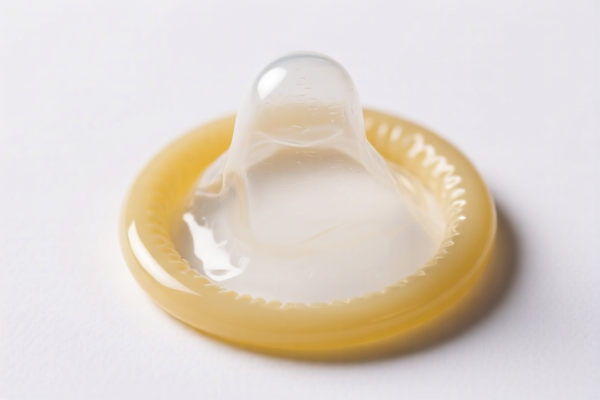
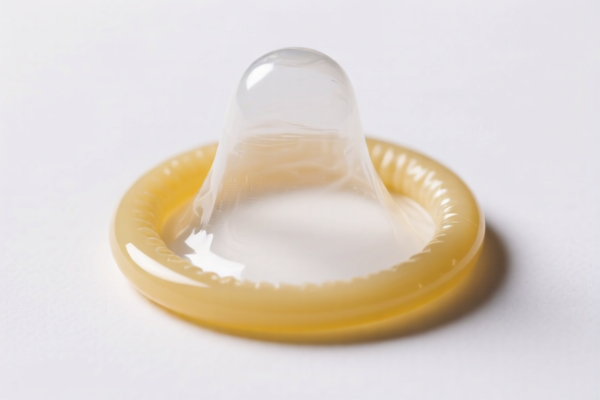
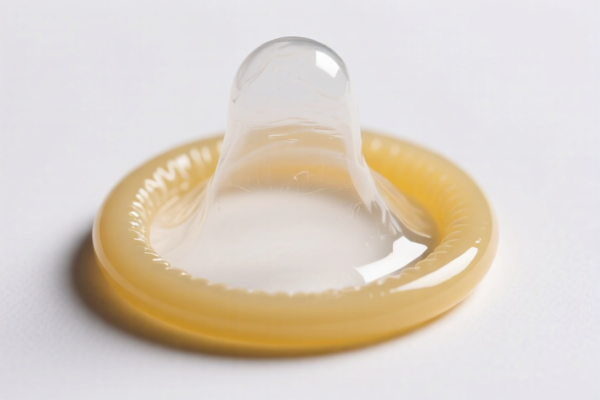
AI Analysis
🎈 Latex Condoms (Male Contraceptives)
🌐 HS Code Reference & Customs Clearance Guide | 2026 Latest Tariff Analysis | Professional Clearance Strategy
📌 I. Product Definition & Classification: Do You Really Understand "Latex Condoms"?
Male latex condoms are personal hygiene and medical protective products. In international trade, their classification depends heavily on the material composition (Sulfurized Rubber vs. Plastic/Rubber blend) and the specific functional description (Contraceptive vs. General Hygiene). The U.S. Customs and Border Protection (CBP) distinguishes between these based on whether the item is classified as a "medical/health supply" or a "plastic article," which drastically affects the tariff rate.
⚠️ Key Distinction Point:
- If the product is strictly defined as "Sulfurized Rubber" (vulcanized latex) used for hygiene/medical purposes → Likely falls under Chapter 40 (Rubber). - If the product is classified as "Plastics/Articles of Plastics" or a generic "Contraceptive" under specific plastic provisions → Likely falls under Chapter 39. - Note: The term "Latex" usually implies natural rubber, but HS codes sometimes split this between Ch 40 (Rubber) and Ch 39 (Plastics) based on specific subheading definitions regarding "Contraceptives" vs. "Other Articles."
📦 II. HS Code Classification Details (2026 Latest Tariff Authority Reference)
Based on the provided data, here are the specific HS Codes associated with Latex Condoms, their descriptions, and the logic behind the classification.
| HS Code | Product Description & Logic | Material/Usage Inference |
|---|---|---|
| 3926.20.10.10 | Latex Male Condoms, material inferred as Rubber/Plastic composite, usage: Medical/Hygiene Protection Products. | Classified under Chapter 39 (Plastics) despite "latex" mention, likely due to specific composite rules or "other plastic articles" definition for medical hygiene items. |
| 4014.10.00.00 | Latex Male Condoms, material explicitly Sulfurized Rubber (Vulcanized Latex), usage: Consistent with rubber classifications. | Classified under Chapter 40 (Rubber). Specifically for "Other fitted articles of vulcanized rubber other than hard rubber." |
| 3926.90.21.00 | Condoms, name and tariff code usage fully match (Contraceptives), material inferred as Rubber or Plastic. | Classified under Chapter 39 as "Other articles of plastics." This code specifically targets "Contraceptives" made of plastic/rubber blends. |
| 4014.90.50.00 | Latex Male Condoms, material Sulfurized Rubber, usage: Hygiene or Medical Supplies. | Classified under Chapter 40 (Rubber). Subheading for "Other fitted articles" specifically for hygiene/medical use, excluding those of hard rubber. |
| 3926.90.21.00 | Condoms, name matches tariff code usage perfectly, material fits Plastic Product attributes. | Reiteration: Strong emphasis on the "Contraceptive" function falling under Chapter 39 (Plastics) rather than Chapter 40, potentially due to specific USITC notes. |
🔍 Critical Observation:
- There is a split in classification between Chapter 40 (Rubber) and Chapter 39 (Plastics) for the same product ("Latex Condom"). - Chapter 40 (4014.10.00.00 / 4014.90.50.00) relies on the material being Sulfurized Rubber. - Chapter 39 (3926.20.10.10 / 3926.90.21.00) relies on the functional description of "Contraceptive" or broader "Hygiene/Medical Protection" where the material is deemed a plastic composite or plastic article. - 3926.90.21.00 has a higher total tax burden (21.7%) compared to 4014 series (10%-14.2%) in some configurations due to additional duties.
💰 III. 2026 Latest Tariff Rate Breakdown (Including Surtaxes & Policy Add-ons)
✅ Applicable Country: United States (US)
✅ Origin: China (CN)
✅ Effective Time: Current tariffs apply (Note: Section 301 and IEEPA tariffs are active).
🎯 1. 3926.20.10.10 & 4014.10.00.00 & 4014.90.50.00 (The 10%-14.2% Bracket)
These codes generally attract lower total duties compared to the 3926.90.21.00 classification, depending on the specific duty component application.
| Item | Content |
|---|---|
| Base Tariff Rate | 0.0% (for 3926.20.10.10 & 4014.10.00.00) OR 4.2% (for 4014.90.50.00) |
| Section 301 / Additional Tariff | 0.0% (for 3926.20.10.10 & 4014.10.00.00) OR 7.5% (for 3926.90.21.00) OR 0.0% (for 4014.90.50.00) |
| 122 Clause Tariff (IEEPA/China Specific) | +10% (Applicable to all listed codes for Chinese origin) |
| Total Tax Rate | 10.0% (for 3926.20.10.10 & 4014.10.00.00) 14.2% (for 4014.90.50.00) |
| Tax Calculation | CIF Value × Total Rate |
| De Minimis Exemption | ❌ Not Applicable (Condoms are generally subject to strict inspection and tariff application; de minimis thresholds often exclude personal hygiene products or require formal entry). |
| Legal Basis Path | HTSUS:3926/4014 → USITC Footnotes → IEEPA:122 Clause |
📌 Explanation:
- 10% Total Tax: For3926.20.10.10and4014.10.00.00, the base rate is 0%, Section 301 is 0%, but the 122 Clause Tariff (10%) applies. This is a significant cost for Chinese imports. - 14.2% Total Tax: For4014.90.50.00, the base is 4.2%, Section 301 is 0%, and 122 Clause is 10%. Sum = 14.2%.
🎯 2. 3926.90.21.00 (The 21.7% Bracket)
This code carries a higher burden due to the combination of Base, Section 301, and 122 Clause tariffs.
| Item | Content |
|---|---|
| Base Tariff Rate | 4.2% |
| Section 301 / Additional Tariff | +7.5% |
| 122 Clause Tariff (IEEPA/China Specific) | +10% |
| Total Tax Rate | 21.7% |
| Tax Calculation | CIF Value × 21.7% |
| De Minimis Exemption | ❌ Not Applicable |
| Legal Basis Path | HTSUS:3926.90.21 → Section 301 List 4B → IEEPA:122 Clause |
📌 Critical Warning:
- 21.7% is a high effective tariff rate. This occurs when the product is classified as "Other Articles of Plastics" (3926.90.21) rather than specific Rubber Fitted Articles (4014). - Why is it higher? Because3926.90.21attracts the 7.5% Section 301 tariff on top of the 4.2% base and 10% IEEPA tariff. - Strategic Insight: If possible, classifying under 4014.10.00.00 (10% total) or 4014.90.50.00 (14.2% total) is more cost-effective than3926.90.21.00(21.7%), provided the product description supports "Sulfurized Rubber."
🛠️ IV. Customs Clearance Practical Advice (Actionable Pitfall Avoidance)
✅ 1. Document Preparation Checklist (Non-negotiable)
| Document | Required? | Explanation |
|---|---|---|
| ✅ Product Specification Sheet | ✔️ | Must explicitly state: "Material: 100% Natural Sulfurized Latex Rubber" vs. "Plastic Composite." |
| ✅ Composition Analysis Report | ✔️ | Third-party lab report confirming vulcanization process. Critical for arguing Chapter 40 over Chapter 39. |
| ✅ Product Photos (Close-up) | ✔️ | Show texture, packaging, and any "Condom" labeling. |
| ✅ Commercial Invoice | ✔️ | Must clearly describe: "Male Latex Condoms, Sulfurized Rubber, for Contraceptive/Medical Use." Avoid vague terms like "Sex Toys" if aiming for medical/hygiene classification. |
| ✅ Country of Origin Certificate | ✔️ | Essential for calculating IEEPA/122 Clause tariffs. |
| ✅ FDA Registration (if applicable) | ✔️ | Condoms are Class II Medical Devices in the US. FDA registration number may be required for entry. |
✅ 2. Classification Strategy & Declaration Tips
🔥 Golden Rule: "Rubber vs. Plastic determines the Tax. 'Sulfurized' is your best friend."
| Scenario | Recommended HS Code | Why? |
|---|---|---|
| Pure Natural Latex, Vulcanized | 4014.10.00.00 |
Lowest Tax (10%). Classified as Rubber. Requires proof of vulcanization. |
| Medical/Hygiene Purpose, Sulfurized | 4014.90.50.00 |
Medium Tax (14.2%). Classified as Rubber, but broader "other fitted articles." |
| Plastic Blend or Generic "Contraceptive" | 3926.90.21.00 |
Highest Tax (21.7%). Classified as Plastic. Attracts Section 301 + IEEPA. |
| Rubber/Plastic Composite | 3926.20.10.10 |
Low Tax (10%). Classified as Plastic but with 0% Base/Sec301, only 122 Clause. |
📌 Strategic Advice:
- If your product is 100% Natural Latex, insist on Chapter 40 (4014.10.00.00) to save 11.7% in tariffs compared to the worst-case scenario. - If the product contains synthetic rubber or plastic additives, it may be forced into Chapter 39. Check if it fits3926.20.10.10(10%) which is still better than3926.90.21.00(21.7%). - Never declare simply as "Condom" without material specification. CBP will likely default to the higher-tax plastic classification if unsure.
✅ 3. Special Case Handling
| Situation | Handling Suggestion |
|---|---|
| OEM/White Label | Provide brand authorization and product specs. Ensure the material sheet matches the HS code argument. |
| Packaged as Gift Sets | If condoms are part of a gift set, the whole set may be classified under the primary item's HS code, or each item separately. Be cautious of "accessories" triggering higher taxes. |
| FDA Compliance | Ensure the importer has FDA establishment registration. Non-compliance leads to detention at port, not just tariff issues. |
| Section 301 Exclusion | Check Exclusion Lists: As of 2026, most latex condoms do not enjoy Section 301 exclusions. Assume 10% IEEPA is mandatory. |
🌍 V. Global Market Customs Comparison (2026 Latest)
| Country/Region | Recommended HS Code | Tariff (China Origin) | Certification | Note |
|---|---|---|---|---|
| 🇺🇸 USA | 4014.10.00.00 |
10% (IEEPA) | FDA + ISO 4074 | Avoid 3926.90.21.00 (21.7%) |
| 🇨🇳 China | 4014.10.00.00 |
0-10% | NMPA | Import tax varies by trade agreement |
| 🇪🇺 EU | 4014.10.00 |
0-1.7% | CE + ISO 4074 | Generally low tariffs for medical devices |
| 🇬🇧 UK | 4014.10.00 |
0-1.7% | UKCA + ISO 4074 | Post-Brexit rules apply |
| 🇯🇵 Japan | 4014.10.00 |
0-3% | PMDA + ISO 4074 | Low tariffs, strict safety standards |
📌 Conclusion:
- USA is the most expensive market for Chinese-origin condoms due to the 10% IEEPA (122 Clause) tariff, and potentially Section 301 if misclassified. - EU/UK/Japan are more favorable with near-zero tariffs, provided ISO 4074 certification is present.
📌 VI. Common Errors & Pitfall Guide (Blood & Tears Lessons)
❌ Error 1: Declaring "Latex Condom" as 3926.90.21.00 without proving it's a plastic composite.
👉 Consequence: Pay 21.7% tax.
👉 Fix: If it's natural sulfurized rubber, argue for 4014.10.00.00 (10% tax).
❌ Error 2: Using vague terms like "Personal Hygiene Product" without specifying "Condom."
👉 Consequence: Customs may misclassify as general plastic goods, leading to audits and delays.
👉 Fix: Always specify "Male Latex Condoms" in the description.
❌ Error 3: Ignoring FDA requirements.
👉 Consequence: Product detained/seized at US port. Tariffs are secondary to regulatory compliance.
👉 Fix: Ensure FDA registration number is on the invoice/packaging.
❌ Error 4: Assuming "De Minimis" applies.
👉 Consequence: Package seized for informal entry attempt. Condoms are often excluded from de minimis or require formal entry due to medical device status.
👉 Fix: Use Formal Entry for all commercial shipments.
✅ Correct Declaration Example:
"Male Condoms, 100% Natural Sulfurized Latex Rubber, for Contraceptive/Medical Use, ISO 4074 Certified, Made in China"
→ Recommended HS:4014.10.00.00(10% Total Tax)
🎯 VII. Conclusion: Professional Declaration, Save Costs, Ensure Clearance!
🎯 Remember the Mantra:
🔹 "Rubber is King: 4014 saves you 11%!
Plastic is Pain: 3926.90.21 costs you 21%!
FDA is Mandatory: Don't let the port hold you!"🔹 "Material Specification Defines the Tax. Be Precise, Be Sulfurized, Be Compliant!"
📌 Pro Tip:
- For US Imports: Prioritize Chapter 40 (4014.10.00.00) classification by providing vulcanization certificates. This saves 11.7% in tariffs.
- For EU/UK Imports: Focus on CE/ISO 4074 compliance to ensure smooth clearance with minimal duties.
📣 Immediate Action:
📞 Contact a Certified Customs Broker to review your product specs.
📄 Obtain a Laboratory Composition Report proving Sulfurized Latex content.
🚀 Apply for FDA Registration if selling in the US.
Ensure your declaration reads: "Sulfurized Rubber," not just "Latex" or "Plastic."
✨ Professional Customs Clearance Starts with Precise Classification!
💼 Every Percent of Tariff Saved is Pure Profit!
Customer Reviews
About HS Code Classification
The Harmonized System (HS) is an internationally standardized nomenclature developed by the World Customs Organization (WCO) to classify traded products. Over 200 countries use the HS system as the basis for customs tariffs, trade statistics, and import/export regulations.
Each HS code follows a hierarchical structure:
- Chapter (2 digits) — Broad category of goods (e.g., Chapter 84: Machinery and Mechanical Appliances)
- Heading (4 digits) — More specific grouping within the chapter
- Subheading (6 digits) — Internationally standardized breakdown, used by all WCO member countries
- National subdivisions (8-10 digits) — Country-specific extensions for further classification, such as US HTSUS 10-digit codes
Correct HS code classification is essential for smooth customs clearance, accurate duty payment, and compliance with trade regulations. Misclassification can lead to customs delays, overpayment of duties, or penalties.
When importing from CN to US, the applicable tariff rates may include:
- Most-Favored-Nation (MFN) rate — The standard duty rate applied to WTO members
- General rate — Applied to countries without trade agreements
- Trade remedy duties — Additional tariffs such as Section 301 (anti-dumping), Section 232 (national security), or countervailing duties
The information provided on this page is for reference purposes only. For official classification, please consult with your local customs authority or a licensed customs broker.