Laundry Ball
CN → US| HS Code | Tariff Rate | Origin | Destination | Doc |
|---|---|---|---|---|
| 8467290090 | 17.5% | CN | US | Official Doc |
| 8467895090 | 17.5% | CN | US | Official Doc |
| 5603110070 | 35.0% | CN | US | Official Doc |
| 6307909891 | 24.5% | CN | US | Official Doc |
| 4602191800 | 39.5% | CN | US | Official Doc |
Product Images
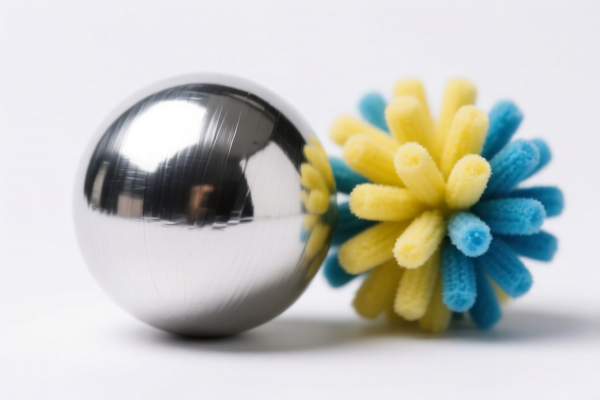
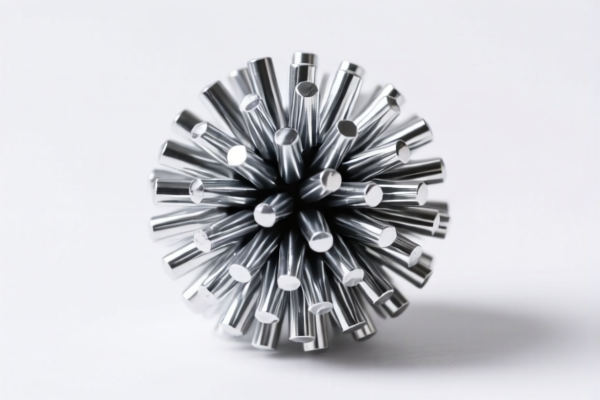
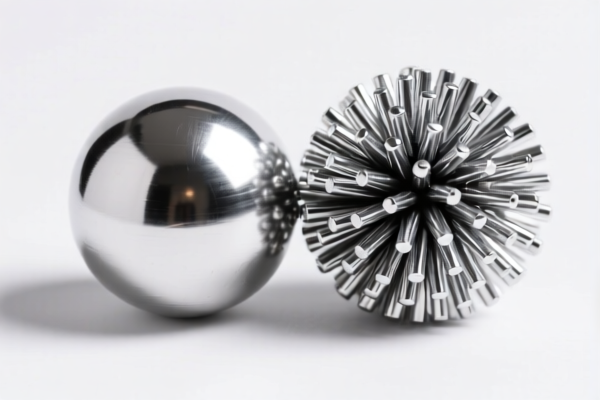
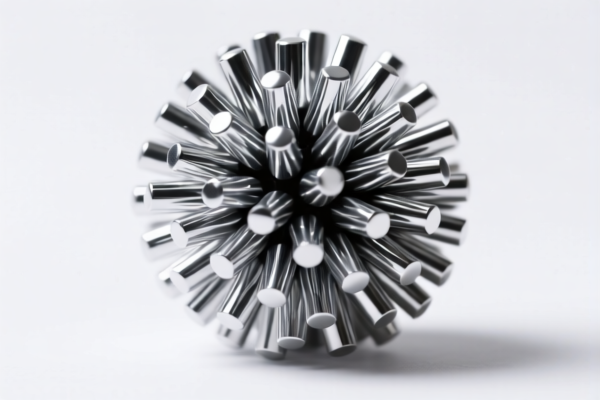
AI Analysis
🧺 Laundry Ball (Cleaning & Washing Accessories)
🌐 HS Code Reference & Customs Clearance Guide | 2026 Latest Tariff Analysis | Professional Logistics Strategy
📌 I. Product Definition & Classification: What is a "Laundry Ball"?
The term "Laundry Ball" is ambiguous in international trade, covering several distinct types of products. Its classification depends entirely on material, function, and structure. It generally falls into three categories:
- Electromechanical Devices: Electric devices with built-in motors for cleaning (e.g., deshedding balls, electric lint removers).
- Cleaning Tools/Accessories: Non-electric scrubbing balls, cleaning sponges, or microfiber balls.
- Woven Containers: Plastic or plant-fiber baskets/balls used for holding detergent pods or laundry items.
⚠️ Critical Distinction:
- If it has an electric motor → It is a Power Tool/Appliance (Chapter 84).
- If it is a cleaning accessory made of fibers/non-woven fabric → It is a Textile/Cleaning Tool (Chapter 56/63).
- If it is a basket/container woven from plastic/plants → It is a Basket/Container (Chapter 46/42).
📦 II. HS Code Classification Details (2026 Latest Tariff Authority Comparison)
Based on the provided data, here are the possible HS Codes and their logical deductions:
| HS Code | Product Description | Logical Deduction from Data | Application Scenario |
|---|---|---|---|
8467.29.00.90 |
Tools for working in the direction of the data, with self-contained electric motor | Infers the item is a home appliance/tool with a built-in electric motor, specifically for deshedding or lint removal. | Electric lint removers, electric deshedding balls. |
8467.89.50.90 |
Other tools for working in the direction of the data, with self-contained electric motor | Infers the item is a small home appliance belonging to the "cleaning/cleaning tools" category, fitting "other tools." | Electric washing balls, specialized electric cleaning devices. |
5603.11.00.70 |
Non-woven fabrics and articles thereof | Based on common sense, cleaning balls are often made of synthetic fibers. Classified under non-woven fabric/fiber products. | Plastic fiber cleaning balls, microfiber scrubbing balls (non-electric). |
6307.90.98.91 |
Other made-up articles | The item is a manufactured good, serving as a daily cleaning supply, fitting the category of "other made-up articles" without specific material conflict. | General household cleaning accessories, sponge balls. |
4602.19.18.00 |
Basket-like articles | Infers the item is a laundry basket/container shaped like a ball, made of plant fibers or woven plastic, fitting "other basket-like articles." | Woven plastic baskets for holding detergent pods, plant-fiber laundry holders. |
🔍 Key Reminder:
- Electric vs. Non-Electric: The biggest error is confusing an electric cleaning device with a textile cleaning ball. Electric tools go to 8467, textiles to 5603/6307.
- Container vs. Cleaning Tool: If it holds laundry pods, it might be classified as a basket (4602) rather than a cleaning tool, leading to different tax rates.
💰 III. 2026 Latest Tariff Rate Details (Including Surcharges & Policy Add-ons)
✅ Applicable Country: United States (US)
✅ Origin: China (CN)
✅ Effective Time: From November 10, 2025 (including subsequent imports)
🎯 1. 8467.29.00.90 & 8467.89.50.90 — Electric Cleaning Tools/Appliances
| Item | Content |
|---|---|
| Base Tariff Rate | 0.0% (ad valorem) |
| USITC Surcharge (Section 301) | +7.5% (Additional Tariff) |
| IEEPA Surcharge (Section 122) | +10% (Targeted at China/HK products, effective Nov 10, 2025) |
| Total Tariff Rate | 17.5% |
| Tax Calculation | CIF Value × 17.5% |
| De Minimis Exemption | ❌ Not Eligible (deny_de_minimis) |
| Legal Path | IEEPA:9903.01.24 → USITC:8467.29.00.90 → FOOTNOTE:9903.88.01 |
📌 Explanation:
- Even though the base duty is 0%, the 7.5% Section 301 tariff and 10% Section 122 tariff apply.
- Total 17.5% is significantly lower than the 45% seen in high-tech displays, but still substantial for low-cost items.
- Note:8467.89.50.90shares the same 17.5% rate in the provided data.
🎯 2. 5603.11.00.70 — Non-Woven Fabric Cleaning Balls
| Item | Content |
|---|---|
| Base Tariff Rate | 0.0% (ad valorem) |
| USITC Surcharge (Section 301) | +25.0% (Additional Tariff) |
| IEEPA Surcharge (Section 122) | +10% (Targeted at China/HK products, effective Nov 10, 2025) |
| Total Tariff Rate | 35.0% |
| Tax Calculation | CIF Value × 35.0% |
| De Minimis Exemption | ❌ Not Eligible (deny_de_minimis) |
| Legal Path | IEEPA:9903.01.25 → USITC:5603.11.00.70 → FOOTNOTE:9903.88.01 |
📌 Warning:
- Textile-related cleaning products face the highest surcharge (25%) in the provided dataset.
- Total 35% makes this the most expensive option among the four.
- Ensure the product is strictly classified as "non-woven fabric" and not a "made-up article" to avoid discrepancies.
🎯 3. 6307.90.98.91 — Other Made-Up Cleaning Articles
| Item | Content |
|---|---|
| Base Tariff Rate | 7.0% (ad valorem) |
| USITC Surcharge (Section 301) | +7.5% (Additional Tariff) |
| IEEPA Surcharge (Section 122) | +10% (Targeted at China/HK products, effective Nov 10, 2025) |
| Total Tariff Rate | 24.5% |
| Tax Calculation | CIF Value × 24.5% |
| De Minimis Exemption | ❌ Not Eligible (deny_de_minimis) |
| Legal Path | IEEPA:9903.01.24 → USITC:6307.90.98.91 → FOOTNOTE:9903.88.01 |
📌 Note:
- This category has a base duty of 7%, which is higher than the 0% for electric tools and non-woven fabrics.
- However, the 301 surcharge is only 7.5% (not 25%), making the total 24.5% lower than the 35% for non-woven fabrics.
- This is often the "sweet spot" for generic cleaning accessories if they don't fit neatly into "non-woven fabric" definitions.
🎯 4. 4602.19.18.00 — Woven Basket-Like Articles
| Item | Content |
|---|---|
| Base Tariff Rate | 4.5% (ad valorem) |
| USITC Surcharge (Section 301) | +25.0% (Additional Tariff) |
| IEEPA Surcharge (Section 122) | +10% (Targeted at China/HK products, effective Nov 10, 2025) |
| Total Tariff Rate | 39.5% |
| Tax Calculation | CIF Value × 39.5% |
| De Minimis Exemption | ❌ Not Eligible (deny_de_minimis) |
| Legal Path | IEEPA:9903.01.25 → USITC:4602.19.18.00 → FOOTNOTE:9903.88.01 |
📌 Warning:
- This is the highest tariff rate (39.5%) in the dataset.
- Although it has a low base duty (4.5%), the 25% 301 surcharge drives the total up.
- Only use this HS Code if the product is explicitly a woven basket/container (e.g., for laundry pods) and not a cleaning tool.
🛠️ IV. Customs Clearance Practical Advice (Pitfall Avoidance Guide)
✅ 1. Preparation Checklist (All Required)
| Document | Mandatory | Description |
|---|---|---|
| ✅ Product Specs Sheet | ✔️ | Must specify: Electric (Motor Wattage/Voltage) OR Material (Fiber Type/Plastic Weave). |
| ✅ Product Photos (Clear) | ✔️ | Show the item from all angles. Highlight any labels, buttons, or power cords. |
| ✅ Commercial Invoice | ✔️ | Clearly state the exact function (e.g., "Electric Lint Remover" vs. "Plastic Fiber Cleaning Ball"). |
| ✅ Packing List | ✔️ | Detail contents. Avoid "Miscellaneous" descriptions. |
| ✅ Origin Certificate | ✔️ | Confirm CN origin to verify applicable surcharges. |
| ✅ Test Reports | ✔️ | For electric items: FCC, UL. For textiles: Material composition analysis. |
✅ 2. Declaration Strategy (Key Mnemonics)
🔥 "Electric = 8467 (17.5%), Fiber = 5603 (35%), Made-Up = 6307 (24.5%), Basket = 4602 (39.5%)"
| Scenario | Correct HS Code | Mistake to Avoid |
|---|---|---|
| Electric Lint Remover | 8467.29.00.90 |
Misdeclaring as "Cleaning Tool" → 24.5% or 35%? (Risk of reclassification) |
| Plastic Fiber Scrubbing Ball | 5603.11.00.70 |
Misdeclaring as "Made-Up Article" → 24.5% (Save money, but must prove material is non-woven fiber) |
| Generic Sponge/Cleaning Ball | 6307.90.98.91 |
Misdeclaring as "Textile" → 35% (Higher tax) |
| Laundry Pod Basket | 4602.19.18.00 |
Misdeclaring as "Cleaning Tool" → 17.5% (Lower tax, but wrong classification leads to penalties) |
⚠️ Critical Warning:
- Do NOT under-declare value. All items are subject to Section 122 (10%) and Section 301 (7.5% or 25%).
- De Minimis ($800) does NOT apply. All shipments are taxed.
✅ 3. Special Cases
| Case | Handling Advice |
|---|---|
| Mixed Shipment | If sending electric lint removers AND plastic baskets in one shipment, split declarations. Do not mix HS Codes in one line item. |
| "Magic" Laundry Balls | If the product claims to clean via "magnetic fields" or "ozone" without a visible motor, customs may still classify it as 8467 (electric tool) if there's internal wiring. Provide internal diagrams. |
| Private Label | Ensure the brand name on the product matches the invoice. Mismatches cause delays. |
🌍 V. Global Market Customs Comparison (2026 Latest)
| Country/Region | Recommended HS Code | Tariff (China Origin) | Certification Required | Notes |
|---|---|---|---|---|
| 🇺🇸 USA | 8467.29.00.90 (Electric) |
17.5% | FCC, UL | Highest risk due to Section 122/301. |
| 🇨🇳 China | 8467.29.00.90 |
5% | CCC | No additional surcharges. |
| 🇪🇺 EU | 8467.29.00.90 |
0% (if CE) | CE, RoHS | No Section 301/122 equivalent. |
| 🇬🇧 UK | 8467.29.00.90 |
0% (if UKCA) | UKCA, RoHS | Post-Brexit rules apply. |
| 🇯🇵 Japan | 8467.29.00.90 |
0% | PSE | No additional tariffs. |
📌 Conclusion:
- USA is the most expensive market for Laundry Balls due to Section 301 & 122 tariffs.
- Electric items (17.5%) are cheaper than Textile Items (35%) or Baskets (39.5%).
- If possible, consider non-electric, made-up article classification (6307.90.98.91) at 24.5% if the product design allows, as it balances base duty and surcharges.
📌 VI. Common Errors & Pitfalls (Blood & Tears Lessons)
❌ Mistake 1: Declaring an electric lint remover as a "Household Accessory" (Chapter 63)
👉 Consequence: Customs may reclassify to 8467 and charge 17.5% instead of a lower assumed rate, plus penalties for incorrect declaration.
❌ Mistake 2: Using "Laundry Ball" as the only product description
👉 Consequence: Customs cannot determine if it's electric or textile. Holds the shipment for 2-4 weeks.
❌ Mistake 3: Ignoring Section 122 (10%)
👉 Consequence: Underpayment. Back taxes + Interest upon audit.
❌ Mistake 4: Mixing Baskets (4602) with Cleaning Tools (8467) in one B/L
👉 Consequence: Rejection of the mixed declaration. Must split into two separate entries.
✅ Correct Declaration Example:
"Electric Lint Remover, Battery Operated, Model XYZ, for Clothing Care, FCC Certified"
HS Code:8467.29.00.90
Value: $10.00
Duty: $1.75 (17.5%)
🎯 VII. Conclusion: Precise Classification Saves Money!
🎯 Remember the Rule:
🔹 "Electric = 17.5%, Fiber = 35%, Basket = 39.5%, Made-Up = 24.5%"
🔹 "De Minimis is Dead for China. All Taxes Apply."
🔹 "Specify Material and Function Clearly to Avoid Re-classification."
📌 Tip:
If your product is a non-electric fiber ball, try to argue for 6307.90.98.91 (24.5%) instead of 5603.11.00.70 (35%) by emphasizing it is a "made-up article" rather than raw "non-woven fabric." This saves 10.5% in tariffs.
📣 Immediate Action:
📞 Contact your customs broker with photos and specs.
🚀 Apply for an Advance Ruling if shipping large volumes.
💼 Optimize your HS Code to choose the 24.5% or 17.5% bracket over the 35-39.5% brackets.
✨ Professional Clearance, Start with Accurate Classification!
💼 Every Percent of Tariff is Profit Lost!
Customer Reviews
About HS Code Classification
The Harmonized System (HS) is an internationally standardized nomenclature developed by the World Customs Organization (WCO) to classify traded products. Over 200 countries use the HS system as the basis for customs tariffs, trade statistics, and import/export regulations.
Each HS code follows a hierarchical structure:
- Chapter (2 digits) — Broad category of goods (e.g., Chapter 84: Machinery and Mechanical Appliances)
- Heading (4 digits) — More specific grouping within the chapter
- Subheading (6 digits) — Internationally standardized breakdown, used by all WCO member countries
- National subdivisions (8-10 digits) — Country-specific extensions for further classification, such as US HTSUS 10-digit codes
Correct HS code classification is essential for smooth customs clearance, accurate duty payment, and compliance with trade regulations. Misclassification can lead to customs delays, overpayment of duties, or penalties.
When importing from CN to US, the applicable tariff rates may include:
- Most-Favored-Nation (MFN) rate — The standard duty rate applied to WTO members
- General rate — Applied to countries without trade agreements
- Trade remedy duties — Additional tariffs such as Section 301 (anti-dumping), Section 232 (national security), or countervailing duties
The information provided on this page is for reference purposes only. For official classification, please consult with your local customs authority or a licensed customs broker.