Lawn Mower Balancer
CN → USProduct Images
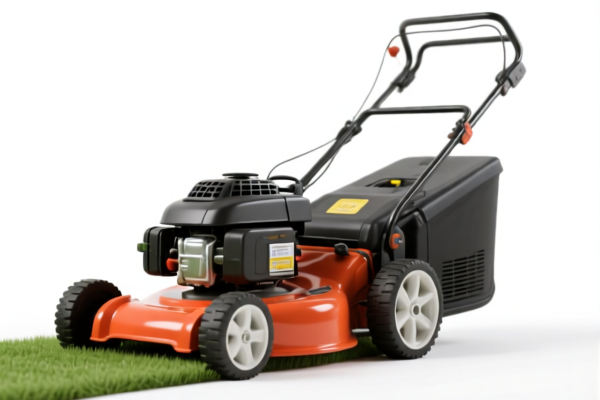
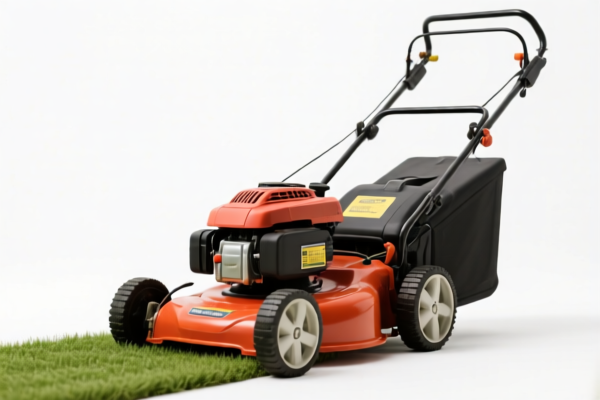

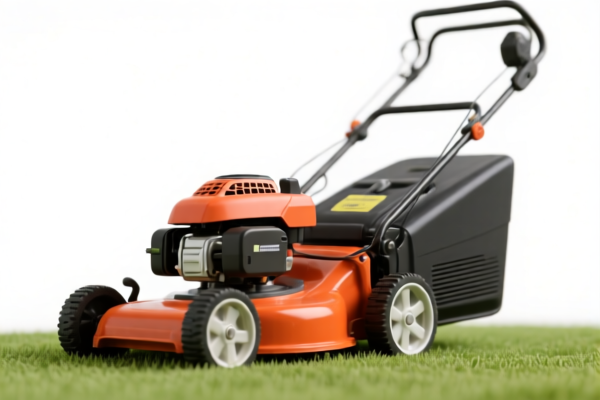
AI Analysis
🚜 Lawn Mower Balancer (Rotating Assembly Counterweight)
🌐 HS Code Reference & Customs Clearance Guide | 2026 Latest Tariff Analysis | Professional Clearance Strategy
📌 1. Product Definition and Classification: Do You Really Understand a "Lawn Mower Balancer"?
A lawn mower balancer (often referred to as a counterweight, flywheel weight, or rotating assembly balancer) is a precision metal component used to balance the rotating parts of a lawnmower, such as the blade hub, flywheel, or clutch assembly. Its primary function is to reduce vibration and ensure smooth operation at high speeds.
In international trade, it is critical to distinguish between: * Finished Part (Component): A pre-machined counterweight designed for a specific lawnmower model. * Generic Machinery Part: A generic weight not uniquely identifiable to a specific machine type.
⚠️ Key Distinction Point:
- If the part is specifically identifiable as a part of a lawnmower (e.g., stamped with model numbers, specific shape for blade hub) → Classify under 8433 (Lawnmowers).
- If the part is a generic mechanical component (e.g., a simple lead/steel weight not unique to mowers) → Classify under 8483 (Gears, Flywheels, Counterweights).
📦 2. HS Code Classification Details (2026 Latest Tariff Authoritative Comparison)
| HS Code | Product Description | Applicable Scenario | Specific to Lawnmower? |
|---|---|---|---|
8433.90.00.00 |
Parts suitable for use solely or principally with the machinery of heading 8433 (e.g., Lawnmowers, Harvesters) | Specific balancers/counterweights for riding or walk-behind mowers (Blade hub weights, flywheel balances) | ✅ Yes |
8483.90.80.00 |
Parts of gears, transmission shafts, cranks, bearing housings, levers, levers and other rotating parts (e.g., General counterweights) | Generic counterweights, flywheels, or balancers not exclusively for lawnmowers | ❌ No (Generic) |
8431.39.00.00 |
Parts suitable for use solely or principally with machinery of heading 8430, 8431 | Alternative for larger industrial mowers or earth-moving equipment with mowing functions | ⚠️ Conditional |
7326.90.88.00 |
Other articles of iron or steel (if considered simple metal goods) | Raw cast weights without machining or identification | ❌ No (Not a "part") |
🔍 Key Reminder:
- US Customs (CBP) typically requires clear proof that the balancer is specially designed for lawn mowers to classify under8433.90.00.00.
- If declared as8483.90.80.00(General Parts), it may be subject to different duty rates and fewer regulatory restrictions.
- Do not confuse "Lawnmower Blade" (8433.90.00.00) with "Balancer/Counterweight" (often same heading but distinct function).
💰 3. 2026 Latest Tariff Rate Details (Including Additional Duties & Policy Add-ons)
✅ Applicable Country: United States (US)
✅ Country of Origin: China (CN)
✅ Effective Time: November 10, 2025 (and subsequent imports)
🎯 1. 8433.90.00.00 — Parts of Lawnmowers (Specific Balancers)
| Item | Content |
|---|---|
| Base Duty Rate | 3.2% (ad valorem) |
| USITC Additional Duty (Section 301) | +7.5% (Footnote 9903.88.01 applies to many machinery parts) |
| IEEPA Additional Duty | +10% (Against China/HK products, effective Nov 10, 2025) |
| Total Effective Duty Rate | 20.7% |
| Tax Calculation | CIF Value × 20.7% |
| De Minimis Eligibility | ❌ Not Applicable (Value usually exceeds $800, and machinery parts are excluded from some de minimis benefits if misclassified) |
| Legal Authority Path | USITC:8433.90.00.00 → FOOTNOTE:9903.88.01 → IEEPA:9903.01.24 |
📌 Explanation:
- "Base Rate 3.2%" is the standard MFN rate for lawnmower parts.
- "Section 301 Duty 7.5%" applies to many mechanical parts of agricultural/garden machinery.
- "IEEPA 10%" is the new 2025 surcharge.
- Total 20.7% is significantly higher than standard consumer goods.
🎯 2. 8483.90.80.00 — Other Parts of Rotating Machinery (Generic Counterweights)
| Item | Content |
|---|---|
| Base Duty Rate | 3.0% (ad valorem) |
| USITC Additional Duty (Section 301) | +7.5% (Footnote 9903.88.01) |
| IEEPA Additional Duty | +10% |
| Total Effective Duty Rate | 20.5% |
| Tax Calculation | CIF Value × 20.5% |
| De Minimis Eligibility | ❌ Not Applicable |
| Legal Authority Path | USITC:8483.90.80.00 → FOOTNOTE:9903.88.01 → IEEPA:9903.01.24 |
📌 Note:
- The rate is nearly identical to8433.90.00.00.
- Misclassification risk: If CBP determines the item is exclusively for lawnmowers but you declare it as "General Machinery Part," they may reassess and apply penalties.
- Recommendation: Declare as8433.90.00.00if it is truly specific to lawnmowers to avoid ambiguity.
🛠️ 4. Customs Clearance Practical Advice (Real-World Pitfall Avoidance Guide)
✅ 1. Required Documentation Checklist (Missing items cause delays)
| Document | Required | Description |
|---|---|---|
| ✅ Product Specification Sheet | ✔️ | Material (Cast Iron/Steel/Lead), Weight, Dimensions, Hole Diameter |
| ✅ Technical Drawing | ✔️ | Show it is a counterweight/balancer, not a blade or guard |
| ✅ Product Photos (Label/Mold Mark) | ✔️ | Must show Model Number or "MADE IN CHINA" |
| ✅ Commercial Invoice | ✔️ | Clearly state: "Lawnmower Balancer / Counterweight, Not a Blade" |
| ✅ Packing List | ✔️ | Net/Gross Weight must match customs valuation |
| ✅ OEI Compatibility List | ✔️ | List compatible mower models (e.g., "Fits John Deere X300") |
✅ 2. Declaration Tips (Key Mnemonic)
🔥 "Specify the Use, Don't Call it 'Part', Avoid 'Blade' Confusion!"
| Situation | Correct Declaration | Incorrect Action |
|---|---|---|
| Specific Balancer for Mower | 8433.90.00.00 - "Lawnmower Balancer" |
Declare as "Iron Weight" → 8483.90.80.00 (Risk of Rejection) |
| Generic Steel Weight | 8483.90.80.00 - "Mechanical Counterweight" |
Declare as "Lawnmower Part" → May be flagged for lack of proof |
| Blade + Balancer Combined | Split HS Codes | Combine into one line → Major Misclassification |
| Raw Cast Piece | 7326.90.88.00 - "Steel Article" |
Declare as "Part" → Customs may demand "Part" proof |
✅ 3. Special Circumstances Handling
| Situation | Handling Advice |
|---|---|
| OEM Parts (Aftermarket) | Provide proof of compatibility (e.g., "Fits Brand X Model Y"). Avoid using Brand Names in HS Code description if possible; use "For Use In". |
| Lead vs. Steel | If Lead, check for EPA/Toxicity regulations. If Steel, no special environmental rules for the part itself. |
| High Value Precision Balancers | Consider Advance Ruling from US CBP to lock in 8433.90.00.00 classification. |
| Kit Sales (Blade + Balancer) | Always separate the blade (8433.90.00.00) and balancer. Do not merge. |
🌍 5. Global Main Market Clearance Comparison (2026 Latest)
| Country/Region | Recommended HS Code | Duty Rate (CN Origin) | Certification Requirements | Notes |
|---|---|---|---|---|
| 🇺🇸 USA | 8433.90.00.00 |
20.7% (China) | None specific | High Duty due to Section 301 + IEEPA |
| 🇨🇳 China | 8433.90.00.00 |
5% | None | Low duty for domestic consumption |
| 🇪🇺 EU | 8433.90.80 |
0% | CE (if machine), RoHS | No additional tariffs for parts |
| 🇬🇧 UK | 8433.90.80 |
2.5% | UKCA | Post-Brexit standard rate |
| 🇦🇺 Australia | 8433.90.00 |
5% | EER (Electrical) if motorized part | AFTA/ChAFTA may reduce to 0% if certified |
📌 Conclusion:
- USA is the most expensive market for lawn mower parts due to 2025+ tariffs.
- EU and UK remain favorable with low or zero duties.
- Australia offers FTAs if you have proper Certificate of Origin.
📌 6. Common Errors & Pitfall Avoidance Guide (Lessons Learned)
❌ Error 1: Declaring "Lawnmower Parts" generically without specifying "Balancers"
👉 Consequence: CBP may classify under 8431.39.00.00 or 8483.90.80.00, leading to duty reassessment and penalties.
❌ Error 2: Confusing "Balancers" with "Blades"
👉 Consequence: Both are 8433.90.00.00, but if mixed in one shipment without split lines, customs may audit the entire lot.
❌ Error 3: Not declaring Material (Lead vs. Steel)
👉 Consequence: If Lead, EPA may require additional documentation. If not declared, shipment detained.
❌ Error 4: Using "Counterweight" without context
👉 Consequence: Customs may classify as 8483.90.80.00 (General Machinery), which is fine, but if it's clearly for a mower, 8433 is safer for compatibility claims.
✅ Correct Approach:
"Lawnmower Blade Hub Balancer, Cast Steel, Model XYZ, Fits [Brand] Mowers, Not a Cutting Blade"
🎯 7. Conclusion: Professional Declaration Saves Money!
🎯 Remember the Mantra:
🔹 "Specific Part, Specific Code. Don't Hide the Function. 20.7% is the US Reality."
🔹 "Split Blade and Balancer. Keep Documentation Clear."
📌 Pro Tip:
If your balancers are originally manufactured in Vietnam, Thailand, or Malaysia, you may exempt IEEPA duties, reducing the total duty to ~7.5%.
建议 Apply for Advance Ruling before large shipments to lock in classification.
📣 Immediate Action:
📞 Contact your Customs Broker + Provide Part Photos + Verify Section 301 Footnotes
🚀 Let your Lawn Mower Balancers Clear Smoothly, Avoid Delays, Protect Margins!
✨ Professional Clearance Starts with Accurate Classification!
💼 Every Percent of Duty Saved is Pure Profit!
Customer Reviews
About HS Code Classification
The Harmonized System (HS) is an internationally standardized nomenclature developed by the World Customs Organization (WCO) to classify traded products. Over 200 countries use the HS system as the basis for customs tariffs, trade statistics, and import/export regulations.
Each HS code follows a hierarchical structure:
- Chapter (2 digits) — Broad category of goods (e.g., Chapter 84: Machinery and Mechanical Appliances)
- Heading (4 digits) — More specific grouping within the chapter
- Subheading (6 digits) — Internationally standardized breakdown, used by all WCO member countries
- National subdivisions (8-10 digits) — Country-specific extensions for further classification, such as US HTSUS 10-digit codes
Correct HS code classification is essential for smooth customs clearance, accurate duty payment, and compliance with trade regulations. Misclassification can lead to customs delays, overpayment of duties, or penalties.
When importing from CN to US, the applicable tariff rates may include:
- Most-Favored-Nation (MFN) rate — The standard duty rate applied to WTO members
- General rate — Applied to countries without trade agreements
- Trade remedy duties — Additional tariffs such as Section 301 (anti-dumping), Section 232 (national security), or countervailing duties
The information provided on this page is for reference purposes only. For official classification, please consult with your local customs authority or a licensed customs broker.