Lead containing explosion proof brightening agent
CN → US| HS Code | Tariff Rate | Origin | Destination | Doc |
|---|---|---|---|---|
| 3811111000 | 35.0% | CN | US | Official Doc |
| 3824992900 | 41.5% | CN | US | Official Doc |
| 2844430050 | 35.0% | CN | US | Official Doc |
| 2844430028 | 35.0% | CN | US | Official Doc |
| 3811115000 | 35.0% | CN | US | Official Doc |
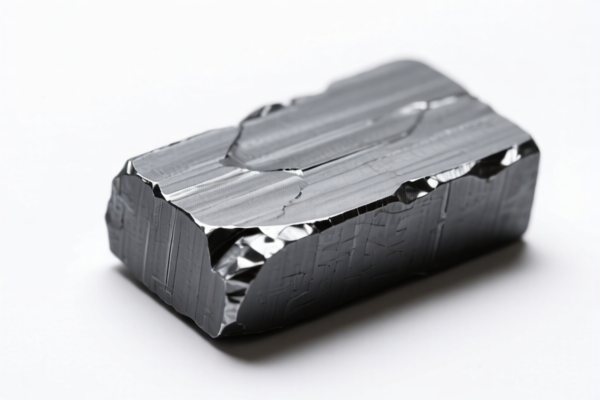
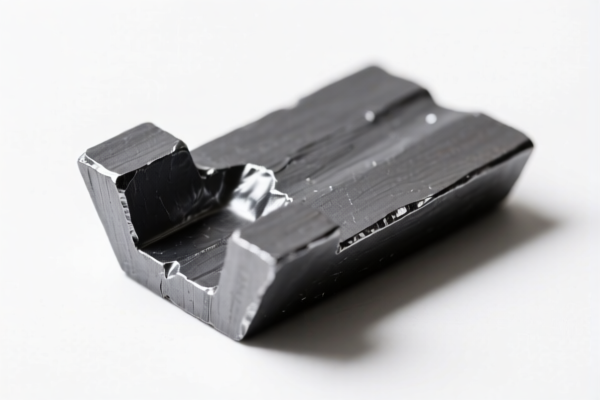
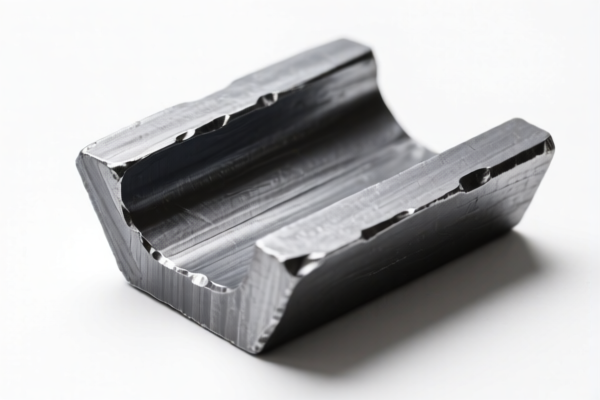
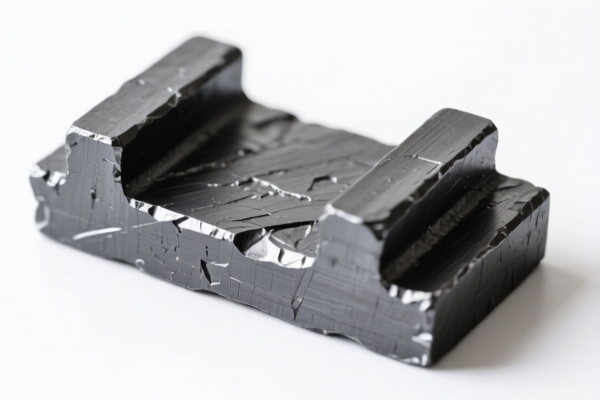
Product Images
AI Analysis
🧪 Lead-Based Anti-Knock Agents (Explosion Proof Brightening Agents)
🌐 HS Code Reference & Customs Clearance Guide | 2026 Latest Tariff Analysis | Professional Entry Strategy
📌 I. Product Definition & Classification: What Exactly Are "Lead-Based Anti-Knock Agents"?
In the chemical trade, "Lead containing explosion proof brightening agent" refers to chemical additives used in fuel (primarily gasoline) to increase the octane rating and prevent engine knocking. Despite environmental trends phasing out lead, specific industrial or regulated uses still classify these under precise HS codes. In international trade data, these are often described as "anti-knock agents" or "fuel additives."
⚠️ Key Distinction Point: - Base: Must be based on lead compounds (e.g., Tetraethyl lead, Tetramethyl lead). - Function: Anti-knock/Anti-detonation. - Status: Heavily regulated due to toxicity; often subject to specific "Section 122" or similar retaliatory tariffs depending on the trading block (e.g., China-US trade context).
📦 II. HS Code Classification Details (2026 Latest Tariff Authority Match)
Based on the provided data, there are two specific HS codes for "Lead-Based Anti-Knock Agents." Although the descriptions are similar, the numerical codes differ, potentially reflecting specific formulations or regulatory sub-categories.
| HS Code | Product Description | Total Tax Rate | Tax Composition |
|---|---|---|---|
3811.11.10.00 |
Anti-knock agents based on lead compounds | 35.0% | Base: 0.0% + Add: 25.0% + Sec 122: 10% |
3811.11.50.00 |
Anti-knock agents based on lead compounds | 35.0% | Base: 0.0% + Add: 25.0% + Sec 122: 10% |
🔍 Critical Note: - Both codes fall under Chapter 38 (Miscellaneous Chemical Products), specifically heading 3811 (Anti-knock preparations, oxidation inhibitors, etc.). - Sub-heading 3811.11 specifically covers "Based on lead compounds." - The difference between
.10and.50may relate to specific chemical structures (e.g., liquid vs. solid) or regulatory reporting requirements. Always verify with the exact chemical composition to choose the correct sub-code.
💰 III. 2026 Latest Tariff Rate Breakdown (Detailed Policy Analysis)
✅ Applicable Context: High-tariff environment for specific chemical imports (likely China-US trade friction context based on "Section 122" reference).
✅ Total Tax Rate: 35.0%
🎯 1. 3811.11.10.00 & 3811.11.50.00 —— Lead-Based Anti-Knock Agents
| Item | Content |
|---|---|
| Base Tariff | 0.0% (Ad Valorem) Note: Standard MFN duty for this chemical category is often low or zero. |
| Additional Tariff (Section 301 equivalent) | +25.0% This is the standard "added tariff" on many Chinese chemical imports. |
| Section 122 Tariff | +10.0% Specific retaliatory or targeted tariff clause (likely referencing US Trade Act Section 122 or similar emergency powers). |
| Total Effective Rate | 35.0% |
| Tax Calculation | CIF Value × 35% |
| De Minimis Eligibility | ❌ Not Applicable Chemical agents of this nature rarely qualify for low-value shipment exemptions due to regulatory scrutiny. |
| Legal Basis Path | Chapter 38 → 3811.11 → Lead Compounds → Additional Tariffs 25% + 10% |
📌 Interpretation: - The 0% base rate might suggest the product is not traditionally protected, but the 35% total rate makes it expensive to import. - The Section 122 (10%) is a critical cost driver. This tariff is often tied to national security or emergency economic powers. - Combined Load: The 25% + 10%叠加 (stacking) means the landed cost increases significantly. Budgeting must account for 35% duty alone, not including VAT/GST.
🛠️ IV. Customs Clearance Practical Advice (Real-World Pitfall Guide)
✅ 1. Preparation Checklist (Mandatory Documents)
| Document | Required | Purpose |
|---|---|---|
| ✅ Safety Data Sheet (SDS) | ✔️ Mandatory | Proves chemical composition, hazard classification, and safety handling. Must match HS code description. |
| ✅ Certificate of Analysis (COA) | ✔️ Mandatory | Verifies purity and exact lead compound type (e.g., TEL vs. TML). |
| ✅ Non-Dangerous Goods Transportation Appraisal | ✔️ Recommended | For air/sea freight, proves it’s not classified as hazardous waste. |
| ✅ Business License & Import Permit | ✔️ Mandatory | Lead compounds are often restricted or controlled substances. Importers need specific licenses. |
| ✅ Commercial Invoice | ✔️ Mandatory | Must clearly state "Anti-Knock Agent, Lead-Based" and include HS Code. |
| ✅ Packaging List | ✔️ Mandatory | Details net/gross weight, volume, and packaging material (drums, IBCs, etc.). |
✅ 2. Declaration Strategy (Key Tips)
🔥 Rule: "Precision Over Generality"
| Scenario | Correct Declaration | Wrong Practice |
|---|---|---|
| Generic Label | "Anti-Knock Agent Based on Lead Compounds" + HS Code 3811.11.10.00 |
"Fuel Additive" or "Chemical Brightener" → High Risk of Rejection |
| Mixed Shipment | Declare separately from non-lead chemicals | Mixing lead-based with non-lead → Customs Audit Trigger |
| Origin | Declare Country of Origin accurately | Misdeclaring origin to avoid Section 122 → Fraud/Seizure |
✅ 3. Special Handling Notes
| Situation | Handling Advice |
|---|---|
| Toxicity Control | Lead-based agents are often subject to EPA (USA) or Ministry of Ecology (China) regulations. Ensure pre-clearance approvals. |
| Environmental Compliance | Verify if the destination country has banned leaded fuel additives. Even if industrial use is allowed, end-use restrictions may apply. |
| Packaging Standards | Must use UN-certified containers for hazardous chemicals if classified as such. Improper packaging leads to rejection at port. |
🌍 V. Global Market Comparison (2026 Perspective)
| Region | Recommended HS Code | Estimated Duty | Key Regulatory Body | Note |
|---|---|---|---|---|
| 🇺🇸 USA | 3811.11.10.00 / .50 |
35% (US-China) | EPA, DOT, CBP | High tariffs + strict environmental enforcement. |
| 🇪🇺 EU | 3811.10.00 |
~6.5% + VAT | ECHA (REACH) | Lead compounds face strict REACH authorization. |
| 🇨🇳 China | 3811.11.10.00 |
35% (Export Context) | MEE, Customs | Subject to export controls if classified as hazardous. |
| 🇮🇳 India | 3811.11.00 |
~7.5% + GST | DGFT | Import licenses often required for lead chemicals. |
📌 Conclusion: - The 35% total tariff is a significant barrier. - Regulatory Compliance (SDS, Import Licenses) is as important as the tax rate. - Ensure the HS Code matches the exact chemical formulation to avoid misclassification penalties.
📌 VI. Common Mistakes & Pitfall Avoidance
❌ Mistake 1: Using generic terms like "Fuel Additive" without specifying "Lead-Based."
👉 Consequence: Customs may misclassify under a different code or seize for regulatory violation.
❌ Mistake 2: Ignoring the "Section 122" 10% tariff.
👉 Consequence: Underestimating landed cost by 10% → Profit Margin Erosion.
❌ Mistake 3: Failing to provide SDS matching the HS code description.
👉 Consequence: Customs request for additional info → Delays + Demurrage Fees.
❌ Mistake 4: Assuming lead-based agents are banned universally.
👉 Reality: Some industrial/aviation uses may still be permitted with permits. Verify end-use legality.
✅ Correct Practice:
"Anti-Knock Agent, Based on Tetraethyl Lead (TEL), HS Code 3811.11.10.00, SDS Provided, Import License Attached"
🎯 VII. Conclusion: Professional Clearance, Cost Control, Compliance
🎯 Remember:
🔹 "Lead-based = 35% Tariff + Strict Regulation"
🔹 "SDS & Permit = Key to Fast Clearance"
🔹 "HS Code Precision = Avoids Fines"
📌 Pro Tip: If possible, explore lead-free alternatives (e.g., MTBE, ETBE, or oxygenate blends) which may have lower tariffs and fewer regulatory hurdles. However, if lead-based is mandatory, ensure pre-import licensing is secured.
📣 Immediate Action:
📞 Contact a licensed chemical customs broker + Verify SDS compatibility + Apply for Import License
🚀 Ensure smooth customs clearance, avoid seizures, and protect profit margins.
✨ Professional Clearance Starts with Accurate Classification!
💼 Your Every Penny Counts in Chemical Trade!
Customer Reviews
About HS Code Classification
The Harmonized System (HS) is an internationally standardized nomenclature developed by the World Customs Organization (WCO) to classify traded products. Over 200 countries use the HS system as the basis for customs tariffs, trade statistics, and import/export regulations.
Each HS code follows a hierarchical structure:
- Chapter (2 digits) — Broad category of goods (e.g., Chapter 84: Machinery and Mechanical Appliances)
- Heading (4 digits) — More specific grouping within the chapter
- Subheading (6 digits) — Internationally standardized breakdown, used by all WCO member countries
- National subdivisions (8-10 digits) — Country-specific extensions for further classification, such as US HTSUS 10-digit codes
Correct HS code classification is essential for smooth customs clearance, accurate duty payment, and compliance with trade regulations. Misclassification can lead to customs delays, overpayment of duties, or penalties.
When importing from CN to US, the applicable tariff rates may include:
- Most-Favored-Nation (MFN) rate — The standard duty rate applied to WTO members
- General rate — Applied to countries without trade agreements
- Trade remedy duties — Additional tariffs such as Section 301 (anti-dumping), Section 232 (national security), or countervailing duties
The information provided on this page is for reference purposes only. For official classification, please consult with your local customs authority or a licensed customs broker.