Leak proof Food Ball
CN → US| HS Code | Tariff Rate | Origin | Destination | Doc |
|---|---|---|---|---|
| 4016992000 | 14.3% | CN | US | Official Doc |
| 9503000013 | 10.0% | CN | US | Official Doc |
| 4016990500 | 20.9% | CN | US | Official Doc |
| 9503000011 | 10.0% | CN | US | Official Doc |
| 3926909989 | 22.8% | CN | US | Official Doc |
Product Images
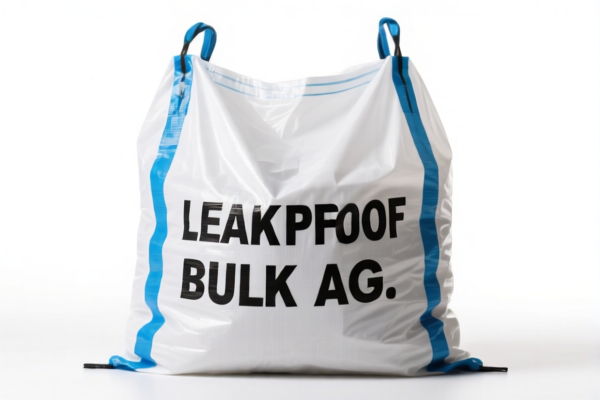
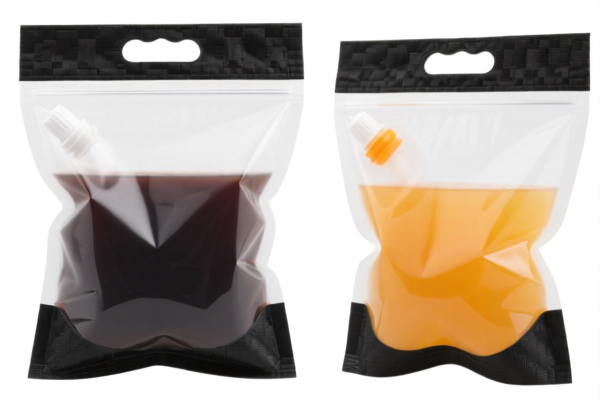

AI Analysis
🎾 Leak Proof Food Ball (Pet Interactive Toy)
🌐 HS Code Classification & Customs Clearance Guide | 2026 Tax Rate Deep Dive | Strategic Entry for Pet Products
📌 I. Product Definition: What is a "Leak Proof Food Ball"?
A Leak Proof Food Ball is a specialized pet accessory designed for interactive feeding and play. Its core functionality relies on dispensing treats or food slowly as the pet rolls, pushes, or bites the ball, keeping pets mentally stimulated and slowing down eating habits.
Key Characteristics: * Form: Spherical or ball-shaped structure. * Function: Dispensing food/treats (Leak-proof mechanism). * Material: Typically made of Solid Rubber (vulcanized) or Plastic (hard or flexible). * Target User: Dogs, cats, and other pets.
⚠️ Critical Classification Factor:
The HS Code depends heavily on the primary material and intended use: - If it's Rubber: Likely falls under Chapter 40 (Rubber Articles). - If it's Plastic: Likely falls under Chapter 39 (Plastics Articles). - If it's Toy (General category): Could fall under Chapter 95 (Toys), specifically if it's a "Toy Ball" or "Inflatable Toy."
📦 II. HS Code Classification Matrix (Based on Market Analysis)
The following 5 HS Codes represent the most probable classifications based on material inference and function. Each entry includes the Reasoning, Total Tax, and Breakdown of tariffs.
🔹 Option 1: Rubber-Based Toy (High Probability)
| HS Code | Product Description | Reasoning for Classification | Total Tax | Tax Breakdown |
|---|---|---|---|---|
| 4016.99.20.00 | Other articles of vulcanized rubber (Pet Feeding/Play Toys) | Based on the material (Rubber) and form (Ball). Fits under "Pet Toys" within the "Other Rubber Products" category. Ideal for durable, non-inflatable rubber chew toys. | 14.3% | 🏛️ Base: 4.3% 🚫 Add-on (301): 0.0% ⚖️ Section 122: 10% |
🔹 Option 2: General Toy Ball (Inflatable/Rubber Mix)
| HS Code | Product Description | Reasoning for Classification | Total Tax | Tax Breakdown |
|---|---|---|---|---|
| 9503.00.00.13 | Inflatable Toy Balls / Rubber Toy Balls | Fits the "Ball" shape and "Toy" function. Matches the description of "Toy Balls" regardless of specific material if marketed primarily as a toy rather than an industrial rubber part. | 10.0% | 🏛️ Base: 0.0% 🚫 Add-on (301): 0.0% ⚖️ Section 122: 10% |
🔹 Option 3: Generic Rubber Articles (Unlisted Category)
| HS Code | Product Description | Reasoning for Classification | Total Tax | Tax Breakdown |
|---|---|---|---|---|
| 4016.99.05.00 | Other articles of vulcanized rubber (Not elsewhere specified) | If the product is rubber but does not fit the specific "Pet Toy" sub-category (4016.99.20), it falls into the "Other" bucket. Often used for generic rubber dispensing balls. | 20.9% | 🏛️ Base: 3.4% ⚖️ Add-on (301): 7.5% ⚖️ Section 122: 10% |
🔹 Option 4: General Toy (Plastic/Rubber Mix)
| HS Code | Product Description | Reasoning for Classification | Total Tax | Tax Breakdown |
|---|---|---|---|---|
| 9503.00.00.11 | Toy Balls (Inflatable or Rubber) | Focuses on the Form (Ball) and Usage (Toy). Commonly used for rubber or plastic balls intended purely for play. Similar to Option 2 but specific to the "Ball" sub-heading. | 10.0% | 🏛️ Base: 0.0% 🚫 Add-on (301): 0.0% ⚖️ Section 122: 10% |
🔹 Option 5: Plastic-Based Product (High Cost Risk)
| HS Code | Product Description | Reasoning for Classification | Total Tax | Tax Breakdown |
|---|---|---|---|---|
| 3926.90.99.89 | Other articles of plastics (Unspecified) | If the product is primarily Plastic (e.g., hard plastic shell) and doesn't fit a specific "Plastic Toy" code, it goes to the "Other" plastic category. Warning: This often carries the highest tariff. | 22.8% | 🏛️ Base: 5.3% ⚖️ Add-on (301): 7.5% ⚖️ Section 122: 10% |
💰 III. Tax Structure Deep Dive (Section 122 & 301)
🇺🇸 Applicable Jurisdiction: United States
🇨🇳 Origin: China
📅 Effective Date: Current 2026 Trade Policy
🧩 The "122 Clauses" (Section 122) Explanation
All 5 HS Codes above include a 10% Section 122 Tariff. * What is it? A tariff imposed under the "Special Import Measures" (often linked to trade remedy actions or specific national security measures). * Impact: This is a flat 10% surcharge applied on top of the base and Section 301 tariffs. * Strategy: This 10% is unavoidable for Chinese-origin goods in these categories unless a specific exemption is granted.
⚖️ The "301 Clauses" (Section 301) Explanation
- Scenario A (0% Add-on): If the HS Code falls under 9503 (Toys) or specific rubber sub-codes like 4016.99.20, the Section 301 penalty is 0%. This is the sweet spot for savings.
- Scenario B (7.5% Add-on): If the product is classified under 4016.99.05 (Generic Rubber) or 3926 (Generic Plastic), a 7.5% Section 301 penalty applies.
- Result: Choosing the wrong HS Code can increase your total tax burden by 7.5 percentage points.
🛠️ IV. Customs Clearance Strategy & Recommendations
✅ 1. Material Verification is Key
Before shipping, you MUST know the exact material composition. * If Rubber: Prioritize 4016.99.20.00 (14.3% total) over 4016.99.05.00 (20.9% total). The difference is 6.6% savings. * If Plastic: 3926.90.99.89 is the safest fallback, but be aware of the 22.8% total tax. Is there a way to classify it as a "Toy" (9503) instead? * If "Toy" is the primary identity: Aim for 9503.00.00.11 or 13 (10% total). This is the lowest tax bracket.
📝 2.申报技巧 (Declaration Tips)
🔥 Golden Rule: "Form + Function > Material"
When declaring, emphasize the Toy/Interactive aspect over the raw material if the product is clearly marketed as a pet toy.Recommended Description:
"Pet Interactive Food Dispensing Ball, Made of Rubber/Plastic, for Dog/Cat Play and Feeding."
Do NOT write: "Rubber Part" or "Plastic Component" (This invites classification under generic rubber/plastic codes with higher taxes).
⚠️ 3. Red Flags to Avoid
- ❌ Generic Descriptions: Avoid just saying "Ball." Use "Pet Food Dispenser."
- ❌ Ambiguous Materials: If the product is a mix (e.g., rubber exterior, plastic core), declare the primary material or choose the Toy (9503) code if the toy function dominates.
- ❌ Ignoring Section 122: Do not assume the 10% tax is waived. Budget for it.
🌍 V. Global Market Comparison (2026)
| Market | Recommended HS Code | Total Tax (China Origin) | Notes |
|---|---|---|---|
| 🇺🇸 USA | 9503.00.00.11/13 | 10.0% | Best Option. Avoids Section 301. |
| 🇺🇸 USA (Rubber) | 4016.99.20.00 | 14.3% | Good if material is solid rubber. |
| 🇺🇸 USA (Plastic) | 3926.90.99.89 | 22.8% | High Cost. Avoid if possible. |
| 🇪🇺 EU | 9503.00.00 | 0% - 5% | Generally lower tariffs, no Section 122. |
| 🇨🇦 Canada | 9503.00.00 | 0% | Often duty-free for toys. |
📌 Conclusion: For the USA, aiming for the 9503 (Toy) classification is the most cost-effective strategy, saving up to 12.8% compared to the generic plastic/rubber codes.
📌 VI. Final Checklist for Shippers
- [ ] Confirm Material: Is it Rubber or Plastic?
- [ ] Choose HS Code: Prioritize 9503 (10%) → 4016.99.20 (14.3%) → 3926 (22.8%).
- [ ] Draft Invoice: Clearly state "Pet Toy / Food Dispenser."
- [ ] Calculate Duty: Include 10% Section 122 in your cost model.
- [ ] Apply for Pre-Ruling: If unsure, apply for a Binding Ruling from CBP to lock in the 10% rate.
🚀 Action Plan: How to Save Money Now
🎯 Target: 9503.00.00.11 (Total Tax: 10.0%)
🚫 Avoid: 3926.90.99.89 (Total Tax: 22.8%)
💡 Why? A 12.8% tax difference on a $10,000 shipment = $1,280 saved.
🛠️ Action: Update product photos to show the Toy Aspect (fun, playful) and Feeding Aspect (food inside) in your commercial invoice.
✨ Professional Customs Clearance Starts with the Right HS Code!
💼 Don't let classification errors eat your margins. Secure the 10% rate today!
Customer Reviews
About HS Code Classification
The Harmonized System (HS) is an internationally standardized nomenclature developed by the World Customs Organization (WCO) to classify traded products. Over 200 countries use the HS system as the basis for customs tariffs, trade statistics, and import/export regulations.
Each HS code follows a hierarchical structure:
- Chapter (2 digits) — Broad category of goods (e.g., Chapter 84: Machinery and Mechanical Appliances)
- Heading (4 digits) — More specific grouping within the chapter
- Subheading (6 digits) — Internationally standardized breakdown, used by all WCO member countries
- National subdivisions (8-10 digits) — Country-specific extensions for further classification, such as US HTSUS 10-digit codes
Correct HS code classification is essential for smooth customs clearance, accurate duty payment, and compliance with trade regulations. Misclassification can lead to customs delays, overpayment of duties, or penalties.
When importing from CN to US, the applicable tariff rates may include:
- Most-Favored-Nation (MFN) rate — The standard duty rate applied to WTO members
- General rate — Applied to countries without trade agreements
- Trade remedy duties — Additional tariffs such as Section 301 (anti-dumping), Section 232 (national security), or countervailing duties
The information provided on this page is for reference purposes only. For official classification, please consult with your local customs authority or a licensed customs broker.