Leather Bag
CN → US| HS Code | Tariff Rate | Origin | Destination | Doc |
|---|---|---|---|---|
| 4202110090 | 43.0% | CN | US | Official Doc |
| 4202110030 | 43.0% | CN | US | Official Doc |
| 4107117050 | 15.0% | CN | US | Official Doc |
| 4107127050 | 15.0% | CN | US | Official Doc |
| 4202216000 | 45.0% | CN | US | Official Doc |
Product Images
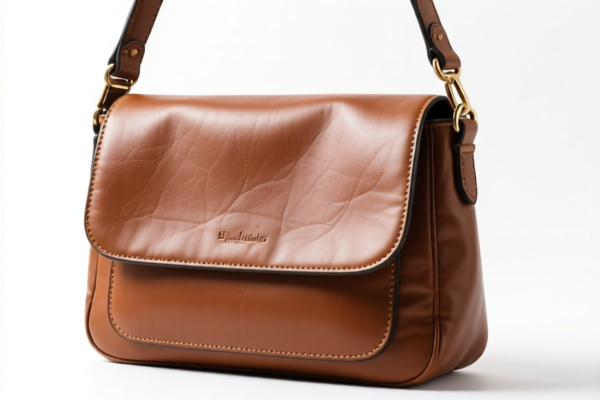
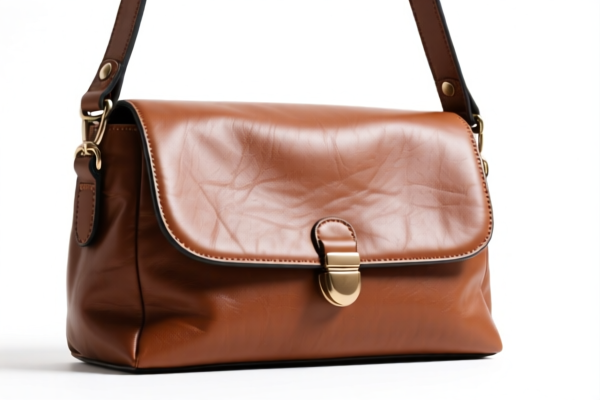
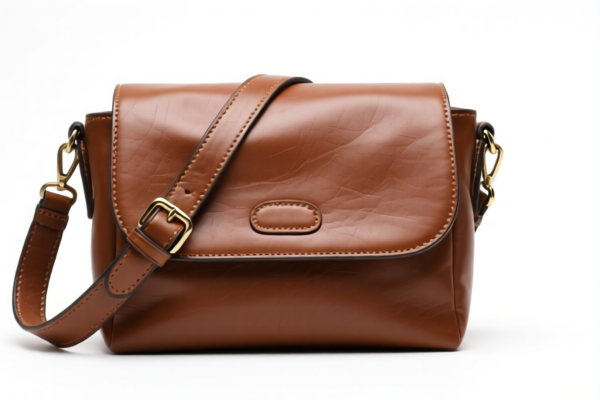
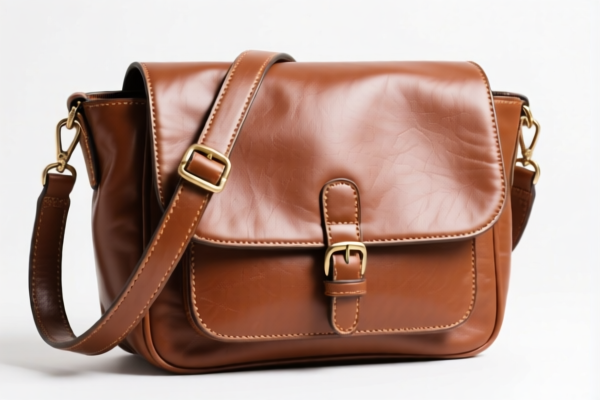
AI Analysis
👜 Leather Bags (Handbags, Luggage & Cases)
🌐 HS Code Reference & Customs Clearance Guide | 2026 Latest Tariff Analysis | Professional Clearance Strategy
📌 I. Product Definition & Classification: What Exactly is a "Leather Bag"?
Leather bags, in international trade, are not a single uniform category. They are divided based on material processing (finished leather vs. semi-processed) and end-use form (finished goods like handbags vs. raw/semi-finished materials). The distinction is critical because it dictates whether you pay 15% or 45% in tariffs.
1. Finished Leather Goods (Chapter 42):
These are items that have undergone final shaping, stitching, and assembly into recognizable forms such as:
- Handbags, tote bags, clutches
- Suitcases, trunks, travel cases
- Briefcases, portfolios
2. Semi-Processed/Prepared Leather (Chapter 41):
These are leather materials that are tanned and processed but not yet formed into final consumer goods. They include:
- Full-grain cowhide
- Split cowhide
- Leather ready for manufacturing further products
⚠️ Key Distinction Point:
- If the item is a finished bag/suitcase (stitched, assembled, has handles/zippers) → Go to Chapter 42 (e.g., 4202.xx).
- If the item is raw/semi-finished leather (sheets, skins, not yet a bag) → Go to Chapter 41 (e.g., 4107.xx).
📦 II. HS Code Classification Details (2026 Latest Tariff Authority Comparison)
| HS Code | Product Description | Application Scenario | Material Form |
|---|---|---|---|
4202.11.00.90 |
Leather handbags, travel bags, luggage (Other than 4202.11.00.30) | General leather bags, backpacks, duffels | ✅ Finished Goods |
4202.11.00.30 |
Handbags, suitcases, briefcases (Specific forms) | Structured handbags, executive briefcases | ✅ Finished Goods |
4107.11.70.50 |
Full-grain cowhide leather (Other) | Raw/semi-finished leather sheets, not yet bags | ❌ Semi-finished Material |
4107.12.70.50 |
Cowhide leather (Other) | Tanned cowhide skins, not yet bags | ❌ Semi-finished Material |
4202.21.60.00 |
Handbags with outer surface of leather | Specifically classified handbags (often distinct from general luggage) | ✅ Finished Goods |
🔍 Critical Reminder:
- Finished bags (Chapter 42) attract higher tariffs (43-45%) due to Section 301 and IEEPA additions.
- Semi-finished leather (Chapter 41) attracts lower tariffs (15%) as they are considered intermediate goods.
- Do not misdeclare a finished handbag as "leather material" to avoid taxes; Customs will reject this and impose penalties.
💰 III. 2026 Latest Tariff Rate Breakdown (Including Surtaxes, Policy Add-ons)
✅ Applicable Country: United States (US)
✅ Country of Origin: China (CN)
✅ Effective Date: From November 10, 2025 (including subsequent imports)
🎯 1. 4202.11.00.90 & 4202.11.00.30 —— Finished Leather Bags/Suitcases
| Item | Content |
|---|---|
| Basic Duty Rate | 8.0% (ad valorem) |
| Section 301 Surcharge | +25.0% (USITC Footnote 9903.42.00 series) |
| IEEPA Surcharge | +10.0% (Targeting China/HK products, from Nov 10, 2025) |
| Total Tax Rate | 43.0% |
| Tax Calculation | CIF Value × 43.0% |
| De Minimis Eligibility | ❌ Not Eligible (deny_de_minimis applies) |
| Legal Basis Path | IEEPA:9903.01.25 → USITC:4202.11.00 → FOOTNOTE:301 |
📌 Explanation:
- These HS codes cover finished consumer leather goods.
- The 25% comes from the Trade Act Section 301 list.
- The 10% is the new IEEPA surcharge effective Nov 2025.
- Total burden: 43%. This is a high-cost category for US importers.
🎯 2. 4202.21.60.00 —— Leather Handbags (Specific Category)
| Item | Content |
|---|---|
| Basic Duty Rate | 10.0% (ad valorem) |
| Section 301 Surcharge | +25.0% |
| IEEPA Surcharge | +10.0% |
| Total Tax Rate | 45.0% |
| Tax Calculation | CIF Value × 45.0% |
| De Minimis Eligibility | ❌ Not Eligible |
| Legal Basis Path | IEEPA:9903.01.25 → USITC:4202.21.60 → FOOTNOTE:301 |
📌 Note:
- This code often applies to specific types of handbags (e.g., woven leather, specific structural types).
- It has a slightly higher basic duty (10%) compared to other bags (8%), leading to a 45% total rate.
- Highest tax burden among all listed leather items.
🎯 3. 4107.11.70.50 & 4107.12.70.50 —— Semi-Processed Cowhide Leather
| Item | Content |
|---|---|
| Basic Duty Rate | 5.0% (ad valorem) |
| Section 301 Surcharge | 0.0% (Exempted under specific Chapter 41 listings for certain processed leathers) |
| IEEPA Surcharge | +10.0% |
| Total Tax Rate | 15.0% |
| Tax Calculation | CIF Value × 15.0% |
| De Minimis Eligibility | ❌ Not Eligible (Generally) |
| Legal Basis Path | IEEPA:9903.01.25 → USITC:4107.11/12 |
📌 Explanation:
- These codes apply to leather materials, not finished bags.
- The Section 301 (25%) surcharge is 0% for these specific subheadings, likely due to USITC exclusions or specific tariff rate conversion rules for processed leather.
- Total burden: 15%. This is a significant cost saving compared to finished bags.
🛠️ IV. Customs Clearance Practical Advice (Real-World Pitfall Avoidance Guide)
✅ 1. Documentation Checklist (Essential)
| Document | Required | Description |
|---|---|---|
| ✅ Product Specification Sheet | ✔️ | Must detail material (e.g., "Full-Grain Cowhide"), dimensions, weight |
| ✅ Material Declaration | ✔️ | Specify if leather is "Tanned," "Finished," or "Raw" |
| ✅ Product Photos | ✔️ | Clear images showing the item is either a finished bag OR a leather sheet |
| ✅ Commercial Invoice | ✔️ | Must match HS Code description exactly. Avoid vague terms like "Leather Product" |
| ✅ Packing List | ✔️ | Show quantity, gross/net weight |
✅ 2. Declaration Strategy (Key Tips)
🔥 "Finished Goods = High Tax, Raw Material = Low Tax. Be Honest!"
| Scenario | Correct HS Code | Incorrect Practice |
|---|---|---|
| Finished Handbag | 4202.11.00.90 or 4202.21.60.00 |
Declaring as "Leather Material" → Smuggling Risk, Heavy Penalties |
| Finished Suitcase | 4202.11.00.30 |
Declaring as "Travel Accessory" → Audit & Delay |
| Raw/Processed Leather Sheets | 4107.11.70.50 or 4107.12.70.50 |
Declaring as "Bags" → Underpayment, Re-classification |
📌 Crucial Warning:
- If you import leather sheets and then stitch them into bags in the US, you may still need to pay duty drawbacks or follow foreign trade zone rules to avoid double taxation.
- If you import finished bags, you cannot claim they are "materials." Customs inspections (physical or document-based) will easily identify the shape, handles, and stitching.
✅ 3. Special Cases Handling
| Case | Handling Advice |
|---|---|
| Mixed Materials (Leather + Fabric) | If leather is the principal material, it falls under Chapter 42. If fabric is principal, it may fall under 4202.92/93 (textile), which may have different tax rates. Check GRI 3(b). |
| Branded Luxury Goods | Ensure the invoice clearly states the brand. If counterfeit, goods will be seized. |
| Leather Care Kits | If shipped with bags, declare separately if possible. If included in the bag's value, taxed as part of the bag (43-45%). |
🌍 V. Global Market Comparison (2026 Latest)
| Country/Region | Recommended HS Code | Tariff (China Origin) | Certification | Notes |
|---|---|---|---|---|
| 🇺🇸 USA | 4202.11.00.90 |
43-45% (Finished) | None specific | High tariffs due to IEEPA + 301 |
| 🇺🇸 USA | 4107.11.70.50 |
15% (Semi-finished) | None | Lower tax for materials |
| 🇨🇳 China | 4202.11.00 |
~10-20% | CCC (if applicable) | No Section 301 |
| 🇪🇺 EU | 4202.11 |
~4-6% | REACH (chemicals) | No US-style surcharges |
| 🇬🇧 UK | 4202.11 |
~4-6% | UKCA | Post-Brexit tariffs similar to EU |
📌 Conclusion:
- USA is the most expensive market for Chinese leather bags due to 43-45% total tariffs.
- Semi-finished leather (Chapter 41) offers a 15% rate, significantly lower.
- EU/UK are more competitive for finished goods if sourcing from outside China or via duty-paid supply chains.
📌 VI. Common Errors & Pitfall Guide (Blood & Tears Lessons)
❌ Error 1: Declaring a finished handbag as "Leather Material" (4107.xx)
👉 Consequence: Customs detects the bag shape → Seizure, Fine, and Blacklisting!
👉 Correct: Always use Chapter 42 for finished bags.
❌ Error 2: Using vague description "Leather Bag" on Invoice
👉 Consequence: Customs flags for further inspection → Delay + Possible Re-classification to Higher Duty
👉 Correct: Use precise HS Code description: "Leather Handbag, Full-Grain Cowhide, Model XYZ"
❌ Error 3: Ignoring IEEPA 10% Surcharge in Cost Calculations
👉 Consequence: Profit margin wiped out by unexpected tax bill
👉 Correct: Include 43-45% in landed cost calculations for US-bound finished goods.
❌ Error 4: Mixing Raw Leather and Finished Bags in One Shipment Without Separate Lines
👉 Consequence: Confusion at Customs → Both items delayed
👉 Correct: Declare each line item with its own HS Code and description.
🎯 VII. Conclusion: Precise Declaration, Save Costs!
🎯 Remember the Mantra:
🔹 "Finished Bag = Chapter 42 = 43-45% Tax"
🔹 "Raw Leather = Chapter 41 = 15% Tax"
🔹 "Be Honest, Be Precise, Avoid Penalties!"
📌 Pro Tip:
If you are manufacturing bags in the US using imported leather, explore Foreign Trade Zones (FTZ) or Duty Drawback programs to mitigate the high tariff impact.
For finished goods, consider pre-ruling with US Customs and Border Protection (CBP) to confirm the correct HS Code.
📣 Immediate Action:
📞 Consult a licensed customs broker
📝 Prepare detailed product specs (Material, Form, Use)
🚀 Clear Your Leather Goods Through Customs Efficiently & Legally!
✨ Professional Clearance Starts with Accurate Classification!
💼 Every Percent of Tariff Counts!
Customer Reviews
About HS Code Classification
The Harmonized System (HS) is an internationally standardized nomenclature developed by the World Customs Organization (WCO) to classify traded products. Over 200 countries use the HS system as the basis for customs tariffs, trade statistics, and import/export regulations.
Each HS code follows a hierarchical structure:
- Chapter (2 digits) — Broad category of goods (e.g., Chapter 84: Machinery and Mechanical Appliances)
- Heading (4 digits) — More specific grouping within the chapter
- Subheading (6 digits) — Internationally standardized breakdown, used by all WCO member countries
- National subdivisions (8-10 digits) — Country-specific extensions for further classification, such as US HTSUS 10-digit codes
Correct HS code classification is essential for smooth customs clearance, accurate duty payment, and compliance with trade regulations. Misclassification can lead to customs delays, overpayment of duties, or penalties.
When importing from CN to US, the applicable tariff rates may include:
- Most-Favored-Nation (MFN) rate — The standard duty rate applied to WTO members
- General rate — Applied to countries without trade agreements
- Trade remedy duties — Additional tariffs such as Section 301 (anti-dumping), Section 232 (national security), or countervailing duties
The information provided on this page is for reference purposes only. For official classification, please consult with your local customs authority or a licensed customs broker.