Leather Belt
CN → US| HS Code | Tariff Rate | Origin | Destination | Doc |
|---|---|---|---|---|
| 4203300000 | 37.7% | CN | US | Official Doc |
| 4203406000 | 35.0% | CN | US | Official Doc |
| 9113908000 | 19.3% | CN | US | Official Doc |
| 4205008000 | 35.0% | CN | US | Official Doc |
| 4205004000 | 36.8% | CN | US | Official Doc |
Product Images
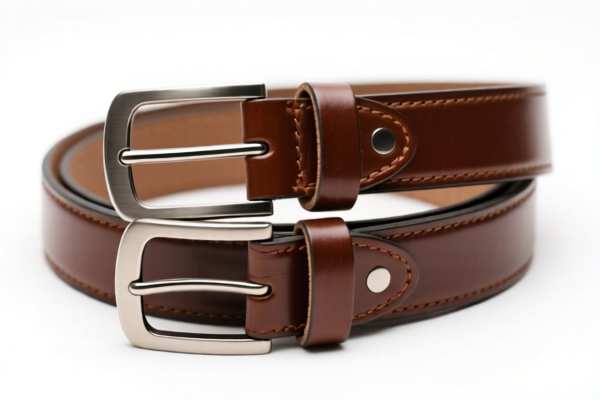
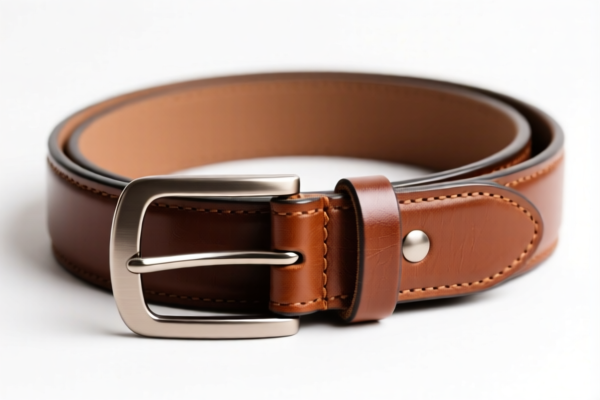
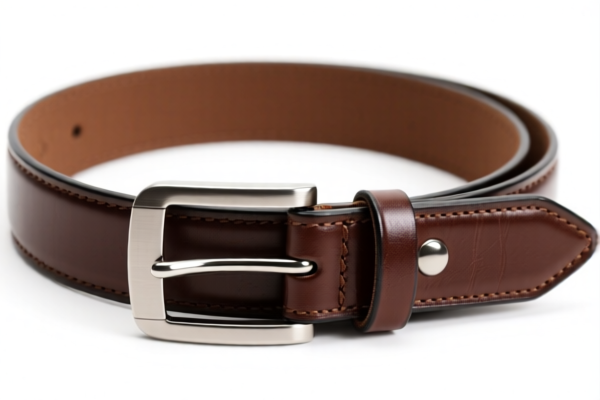
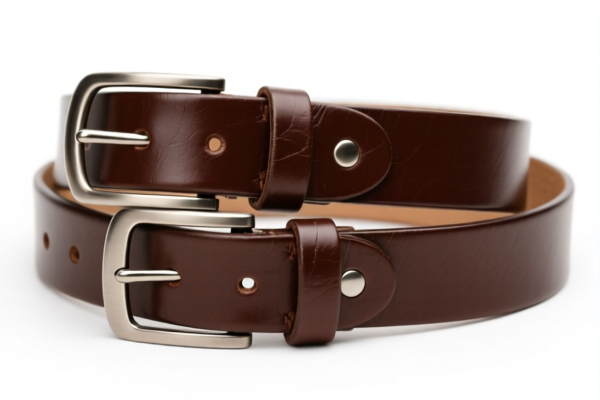
AI Analysis
🧳 Leather Belt (Fashion Accessory & Apparel)
🌐 HS Code Reference & Customs Clearance Guide | 2024-2025 Tariff Regime | Strategic Import Strategy
📌 I. Product Definition & Classification: Are You Classifying "Leather Belts" Correctly?
The Leather Belt is a quintessential apparel accessory, serving functional (waist support) and aesthetic purposes across fashion, industrial, and utility sectors. In international trade, it is not a single entity but a multifaceted product depending on its material composition (leather vs. synthetic), structure (with buckle vs. strap only), and specific end-use.
⚠️ Critical Classification Logic:
- With Buckle (Buckle included) → Often falls under Apparel Accessories (4203).
- Material Matters → "Genuine Leather" vs. "Synthetic Leather" can shift the subheading, though modern classifications often group them closely for duty purposes.
- Accessory vs. Component → Is it a finished belt (4203.30/4203.40) or a general leather strap/assembly (4205)?
📦 II. HS Code Classification Details (Based on Provided Data)
| HS Code | Product Description | Logic of Classification | Total Tax Rate (China Origin) |
|---|---|---|---|
| 4203.30.00.00 | Belts with Buckles (Leather or Synthetic) | "Belt with buckle" is the primary function; material inferred as leather/synthetic based on common usage. | 37.7% |
| 4203.40.60.00 | Leather Apparel Accessories (Belt) | Explicitly contains "Leather" (material); "Belt" falls under "Apparel Accessories" (usage). | 35.0% |
| 9113.90.80.00 | Watch Straps / Accessories (Leather) | Inferred material: Leather; Form: Watch accessory; "Other" fallback logic. | 19.3% |
| 4205.00.80.00 | Other Leather Articles (Straps/Accessories) | Explicit "Leather" material; Form: Finished "Article/Manufactured Item". | 35.0% |
| 4205.00.40.00 | Leather Belts & Straps | Exact match: "Leather" material + "Belt" form + "Leather Articles" category. | 36.8% |
🔍 Key Insight:
- 4203 Series (35.0% - 37.7%): The standard for fashion belts (waist belts with buckles).
- 9113 Series (19.3%): Reserved only if the item is explicitly a watch strap (not a waist belt!).
- 4205 Series (35.0% - 36.8%): Often used for generic leather straps, industrial belts, or non-buckle leather items.
💰 III. 2024-2025 Tariff Rate Breakdown (Detailed Tax Analysis)
✅ Target Market: USA (US)
✅ Country of Origin: China (CN)
✅ Context: Includes Base Tariff + Section 301 (Add-on) + Section 122 (Specific)
🎯 1. 4203.30.00.00 – Belts with Buckles (Leather/Synthetic)
| Tax Component | Rate | Legal Basis |
|---|---|---|
| Base Tariff | 2.7% | Standard MFN (Most Favored Nation) Rate |
| Section 301 (Add-on) | 25.0% | "China Specific" punitive tariff |
| Section 122 (Specific) | 10.0% | Additional surcharge on leather/apparel |
| Total Duty | 37.7% | Base + Add-ons |
| De Minimis? | ❌ No | High duty threshold exceeds exemptions |
📌 Explanation:
This is the "Classic Fashion Belt" classification. The 37.7% rate is aggressive due to the cumulative effect of the 25% Section 301 and 10% Section 122 surcharges on top of the base 2.7%.
🎯 2. 4203.40.60.00 – Leather Apparel Accessories
| Tax Component | Rate | Legal Basis |
|---|---|---|
| Base Tariff | 0.0% | Preferential or specific zero-rating for base |
| Section 301 (Add-on) | 25.0% | Section 301 penalty |
| Section 122 (Specific) | 10.0% | Additional surcharge |
| Total Duty | 35.0% | Add-ons only |
| De Minimis? | ❌ No | Exempted due to high effective rate |
📌 Explanation:
Even with a 0% Base Tariff, the 35.0% Total is driven entirely by the 35% combined add-ons (25% + 10%). This is slightly cheaper than 4203.30 due to the 2.7% base reduction, but still high.
🎯 3. 9113.90.80.00 – Watch Straps (Leather)
| Tax Component | Rate | Legal Basis |
|---|---|---|
| Base Tariff | 1.8% | Standard Base Rate |
| Section 301 (Add-on) | 7.5% | Reduced Section 301 rate for accessories |
| Section 122 (Specific) | 10.0% | Additional surcharge |
| Total Duty | 19.3% | Lowest Rate in List |
| De Minimis? | ❌ No | Depends on value, but rate is low |
📌 Explanation:
⚠️ CRITICAL WARNING: This rate ONLY applies if the "Leather Belt" is actually a WATCH STRAP. If you import a waist belt under this code, customs will reject it as misclassification. Do not use unless it is a watch accessory!
🎯 4. 4205.00.80.00 – Other Leather Articles
| Tax Component | Rate | Legal Basis |
|---|---|---|
| Base Tariff | 0.0% | Base rate waiver |
| Section 301 (Add-on) | 25.0% | Section 301 penalty |
| Section 122 (Specific) | 10.0% | Additional surcharge |
| Total Duty | 35.0% | Same as 4203.40 |
| De Minimis? | ❌ No | High effective rate |
📌 Explanation:
Used for leather items not specifically listed elsewhere. Good for generic leather straps, but identical tax to 4203.40.
🎯 5. 4205.00.40.00 – Leather Belts & Straps
| Tax Component | Rate | Legal Basis |
|---|---|---|
| Base Tariff | 1.8% | Standard Base Rate |
| Section 301 (Add-on) | 25.0% | Section 301 penalty |
| Section 122 (Specific) | 10.0% | Additional surcharge |
| Total Duty | 36.8% | High but specific |
| De Minimis? | ❌ No | High duty |
📌 Explanation:
The "Direct Match" code for leather belts in this context. Slightly higher than 4203.30 due to the 1.8% base + 35% add-ons vs 2.7% + 35%.
🛠️ IV. Customs Clearance Practical Advice (Risk Management)
✅ 1. Documentation Checklist (Must-Haves)
| Document | Requirement | Why It Matters |
|---|---|---|
| ✅ Product Photos | Must show Buckle, Leather Texture, and Stitching | Proves "Leather" material and "Belt" structure. |
| ✅ Material Declaration | Explicitly state % of Leather vs. Synthetic | Determines if 4203.30 or 4203.40 applies. |
| ✅ Function Description | "Waist Belt" vs. "Watch Strap" | Crucial: Avoiding the 19.3% trap for waist belts! |
| ✅ Composition Spec Sheet | Liner, Buckle metal, Strap material | Confirms "Leather" classification. |
| ✅ Commercial Invoice | Clear description: "Genuine Leather Waist Belt" | Prevents "General Goods" misclassification. |
✅ 2. Strategic Declaring Tips (The "Golden Rules")
🔥 Rule: "If it's on your waist, it's 4203/4205. If it's on your wrist, it's 9113."
| Scenario | Correct HS Code | Risk if Wrong |
|---|---|---|
| Fashion Waist Belt (with buckle) | 4203.30.00.00 or 4203.40.60.00 |
If declared as 9113 → Seizure/Rejection |
| Leather Watch Strap | 9113.90.80.00 |
If declared as 4203 → Lost savings (19.3% vs 35%) |
| Generic Leather Strap (no buckle) | 4205.00.80.00 |
If declared as 4203 → Penalty |
| Synthetic "Leather" Belt | 4203.30.00.00 (Often treated same) |
Must confirm material; if 100% plastic, different code! |
📌 Expert Tip:
If your product is 100% Synthetic (PU/PVC), do NOT use "Leather" HS codes (4203/4205). It will be classified under Chapter 39 (Plastics), which may have different rates (often 301 applies differently). Always verify the material content!
✅ 3. Special Cases & Pitfalls
| Situation | Action |
|---|---|
| "Leather" is Fake (PU) | Declare as "Synthetic" to avoid "Misleading Description" penalties, even if HS code remains similar. |
| Mixed Material (Leather + Fabric) | If Leather is dominant (>50%), use 4203. If Fabric is dominant, it might be a textile (6307). |
| Buckle is Metal, Strap is Leather | Still 4203/4205; the buckle is considered an accessory to the leather belt. |
| Sample Imports (Under $800) | De Minimis (Section 321) DOES NOT APPLY to Section 301/122 duties for these high-risk codes. Expect to pay. |
🌍 V. Market Comparison (USA vs. Rest of World)
| Market | Typical Duty (Leather Belt) | Key Barrier |
|---|---|---|
| 🇺🇸 USA | 35.0% - 37.7% | Section 301 + Section 122 (High punitive taxes) |
| 🇨🇳 China | 0% - 10% | No 301 (Domestic) |
| 🇪🇺 EU | 0% - 8% (Depending on origin) | CE Marking, Leather Treatment Certs |
| 🇯🇵 Japan | 0% - 8% | No 301, strict material labeling |
| 🇦🇺 Australia | 5% | No 301 |
📌 Conclusion:
The US Market is the most expensive for Leather Belts due to the 35%+ effective tariff.
Strategy: Consider shifting production to Vietnam, Mexico, or Thailand to avoid Section 301 (if rules of origin are met).
📌 VI. Common Mistakes & Avoidance (Lessons Learned)
❌ Mistake 1: Calling a "Watch Strap" a "Leather Belt" to fit a category.
👉 Result: 19.3% rate lost, customs audit, and potential fraud charges.
❌ Mistake 2: Claiming "Genuine Leather" when it is "Faux Leather" (PU).
👉 Result: Customs Rejection and fines for false declaration.
❌ Mistake 3: Ignoring Section 122 (10%).
👉 Result: Underestimating landed cost by 10%, killing profit margins.
❌ Mistake 4: Splitting "Belt + Buckle" into separate packages to lower value.
👉 Result: De Minimis exemption fails for Section 301; combined duty still applies.
✅ Correct Strategy:
"Declare accurately: 'Leather Belt, 100% Genuine Leather, with Metal Buckle'. Accept the 35-37.7% duty as the cost of doing business in the US."
🎯 VII. Final Verdict: Strategic Import Decision
🎯 Bottom Line:
Importing Leather Belts to the US from China is HIGH-COST (35-37.7%).
If the item is a Watch Strap: The cost drops to 19.3% (still high, but better).💡 Action Plan: 1. Verify Material: Is it Real Leather or Synthetic? 2. Verify Function: Is it a Waist Belt or Watch Strap? 3. Calculate Landed Cost: (Product Cost + 35-37.7% Duty + Shipping + Insurance). 4. Consider Alternative Origins: Vietnam/Mexico to bypass 301 tariffs.
📌 Pro Tip:
"Leather Belt" is a Category Killer in the US.
If your margin is thin, relocate production or reclassify the product (e.g., as a fashion accessory with different material composition) to optimize tax.
📣 Call to Action:
📞 Consult a Customs Broker for a Binding Ruling before shipping.
🚀 Do Not Guess the HS Code – The cost of a mistake is thousands of dollars in duties.
✨ Precision Classification = Profit Protection!
💼 Your leather belt's journey should be smooth, not burdened by 37.7% taxes!
Customer Reviews
About HS Code Classification
The Harmonized System (HS) is an internationally standardized nomenclature developed by the World Customs Organization (WCO) to classify traded products. Over 200 countries use the HS system as the basis for customs tariffs, trade statistics, and import/export regulations.
Each HS code follows a hierarchical structure:
- Chapter (2 digits) — Broad category of goods (e.g., Chapter 84: Machinery and Mechanical Appliances)
- Heading (4 digits) — More specific grouping within the chapter
- Subheading (6 digits) — Internationally standardized breakdown, used by all WCO member countries
- National subdivisions (8-10 digits) — Country-specific extensions for further classification, such as US HTSUS 10-digit codes
Correct HS code classification is essential for smooth customs clearance, accurate duty payment, and compliance with trade regulations. Misclassification can lead to customs delays, overpayment of duties, or penalties.
When importing from CN to US, the applicable tariff rates may include:
- Most-Favored-Nation (MFN) rate — The standard duty rate applied to WTO members
- General rate — Applied to countries without trade agreements
- Trade remedy duties — Additional tariffs such as Section 301 (anti-dumping), Section 232 (national security), or countervailing duties
The information provided on this page is for reference purposes only. For official classification, please consult with your local customs authority or a licensed customs broker.