Leather Belt Material
CN → US| HS Code | Tariff Rate | Origin | Destination | Doc |
|---|---|---|---|---|
| 4113903000 | 38.3% | CN | US | Official Doc |
| 4113906000 | 36.6% | CN | US | Official Doc |
| 4107197030 | 15.0% | CN | US | Official Doc |
| 4107997030 | 15.0% | CN | US | Official Doc |
| 4205000500 | 37.9% | CN | US | Official Doc |
| 4205004000 | 36.8% | CN | US | Official Doc |
Product Images
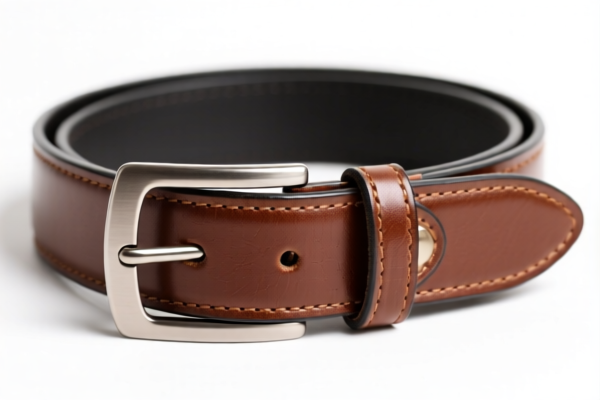
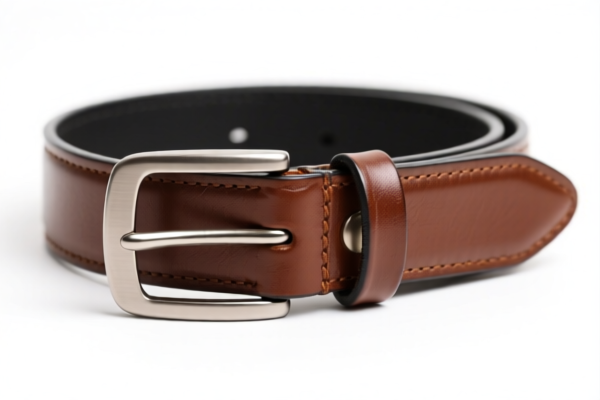
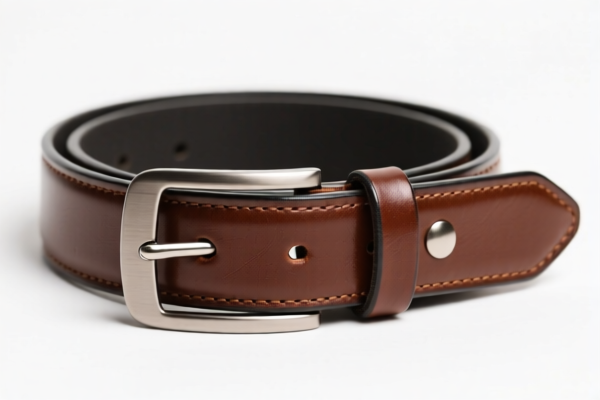
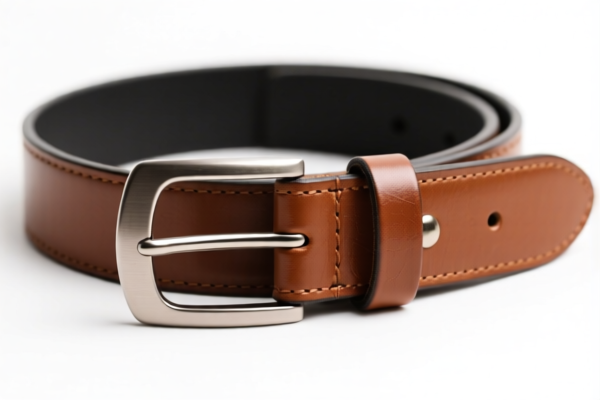
AI Analysis
🐄 Leather Belt Material – HS Code & Tariff Guide (2026 Edition)
🌐 HS Code Classification & Customs Clearance Strategy | 2026 Updated Tariff Rules | Professional Importer’s Toolkit
📌 One: Product Definition & Classification – What Exactly Is "Leather Belt Material"?
"Leather Belt Material" refers to leather that has been further processed after tanning or crusting, specifically designed for use in belting applications (e.g., conveyor belts, industrial drive belts, power transmission belts). It is typically:
- Without wool or hair on the surface
- Cut or shaped into forms suitable for conversion into belts
- Made from bovine (including buffalo) or equine animals, or other animals
- Not fancy (i.e., not specially treated or decorated)
- Not raw hides/skins (which fall under heading 4114)
⚠️ Critical Distinction:
- If the leather is already cut or shaped for belting → Must be classified under 4107.19.70.30 or 4107.99.70.30
- If it's not yet shaped, but still used in machinery → may fall under 4205.00.05.00
- If it's fancy leather (e.g., embossed, dyed, or decorative) → Not eligible for these low-tariff codes
📦 Two: HS Code Classification Breakdown (2026 Tariff Authority Reference)
| HS Code | Product Description | Applicable Use Case | Key Features |
|---|---|---|---|
4107.19.70.30 |
Leather from bovine (including buffalo) or equine animals, without hair, whether or not split, not fancy, used for belting | Industrial conveyor belts, drive belts, power transmission systems | ✅ No base tariff ✅ No附加 tax ✅ No special restrictions |
4107.99.70.30 |
Other leather (from other animals), without hair, whether or not split, not fancy, used for belting | Belts made from goat, sheep, or other animal leather | ✅ No base tariff ✅ No附加 tax ✅ No special restrictions |
4205.00.05.00 |
Other articles of leather or composition leather: Belting leather cut or wholly/partly manufactured into forms/shapes suitable for conversion into belting | Pre-shaped or pre-cut leather for belt production | ✅ Base: 2.9% ✅ Additional: 25.0% ✅ Total: 27.9% |
🔍 Key Insight:
-4107.19.70.30and4107.99.70.30are zero-tariff codes for non-fancy belting leather — this is the golden path for cost savings
-4205.00.05.00applies only if the leather is already cut or shaped — even if it’s from bovine leather, this higher tariff applies
💰 Three: 2026 Tariff Breakdown (With Full Tax Clause Explanation)
✅ Applicable Country: United States (US)
✅ Origin: China (CN), Vietnam (VN), India (IN), etc.
✅ Effective Date: 2025–2026 (ongoing)
🎯 1. 4107.19.70.30 – Bovine/Equine Belting Leather (Not Fancy)
| Item | Detail |
|---|---|
| Base Duty | 0.0% (ad valorem) |
| Additional Tariff | 0.0% |
| Total Tax Rate | 0.0% |
| Tax Calculation | CIF Value × 0.0% = $0 |
| De Minimis Exemption | ✅ Yes (if value < $800, may be exempt) |
| Legal Basis | No USITC or IEEPA tariffs apply → Not subject to Section 301 or emergency economic measures |
📌 Why Zero Tax?
- This code is exempt from all附加 taxes under U.S. trade law
- No 25% Section 301 tariffs apply because it’s not classified as “fancy” or “high-value”
- No IEEPA (International Emergency Economic Powers Act) impact
- Ideal for bulk industrial imports
🎯 2. 4107.99.70.30 – Other Animal Belting Leather (Not Fancy)
| Item | Detail |
|---|---|
| Base Duty | 0.0% |
| Additional Tariff | 0.0% |
| Total Tax Rate | 0.0% |
| Tax Calculation | CIF Value × 0.0% = $0 |
| De Minimis Exemption | ✅ Yes |
| Legal Basis | Same as above — no附加 tariffs apply |
📌 Note:
- Even if the leather is from goat, sheep, or other animals, as long as it’s not fancy and used for belting, it qualifies for 0% tariff
- Do not confuse with “fancy” leather (e.g., embossed, colored, or decorative) — that would trigger 26.6% under4113.90.60.00
🎯 3. 4205.00.05.00 – Belting Leather (Cut or Shaped)
| Item | Detail |
|---|---|
| Base Duty | 2.9% |
| Additional Tariff | 25.0% (Section 301 – USITC) |
| Total Tax Rate | 27.9% |
| Tax Calculation | CIF Value × 27.9% |
| De Minimis Exemption | ❌ No (not eligible) |
| Legal Basis | USITC: 9903.88.01 → Section 301 Tariff List → 4205.00.05.00 |
📌 Why 27.9%?
- 2.9% is the standard base rate for belting leather
- 25.0% is the Section 301 tariff imposed on Chinese-origin goods under U.S. trade law
- Total = 27.9% — very high for industrial materials
- No de minimis → even small shipments face full tax
🛠️ Four: Customs Clearance Best Practices (Pro Tips to Avoid Penalties)
✅ 1. Required Documentation (MUST-HAVE)
| Document | Required? | Why It Matters |
|---|---|---|
| ✅ Commercial Invoice | ✔️ | Must clearly state: "Leather Belt Material – Not Fancy – For Industrial Belting" |
| ✅ Packing List | ✔️ | Show quantity, weight, and whether cut/formed |
| ✅ Product Photos | ✔️ | Show surface texture, edges, and whether pre-shaped |
| ✅ Certificate of Origin (CO) | ✔️ | If from Vietnam, India, or Mexico, may qualify for lower tariffs |
| ✅ Technical Specs / Cut Sheet | ✔️ | Prove it’s not fancy and not yet assembled |
| ✅ HS Code Pre-Ruling (Optional) | ✔️ | Request from U.S. CBP for guaranteed classification |
✅ 2.申报技巧(Key Rules of Thumb)
🔥 “Not Fancy, Not Cut, Zero Tax – That’s the Sweet Spot!”
| Scenario | Correct HS Code | Wrong Code | Risk |
|---|---|---|---|
| Bovine leather, uncut, for belting | 4107.19.70.30 |
4205.00.05.00 |
Pay 27.9% instead of 0% |
| Goat leather, split, used for belts | 4107.99.70.30 |
4113.90.30.00 |
Pay 28.3% instead of 0% |
| Leather already cut into belt shape | 4205.00.05.00 |
4107.19.70.30 |
Detention, fines, or seizure |
| Fancy leather (embossed, colored) | 4113.90.60.00 |
4107.19.70.30 |
Penalty + reclassification |
✅ 3. Special Cases & Solutions
| Situation | Recommended Action |
|---|---|
| Leather from Vietnam/Mexico/India | Apply for Certificate of Origin → may qualify for 0% tariff under trade agreements |
| Mixed shipments (raw + cut) | Split the declaration — raw leather → 4107.19.70.30, cut → 4205.00.05.00 |
| Custom-shaped leather (e.g., V-belt profiles) | Must use 4205.00.05.00 → 27.9% tax applies |
| Leather used in machinery (not belting) | Re-evaluate: Could be 4205.00.40.00 (straps/strops) → 26.8% tax |
🌍 Five: Global Customs Comparison (2026)
| Country | Recommended HS Code | Tariff | Certification | Notes |
|---|---|---|---|---|
| 🇺🇸 USA | 4107.19.70.30 |
0.0% | None (if not fancy) | Avoid 4205.00.05.00 |
| 🇨🇳 China | 4107.19.70.30 |
5% | CCC | No 25%附加 |
| 🇪🇺 EU | 4107.19.70.30 |
0% | CE | No additional tariffs |
| 🇦🇺 Australia | 4107.19.70.30 |
0% | RCM | No 25% |
| 🇯🇵 Japan | 4107.19.70.30 |
0% | PSE | No附加 |
📌 Insight:
- Only the U.S. imposes 25%附加 tariffs on Chinese-origin goods under Section 301
- All other major markets treat belting leather as industrial material with no extra tax
📌 Six: Common Mistakes & How to Avoid Them (Real-World Risks)
❌ Mistake 1: Labeling raw bovine leather as "belting" but not specifying "not fancy"
👉 Result: Customs may assume it’s fancy → 0% → 28.3% tax
❌ Mistake 2: Shipment contains both raw and cut leather → declare as one item
👉 Result: All items taxed at 27.9% → huge overpayment
❌ Mistake 3: Using "leather for belts" in invoice without photos or specs
👉 Result: Customs delays, request for clarification, possible seizure
❌ Mistake 4: Not verifying origin — assuming Vietnam-made leather is 0% tariff
👉 Result: If not properly certified → still subject to 25%
✅ Correct Way to Declare:
"Leather Belt Material – Bovine, Without Hair, Not Fancy, Unsplit, For Industrial Belting – HS Code: 4107.19.70.30 – Origin: Vietnam – CO Attached"
🎯 Seven: Final Verdict – Smart Strategy for Maximum Savings
🎯 Golden Rule:
🔹 If it’s raw, not fancy, and not cut → Use
4107.19.70.30or4107.99.70.30→ 0% tariff
🔹 If it’s cut or shaped → Must use4205.00.05.00→ 27.9% tax
🔹 Never misclassify fancy leather as non-fancy → 28.3% vs 0% = 28.3% difference
📌 Pro Tip:
🚀 Request a pre-ruling from U.S. Customs (CBP) before shipping — guarantees correct HS Code and avoids future disputes
🌐 Use a customs broker with experience in leather and industrial materials
📣 Take Action Now:
📞 Contact a licensed customs broker + Provide product photos + Request HS Code pre-ruling
💼 Save thousands in tariffs — avoid penalties, delays, and rejections
✨ Professional Clearance Starts with Accurate Classification!
💼 Your cost savings begin the moment you choose the right HS Code.
Customer Reviews
About HS Code Classification
The Harmonized System (HS) is an internationally standardized nomenclature developed by the World Customs Organization (WCO) to classify traded products. Over 200 countries use the HS system as the basis for customs tariffs, trade statistics, and import/export regulations.
Each HS code follows a hierarchical structure:
- Chapter (2 digits) — Broad category of goods (e.g., Chapter 84: Machinery and Mechanical Appliances)
- Heading (4 digits) — More specific grouping within the chapter
- Subheading (6 digits) — Internationally standardized breakdown, used by all WCO member countries
- National subdivisions (8-10 digits) — Country-specific extensions for further classification, such as US HTSUS 10-digit codes
Correct HS code classification is essential for smooth customs clearance, accurate duty payment, and compliance with trade regulations. Misclassification can lead to customs delays, overpayment of duties, or penalties.
When importing from CN to US, the applicable tariff rates may include:
- Most-Favored-Nation (MFN) rate — The standard duty rate applied to WTO members
- General rate — Applied to countries without trade agreements
- Trade remedy duties — Additional tariffs such as Section 301 (anti-dumping), Section 232 (national security), or countervailing duties
The information provided on this page is for reference purposes only. For official classification, please consult with your local customs authority or a licensed customs broker.