Leather Conveyor Belt
CN → US| HS Code | Tariff Rate | Origin | Destination | Doc |
|---|---|---|---|---|
| 3926906090 | 39.2% | CN | US | Official Doc |
| 5910009000 | 37.6% | CN | US | Official Doc |
| 5910001090 | 39.0% | CN | US | Official Doc |
| 3926905900 | 37.4% | CN | US | Official Doc |
| 3926905500 | 40.1% | CN | US | Official Doc |
Product Images
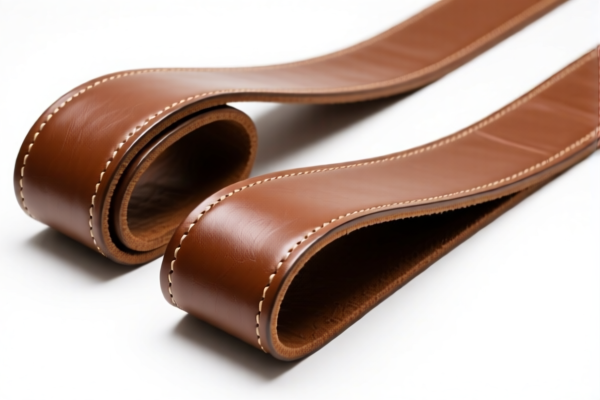
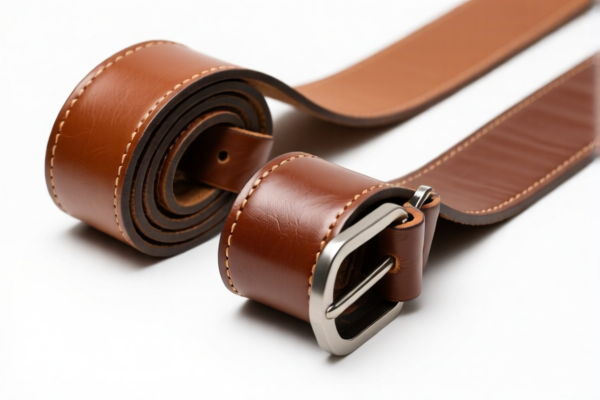
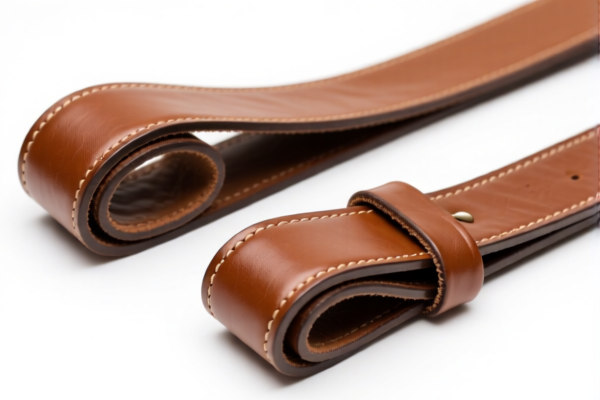

AI Analysis
🏭 Leather Conveyor Belt: The "Synthetic Leather" Classification Trap & Duty Breakdown
🌐 HS Code Reference & Customs Clearance Guide | 2026 Updated Tariff Analysis | Critical Compliance Strategy
📌 I. Product Definition: Why "Leather" Doesn't Mean "Animal Hide" Here?
In international trade, a "Leather Conveyor Belt" almost always refers to a belt made of Synthetic Leather (PU/PVC/Plastic) or Fabric-reinforced Composite, NOT genuine animal hide.
The Classification Dilemma:
海关 (Customs) does not treat "Synthetic Leather" as a single category. Depending on the manufacturing process and primary material structure, it falls into two vastly different HS Code buckets with different tariff burdens:
- Chapter 39 (Plastics/Rubber): If the belt is primarily plastic/synthetic material-based.
- Chapter 59 (Textiles/Impregnated Fabrics): If the belt is primarily textile-based with synthetic leather coating.
⚠️ Key Distinction Point:
- If the core is plastic/extruded synthetic material → Chapter 39 (Higher Base Tariff ~4-5%)
- If the core is woven fabric/textile coated with synthetic leather → Chapter 59 (Lower Base Tariff ~2.6-4%)
📦 2. HS Code Classification Details (2026 Latest Tariff Alignment)
Based on the provided , here are the 4 possible HS Codes for "Synthetic Leather Conveyor Belts" and why they apply:
| HS Code | Product Description & Logic | Material Category | Total Tax Rate |
|---|---|---|---|
3926.90.60.90 |
Other Articles of Plastic: | ||
| Synthetic leather conveyor belt viewed as a "plastic article" (e.g., molded or non-reinforced plastic leather). | Plastic/Synthetic Material | 39.2% | |
5910.00.90.00 |
Transmission Belts of Textile Material: | ||
| Synthetic leather belt where the base is textile/fabric and coated with synthetic leather. Matches the definition of "textile-made transmission belts." | Textile/Non-Metallic | 37.6% | |
5910.00.10.90 |
Artificial Fiber Belts: | ||
| Synthetic leather belt made of artificial/synthetic fibers. Matches the specific sub-category for artificial fiber transmission belts. | Artificial/Synthetic Fiber | 39.0% | |
3926.90.59.00 |
Other Plastic Articles (Transmission Belts): | ||
| Synthetic leather belt classified as a plastic transmission belt/pulley belt. Fits the "catch-all" for plastic传动带. | Plastic/Synthetic Material | 37.4% | |
3926.90.55.00 |
Plastic Transmission Belts (Specific): | ||
| Conveyor belt explicitly categorized as a mechanical transmission belt under plastic products. A "bottom-match" for plastic drive belts. | Plastic/Synthetic Material | 40.1% |
🔍 Critical Note:
-3926.90.55.00has the HIGHEST total tax (40.1%) due to a higher base tariff (5.1%).
-3926.90.59.00is the LOWEST among plastic categories (37.4%).
-5910.00.90.00is the LOWEST overall if classified as textile-based (37.6%).
- All rates include US Section 301 Tariffs (25%) + Section 122 Tariffs (10%) + Base Tariff.
💰 3. Detailed Tariff Breakdown (2026 US Import Rules for China Origin)
✅ Applicable Country: United States (US)
✅ Origin: China (CN)
✅ Effective Date: Post-2025 Trade Policy Adjustments
🎯 1. Chapter 39: Plastic-Based Synthetic Leather Belts
(Includes Codes: 3926.90.60.90, 3926.90.59.00, 3926.90.55.00)
| Tax Component | Rate | Source/Legal Basis |
|---|---|---|
| Base Tariff | 2.4% – 5.1% | HTSUS Chapter 39 General Rate |
| Section 301 Tariff | +25.0% | USITC Footnote 9903.88.01 (China-specific) |
| Section 122 Tariff | +10.0% | IEEPA/Trade Act provisions (China-specific) |
| 🔴 TOTAL RATE | 37.4% – 40.1% | Varies by specific plastic sub-category |
📌 Explanation:
- Base Tariff: Varies because "Plastic Articles" (3926.90) have different sub-headings for "Other" vs. "Transmission Belts."
- 301 Tariff (25%): Applies to nearly all Chinese plastic products.
- 122 Tariff (10%): Additional surcharge on Chinese goods.
- Result: A $10,000 shipment costs $3,740 – $4,010 in duties alone.
🎯 2. Chapter 59: Textile-Based Synthetic Leather Belts
(Includes Codes: 5910.00.90.00, 5910.00.10.90)
| Tax Component | Rate | Source/Legal Basis |
|---|---|---|
| Base Tariff | 2.6% – 4.0% | HTSUS Chapter 59 General Rate |
| Section 301 Tariff | +25.0% | USITC Footnote 9903.88.01 (China-specific) |
| Section 122 Tariff | +10.0% | IEEPA/Trade Act provisions (China-specific) |
| 🔴 TOTAL RATE | 37.6% – 39.0% | Lower base tariff, but still high |
📌 Explanation:
- Base Tariff: Chapter 59 (Textiles) generally has lower base rates (2.6-4.0%) than Chapter 39 (Plastics, up to 5.1%).
- 301 & 122 Tariffs: Same 25% + 10% surcharges apply.
- Result: A $10,000 shipment costs $3,760 – $3,900 in duties.
🛠️ 4. Customs Clearance Practical Advice (How to Avoid Errors)
✅ 1. Documentation Checklist (Must-Haves)
| Document | Requirement | Why It Matters |
|---|---|---|
| ✅ Product Specification Sheet | ✔️ | Must specify: Core Material (Plastic vs. Fabric) and Surface (Synthetic Leather/PU). |
| ✅ Cross-Section Photo/Diagram | ✔️ | CRITICAL: Shows if the belt is solid plastic (Chapter 39) or fabric-reinforced (Chapter 59). |
| ✅ Commercial Invoice | ✔️ | Must clearly state: "Conveyor Belt, Synthetic Leather, [Plastic/Fabric] Core, for Industrial Use." |
| ✅ Bill of Lading | ✔️ | Match HS Code description exactly. |
| ✅ Material Certificate | ✔️ | Proves the "leather" is synthetic/plastic, NOT animal hide (which would have different duties). |
✅ 2. Classification Strategy (Avoid Over-Taxation)
🔥 Golden Rule:
"Material Core Dictates Chapter: Plastic → Ch39, Fabric → Ch59."
| Scenario | Recommended HS Code | Why? | Risk of Wrong Code |
|---|---|---|---|
| Solid Plastic Belt (No fabric) | 3926.90.59.00 (37.4%) |
Best rate for plastic belts. | 3926.90.55.00 (40.1%) → +2.7% extra duty |
| Fabric-Reinforced Belt | 5910.00.90.00 (37.6%) |
Lower base tariff than plastic. | Misclassified as Plastic → +2.5% extra duty |
| Artificial Fiber Belt | 5910.00.10.90 (39.0%) |
Specific for synthetic fibers. | Must prove "artificial fiber" composition. |
📌 Warning:
- Do NOT use "Leather" (Chapter 41) unless it is genuine animal hide.
- Do NOT use "Rubber" (Chapter 40) unless it is solid rubber.
- Synthetic Leather = Plastic or Textile.
✅ 3. Special Cases
| Situation | Action |
|---|---|
| OEM Custom Belt | Provide design specs showing material layers. |
| Mixed Package (Belt + Parts) | Declare belt separately. Parts may have different HS codes. |
| Used/Refurbished Belt | Still subject to same HS code + duties. |
| Non-China Origin | If made in Vietnam/Thailand, Section 301 & 122 tariffs may not apply → Drastic duty savings! |
🌍 5. Global Market Comparison (2026)
| Country | Recommended HS Code | Base Duty | US Extra Tariffs | Total Cost Impact |
|---|---|---|---|---|
| 🇺🇸 USA | 3926.90.59.00 or 5910.00.90.00 |
2.6-5.1% | +35% (301+122) | 37.4-40.1% |
| 🇨🇳 China (Import) | 4010.39.00.00 (Rubber) or 5910.00.00.00 |
5-10% | None | ~5-10% |
| 🇪🇺 EU | 4010.39 or 5910.00 |
0-2% | None | ~0-2% |
| 🇻🇳 Vietnam | Same HS | 0% | None (if local origin) | 0% |
📌 Conclusion:
- US Market is the most expensive for Chinese-made synthetic leather belts due to 35%+ surcharges.
- EU and China have significantly lower base duties.
- Sourcing from Vietnam/Thailand can eliminate 35% of tariffs entirely.
📌 6. Common Mistakes & Pitfalls (Learn from Others)
❌ Mistake 1: Classifying as "Genuine Leather" (Chapter 41)
👉 Result: Rejected by Customs. Synthetic leather is NOT Chapter 41. Penalty + Retaxation.
❌ Mistake 2: Using 3926.90.55.00 when 3926.90.59.00 applies
👉 Result: Overpaying 2.7% duty. Always check if the belt is a "specific transmission belt" (55) or "other plastic article" (59).
❌ Mistake 3: Ignoring the "Core Material"
👉 Result: If fabric-core but declared as plastic, Customs may audit and apply the higher rate or fine for misdeclaration.
✅ Correct Declaration Example:
"Conveyor Belt, Synthetic Leather (PU Coated), Fabric Core, for Industrial Machinery, Model XYZ, HS 5910.00.90.00"
🎯 7. Final Recommendation: Save Costs & Stay Compliant
🎯 Key Takeaways:
🔹 "Synthetic Leather = Plastic or Textile, NOT Animal."
🔹 Check Core Material: Plastic → Ch39, Fabric → Ch59.
🔹 Lowest US Duty:3926.90.59.00(37.4%) or5910.00.90.00(37.6%).
🔹 Avoid3926.90.55.00(40.1%) unless specifically required.
🔹 Consider Non-China Origin: Vietnam/Thailand can save 35% in duties.
📌 Pro Tip:
If your synthetic leather belt is fabric-reinforced, always aim for
5910.00.90.00. It often has a lower base tariff than plastic equivalents, resulting in a slightly lower total duty (37.6% vs 37.4-40.1% depending on plastic sub-code).
📣 Immediate Action:
📞 Get a Pre-Ruling: Submit product specs to a customs broker for an Advance Ruling before shipping.
📦 Photograph the Cross-Section: Keep this as proof of material core (Plastic vs. Fabric).
🚀 Optimize Supply Chain: If tariffs are too high, consider sourcing from Vietnam or Thailand to bypass US surcharges.
✨ Precision in Classification = Savings in Duty.
💼 Don't let 35% in tariffs eat your margin. Get the HS Code right.
Customer Reviews
About HS Code Classification
The Harmonized System (HS) is an internationally standardized nomenclature developed by the World Customs Organization (WCO) to classify traded products. Over 200 countries use the HS system as the basis for customs tariffs, trade statistics, and import/export regulations.
Each HS code follows a hierarchical structure:
- Chapter (2 digits) — Broad category of goods (e.g., Chapter 84: Machinery and Mechanical Appliances)
- Heading (4 digits) — More specific grouping within the chapter
- Subheading (6 digits) — Internationally standardized breakdown, used by all WCO member countries
- National subdivisions (8-10 digits) — Country-specific extensions for further classification, such as US HTSUS 10-digit codes
Correct HS code classification is essential for smooth customs clearance, accurate duty payment, and compliance with trade regulations. Misclassification can lead to customs delays, overpayment of duties, or penalties.
When importing from CN to US, the applicable tariff rates may include:
- Most-Favored-Nation (MFN) rate — The standard duty rate applied to WTO members
- General rate — Applied to countries without trade agreements
- Trade remedy duties — Additional tariffs such as Section 301 (anti-dumping), Section 232 (national security), or countervailing duties
The information provided on this page is for reference purposes only. For official classification, please consult with your local customs authority or a licensed customs broker.