Leather Diary Notebook Set
CN → US| HS Code | Tariff Rate | Origin | Destination | Doc |
|---|---|---|---|---|
| 4820104000 | 35.0% | CN | US | Official Doc |
| 4820102010 | 35.0% | CN | US | Official Doc |
| 4202316000 | 43.0% | CN | US | Official Doc |
| 4820102060 | 35.0% | CN | US | Official Doc |
| 3926100000 | 15.3% | CN | US | Official Doc |
Product Images
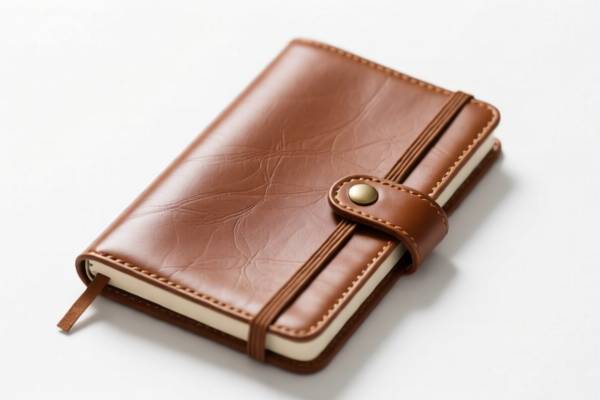
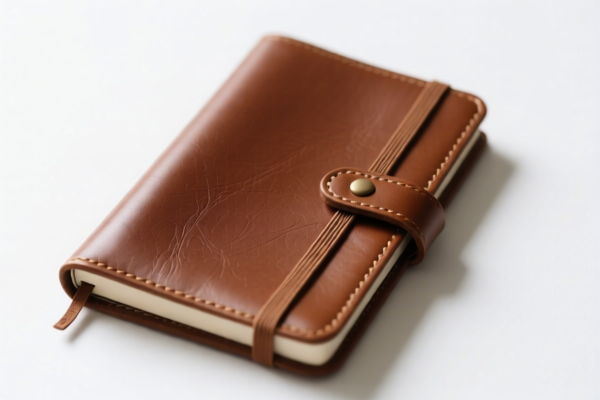
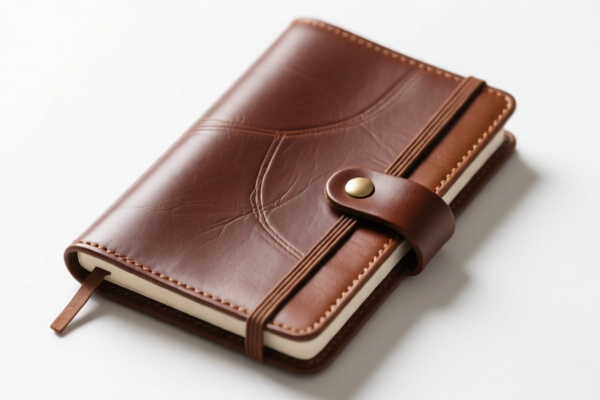
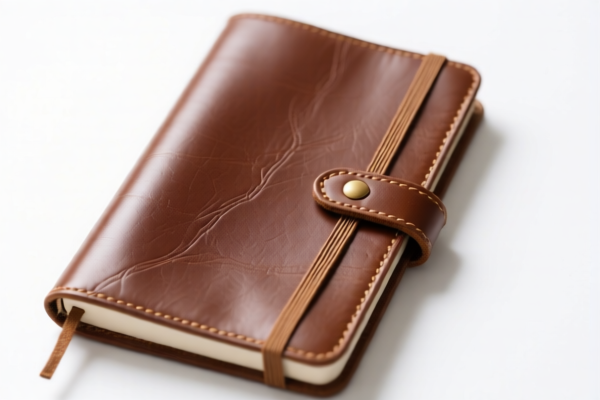
AI Analysis
📔 Leather Diary Notebook Set (The "Paper vs. Leather" Dilemma)
🌐 HS Code Reference & Customs Clearance Guide | 2026 Latest Tariff Analysis | Strategic Compliance for Leather Goods
📌 Part I: Product Definition & Classification: Are You Selling Paper or Leather?
A "Leather Diary Notebook Set" is a composite product that creates significant classification ambiguity in international trade. It sits at the intersection of two distinct customs chapters: Chapter 48 (Paper/Paperboard articles) and Chapter 42 (Articles of Leather).
The core dispute lies in: 1. The "Essential Character" Rule: Does the leather binding define the product, or is it just the cover for the paper content? 2. The "Material Composition" Rule: Is the outer surface primarily leather (Chapter 42), or is the functional content paper (Chapter 48)? 3. The "Set" Factor: If the set includes accessories, does the set's character determine the code, or must each component be classified separately?
⚠️ Critical Distinction Point:
- If the leather is merely a thin cover protecting paper pages, and the utility is primarily writing/recording → Likely Chapter 48 (Paper).
- If the leather is substantial, structured as a container/pouch, or the diary is seen as a luxury leather accessory → Likely Chapter 42 (Leather).
- Risk: Misclassification leads to massive tariff discrepancies (e.g., 15.3% vs. 43.0%).
📦 Part II: HS Code Classification Details (2026 Latest Authorized Tariff Schedule)
Based on the provided dataset, there are five potential HS Codes. The choice depends on how customs interprets the "Essential Character."
| HS Code | Product Description | Key Classification Logic | Primary Tariff Rate (China→US) |
|---|---|---|---|
| 4820.10.40.00 | Leather Diary Set (Paper Stationery) | Classified as Stationery/Notebooks. The leather is viewed as an outer covering for paper goods. Focus on "Paper Article." | 35.0% |
| 4820.10.20.10 | Leather Diary Set (Functional Diary) | Classified as a Diary/Notebook. Similar to above, but specific subheading for finished diaries. | 35.0% |
| 4820.10.20.60 | Hardcover Diary Set (Finished Paper Item) | Classified as a Finished Diary. Emphasizes the "paper-based, bound article" nature. | 35.0% |
| 4202.31.60.00 | Leather Diary Set (Leather Container) | Classified as a Leather Article. The leather surface dominates; viewed as a pouch/holder for papers rather than the paper itself. | 43.0% |
| 3926.10.00.00 | Deluxe Diary Set (Mixed Materials) | Classified under Other Articles of Plastics/Imitation Leather. Note: Only applies if the "leather" is actually imitation/plastic or if the set is predominantly non-paper/non-genuine leather. | 15.3% |
🔍 Key Insight:
- Codes4820.10.40.00,4820.10.20.10, and4820.10.20.60all carry the same effective tariff (35%) but differ in subheadings based on precise physical attributes (e.g., binding type).
- Code4202.31.60.00is the most expensive (43%) because it triggers the higher base duty for leather goods.
- Code3926.10.00.00is the cheapest (15.3%) but carries the highest compliance risk if the product is genuine leather. Misdeclaring genuine leather as plastic/imitation can lead to fraud allegations.
💰 Part III: 2026 Latest Tariff Breakdown (Including Duties & Surcharges)
✅ Applicable Country: USA (US)
✅ Origin: China (CN)
✅ Effective Date: Post-November 2025 (Current Trade Regime)
🎯 Scenario A: Classification as Paper Articles (HS Codes 4820.10.*)
| Item | Detail |
|---|---|
| HS Codes | 4820.10.40.00, 4820.10.20.10, 4820.10.20.60 |
| Base Duty (MFN) | 0.0% (Paper products often have 0% MFN) |
| Section 301 Duty | +25.0% (Standard tariff on many Chinese goods) |
| Section 122 Duty | +10.0% (Targeted duty on specific categories) |
| Total Effective Rate | 35.0% |
| De Minimis Eligibility | ❌ No (Denied. Section 301 duties apply even to low-value shipments in many contexts, or below $800 threshold if flagged.) |
| Legal Basis | Section 301 Footnote → HTS 4820.10 |
📌 Explanation:
- The 0% base rate makes this look attractive, but the 35% effective rate is punitive.
- This classification assumes the paper content is the essential character.
- Compliance Note: Ensure the diary is primarily paper. If it contains significant electronic components, this classification is invalid.
🎯 Scenario B: Classification as Leather Articles (HS Code 4202.31.60.00)
| Item | Detail |
|---|---|
| HS Code | 4202.31.60.00 |
| Base Duty (MFN) | 8.0% (Leather articles have a higher base rate) |
| Section 301 Duty | +25.0% |
| Section 122 Duty | +10.0% |
| Total Effective Rate | 43.0% |
| De Minimis Eligibility | ❌ No |
| Legal Basis | Section 301 Footnote → HTS 4202.31 |
📌 Explanation:
- The 8% base duty adds cost immediately.
- Even with the same surcharges (35%), the total is 43%.
- This classification applies if the diary is viewed as a leather case/sleeve holding loose papers, or if the leather craftsmanship is the primary value driver.
🎯 Scenario C: Classification as Plastic/Imitation Leather (HS Code 3926.10.00.00)
| Item | Detail |
|---|---|
| HS Code | 3926.10.00.00 |
| Base Duty (MFN) | 5.3% |
| Section 301 Duty | 0.0% (Some plastic articles may be exempt or lower tier, but verify current list) |
| Section 122 Duty | +10.0% |
| Total Effective Rate | 15.3% |
| De Minimis Eligibility | ❓ Check Specific Exclusions |
| Legal Basis | HTS 3926.10 |
⚠️ WARNING:
- This 15.3% rate is significantly lower.
- However, this is ONLY valid if the product is made of plastic, PVC, PU, or imitation leather.
- If the product is genuine leather, declaring it under3926is customs fraud and can result in seizure, heavy fines, and loss of import privileges.
- Use this code only if the product is clearly a "Plastic Diary Cover" or "Synthetic Leather Diary" with no genuine leather content.
🛠️ Part IV: Customs Clearance Practical Advice (Avoiding Pitfalls)
✅ 1. Documentation Checklist (Mandatory)
| Document | Requirement | Purpose |
|---|---|---|
| Product Specification Sheet | Must clearly state material composition (e.g., "Genuine Leather Cover, Paper Pages") | Determines Chapter 42 vs. 48 vs. 39 |
| Commercial Invoice | Must accurately describe item: "Leather-Bound Paper Diary Set" | Avoids "Misdescription" flags |
| Material Breakdown | % of Leather vs. % of Paper vs. % of Other Materials | Helps CBP determine "Essential Character" |
| Photos | Clear images of the diary, showing texture, thickness, and binding | Proof of genuine vs. imitation leather |
| Certificate of Origin | Required for Section 301 duty calculations | Proves CN origin |
✅ 2. Classification Strategy (The "Essential Character" Test)
| Scenario | Recommended HS Code | Why? |
|---|---|---|
| Genuine Leather, Thin Cover, Paper Core | 4820.10.40.00 or 4820.10.20.10 |
Paper content provides the essential utility (writing). |
| Thick Leather, Structured, Few Pages | 4202.31.60.00 |
Leather structure dominates; acts more like a pouch. |
| Synthetic/PU Leather Only | 3926.10.00.00 |
Material is plastic-based, not leather or paper. |
| Mixed Materials (Leather + Metal Clasp) | 4202.31.60.00 |
Leather usually overrides minor metal accessories. |
🔥 "Golden Rule":
"If it writes, it’s paper (48). If it holds, it’s leather (42). If it’s fake, it’s plastic (39)."
✅ 3. Common Errors & Risks
❌ Error 1: Declaring a genuine leather diary as 3926.10.00.00 to save taxes.
👉 Consequence: Customs audit → Penalty + Seizure + Back Taxes.
❌ Error 2: Using 4202.31.60.00 for a thin-paper diary.
👉 Consequence: You pay 43% instead of 35%. Unnecessary cost increase.
❌ Error 3: Ignoring Section 122 Duties.
👉 Consequence: Many "Leather" or "Paper" goods are subject to the 10% additional 122 tariff. Ensure your HS code is checked against the current Section 122 list.
✅ Best Practice:
- Provide high-resolution photos of the material texture.
- Clearly label as "Leather Bound Notebook" or "Paper Diary with Leather Cover".
- If using 3926, ensure the invoice says "Imitation Leather" or "PU Leather", never "Leather."
🌍 Part V: Global Market Comparison (2026 Outlook)
| Country/Region | Preferred HS Code | Est. Tariff (CN Origin) | Notes |
|---|---|---|---|
| 🇺🇸 USA | 4820.10.* or 4202.31.* |
35% - 43% | High Section 301 & 122 duties. |
| 🇪🇺 EU | 4820.10.* |
~6.5% | No Section 301. Lower base duty. |
| 🇬🇧 UK | 4820.10.* |
~6.5% | Post-Brexit, aligns with EU largely. |
| 🇨🇦 Canada | 4820.10.* |
~0-6.5% | CUSMA considerations may apply. |
📌 Conclusion:
- USA is the most challenging market for diary sets due to layered tariffs (Base + 301 + 122).
- Diversify supply chain if targeting the US with leather-bound goods; consider non-CN origin for4202goods to avoid surcharges.
📌 Part VI: Final Recommendations
- Audit Your Product: Is it genuine leather? If yes, do not use
3926.10.00.00. - Choose Wisely: If it’s a standard diary, aim for
4820.10.40.00(35%) rather than4202.31.60.00(43%). The 8% difference is significant. - Prepare for 35%+ Costs: Budget for the 35% effective duty. This is the standard for Chinese-made paper/leather hybrids entering the US.
- Pre-File Binding: Consider using ISF (Importer Security Filing) correctly to avoid port holds.
📣 Immediate Action:
📞 Consult a Customs Broker: Submit your product photos and material specs for a Binding Ruling before shipment.
💼 Cost Savings: A correct classification saves 8% per unit (vs. 43% vs. 35%) and avoids legal risks.
✨ Smart Classification, Smarter Profits!
💼 Don't let classification errors eat your margin.
Customer Reviews
About HS Code Classification
The Harmonized System (HS) is an internationally standardized nomenclature developed by the World Customs Organization (WCO) to classify traded products. Over 200 countries use the HS system as the basis for customs tariffs, trade statistics, and import/export regulations.
Each HS code follows a hierarchical structure:
- Chapter (2 digits) — Broad category of goods (e.g., Chapter 84: Machinery and Mechanical Appliances)
- Heading (4 digits) — More specific grouping within the chapter
- Subheading (6 digits) — Internationally standardized breakdown, used by all WCO member countries
- National subdivisions (8-10 digits) — Country-specific extensions for further classification, such as US HTSUS 10-digit codes
Correct HS code classification is essential for smooth customs clearance, accurate duty payment, and compliance with trade regulations. Misclassification can lead to customs delays, overpayment of duties, or penalties.
When importing from CN to US, the applicable tariff rates may include:
- Most-Favored-Nation (MFN) rate — The standard duty rate applied to WTO members
- General rate — Applied to countries without trade agreements
- Trade remedy duties — Additional tariffs such as Section 301 (anti-dumping), Section 232 (national security), or countervailing duties
The information provided on this page is for reference purposes only. For official classification, please consult with your local customs authority or a licensed customs broker.