Leather Drive Belt
CN → US| HS Code | Tariff Rate | Origin | Destination | Doc |
|---|---|---|---|---|
| 5910009000 | 37.6% | CN | US | Official Doc |
| 4010313000 | 38.4% | CN | US | Official Doc |
| 4010316000 | 37.8% | CN | US | Official Doc |
| 5910001010 | 39.0% | CN | US | Official Doc |
| 3926906090 | 39.2% | CN | US | Official Doc |
Product Images
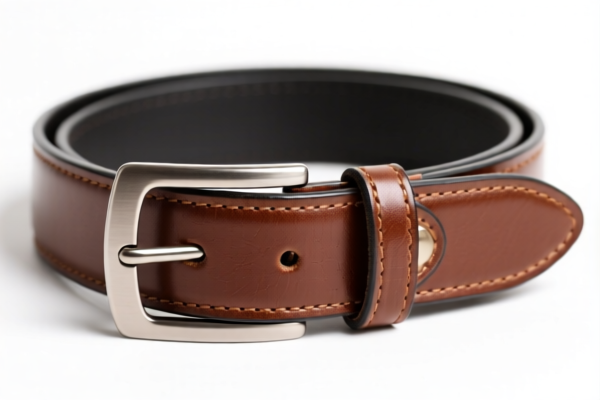
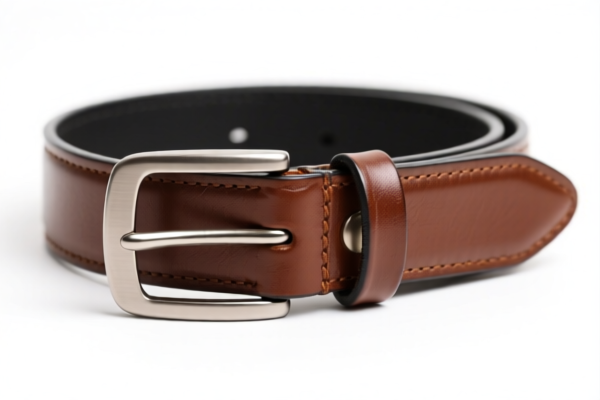
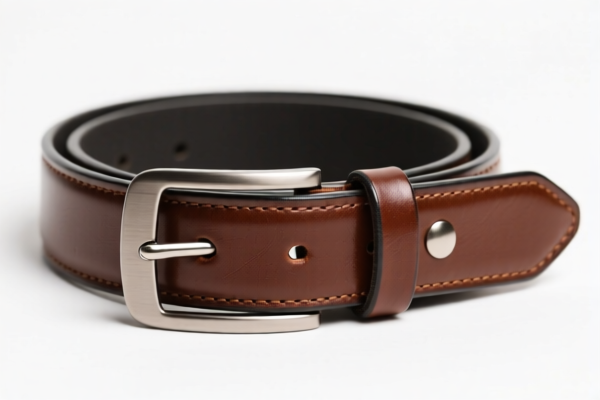
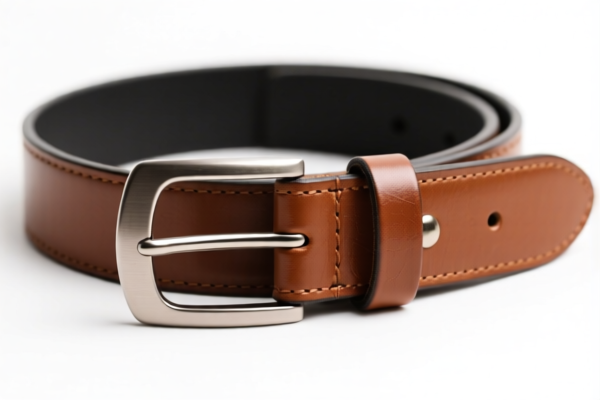
AI Analysis
🔌 Leather Drive Belt & Rubber Alternatives (Industrial Transmission Belts)
🌐 HS Code Reference & Customs Clearance Guide | 2026 Latest Tariff Analysis | Professional Clearance Strategy
📌 I. Product Definition & Classification: Do You Really Know "Drive Belts"?
Drive belts are critical mechanical components used to transmit power and motion between shafts in industrial machinery, automotive engines, and agricultural equipment. In international trade, they are classified not just by their function, but crucially by their material composition and specific shape.
The core distinction lies in whether the belt is made of Natural Leather, Rubber, or Synthetic Materials, and its physical form (flat, V-shaped, toothed). Misclassification here can lead to severe customs penalties, especially given the high tariff rates for these items under current US trade policies.
⚠️ Key Distinction Point:
- Natural Leather Belts: Classified under Chapter 59 (Textile articles); typically subject to specific leather tariffs.
- Rubber Belts: Classified under Chapter 40 (Rubber and articles thereof); subject to rubber tariffs.
- Synthetic/Composite Belts: May fall under Chapter 39 (Plastics) or remain in Chapter 59/40 depending on primary material.
- ⚠️ Critical Warning: All items listed below attract significant additional tariffs (37.6% - 39.2%) due to Section 301 and Section 122 measures.
📦 II. HS Code Classification Details (2026 Latest Tariff Authoritative Comparison)
Based on the provided dataset, here are the precise HS Codes for Drive Belts, categorized by material and form:
| HS Code | Product Description | Material Composition | Form/Shape | Tax Category |
|---|---|---|---|---|
5910.00.90.00 |
Leather Drive Belt | Natural Leather | Drive Belt | Other items |
4010.31.30.00 |
Rubber Drive Belt | Rubber (Inferred reasonable material) | Drive Belt | Sub-item matching |
4010.31.60.00 |
Vulcanized Rubber Drive Belt | Vulcanized Rubber | Drive Belt | Sub-item matching |
5910.00.10.10 |
V-Belt | Rubber (Inferred: Artificial Fiber/Synthetic) | V-Belt | No material conflict |
3926.90.60.90 |
Synthetic Leather Conveyor Belt | Synthetic Leather (Plastic/Synthetic Material) | Conveyor Belt | Other items |
🔍 Important Note:
- Leather vs. Rubber: Even though both are "drive belts,"5910(Textiles/Leather) and4010(Rubber) are fundamentally different chapters. Customs will strictly inspect material certificates.
- V-Belts: Often confused with flat belts.5910.00.10.10specifically targets V-belts made of synthetic/rubber composites, distinct from pure rubber belts.
- Conveyor Belts:3926.90.60.90is for synthetic leather conveyor belts, which are functionally different from power transmission drive belts but often confused due to similar naming. Ensure correct functional description.
💰 III. 2026 Latest Tariff Rate Breakdown (Including Surcharges & Policy Add-ons)
✅ Applicable Country: United States (US)
✅ Origin: China (CN)
✅ Effective Date: Ongoing (Section 301 & Section 122)
The total tax burden for these items is exceptionally high, ranging from 37.6% to 39.2%. This is calculated as the sum of Base Tariff + Section 301 Additional Tariff + Section 122 Tariff.
🎯 1. 5910.00.90.00 —— Natural Leather Drive Belt
| Item | Content |
|---|---|
| Base Tariff | 2.6% |
| Section 301 Additional Tariff | 25.0% |
| Section 122 Tariff | 10.0% |
| Total Tariff Rate | 37.6% |
| Tax Calculation | CIF Value × 37.6% |
| De Minimis Eligibility | ❌ Not Eligible (Section 301 goods are excluded) |
| Legal Basis Path | HTSUS 5910.00.90.00 → Footnote 301 → Footnote 122 |
📌 Explanation:
- 2.6%: Standard Most Favored Nation (MFN) rate for textile/leather belts.
- 25.0%: Section 301 tariff on Chinese goods (List 4A/4B).
- 10.0%: Section 122 tariff (additional duty on certain imports).
- Total 37.6%: This is a very high cost. Must be factored into FOB/CIF pricing immediately.
🎯 2. 4010.31.30.00 —— Rubber Drive Belt (General)
| Item | Content |
|---|---|
| Base Tariff | 3.4% |
| Section 301 Additional Tariff | 25.0% |
| Section 122 Tariff | 10.0% |
| Total Tariff Rate | 38.4% |
| Tax Calculation | CIF Value × 38.4% |
| De Minimis Eligibility | ❌ Not Eligible |
| Legal Basis Path | HTSUS 4010.31.30.00 → Footnote 301 → Footnote 122 |
📌 Note:
- Rubber belts are slightly more expensive in base tariff (3.4% vs 2.6%) but otherwise similar in surcharge structure.
- Commonly used in automotive and industrial machinery.
🎯 3. 4010.31.60.00 —— Vulcanized Rubber Drive Belt
| Item | Content |
|---|---|
| Base Tariff | 2.8% |
| Section 301 Additional Tariff | 25.0% |
| Section 122 Tariff | 10.0% |
| Total Tariff Rate | 37.8% |
| Tax Calculation | CIF Value × 37.8% |
| De Minimis Eligibility | ❌ Not Eligible |
| Legal Basis Path | HTSUS 4010.31.60.00 → Footnote 301 → Footnote 122 |
📌 Note:
- "Vulcanized" indicates a specific rubber processing method. The base tariff is lower (2.8%) than general rubber belts.
🎯 4. 5910.00.10.10 —— V-Belt (Synthetic/Rubber Composite)
| Item | Content |
|---|---|
| Base Tariff | 4.0% |
| Section 301 Additional Tariff | 25.0% |
| Section 122 Tariff | 10.0% |
| Total Tariff Rate | 39.0% |
| Tax Calculation | CIF Value × 39.0% |
| De Minimis Eligibility | ❌ Not Eligible |
| Legal Basis Path | HTSUS 5910.00.10.10 → Footnote 301 → Footnote 122 |
📌 Critical Distinction:
- This code is specifically for V-Belts. If you ship a V-belt but declare it as a flat rubber belt (4010.31.30.00), you risk customs rejection and reclassification.
- Base tariff is the highest among rubber/leather options (4.0%), leading to the second-highest total rate.
🎯 5. 3926.90.60.90 —— Synthetic Leather Conveyor Belt
| Item | Content |
|---|---|
| Base Tariff | 4.2% |
| Section 301 Additional Tariff | 25.0% |
| Section 122 Tariff | 10.0% |
| Total Tariff Rate | 39.2% |
| Tax Calculation | CIF Value × 39.2% |
| De Minimis Eligibility | ❌ Not Eligible |
| Legal Basis Path | HTSUS 3926.90.60.90 → Footnote 301 → Footnote 122 |
📌 Warning:
- This is for Synthetic Leather (Plastic/PVC based) conveyor belts, NOT power transmission belts.
- If your product is a true power transmission drive belt made of synthetic leather, ensure it doesn't fit better under5910or4010. Misclassification here can lead to audits.
- Highest Total Tariff (39.2%) in this dataset.
🛠️ IV. Customs Clearance Practical Advice (Real-World Pitfall Avoidance)
✅ 1. Required Documentation Checklist (Mandatory)
| Document | Must Provide | Purpose |
|---|---|---|
| ✅ Product Specification Sheet | ✔️ | Must specify: Material (Leather/Rubber/Synthetic), Shape (Flat/V-Belt/Toothed), Dimensions, Length, Width. |
| ✅ Material Certificate | ✔️ | Crucial for distinguishing 5910 (Leather) vs 4010 (Rubber). Lab test reports recommended. |
| ✅ Product Photos | ✔️ | Clear images showing cross-section (to identify material layers) and shape (V-belt vs Flat). |
| ✅ Commercial Invoice | ✔️ | Accurate description: e.g., "Natural Leather Flat Drive Belt, Industrial Use, Model XYZ." |
| ✅ Packing List | ✔️ | Detail items clearly. Do not mix Leather and Rubber belts in one HS Code declaration. |
| ✅ Origin Certificate | ✔️ | Confirms CN origin to apply correct Section 301/122 tariffs. |
✅ 2. Declaration Tips (Key Mantras)
🔥 “Material First, Shape Second, Code Precise, Tax Avoids Hit!”
| Scenario | Correct Declaration | Wrong Practice |
|---|---|---|
| Natural Leather Belt | 5910.00.90.00 |
Misdeclare as Rubber (4010) → Audit risk |
| V-Belt (Rubber/Synthetic) | 5910.00.10.10 |
Declare as generic Rubber (4010) → Rejection |
| Conveyor Belt (Synthetic Leather) | 3926.90.60.90 |
Declare as Drive Belt → Wrong Chapter (39 vs 59/40) |
| Mixed Shipment | Split by HS Code | Combine all under one code → Confusion & Delays |
✅ 3. Special Handling Cases
| Case | Handling Suggestion |
|---|---|
| OEM Custom Belts | Provide design drawings and material specs to Customs. Avoid generic terms like "Belt." |
| Composite Belts | If made of multiple materials (e.g., fabric core + rubber cover), declare based on principal material. Usually 4010 if rubber is dominant. |
| Samples vs. Commercial | Both are subject to 37.6%-39.2% tariffs. Do not use "Sample" to avoid tariffs; it will be flagged. |
| Return/Replacement | If goods are returned due to quality, provide original entry documents to claim duty drawback. |
🌍 V. Global Market Comparison (2026 Latest)
| Country/Region | Recommended HS Code | Base Tariff | Surcharges (US) | Notes |
|---|---|---|---|---|
| 🇺🇸 USA | Varies (See above) | 2.6%-4.2% | +35% (301+122) | Highest global cost. Budget for ~38-39% total duty. |
| 🇨🇳 China | Varies | 5%-10% | None | Lower entry barrier, but export to US is expensive. |
| 🇪🇺 EU | 4010 or 5910 | 0%-4% | None | No Section 301/122 equivalents. Much cheaper to export to EU. |
| 🇦🇺 Australia | Varies | 5% | None | No major anti-dumping duties on these items. |
| 🇯🇵 Japan | Varies | 0%-5% | None | Free Trade Agreement (JTEPA) may apply if rules of origin met. |
📌 Conclusion:
- USA is the most expensive market for Chinese-made drive belts due to the cumulative effect of Base + Section 301 + Section 122.
- EU and Asia-Pacific markets are significantly more cost-effective. Consider supply chain diversification if targeting the US.
📌 VI. Common Mistakes & Pitfall Guide (Lessons Learned)
❌ Mistake 1: Declaring V-Belts as "Rubber Belts" (4010.31.30.00)
👉 Consequence: Customs may reject and reclassify to 5910.00.10.10 or impose penalties. V-Belts have a specific code.
❌ Mistake 2: Using "Conveyor Belt" for "Drive Belt"
👉 Consequence: Functional difference! Conveyor belts move products; Drive belts move power. Wrong HS Code → Incorrect Tax → Shipment Hold.
❌ Mistake 3: Ignoring "Section 122" in cost calculations
👉 Consequence: Budgeting only for Section 301 (25%) leads to a 10% shortfall in duty payments. Total must include both 301 and 122.
❌ Mistake 4: Claiming "De Minimis" for small shipments
👉 Consequence: Never allowed for Chinese goods under Section 301. Small packages will be seized and assessed duties + fees.
✅ Correct Practice:
"Vulcanized Rubber V-Belt, Industrial Transmission, Cross-Section A, Length 1000mm, Made in China"
Ensure material and shape are explicitly stated in the commercial invoice.
🎯 VII. Conclusion: Precision in Classification Saves Money!
🎯 Remember the Mantra:
🔹 "Leather is 5910, Rubber is 4010, V-Belt is 5910.10, Synthetic is 3926."
🔹 "301 + 122 = 35% Extra. Base Tax Adds On. Total 37-39%."
🔹 "De Minimis is Dead for China. Declare Accurately."
📌 Pro Tip:
- If you are importing large volumes, consider HTSUS Pre-Rulings from CBP to confirm the correct classification before shipment.
- For synthetic leather items, ensure you have material composition data to defend against "Textile vs. Plastic" classification disputes.
📣 Immediate Action:
📞 Consult with a licensed customs broker.
📄 Prepare material certificates and product photos.
🚀 Calculate landed cost including ~38-39% duty before quoting customers.
✨ Professional clearance starts with precise classification!
💼 Every percentage point of duty affects your profit margin!
Customer Reviews
About HS Code Classification
The Harmonized System (HS) is an internationally standardized nomenclature developed by the World Customs Organization (WCO) to classify traded products. Over 200 countries use the HS system as the basis for customs tariffs, trade statistics, and import/export regulations.
Each HS code follows a hierarchical structure:
- Chapter (2 digits) — Broad category of goods (e.g., Chapter 84: Machinery and Mechanical Appliances)
- Heading (4 digits) — More specific grouping within the chapter
- Subheading (6 digits) — Internationally standardized breakdown, used by all WCO member countries
- National subdivisions (8-10 digits) — Country-specific extensions for further classification, such as US HTSUS 10-digit codes
Correct HS code classification is essential for smooth customs clearance, accurate duty payment, and compliance with trade regulations. Misclassification can lead to customs delays, overpayment of duties, or penalties.
When importing from CN to US, the applicable tariff rates may include:
- Most-Favored-Nation (MFN) rate — The standard duty rate applied to WTO members
- General rate — Applied to countries without trade agreements
- Trade remedy duties — Additional tariffs such as Section 301 (anti-dumping), Section 232 (national security), or countervailing duties
The information provided on this page is for reference purposes only. For official classification, please consult with your local customs authority or a licensed customs broker.