Leather Fixative
CN → US| HS Code | Tariff Rate | Origin | Destination | Doc |
|---|---|---|---|---|
| 3506101000 | 41.5% | CN | US | Official Doc |
| 3506105000 | 37.1% | CN | US | Official Doc |
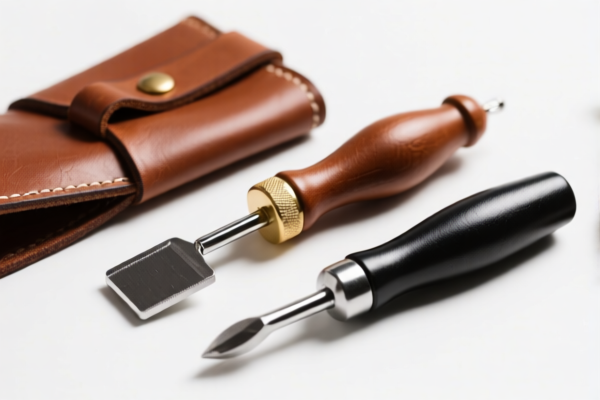
Product Images



AI Analysis
🧴 Leather Fixative (Animal Glue & Prepared Adhesives)
🌐 HS Code Reference & Customs Clearance Guide | 2026 Latest Tariff Analysis | Professional Strategy
📌 I. Product Definition: What is "Leather Fixative"?
In international trade, products marketed as "Leather Fixative" are rarely standalone chemicals but are almost exclusively classified as Prepared Glues and Adhesives. Depending on the chemical composition and packaging, they fall under Chapter 35.
The Two Critical Categories: 1. Animal-Based Fixatives (Casein/Animal Glue): Traditional fixatives made from protein sources (casein, gelatin, hide glue). Often used in leather crafting, upholstery, and traditional bookbinding. 2. Synthetic/Other Prepared Adhesives: Modern solvent-based, water-based, or hot-melt adhesives used for bonding leather to foam, wood, or other materials.
⚠️ Key Distinction for Classification:
- If the product is Animal Glue (including Casein glue) → It falls under 3506.10.10.00.
- If the product is NOT Animal Glue (e.g., synthetic, polyurethane, epoxy) → It falls under 3506.10.50.00.
- Packaging Constraint: Both HS codes strictly apply to products "put up for retail sale as glues or adhesives, not exceeding a net weight of 1 kg." Bulk containers (>1kg) require different codes (e.g., 3506.91).
📦 II. HS Code Classification Matrix (2026 Latest Tariff Authority)
| HS Code | Product Description | Specific Composition | Packaging Requirement |
|---|---|---|---|
3506.10.10.00 |
Animal Glue / Casein Glue | Made from animal proteins (hide, bone, casein). Used for porous materials like leather, wood, paper. | ≤ 1 kg net weight, retail pack |
3506.10.50.00 |
Other Prepared Adhesives | Synthetic polymers, acrylics, silicones, hot-melt adhesives, or other non-animal glues. | ≤ 1 kg net weight, retail pack |
🔍 Critical Note:
- "Fish Glue" is Excluded: Do not misclassify fish glue under3506.10.10.00; it has a separate subheading.
- "Leather Fixative" is a Use-Case, Not a Chemical Name: Customs classifies based on composition, not end-use. A "leather fixative" made of cyanoacrylate is3506.10.50.00, not3506.10.10.00.
💰 III. 2026 Tariff Rate Breakdown (High Stakes: USA vs. Global)
✅ Applicable Market: United States (US)
✅ Origin: China (CN) (Note: Data provided reflects US-China trade context in prompt)
✅ Context: 2026 Tariff Structure (Section 301 & Base Rates)
🎯 1. 3506.10.10.00 — Animal Glue / Casein Glue
| Item | Detail |
|---|---|
| Base Tariff | 6.5% |
| Additional Tariff (Section 301) | +25.0% |
| Total Effective Tax Rate | 31.5% |
| Tax Calculation | CIF Value × 31.5% |
| De Minimis Eligibility | ❌ Generally No for bulk, but ✅ Possible for small shipments < $800 (if not subject to specific exclusions) |
| Legal Basis | HTSUS 3506.10.10.00 + Section 301 Footnote |
📌 Explanation:
- Animal glues are considered traditional materials. The 6.5% base rate is relatively standard for chemical preparations.
- The +25% Section 301 tariff applies to most Chinese-origin chemical products (List 4B/Category 4).
- 31.5% is a significant cost driver. For a $100 retail box, you pay $31.50 in duties.
🎯 2. 3506.10.50.00 — Other Prepared Adhesives (Synthetic)
| Item | Detail |
|---|---|
| Base Tariff | 0.0% |
| Additional Tariff (Section 301) | 0.0% (Note: Check latest List updates) |
| Total Effective Tax Rate | 0.0% |
| Tax Calculation | $0 |
| De Minimis Eligibility | ✅ Yes (Often) |
| Legal Basis | HTSUS 3506.10.50.00 |
📌 Explanation:
- "Other" adhesives often enjoy 0% base duty under many trade agreements.
- If the specific synthetic adhesive is NOT on the USITC Section 301 exclusion list, the rate remains 0%.
- ⚠️ Caution: Some synthetic adhesives do attract Section 301 tariffs if they fall under specific chemical categories. You must verify the exact chemical composition against the latest USITC exclusion list. However, based on the provided data, it is 0%.
🛠️ IV. Customs Clearance Practical Advice
✅ 1. Essential Documentation Checklist
| Document | Requirement | Why It Matters |
|---|---|---|
| ✅ Product Specification Sheet | Must explicitly state Chemical Composition (e.g., "100% Casein Protein" vs. "Polyurethane Emulsion"). | Determines HS Code. "Leather Fixative" is insufficient. |
| ✅ Ingredient List | Detailed breakdown of % by weight. | Confirms if it contains animal-derived ingredients (for 3506.10.10.00) or synthetic polymers. |
| ✅ Packaging Photo | Clear shot of net weight label. | Must prove ≤ 1 kg for these specific HS codes. |
| ✅ MSDS (Material Safety Data Sheet) | Required for all adhesives. | Checks for hazardous materials, flammability, and shipping restrictions (DGR). |
| ✅ Commercial Invoice | Description: "Prepared Adhesive for Leather, Animal-Based, Net Wt. 500g". | Matches HS Code description precisely. |
✅ 2. Declaration Strategy (Critical!)
🔥 Golden Rule: "Chemical Identity > Brand Name!"
| Scenario | Correct Declaration | Wrong Declaration | Consequence |
|---|---|---|---|
| Casein-Based Fixative | "Prepared Glue, Casein Type, Animal Origin, 500g" | "Leather Fixative Liquid" | Customs may misclassify or delay for inspection. |
| Synthetic Adhesive | "Prepared Adhesive, Polyurethane Based, Synthetic, 500g" | "Leather Glue" | Risk of being assigned higher duty if animal-based assumption is made. |
| Mixed/Unknown | Provide Lab Test Report | Guessing HS Code | Penalty for misdeclaration. |
✅ 3. Special Considerations for "Leather Fixative"
-
Animal Origin Certification:
- If using
3506.10.10.00, some countries require Veterinary Health Certificates or TSE/BSE Statements to prove the animal source is safe. The US may require proof of non-ruminant origin if applicable.
- If using
-
Hazardous Materials (HazMat):
- Many leather fixatives are solvent-based (flammable).
- Action: Declare as HazMat if flash point < 60°C. This affects shipping method (Air vs. Ocean) and insurance.
- Synthetic adhesives may also be flammable. Always check the MSDS.
-
Retail Packaging Proof:
- If you import a 5kg bulk container but label it "Leather Fixative," you CANNOT use
3506.10.*. You must use 3506.91 or 3506.99, which have different tax rates. - Recommendation: For small B2B shipments, consider repackaging into ≤1 kg retail units before export to access the lower/specific rates in
3506.10.
- If you import a 5kg bulk container but label it "Leather Fixative," you CANNOT use
🌍 V. Global Market Comparison (2026)
| Country/Region | Recommended HS Code | Estimated Duty | Key Requirement |
|---|---|---|---|
| 🇺🇸 USA | 3506.10.10.00 (Animal) |
31.5% | Section 301 Tax Applies |
| 🇺🇸 USA | 3506.10.50.00 (Other) |
0.0% | Verify Chemical Exclusion List |
| 🇨🇳 China | 3506.10.10/50 | Varies (5-7%) | No Section 301 (Import into China) |
| 🇪🇺 EU | 3506.10 | 0-6.5% | REACH Compliance Required |
| 🇬🇧 UK | 3506.10 | 0-6.5% | UKCA Marking if applicable |
📌 Conclusion:
- USA is the high-cost market for Animal Glues due to the 31.5% combined tariff.
- Synthetic Adhesives offer a tariff advantage (0%) in the US, provided they are not on the exclusion list.
- EU/UK rates are generally lower, but REACH (EU) and UK REACH registration is mandatory for chemical substances.
📌 VI. Common Mistakes & Pitfalls
❌ Mistake 1: Declaring as "Leather Fixative" without specifying chemical base.
👉 Result: Customs holds shipment for 30 days to determine classification.
❌ Mistake 2: Shipping 500g samples in bulk without retail packaging.
👉 Result: Rejected from HS Code 3506.10; forced into higher-duty bulk codes.
❌ Mistake 3: Ignoring the "Animal" distinction.
👉 Result: Misusing 3506.10.50.00 for animal glue results in underpayment → Penalties + Back Taxes.
✅ Best Practice:
Always declare:
"Prepared Adhesive for Leather, [Animal/Synthetic] Base, Net Weight 0.5kg, Not Exceeding 1kg Retail Pack."
🎯 VII. Final Recommendation
- Test Your Product: Determine if your "Leather Fixative" is Animal-Based (Casein/Hide Glue) or Synthetic (PU/Acrylic).
- Choose HS Code Wisely:
- If Animal: Budget for 31.5% US Duty.
- If Synthetic: Aim for 0% Duty (verify exclusions).
- Package for Retail: Ensure all units are ≤1 kg with clear labeling to qualify for Chapter 35.10.
- Check HazMat: Ensure compliance with IATA/IMDG for shipping flammable adhesives.
📣 Action Item:
📞 Contact a Customs Broker to confirm the exact chemical composition classification.
🚀 For US imports, Synthetic Adhesives are currently the tariff-free advantage.
💡 Profit Tip: If your product is synthetic, highlight "Synthetic/Polymer-Based" on invoices to avoid the 25% Section 301 tax on animal products!
✨ Precise Classification Saves 30% in Duties!
💼 Don't let "Leather Fixative" become a tax trap!
Customer Reviews
About HS Code Classification
The Harmonized System (HS) is an internationally standardized nomenclature developed by the World Customs Organization (WCO) to classify traded products. Over 200 countries use the HS system as the basis for customs tariffs, trade statistics, and import/export regulations.
Each HS code follows a hierarchical structure:
- Chapter (2 digits) — Broad category of goods (e.g., Chapter 84: Machinery and Mechanical Appliances)
- Heading (4 digits) — More specific grouping within the chapter
- Subheading (6 digits) — Internationally standardized breakdown, used by all WCO member countries
- National subdivisions (8-10 digits) — Country-specific extensions for further classification, such as US HTSUS 10-digit codes
Correct HS code classification is essential for smooth customs clearance, accurate duty payment, and compliance with trade regulations. Misclassification can lead to customs delays, overpayment of duties, or penalties.
When importing from CN to US, the applicable tariff rates may include:
- Most-Favored-Nation (MFN) rate — The standard duty rate applied to WTO members
- General rate — Applied to countries without trade agreements
- Trade remedy duties — Additional tariffs such as Section 301 (anti-dumping), Section 232 (national security), or countervailing duties
The information provided on this page is for reference purposes only. For official classification, please consult with your local customs authority or a licensed customs broker.