Leather Gloves
CN → US| HS Code | Tariff Rate | Origin | Destination | Doc |
|---|---|---|---|---|
| 4203290500 | 47.6% | CN | US | Official Doc |
| 4203290800 | 49.0% | CN | US | Official Doc |
| 4303100030 | 39.0% | CN | US | Official Doc |
| 4303100060 | 39.0% | CN | US | Official Doc |
| 6216009000 | 21.3% | CN | US | Official Doc |
Product Images
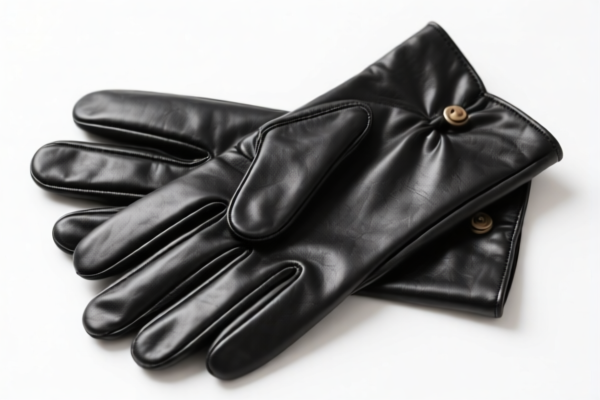
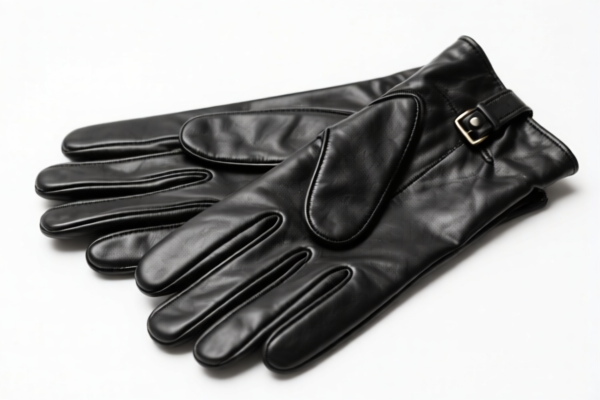
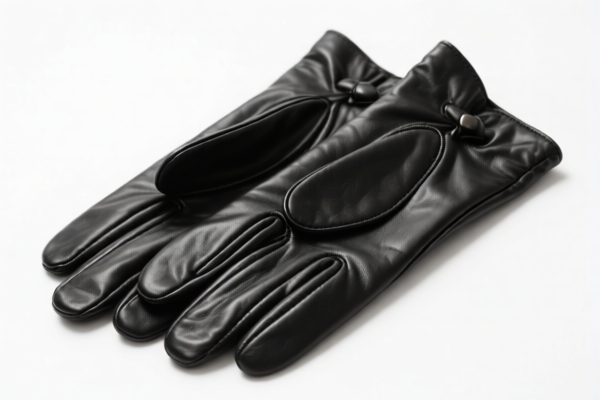
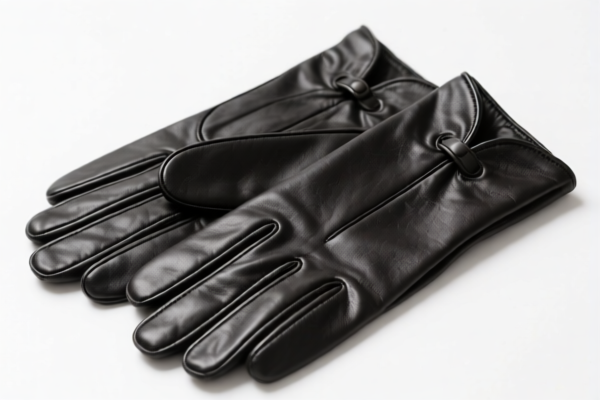
AI Analysis
🧤 Leather Gloves: Ultimate HS Code Classification & Tariff Analysis (2026 Update)
🌐 HS Code Reference & Customs Clearance Guide | 2026 Latest Tariff Analysis | Professional Clearance Strategy
📌 I. Product Definition & Classification: Do You Really Understand "Leather Gloves"?
Leather gloves are essential protective and fashion accessories in the global trade of leather goods. In international trade, they are classified based on material composition and processing level. The classification logic follows the General Rules for the Interpretation of the Harmonized System (GRI):
- Leather Gloves (Chapter 42): Gloves made from tanned or dressed leather (cowhide, sheepskin, etc.), excluding fur skins. This is the most common category for general-purpose or fashion leather gloves.
- Fur Gloves (Chapter 43): Gloves made from fur skins (mink, fox, etc.) or fur without the skin base. If the product is explicitly "fur" or contains significant fur trimming, it may fall here.
- Textile Gloves (Chapter 62): Gloves made from fabric, even if they have leather patches or are marketed as "leather-style" but primarily textile. However, true "leather gloves" do not belong here unless they are technically textile-based with leather accents.
⚠️ Key Distinction Point:
- If the main material is tanned leather → Go to Chapter 42.
- If the main material is fur skin (with or without skin base) → Go to Chapter 43.
- If the main material is fabric with leather details → Go to Chapter 62.
📦 II. HS Code Classification Details (2026 Latest Official Tariff Cross-Reference)
| HS Code | Product Description | Application Scenario | Material Basis |
|---|---|---|---|
4203.29.05.00 |
Other made-up leather articles; Gloves (General Leather) | General leather gloves (cow/sheep), no specific fur classification | Leather (Tanned/Dressed) |
4203.29.08.00 |
Other made-up leather articles; Gloves (Horse/Cowhide Specific) | Gloves explicitly made from horsehide or cowhide leather | Horsehide/Cowhide |
4303.10.00.30 |
Articles of fur skins; Other fur articles (General Fur) | Fur gloves (non-mink), generic fur classification | Fur Skin |
4303.10.00.60 |
Articles of fur skins; Other fur articles (Non-Mink Specific) | Gloves made of non-mink fur (e.g., rabbit, fox) | Non-Mink Fur |
6216.00.90.00 |
Gloves, mittens, and mitts; Other | Textile gloves with leather accents or "faux leather" marketing | Textile/Fabric |
🔍 Critical Reminder:
- Chapter 42 is the default for standard leather gloves.
- Chapter 43 applies only if the product is fur (e.g., mink, rabbit). Do not confuse "leather" with "fur".
- Chapter 62 is a "catch-all" for non-leather, non-fur gloves. If the product is truly leather, misclassifying here leads to severe penalties.
💰 III. 2026 Latest Tariff Rate Breakdown (Including Additional Duties & Policy Surcharges)
✅ Applicable Country: United States (US)
✅ Origin: China (CN)
✅ Effective Date: November 10, 2025 onwards (including subsequent imports)
🎯 1. 4203.29.05.00 —— General Leather Gloves
| Item | Content |
|---|---|
| Base Tariff | 12.6% (ad valorem) |
| Section 301 Surcharge | +25.0% (From USITC Footnote 9903.42.29) |
| 122 Clause Surcharge | +10.0% (Targeting China-origin goods) |
| Total Rate | 47.6% |
| Tax Calculation | CIF Value × 47.6% |
| De Minimis Eligible? | ❌ No (deny_de_minimis) |
| Legal Basis Path | IEEPA:9903.01.25 → USITC:4203.29.05.00 → FOOTNOTE:9903.42.29 |
📌 Explanation:
- This is the standard classification for most leather gloves.
- The 47.6% total rate is extremely high. It includes the base rate (12.6%), the Section 301 trade war tariff (25%), and the 122 Clause tariff (10%).
- No de minimis exemption applies. Small packages are still taxed.
🎯 2. 4203.29.08.00 —— Horsehide/Cowhide Leather Gloves
| Item | Content |
|---|---|
| Base Tariff | 14.0% |
| Section 301 Surcharge | +25.0% |
| 122 Clause Surcharge | +10.0% |
| Total Rate | 49.0% |
| Tax Calculation | CIF Value × 49.0% |
| De Minimis Eligible? | ❌ No |
| Legal Basis Path | IEEPA:9903.01.25 → USITC:4203.29.08.00 → FOOTNOTE:9903.42.29 |
📌 Note:
- If the gloves are specifically made from horsehide or cowhide, the base rate is higher (14.0% vs 12.6%).
- Total rate reaches 49.0%. This is one of the highest rates for apparel accessories.
🎯 3. 4303.10.00.30 / 4303.10.00.60 —— Fur Gloves (Non-Mink)
| Item | Content |
|---|---|
| Base Tariff | 4.0% |
| Section 301 Surcharge | +25.0% |
| 122 Clause Surcharge | +10.0% |
| Total Rate | 39.0% |
| Tax Calculation | CIF Value × 39.0% |
| De Minimis Eligible? | ❌ No |
| Legal Basis Path | IEEPA:9903.01.25 → USITC:4303.10.00.30/60 → FOOTNOTE:9903.42.29 |
📌 Comparison:
- Fur gloves have a lower base rate (4.0%) than leather gloves (12.6%-14.0%).
- However, due to Section 301 and 122 Clause surcharges, the total rate is still 39.0%.
- Crucial: Do not classify leather gloves as fur to save tax. This is fraud and will result in seizures.
🎯 4. 6216.00.90.00 —— Textile/Other Gloves (Misclassification Risk)
| Item | Content |
|---|---|
| Base Tariff | 3.8% |
| Section 301 Surcharge | +7.5% |
| 122 Clause Surcharge | +10.0% |
| Total Rate | 21.3% |
| Tax Calculation | CIF Value × 21.3% |
| De Minimis Eligible? | ❌ No |
| Legal Basis Path | IEEPA:9903.01.25 → USITC:6216.00.90.00 → FOOTNOTE:9903.42.29 |
📌 Warning:
- This rate is the lowest (21.3%), but it is ONLY for genuine textile or non-leather/fur gloves.
- If you ship leather gloves under6216.00.90.00, CBP will reclassify them, charge the difference (47.6% - 21.3% = 26.3%), and impose penalties.
- Do not use this code for true leather products.
🛠️ IV. Customs Clearance Practical Advice (Battle-Tested Pitfall Avoidance Guide)
✅ 1. Preparation Checklist (All Required)
| Material | Required | Description |
|---|---|---|
| ✅ Product Specification Sheet | ✔️ | Material composition (e.g., "100% Cowhide Leather"), lining, closure type |
| ✅ Material Certificates | ✔️ | Proof of leather tanning process (Chrome-free, Veg-tan, etc.) |
| ✅ Product Photos (Clear Label) | ✔️ | Show texture, stitching, brand label, and care instructions |
| ✅ Commercial Invoice | ✔️ | Must state "Leather Gloves" or "Fur Gloves" accurately. Avoid vague terms like "Fashion Accessories" |
| ✅ Packing List | ✔️ | Detail items per box to avoid "under-declaration" |
| ✅ Origin Certificate (CO) | ✔️ | If applicable for any potential exemptions (rare for China) |
✅ 2. Declaration Strategy (Key Mantra)
🔥 “Material First, HS Code Follows; No De Minimis, High Tax Awaits!”
| Scenario | Correct Declaration | Wrong Practice |
|---|---|---|
| Genuine Leather Gloves | 4203.29.05.00 or 4203.29.08.00 |
Declare as 6216.00.90.00 → 26.3% penalty + seizure risk |
| Fur Gloves (Non-Mink) | 4303.10.00.30 or 4303.10.00.60 |
Declare as 4203.29.05.00 → Overpay by 8.3% |
| Mixed Material (Leather + Textile) | Determine principal material | Split declaration → Complexity & delays |
| OEM/Private Label | Include brand name in description | "Unbranded" → Higher scrutiny |
✅ 3. Special Case Handling
| Scenario | Handling Advice |
|---|---|
| Leather with Fur Trim | If fur trim > 50% of visible surface, may classify under Chapter 43. Otherwise, Chapter 42. |
| Shearling Gloves (Leather + Fur) | Typically classified under Chapter 43 (Fur). Base rate 4.0%, Total 39.0%. |
| Synthetic Leather (PU/PVC) | Classify under Chapter 39 or 62, NOT Chapter 42. Do not declare as "Leather" if synthetic. |
| Samples for Display | Mark "Non-Commercial Sample". Still subject to duty, but may reduce penalty risk if declared truthfully. |
🌍 V. Global Market Customs Comparison (2026 Latest)
| Country/Region | Recommended HS Code | Tariff Rate | Certification Requirement | Notes |
|---|---|---|---|---|
| 🇺🇸 USA | 4203.29.05.00 |
47.6% | FCC/CE (if electronic), CPSIA (if for children) | Highest tariff in the world for this category. |
| 🇨🇳 China | 4203.29.05.00 |
12.6% | CCC (if applicable) | No additional surcharges. |
| 🇪🇺 EU | 4203.29.95 |
4.5% | REACH, OEKO-TEX | Low tariff, but strict chemical regulations. |
| 🇬🇧 UK | 4203.29.95 |
4.5% | UKCA, REACH | Post-Brexit rules apply. |
| 🇯🇵 Japan | 4203.29.90 |
10.8% | PSE (if heated) | Moderate tariff. |
📌 Conclusion:
- USA is the most expensive market for leather gloves due to Section 301 and 122 Clause surcharges.
- Total cost can nearly double the product value.
- EU and Japan offer much better tariff rates (4.5%-10.8%), making them more competitive for high-value leather goods.
📌 VI. Common Errors & Pitfall Avoidance (Blood & Tears Lessons)
❌ Error 1: Declaring Leather Gloves as 6216.00.90.00 (Textile) to save tax.
👉 Consequence: CBP reclassifies, charges back-tariff (26.3% difference) + liquidated damages. Product may be seized.
❌ Error 2: Mixing Fur and Leather in one shipment without clear description.
👉 Consequence: Customs holds shipment for inspection. Delay of 2-4 weeks. Warehousing fees apply.
❌ Error 3: Ignoring 122 Clause (10% surcharge).
👉 Consequence: Underpayment. CBP issues demand for payment + interest.
❌ Error 4: Using "Fashion Accessories" as the product name.
👉 Consequence: Vague description leads to higher scrutiny and potential misclassification.
✅ Correct Practice:
"Men’s Leather Driving Gloves, 100% Cowhide Leather, Black, Size M, Model XYZ, Made in China"
🎯 VII. Conclusion: Professional Declaration Saves Money!
🎯 Remember the Mantra:
🔹 "Leather = 47.6%, Fur = 39.0%, Textile = 21.3%. Misclassification = Penalty!"
🔹 "No De Minimis in US. Small packages pay full duty."
📌 Tips:
- If your leather gloves are original from Vietnam, Mexico, or India, you may qualify for zero or low tariffs in the US.
- Pre-ruling (Advance Ruling) is highly recommended for new product lines to confirm HS Code and tax liability.
- Consider supply chain diversification if US tariffs impact profit margins significantly.
📣 Immediate Action:
📞 Consult a professional customs broker + Provide material specs + Apply for HS Code Advance Ruling
🚀 Ensure smooth customs clearance, optimize costs, and maximize profits!
✨ Professional Clearance Starts with Accurate Classification!
💼 Every Cent of Cost Should Be Precisely Calculated!
Customer Reviews
About HS Code Classification
The Harmonized System (HS) is an internationally standardized nomenclature developed by the World Customs Organization (WCO) to classify traded products. Over 200 countries use the HS system as the basis for customs tariffs, trade statistics, and import/export regulations.
Each HS code follows a hierarchical structure:
- Chapter (2 digits) — Broad category of goods (e.g., Chapter 84: Machinery and Mechanical Appliances)
- Heading (4 digits) — More specific grouping within the chapter
- Subheading (6 digits) — Internationally standardized breakdown, used by all WCO member countries
- National subdivisions (8-10 digits) — Country-specific extensions for further classification, such as US HTSUS 10-digit codes
Correct HS code classification is essential for smooth customs clearance, accurate duty payment, and compliance with trade regulations. Misclassification can lead to customs delays, overpayment of duties, or penalties.
When importing from CN to US, the applicable tariff rates may include:
- Most-Favored-Nation (MFN) rate — The standard duty rate applied to WTO members
- General rate — Applied to countries without trade agreements
- Trade remedy duties — Additional tariffs such as Section 301 (anti-dumping), Section 232 (national security), or countervailing duties
The information provided on this page is for reference purposes only. For official classification, please consult with your local customs authority or a licensed customs broker.