Leather Gloves (One Piece, Not Seamed)
CN → US| HS Code | Tariff Rate | Origin | Destination | Doc |
|---|---|---|---|---|
| 6216009000 | 21.3% | CN | US | Official Doc |
| 4203290800 | 49.0% | CN | US | Official Doc |
| 4203292000 | 47.6% | CN | US | Official Doc |
Product Images
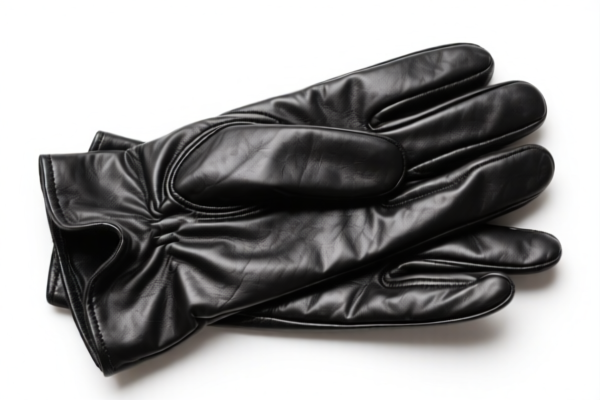
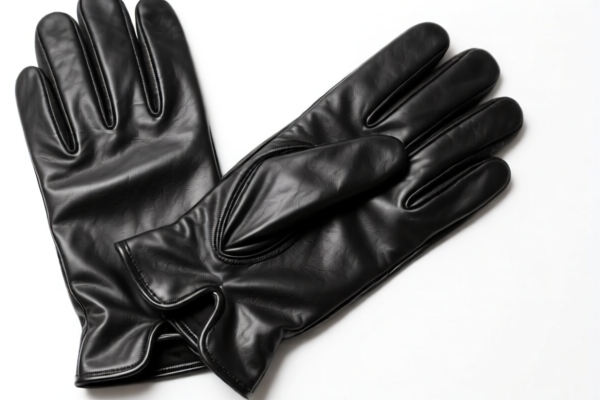
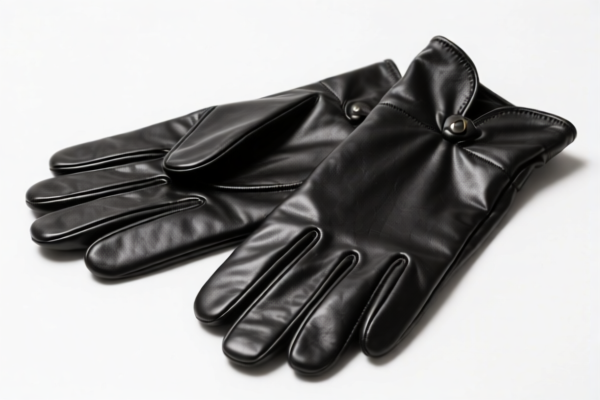
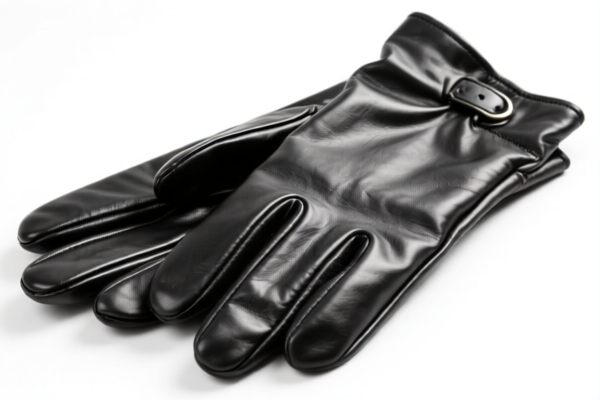
AI Analysis
🧤 Leather Gloves (One Piece, Not Seamed) – Industrial & Protective Gear
🌐 HS Code Classification & Customs Clearance Guide | 2026 Tax Framework | Professional Strategy for US-China Trade
📌 I. Product Definition & Logic: What Makes "One Piece, Not Seamed" Critical?
Industrial leather gloves, specifically those described as "One Piece, Not Seamed," are specialized protective gear designed for durability and hand mobility. Unlike traditional gloves made by cutting separate palm and back pieces and stitching them together, these are often crafted from a single hide or through specific molding/embossing techniques that eliminate longitudinal seams.
Why does this matter?
- Durability: Seams are weak points in industrial settings. "Not seamed" implies a higher-grade construction or a specific manufacturing method that changes the tariff classification logic under the Harmonized System (HS).
- Classification Logic: Customs authorities scrutinize the material (Leather vs. Other) and the construction (Seamed vs. Not Seamed). This specific description triggers different sub-headings under Chapter 42 (Articles of Leather) versus Chapter 62 (Articles of Apparel and Clothing Accessories, Not Knitted or Crocheted).
⚠️ Key Distinction:
- If classified under Chapter 42 (Leather Articles): It is viewed as a "manufactured article of leather."
- If classified under Chapter 62 (Apparel/Clothing): It is viewed as a "glove" as a clothing accessory.
The "One Piece, Not Seamed" description often pushes classifiers toward specific sub-headings within these chapters, leading to vastly different tax implications.
📦 II. HS Code Classification Matrix (Based on Provided Data)
According to the provided data, there are three potential HS Code classifications for this product. The choice depends on the precise interpretation of "Leather" (Chapter 42) vs. "Other" (Chapter 62 fallback) and the specific manufacturing nuance.
| HS Code | Product Description & Rationale | Key Characteristics |
|---|---|---|
6216.00.90.00 |
Industrial Leather Gloves (Non-seamed) Fits the "Other" category fallback logic for gloves. |
- Material: Leather - Form: Glove - Logic: Classified under Chapter 62 (Apparel) as "Other gloves." The "Non-seamed" feature fits into the residual "other" category for gloves not specified elsewhere. |
4203.29.08.00 |
Industrial Leather Gloves (Non-seamed) Fits the description of "Gloves made of leather." |
- Material: Leather (Leather Articles) - Form: Glove - Logic: Classified under Chapter 42 (Articles of Leather). Specifically, "Other gloves" under 4203. This assumes the product is strictly considered a "leather article" rather than "garment." |
4203.29.20.00 |
Industrial Leather Gloves (Non-seamed) Fits the "Non-seamed" limitation for leather gloves. |
- Material: Leather - Form: Glove - Craft: Non-seamed - Logic: A more specific sub-category within Chapter 42. The "Non-seamed"工艺特征 (process characteristic) aligns with this specific 8-digit code, distinguishing it from general seamed leather gloves. |
🔍 Critical Analysis:
- Chapter 42 (4203...) vs. Chapter 62 (6216...) is the main battleground.
- Chapter 42 generally applies to hard leather goods or articles where the leather is the primary structural element (e.g., belts, briefcases, specific protective gloves).
- Chapter 62 applies to soft leather garments/accessories (e.g., fashion gloves, general protective gloves).
- Note: The tax difference between 4203 and 6216 is massive (49% vs. 21.3%). Correct classification is financially critical.
💰 III. 2026 Tariff Rate Breakdown (Detailed Tax Analysis)
✅ Applicable Market: United States (US)
✅ Country of Origin: China (CN)
✅ Effective Date: Rates include 301/Section 122 tariffs.
🎯 1. 6216.00.90.00 – The "Fallback" Glove Classification
Rationale: Classified as "Other" gloves under Chapter 62. Often used when the glove doesn't fit specific knit/crochet or other detailed categories.
| Item | Detail |
|---|---|
| Basic Tariff | 3.8% (Ad Valorem) |
| Section 301 / Additional Tariff | 7.5% (Trade War Tariff) |
| Section 122 Tariff | 10% (Specific Chinese Import Duty) |
| Total Effective Tax Rate | 21.3% |
| Calculation | CIF Value × 21.3% |
| De Minimis Eligibility | ❌ No (Deny De Minimis for this HS code from China) |
| Legal Path | HTSUS 6216.00.90.00 → Section 301 Footnote → Section 122 |
📌 Explanation:
- This is the lowest tax option among the three provided.
- It relies on classifying the glove as a general "apparel accessory" (Chapter 62) rather than a specific "leather article" (Chapter 42).
- Risk: If Customs determines the glove is a specialized industrial leather article, they may reject this classification and move it to Chapter 42, triggering higher taxes.
🎯 2. 4203.29.08.00 – The "Leather Article" Classification
Rationale: Classified as "Gloves made of other leather" under Chapter 42. This is the standard classification for leather gloves if not specified as "seamed" or "knitted."
| Item | Detail |
|---|---|
| Basic Tariff | 14.0% (Ad Valorem) |
| Section 301 / Additional Tariff | 25.0% (Trade War Tariff) |
| Section 122 Tariff | 10% (Specific Chinese Import Duty) |
| Total Effective Tax Rate | 49.0% |
| Calculation | CIF Value × 49.0% |
| De Minimis Eligibility | ❌ No |
| Legal Path | HTSUS 4203.29.08.00 → Section 301 Footnote 9903.88.01 → Section 122 |
📌 Explanation:
- This is the highest tax option.
- Chapter 42 has a higher base duty (14%) compared to Chapter 62 (3.8%).
- Why it happens: Customs views "Leather Gloves" as "Articles of Leather" first, which attracts higher protectionist duties.
- Caution: This is the default if the "Non-seamed" feature is not recognized as a distinct sub-category.
🎯 3. 4203.29.20.00 – The "Non-Seamed" Specific Classification
Rationale: A specific sub-category within Chapter 42 for leather gloves that meet the "Non-seamed" process characteristic.
| Item | Detail |
|---|---|
| Basic Tariff | 12.6% (Ad Valorem) |
| Section 301 / Additional Tariff | 25.0% (Trade War Tariff) |
| Section 122 Tariff | 10% (Specific Chinese Import Duty) |
| Total Effective Tax Rate | 47.6% |
| Calculation | CIF Value × 47.6% |
| De Minimis Eligibility | ❌ No |
| Legal Path | HTSUS 4203.29.20.00 → Section 301 Footnote 9903.88.01 → Section 122 |
📌 Explanation:
- This is a middle-ground option in terms of tax (47.6%).
- It has a slightly lower base duty (12.6%) compared to4203.29.08.00(14.0%), likely because it is a more specific code.
- Requirement: You must provide evidence that the gloves are indeed "Non-seamed" (One Piece construction) to qualify for this code. If they are seamed, this classification is incorrect.
🛠️ IV. Customs Clearance Operational Advice (Avoiding Pitfalls)
✅ 1. Documentation Checklist (Non-Negotiable)
| Document | Required? | Purpose |
|---|---|---|
| ✅ Product Specifications | ✔️ | Must explicitly state "One Piece Construction" and "No Longitudinal Seams". |
| ✅ Technical Drawings/Cut Sheets | ✔️ | Proof that the glove is not assembled from two separate pieces (Palm + Back). |
| ✅ High-Resolution Photos | ✔️ | Side view and interior view showing the lack of seams. |
| ✅ Commercial Invoice | ✔️ | Description: "Industrial Leather Gloves, One Piece, Non-Seamed, Model XYZ." |
| ✅ Material Composition Sheet | ✔️ | Confirm 100% Leather (or specific leather type) to rule out Chapter 39/59 materials. |
✅ 2. Classification Strategy & Risk Mitigation
| Scenario | Recommended Action | Why? |
|---|---|---|
| Lowest Tax Strategy | Propose 6216.00.90.00 |
Saves ~27% in taxes vs. Chapter 42 codes. Argue that these are "Clothing Accessories" not "Hard Leather Articles." |
| High-Risk/High-Accuracy Strategy | Propose 4203.29.20.00 |
If the gloves are clearly industrial and the "Non-seamed" feature is a key selling point, use this code to ensure accuracy and avoid disputes. |
Avoid 4203.29.08.00 |
❌ Do Not Use Unless Necessary | It is the most expensive. Only use if no other code fits. |
🔥 Golden Rule:
"If it's One-Piece Non-Seamed, argue for Chapter 62 (6216.00.90.00) for 21.3% tax. If Customs insists on Chapter 42, push for4203.29.20.00(47.6%) over4203.29.08.00(49.0%) to save 1.4%."
✅ 3. Special Considerations for "One Piece, Not Seamed"
- Proof of Construction: Be prepared to provide a sample or video showing the glove being turned inside out to demonstrate the lack of seams.
- Labeling: Ensure the product label says "Leather" and "Industrial Use" but avoid terms like "Garment" if you want Chapter 42, or emphasize "Hand Protection" if you want Chapter 62.
- Pre-Ruling: Given the significant tax difference (21.3% vs. 49%), consider applying for an Advance Ruling from US Customs and Border Protection (CBP) if the shipment volume is high.
🌍 V. Global Market Comparison (2026)
| Country/Region | Recommended HS Code | Tariff Rate | Key Certification | Notes |
|---|---|---|---|---|
| 🇺🇸 USA | 6216.00.90.00 (Best) |
21.3% | None specific | High risk of reclassification to 4203 (49%). Prepare defense. |
| 🇨🇳 China | 6216.00.90.00 |
~3.8% | CCC (if applicable) | Lower base duty. |
| 🇪🇺 EU | 4203.29.80 |
0-4% | CE (if PPE) | No Section 301/122 tariffs. |
| 🇬🇧 UK | 4203.29.90 |
0-6% | UKCA | Post-Brexit rules apply. |
📌 Conclusion:
- The US market is the most challenging due to Section 301 and Section 122 tariffs.
- Chapter 62 (6216) is the tax-efficient choice, but requires a strong argument that the gloves are "Clothing Accessories" rather than "Leather Articles."
📌 VI. Common Mistakes & Pitfalls (Lessons Learned)
❌ Mistake 1: Classifying as 4203.29.08.00 without justification.
👉 Result: Overpaying 27.7% in taxes. Always check if 4203.29.20.00 or 6216.00.90.00 is applicable.
❌ Mistake 2: Claiming "One Piece" when gloves are actually seamed.
👉 Result: Customs audit, fines, and potential seizure. Ensure product matches description.
❌ Mistake 3: Ignoring Section 122 Tariffs.
👉 Result: Forgetting to add the 10% on top of 301 tariffs leads to underpayment and penalties.
❌ Mistake 4: Using vague descriptions like "Leather Gloves."
👉 Result: Customs may assign the highest default rate or request reclassification, delaying clearance.
✅ Correct Declaration Example:
"Industrial Safety Gloves, One Piece Construction, Non-Seamed, Made of Full Grain Leather, Model X100, Not Knitted or Crocheted."
🎯 VII. Final Verdict: Strategic Recommendation
For "Leather Gloves (One Piece, Not Seamed)" imported into the US:
- Primary Recommendation: Classify under
6216.00.90.00(Total Tax: 21.3%).- Argument: These are protective apparel accessories, not hard leather articles. The "Non-seamed" feature is a construction detail, not a material change.
- Secondary Recommendation: If CBP challenges Chapter 62, use
4203.29.20.00(Total Tax: 47.6%).- Argument: It is a specific sub-category for non-seamed leather gloves.
- Avoid:
4203.29.08.00(Total Tax: 49.0%) unless no other code fits.
📢 Immediate Action:
- Audit your supply chain: Confirm the "One Piece, Not Seamed" construction.
- Prepare technical files: Drawings and photos proving the lack of seams.
- Consult a customs broker: To submit a pre-classification request for6216.00.90.00.
✨ Precision in Classification Saves Thousands!
💼 Don't let tariff differences eat your margins!
Customer Reviews
About HS Code Classification
The Harmonized System (HS) is an internationally standardized nomenclature developed by the World Customs Organization (WCO) to classify traded products. Over 200 countries use the HS system as the basis for customs tariffs, trade statistics, and import/export regulations.
Each HS code follows a hierarchical structure:
- Chapter (2 digits) — Broad category of goods (e.g., Chapter 84: Machinery and Mechanical Appliances)
- Heading (4 digits) — More specific grouping within the chapter
- Subheading (6 digits) — Internationally standardized breakdown, used by all WCO member countries
- National subdivisions (8-10 digits) — Country-specific extensions for further classification, such as US HTSUS 10-digit codes
Correct HS code classification is essential for smooth customs clearance, accurate duty payment, and compliance with trade regulations. Misclassification can lead to customs delays, overpayment of duties, or penalties.
When importing from CN to US, the applicable tariff rates may include:
- Most-Favored-Nation (MFN) rate — The standard duty rate applied to WTO members
- General rate — Applied to countries without trade agreements
- Trade remedy duties — Additional tariffs such as Section 301 (anti-dumping), Section 232 (national security), or countervailing duties
The information provided on this page is for reference purposes only. For official classification, please consult with your local customs authority or a licensed customs broker.