Leather Hand Case
CN → US| HS Code | Tariff Rate | Origin | Destination | Doc |
|---|---|---|---|---|
| 4203290800 | 49.0% | CN | US | Official Doc |
| 4203290500 | 47.6% | CN | US | Official Doc |
| 4203294000 | 47.6% | CN | US | Official Doc |
| 4203295000 | 47.6% | CN | US | Official Doc |
| 6216008000 | 21.0% | CN | US | Official Doc |
Product Images
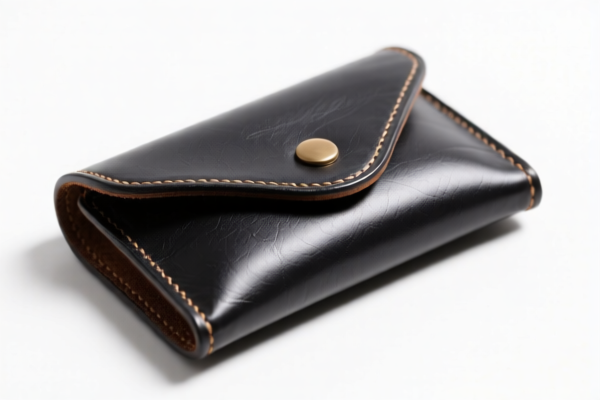
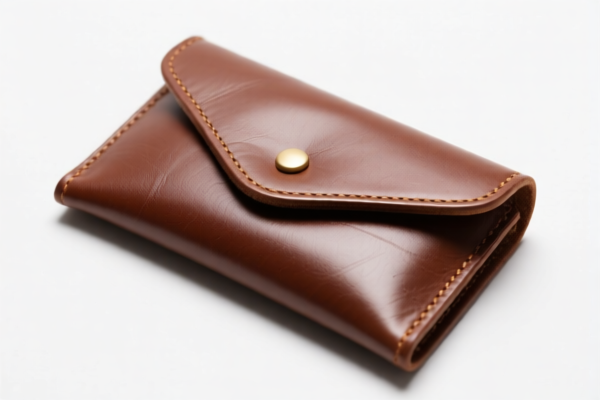
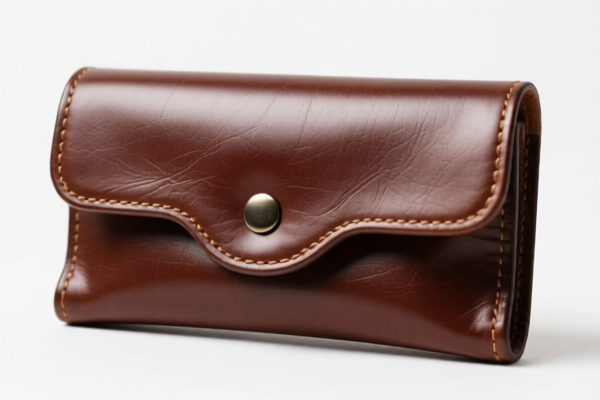
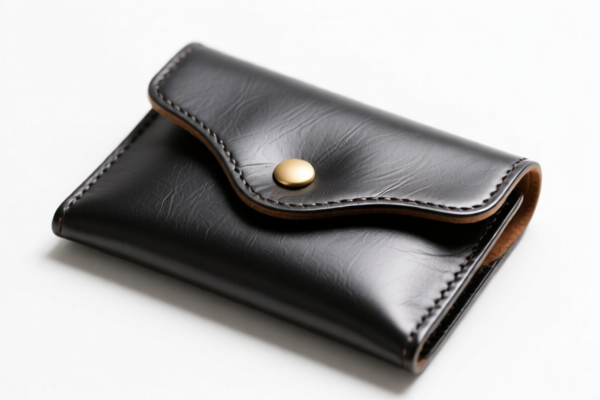
AI Analysis
🧤 Leather Hand Case (Gloves)
🌐 HS Code Reference & Customs Clearance Guide | 2026 Latest Tariff Analysis | Professional Clearance Strategy
📌 I. Product Definition & Classification: Do You Really Understand "Leather Hand Cases"?
In international trade, "Leather Hand Case" is commonly referred to as Leather Gloves. These are essential apparel accessories, typically categorized under Chapter 42 (Articles of Leather) or Chapter 62 (Articles of Apparel and Clothing Accessories, Not Knitted or Crocheted).
Key Classification Logic: * Material: Leather (Cowhide, Sheepskin, Horsehide, etc.). * Form: Gloves (Handwear). * Usage: Apparel/Accessories.
⚠️ Critical Distinction:
- If the material is Leather (Cow, Sheep, Horse, etc.) → It generally falls under Chapter 42.
- If the material is Wool or Fine Animal Hair (but not leather) → It falls under Chapter 62.
- Note: Sheepskin is considered leather in tariff classifications, whereas wool/fur from sheep (non-leather) is treated differently.
📦 II. HS Code Classification Details (2026 Latest Tariff Authority Comparison)
Based on the provided data, here are the five most likely HS Codes for a Leather Hand Case (Gloves) and their specific logic:
| HS Code | Product Description | Logic Summary | Tax Rate |
|---|---|---|---|
4203.29.08.00 |
Gloves, made of leather; specifically Horsehide or Cowhide | Matches form (gloves) and material (leather). Specifically fits the category for horse/cowhide leather gloves. | 49.0% |
4203.29.05.00 |
Gloves, made of leather; Other (Fallback Category) | Matches form (gloves) and material (leather). Used when specific hide type isn't clearly defined as horse/cow. Applies the "fallback" principle for leather goods. | 47.6% |
4203.29.40.00 |
Gloves, made of leather; specifically Sheepskin | Matches form (gloves), material (Sheepskin is Leather), and usage (Apparel Accessory). No attribute conflict. | 47.6% |
4203.29.50.00 |
Gloves, made of leather; specifically Sheepskin (Alternative Code) | Matches form (gloves) and material (Sheepskin/Leather). No attribute conflict. Similar to 4203.29.40.00. | 47.6% |
6216.00.80.00 |
Gloves, made of Wool or Fine Animal Hair | Conditional Match: If the "Leather Hand Case" is misidentified or actually made of wool/fur (not leather), this code applies. Note: Sheep leather usually goes to Ch. 42, but wool/fur gloves go here. | 21.0% |
🔍 Key Insight:
- Codes4203.29.08.00,4203.29.05.00,4203.29.40.00,4203.29.50.00all fall under Chapter 42 (Articles of Leather).
- Code6216.00.80.00falls under Chapter 62 (Apparel Accessories) and is significantly cheaper (21.0% vs 47-49%).
- Crucial Warning: Do not misdeclare Leather Gloves as Wool Gloves to save tax. Customs will verify material composition. If it is truly leather, you must use Chapter 42 codes.
💰 III. 2026 Latest Tariff Rate Breakdown (Including Surcharges & Policy Add-ons)
✅ Applicable Country: United States (US)
✅ Country of Origin: China (CN)
✅ Effective Date: From November 10, 2025 (and subsequent imports)
🎯 1. 4203.29.08.00 – Leather Gloves (Horsehide/Cowhide)
| Item | Detail |
|---|---|
| Base Tariff | 14.0% |
| Section 301 Surcharge | +25.0% |
| Section 122 Tariff | +10.0% |
| Total Tariff Rate | 49.0% |
| Tax Calculation | CIF Value × 49.0% |
| De Minimis Exemption | ❌ Not Eligible (deny_de_minimis) |
| Legal Basis Path | USITC:4203.29.08.00 → 301 Footnote → Section 122 |
📌 Explanation:
- This is the highest tariff tier in the dataset.
- The 25% Section 301 tax applies to most Chinese-made leather goods.
- The 10% Section 122 tax is an additional surcharge.
- Result: High cost. Ensure product value justifies this import.
🎯 2. 4203.29.05.00 – Leather Gloves (Other/Undefined Hide)
| Item | Detail |
|---|---|
| Base Tariff | 12.6% |
| Section 301 Surcharge | +25.0% |
| Section 122 Tariff | +10.0% |
| Total Tariff Rate | 47.6% |
| Tax Calculation | CIF Value × 47.6% |
| De Minimis Exemption | ❌ Not Eligible (deny_de_minimis) |
| Legal Basis Path | USITC:4203.29.05.00 → 301 Footnote → Section 122 |
📌 Note:
- Slightly cheaper than4203.29.08.00due to a lower base rate (12.6% vs 14.0%).
- Use this code if the specific type of leather (horse/cow) is not explicitly declared or falls under a "other" category.
🎯 3. 4203.29.40.00 & 4203.29.50.00 – Leather Gloves (Sheepskin)
| Item | Detail |
|---|---|
| Base Tariff | 12.6% |
| Section 301 Surcharge | +25.0% |
| Section 122 Tariff | +10.0% |
| Total Tariff Rate | 47.6% |
| Tax Calculation | CIF Value × 47.6% |
| De Minimis Exemption | ❌ Not Eligible (deny_de_minimis) |
| Legal Basis Path | USITC:4203.29.40.00 / 4203.29.50.00 → 301 Footnote → Section 122 |
📌 Note:
- Sheepskin is classified as Leather in Chapter 42, not as wool in Chapter 62.
- Therefore, it still bears the high 47.6% tariff.
- Do not confuse with6216.00.80.00(21.0% tax).6216is for wool/fur, not sheepskin leather.
🎯 4. 6216.00.80.00 – Gloves of Wool or Fine Animal Hair
| Item | Detail |
|---|---|
| Base Tariff | 3.5% |
| Section 301 Surcharge | +7.5% |
| Section 122 Tariff | +10.0% |
| Total Tariff Rate | 21.0% |
| Tax Calculation | CIF Value × 21.0% |
| De Minimis Exemption | ❌ Not Eligible (deny_de_minimis) |
| Legal Basis Path | USITC:6216.00.80.00 → 301 Footnote → Section 122 |
📌 Warning:
- This code offers the lowest tax rate (21.0%).
- However, it is ONLY applicable if the product is made of Wool or Fine Animal Hair (e.g., knitted wool gloves, fur gloves).
- If your product is Leather (e.g., Sheepskin Leather), you CANNOT use this code. Misclassification leads to severe penalties, back taxes, and seizure.
🛠️ IV. Customs Clearance Operational Advice (Practical Pitfall Avoidance)
✅ 1. Required Documentation Checklist (No Missing Items)
| Document | Must Provide | Description |
|---|---|---|
| ✅ Product Specification Sheet | ✔️ | Must explicitly state: "Material: 100% Sheepskin Leather" or "Horsehide Leather". Do not just say "Leather." |
| ✅ Product Photos | ✔️ | Clear images of the glove lining, texture, and label showing material composition. |
| ✅ Commercial Invoice | ✔️ | Must match the HS Code description. E.g., "Leather Gloves, Sheepskin, Size M-L." |
| ✅ Packing List | ✔️ | Detail the quantity and packaging. |
| ✅ Material Test Report | ✔️ | Critical: If Customs doubts the material, a third-party lab test proving it is Leather (not wool/fabric) is required. |
| ✅ Origin Certificate | ✔️ | Proof of Chinese origin (triggers Section 301 & 122 taxes). |
✅ 2. Declaration Skills (Key Mnemonic)
🔥 "Leather is Ch. 42, Wool is Ch. 62. Wrong Code = Big Fine!"
| Scenario | Correct HS Code | Incorrect Code | Consequence |
|---|---|---|---|
| Sheepskin Leather Gloves | 4203.29.40.00 (47.6%) |
6216.00.80.00 (21.0%) |
Underpayment of Tax. Customs will reclassify and charge the difference + penalty. |
| Cowhide Leather Gloves | 4203.29.08.00 (49.0%) |
6216.00.80.00 (21.0%) |
Severe Misclassification. High risk of audit. |
| Wool Knitted Gloves | 6216.00.80.00 (21.0%) |
4203.29.05.00 (47.6%) |
Overpayment of Tax. You lose money unnecessarily. |
| Leather Gloves + Wool Lining | 4203.29.xx.xx |
6216.00.80.00 |
Error. The outer surface determines the classification. Leather exterior = Chapter 42. |
✅ 3. Special Handling Cases
| Case | Handling Advice |
|---|---|
| Mixed Material Gloves | If the outer shell is leather and the lining is wool, classify as Leather Gloves (Ch. 42). The primary material (outer surface) dictates the code. |
| Embroidered/Decorated Leather Gloves | Still 4203.29.xx.xx. Decoration does not change the fundamental nature as a leather glove. |
| Children’s Leather Gloves | Still 4203.29.xx.xx. No specific "children's" exemption in these codes. |
| OEM Custom Gloves | Provide design drawings and material specs. If the buyer specifies "Leather," ensure the supplier delivers leather, not faux leather (which may have different codes/taxes). |
🌍 V. Global Market Comparison (2026 Latest)
| Country/Region | Recommended HS Code | Tariff Rate (China Origin) | Key Requirements | Notes |
|---|---|---|---|---|
| 🇺🇸 USA | 4203.29.08.00 / 4203.29.40.00 |
47.6% - 49.0% | FCC (not applicable), RoHS (not applicable), but Material Proof is key. | High tariffs due to Section 301 & 122. |
| 🇨🇳 China | 4203.29.08.00 |
~14% | CCC (not typically for gloves), but quality standards apply. | No Section 301/122. |
| 🇪🇺 EU | 4203.29.xx |
Varies (often 0-10%) | CE (not for gloves), REACH (chemical safety in leather tanning). | EU may have lower base tariffs than US. |
| 🇬🇧 UK | 4203.29.xx |
Varies | UKCA marking (if safety gear). | Post-Brexit tariffs may differ from EU. |
📌 Conclusion:
- The US market imposes the heaviest burden on leather gloves from China (nearly 50% tax).
- No De Minimis Exemption: Do not try to split shipments into small packages to avoid taxes;deny_de_minimisis enforced.
- Accuracy is Critical: Misclassifying Leather as Wool to save 26% tax is a common but risky strategy. Customs can detect material differences easily.
📌 VI. Common Errors & Pitfall Guide (Lessons Learned)
❌ Error 1: Declaring Sheepskin Leather Gloves as Wool Gloves (6216.00.80.00) to pay 21% instead of 47.6%.
👉 Consequence: Customs lab test confirms leather. Back taxes + 25% penalty + Potential seizure.
❌ Error 2: Not specifying the type of leather (Cow vs. Sheep) in the invoice.
👉 Consequence: Customs may assign the higher-rate code (4203.29.08.00) by default if unsure, or delay shipment for clarification.
❌ Error 3: Assuming "Hand Case" means a purse/wallet (Ch. 4201).
👉 Consequence: "Hand Case" is an ambiguous term. If it is a glove, it must be declared as such. "Hand Case" might be rejected by CBP for being unclear. Use "Leather Gloves".
❌ Error 4: Splitting a large shipment of leather gloves into many small parcels to use De Minimis.
👉 Consequence: CBP has suspended De Minimis for China-origin goods (Section 321/601). All shipments will be assessed, and delays will occur.
✅ Correct Practice:
"Leather Gloves, 100% Sheepskin Leather, Women's Fashion, Size L, Model XYZ, Made in China"
HS Code:4203.29.40.00
Total Tax: 47.6%
🎯 VII. Conclusion: Professional Declaration, Save Money, Avoid Risk!
🎯 Remember the Golden Rules:
🔹 "Leather is Ch. 42, Wool is Ch. 62. Never mix them!"
🔹 "Sheepskin Leather = 47.6% Tax. Sheep Wool = 21.0% Tax. Know your material!"
🔹 "No De Minimis for China. Declare everything accurately."
📌 Tips:
- If your product is Faux Leather (PU/Synthetic), it may fall under Chapter 39 or 60, not Chapter 42. Check the material carefully!
- For Leather Gloves, the tax rate is high. Consider if the profit margin can absorb ~48% tax, or if you need to adjust pricing/supply chain.
📣 Immediate Action:
📞 Consult with a licensed customs broker.
📝 Provide clear material specifications.
🚀 Ensure 100% accuracy in material declaration to avoid customs holds.
✨ Professional Clearance Starts with Precise Classification!
💼 Every Cent of Tax Saved is Profit Earned, But Only If Declared Correctly!
Customer Reviews
About HS Code Classification
The Harmonized System (HS) is an internationally standardized nomenclature developed by the World Customs Organization (WCO) to classify traded products. Over 200 countries use the HS system as the basis for customs tariffs, trade statistics, and import/export regulations.
Each HS code follows a hierarchical structure:
- Chapter (2 digits) — Broad category of goods (e.g., Chapter 84: Machinery and Mechanical Appliances)
- Heading (4 digits) — More specific grouping within the chapter
- Subheading (6 digits) — Internationally standardized breakdown, used by all WCO member countries
- National subdivisions (8-10 digits) — Country-specific extensions for further classification, such as US HTSUS 10-digit codes
Correct HS code classification is essential for smooth customs clearance, accurate duty payment, and compliance with trade regulations. Misclassification can lead to customs delays, overpayment of duties, or penalties.
When importing from CN to US, the applicable tariff rates may include:
- Most-Favored-Nation (MFN) rate — The standard duty rate applied to WTO members
- General rate — Applied to countries without trade agreements
- Trade remedy duties — Additional tariffs such as Section 301 (anti-dumping), Section 232 (national security), or countervailing duties
The information provided on this page is for reference purposes only. For official classification, please consult with your local customs authority or a licensed customs broker.