Leather Handcase
CN → US| HS Code | Tariff Rate | Origin | Destination | Doc |
|---|---|---|---|---|
| 4202216000 | 45.0% | CN | US | Official Doc |
| 6217109520 | 32.1% | CN | US | Official Doc |
| 4203293010 | 49.0% | CN | US | Official Doc |
| 4303100030 | 39.0% | CN | US | Official Doc |
| 4303100060 | 39.0% | CN | US | Official Doc |
Product Images
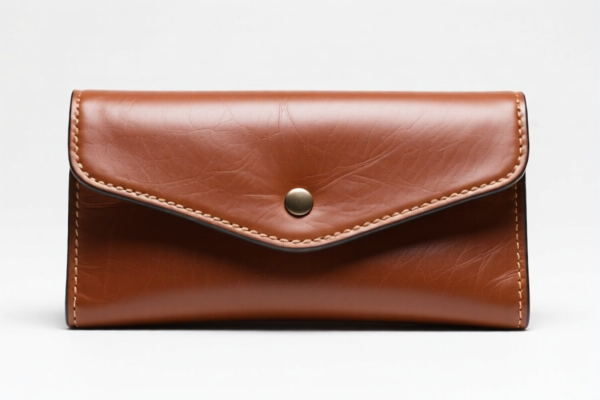
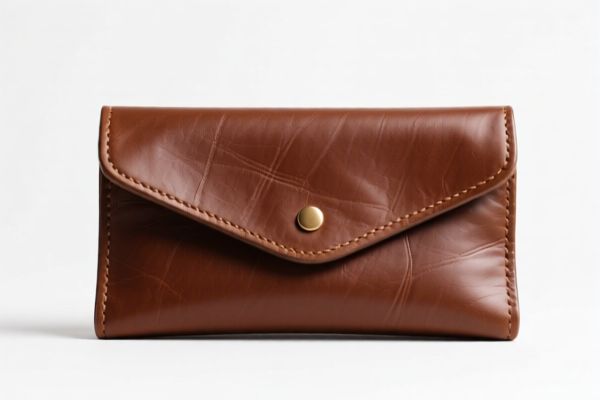
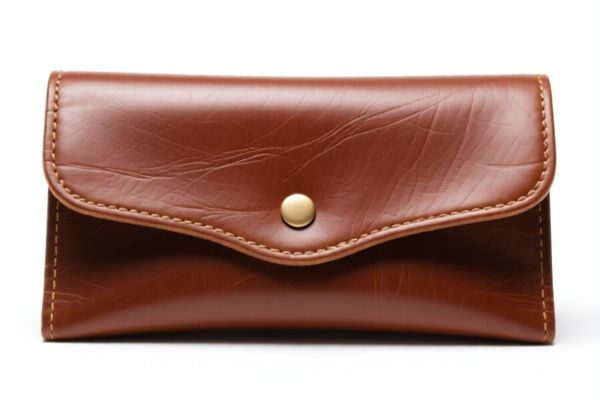
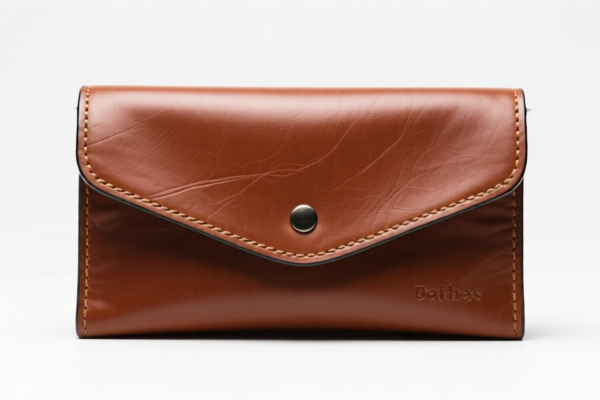
AI Analysis
👜 Leather Handcase (Leather Handbags & Pouches)
🌐 HS Code Reference & Customs Clearance Guide | 2026 Latest Tariff Analysis | Professional Entry Strategies
📌 1. Product Definition & Classification: What is a "Leather Handcase"?
A "Leather Handcase" generally refers to hand-carried articles made of leather or composition leather, used for carrying personal items. In international trade, this category is strictly divided based on material composition and specific type of leather goods:
Leather Handbags (4202.21): Handbags with an outer surface of leather (including natural and artificial leather). This includes tote bags, shoulder bags, and clutches where leather is the dominant outer material.
Leather Gloves & Apparel Accessories (4203, 4303): Specifically refers to gloves made of leather/synthetic leather or fur garments/accessories. Note: While the user input says "Handcase," the provided data explicitly lists "Gloves" and "Fur Accessories" under similar leather headings. We must clarify that 4202 is for bags, while 4203/4303 are for gloves/fur, as per the provided dataset.
⚠️ Key Distinction:
- If it is a bag/purse with a leather outer surface →归入4202.21.60.00
- If it is a glove made of leather →归入4203.29.30.10
- If it is a fur garment/accessory →归入4303.10.00.30or4303.10.00.60
📦 2. HS Code Classification Details (2026 Latest Tariff Authority Comparison)
| HS Code | Product Description | Applicable Scenario | Total Tax Rate |
|---|---|---|---|
4202.21.60.00 |
Handbags, outer surface of leather | Leather tote bags, shoulder bags, clutches, wallets (if classified as handbags) | 45.0% |
4203.29.30.10 |
Gloves, leather/synthetic leather | Leather driving gloves, fashion leather gloves | 49.0% |
4303.10.00.30 |
Fur garments and accessories | Fur-lined gloves, fur collars, fur accessories | 39.0% |
4303.10.00.60 |
Other fur articles and accessories (excluding mink) | Fur items made from fox, rabbit, etc. (not mink) | 39.0% |
🔍 Important Note:
- The term "Handcase" is ambiguous. If it refers to a bag, use4202.21.60.00.
- If it refers to gloves (covering hands), use4203.29.30.10or4303...depending on material.
- The dataset provided contains no entry for6217.10.95.20in the final tax breakdown for gloves, but lists it for "Fur Gloves, fine animal hair products" with a 32.1% rate. This suggests a specific sub-category for fine animal hair (e.g., cashmere/mohair blends) vs. pure leather/fur. We will include this for completeness if the product fits that description.
💰 3. 2026 Latest Tariff Rate Breakdown (Including Surcharges)
✅ Applicable Country: United States (US)
✅ Origin: China (CN)
✅ Effective Date: 2025+ (Current Tariff Regime)
🎯 1. 4202.21.60.00 —— Leather Handbags
| Item | Content |
|---|---|
| Base Duty Rate | 10.0% |
| Section 301 Surcharge | 25.0% |
| Section 122 Surcharge | 10.0% |
| Total Tax Rate | 45.0% |
| Tax Calculation | CIF Value × 45% |
| De Minimis Exemption | ❌ Not Eligible (deny_de_minimis) |
| Legal Basis Path | USITC:4202.21.60.00 → Section 301: 25% → Section 122: 10% |
📌 Explanation:
- Base Duty (10%): Standard MFN rate for leather handbags.
- Section 301 (25%): Additional tariff on Chinese goods under U.S. Trade Law.
- Section 122 (10%): Additional tariff under Section 122 of the Trade Expansion Act (often applied to specific categories like leather goods to protect domestic industry).
- Total 45%: High tariff burden. Must be factored into pricing.
🎯 2. 6217.10.95.20 —— Fur Gloves (Fine Animal Hair Products)
| Item | Content |
|---|---|
| Base Duty Rate | 14.6% |
| Section 301 Surcharge | 7.5% |
| Section 122 Surcharge | 10.0% |
| Total Tax Rate | 32.1% |
| Tax Calculation | CIF Value × 32.1% |
| De Minimis Exemption | ❌ Not Eligible |
| Legal Basis Path | USITC:6217.10.95.20 → Section 301: 7.5% → Section 122: 10% |
📌 Note:
- This applies specifically to gloves made of fine animal hair (e.g., cashmere, alpaca, mohair), not pure leather or dense fur.
- Lower base duty and Section 301 rate compared to leather gloves, but still significant.
🎯 3. 4203.29.30.10 —— Leather/Synthetic Leather Gloves
| Item | Content |
|---|---|
| Base Duty Rate | 14.0% |
| Section 301 Surcharge | 25.0% |
| Section 122 Surcharge | 10.0% |
| Total Tax Rate | 49.0% |
| Tax Calculation | CIF Value × 49.0% |
| De Minimis Exemption | ❌ Not Eligible |
| Legal Basis Path | USITC:4203.29.30.10 → Section 301: 25% → Section 122: 10% |
📌 Note:
- Highest tariff rate in the dataset.
- Applies to standard leather gloves.
- Warning: If misclassified as handbags (4202), you might save 4%, but if misclassified as fur accessories, you might face penalties. Accuracy is critical.
🎯 4. 4303.10.00.30 & 4303.10.00.60 —— Fur Garments & Accessories
| Item | Content |
|---|---|
| Base Duty Rate | 4.0% |
| Section 301 Surcharge | 25.0% |
| Section 122 Surcharge | 10.0% |
| Total Tax Rate | 39.0% |
| Tax Calculation | CIF Value × 39.0% |
| De Minimis Exemption | ❌ Not Eligible |
| Legal Basis Path | USITC:4303.10.00.30/60 → Section 301: 25% → Section 122: 10% |
📌 Note:
- Excludes Mink:4303.10.00.60is for fur other than mink.
- Includes Mink/Fur Accessories:4303.10.00.30covers fur garments and accessories (including mink).
- Lower Base Duty (4%): Due to the luxury/niche nature, base duty is low, but Section 301 and 122 add 35%, making it still expensive.
🛠️ 4. Customs Clearance Practical Advice
✅ 1. Required Documentation Checklist
| Document | Required | Notes |
|---|---|---|
| ✅ Product Specification Sheet | ✔️ | Must clearly state material (e.g., "100% Cowhide Leather" vs. "Cashmere Wool") |
| ✅ Material Composition Statement | ✔️ | Crucial for distinguishing between 4202 (Leather), 4203 (Leather Gloves), and 4303 (Fur) |
| ✅ Product Photos | ✔️ | Clear images of outer surface, lining, and any fur trim |
| ✅ Commercial Invoice | ✔️ | Accurate description: "Leather Handbag" or "Leather Gloves" |
| ✅ Certificate of Origin (CO) | ✔️ | If claiming any preferential treatment (not applicable here due to high tariffs) |
| ✅ Section 301/122 Exemption Application | ❌ | Generally not available for consumer leather goods |
✅ 2. Classification Pitfalls (Avoid These!)
| Scenario | Correct HS Code | Incorrect HS Code | Consequence |
|---|---|---|---|
| Leather Tote Bag | 4202.21.60.00 |
4203.29.30.10 |
Over/Underpayment; potential fine |
| Leather Gloves | 4203.29.30.10 |
6217.10.95.20 |
Wrong tax rate (49% vs 32.1%) |
| Fur Trimmed Bag | 4202.21.60.00 (if leather dominant) |
4303.10.00.30 |
If leather is primary material, must use 4202. Misclassification risks penalties. |
| Mink Fur Accessory | 4303.10.00.30 |
4303.10.00.60 |
Both are 39%, but accuracy matters for regulatory compliance |
🔥 Golden Rule:
"Define by Material, Not by Shape!"
- Is it a bag? →4202
- Is it a glove? →4203(Leather) or4303(Fur) or6217(Hair)
- Check the outer surface material first.
✅ 3. Special Cases
| Case | Handling Advice |
|---|---|
| Mixed Material (Leather + Fabric) | If leather is >50% of outer surface, still classified under 4202. If fabric is dominant, may fall under 6203/6204 (but not in this dataset). |
| Artificial Leather | Still classified under 4202.21 (Leather includes artificial leather in this context). |
| Vintage/Rare Fur | Requires CITES documentation if endangered species. Ensure legal compliance. |
🌍 5. Global Market Comparison (2026)
| Country/Region | Recommended HS Code | Total Tariff (China Origin) | Key Requirements |
|---|---|---|---|
| 🇺🇸 USA | 4202.21.60.00 (Bag) |
45.0% | Section 301 + 122 Surcharges Apply |
| 🇪🇺 EU | 4202.21.60.00 |
~12% | CE Marking not required, but REACH compliance for chemicals |
| 🇨🇳 China | 4202.21.60.00 |
~10-15% | Import duties may be lower; VAT applies |
| 🇬🇧 UK | 4202.21.60.00 |
~12% | Post-Brexit rules apply |
📌 Conclusion:
- USA has the highest effective tariff (45%) due to Section 301 and 122.
- Cost Optimization: Consider sourcing from non-China countries (e.g., Vietnam, Italy) if possible, to avoid Section 301.
- Accuracy is Key: Misclassifying gloves as bags or vice versa can lead to incorrect tax calculations and audits.
📌 6. Common Mistakes & Pitfalls
❌ Mistake 1: Using "Handcase" as a generic term without specifying material.
👉 Result: Customs may assign a default higher duty or delay clearance for classification review.
Fix: Specify "Leather Handbag" or "Leather Gloves."
❌ Mistake 2: Assuming all fur items are the same.
👉 Result: Confusing 4303.10.00.30 (Fur Garments/Accessories) with 4303.10.00.60 (Other Fur). While tax is same, regulatory scrutiny differs.
Fix: Clearly state "Mink Fur Accessory" vs. "Fox Fur Accessory."
❌ Mistake 3: Ignoring Section 122.
👉 Result: Underestimating landed cost.
Fix: Always include +10% for Section 122 in cost modeling for US imports.
🎯 7. Conclusion: Professional Clearance, Save Costs!
🎯 Remember:
🔹 "Leather Bag: 45%, Leather Glove: 49%, Fur Accessory: 39%, Fine Hair Glove: 32.1%"
🔹 "Specify Material, Specify Product Type, Avoid Penalties!"
✨ Professional customs clearance starts with accurate classification!
💼 Every percent of tax matters to your profit margin!
📣 Action Item:
📞 Consult with a licensed customs broker.
📄 Provide detailed material composition and product images.
🚀 Ensure your HS Code matches the product's physical characteristics to avoid delays and fines.
Customer Reviews
About HS Code Classification
The Harmonized System (HS) is an internationally standardized nomenclature developed by the World Customs Organization (WCO) to classify traded products. Over 200 countries use the HS system as the basis for customs tariffs, trade statistics, and import/export regulations.
Each HS code follows a hierarchical structure:
- Chapter (2 digits) — Broad category of goods (e.g., Chapter 84: Machinery and Mechanical Appliances)
- Heading (4 digits) — More specific grouping within the chapter
- Subheading (6 digits) — Internationally standardized breakdown, used by all WCO member countries
- National subdivisions (8-10 digits) — Country-specific extensions for further classification, such as US HTSUS 10-digit codes
Correct HS code classification is essential for smooth customs clearance, accurate duty payment, and compliance with trade regulations. Misclassification can lead to customs delays, overpayment of duties, or penalties.
When importing from CN to US, the applicable tariff rates may include:
- Most-Favored-Nation (MFN) rate — The standard duty rate applied to WTO members
- General rate — Applied to countries without trade agreements
- Trade remedy duties — Additional tariffs such as Section 301 (anti-dumping), Section 232 (national security), or countervailing duties
The information provided on this page is for reference purposes only. For official classification, please consult with your local customs authority or a licensed customs broker.