Leather Hats
CN → USProduct Images
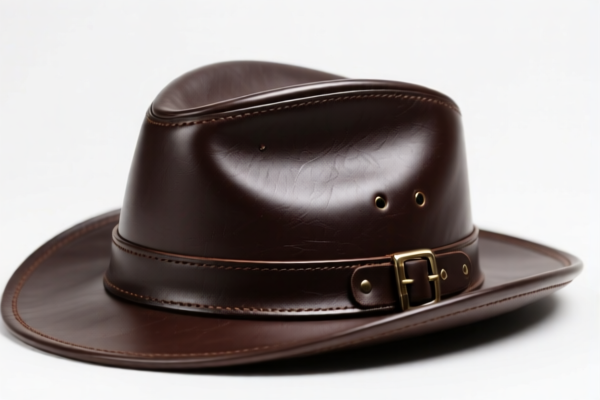
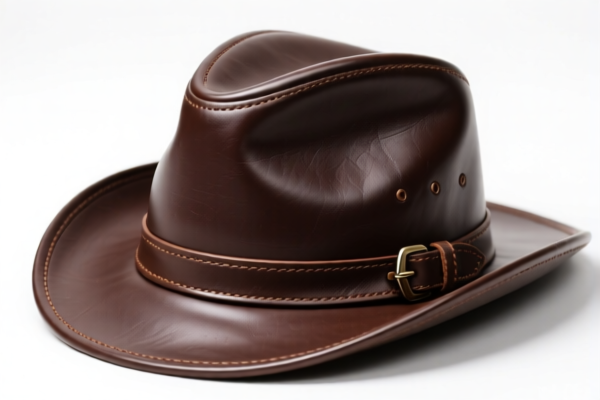
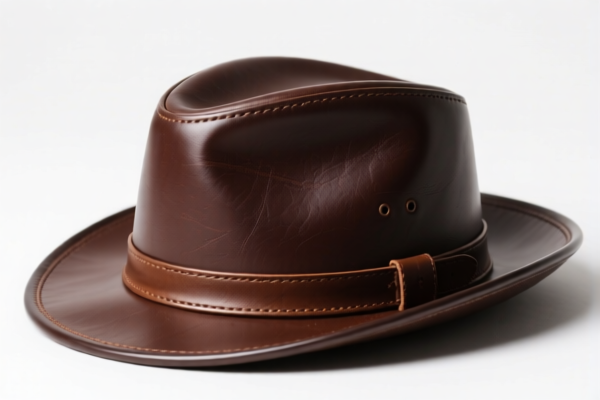
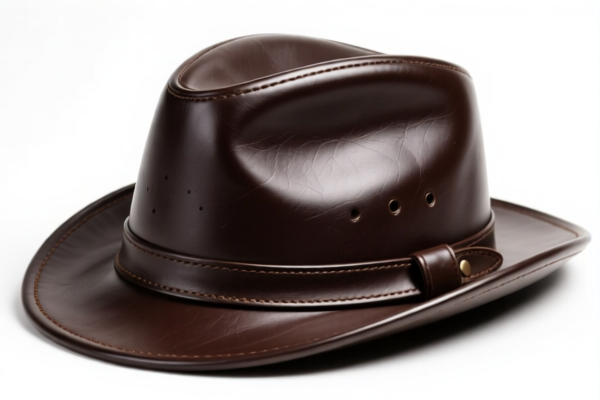
AI Analysis
🧢 Leather Hats (Headgear of Leather)
🌐 HS Code Reference & Customs Clearance Guide | 2026 Latest Tariff Analysis | Professional Clearance Strategy
📌 I. Product Definition and Classification: Do You Really Understand "Leather Hats"?
Leather hats, in the context of international trade, are headgear made primarily of leather (excluding fur skin or felt). The classification hinges strictly on the material composition and the construction method.
Key Distinction: 1. Leather Headgear (Chapter 65): Hats made from cut leather pieces sewn or assembled together (e.g., leather baseball caps, fedoras, hard hats with leather shells). 2. Fur Skin Headgear (Chapter 43): Hats made from whole fur skins (e.g., shearling hats, mink hats). These belong to HS 4303, NOT 6505. 3. Knitted/Felt Headgear: Even if treated with leather finishes, if the base is knitted wool or felt, they belong to Chapter 60/6504, NOT 6505.
⚠️ Critical Classification Point:
- If the hat is made of leather leather (cut pieces) → HS 6505
- If the hat is made of fur skins → HS 4303 (Avoid this misclassification!)
- If the hat is knitted but has leather trim → Check if the essential character is leather. Usually, knitted base = 6505.40 or 6505.90.
📦 II. HS Code Classification Details (2026 Latest Tariff Authority Match)
| HS Code | Product Description | Applicable Scenario | Material Structure |
|---|---|---|---|
6505.10.00.00 |
Headgear made of knots or plaited materials (e.g., straw, paper, bamboo), even lined with leather | Straw hats with leather bands | ❌ Leather not main material |
6505.90.00.00 |
Other headgear, knitted or made from lace, felt, or other textile materials, including headgear made from bands of any material | Leather caps made from cut leather pieces, assembled from multiple panels | ✅ Yes (Leather Panels) |
6505.90.00.00 (Specific Subheading in US) |
Headgear made of leather, not knitted | Hard leather hats, military-style leather caps, leather fashion caps | ✅ Yes (Solid Leather) |
4303.10.00.00 |
Fur skins and articles thereof (including hats made from whole fur skins) | Shearling hats, mink fur hats, rabbit fur hats | ✅ Fur Skin (Wrong Chapter for Leather) |
🔍 Key Reminder:
- US HTS 6505.90.00.00: Covers "Other headgear... made of leather." This is the most common code for standard leather caps, trucker hats (leather front), and fashion leather hats. - Do NOT use 6505.10 unless it’s primarily woven straw/bamboo with minor leather accents. - Do NOT use 4303 unless it’s made from entire animal pelts/fur skins.
💰 III. 2026 Latest Tariff Rate Breakdown (Including Surtaxes & Policy Add-ons)
✅ Applicable Country: United States (US)
✅ Country of Origin: China (CN)
✅ Effective Date: From November 10, 2025 (including subsequent imports)
🎯 1. 6505.90.00.00 —— Headgear of Leather (Most Common for Fashion/Functional Leather Hats)
| Item | Content |
|---|---|
| Base Rate | 12.5% (ad valorem) |
| USITC Additional Tariff (Section 301) | +7.5% (Footnote 9903.88.20 applies to headgear not specifically exempted) |
| IEEPA Additional Tariff | +10% (Applied to China/Hong Kong products under IEEPA Authority) |
| Total Tariff Rate | 30.0% |
| Tax Calculation | CIF Value × 30% |
| De Minimis Eligibility | ❌ No (deny_de_minimis applies to Section 301 goods >$800) |
| Legal Basis Path | IEEPA:9903.01.10 → USITC:6505.90.00.00 → FOOTNOTE:9903.88.20 |
📌 Explanation:
- The base rate for hats (6505) is 12.5%. - Section 301 adds 7.5% for most Chinese headgear. - IEEPA adds another 10%. - Total: 30%. This is a significant cost driver.
🎯 2. 4303.10.00.00 —— Fur Skin Hats (If Misclassified as Leather)
| Item | Content |
|---|---|
| Base Rate | 12.5% |
| USITC Additional Tariff (Section 301) | +25% (High surtax for luxury/animal products) |
| IEEPA Additional Tariff | +10% |
| Total Tariff Rate | 47.5% |
| De Minimis Eligibility | ❌ No |
| Legal Basis Path | IEEPA:9903.01.10 → USITC:4303.10.00.00 → FOOTNOTE:9903.25.00 |
📌 Warning:
- If you declare "Leather Hat" but it’s actually made of fur/shearling, you risk severe penalties. - Even if correctly declared as fur, the tariff is 47.5%, which is much higher than leather hats.
🛠️ IV. Customs Clearance Practical Advice (Real-World Pitfall Avoidance)
✅ 1. Required Documentation Checklist (Mandatory)
| Document | Mandatory? | Description |
|---|---|---|
| ✅ Product Specification Sheet | ✔️ | Must state "Leather" (not "Faux Leather" or "PU") |
| ✅ Material Composition | ✔️ | e.g., "100% Genuine Cowhide Leather, Leather Lining" |
| ✅ Product Photos (Inside/Outside) | ✔️ | Show stitching, leather grain, labels |
| ✅ Commercial Invoice | ✔️ | Clearly state "Leather Hat, Model XYZ, 100% Leather" |
| ✅ Certificate of Origin (CO) | ✔️ | Required for IEEPA/301 tracking |
| ✅ Packing List | ✔️ | Item count per carton |
✅ 2. Declaration Tips (Key Mantras)
🔥 "Leather is Leather, Fur is Fur. Name It Right, Avoid the Hurry!"
| Scenario | Correct Declaration | Wrong Practice |
|---|---|---|
| Fashion leather cap | 6505.90.00.00 "Leather Hat" |
"Clothing Accessory" → Vague, high risk |
| Shearling/Sheepskin hat | 4303.10.00.00 "Fur Hat" |
"Leather Hat" → 47.5% vs 30% + Penalty |
| Leather-trimmed baseball cap (knitted body) | 6505.90.00.00 |
"Baseball Cap" (Chapter 61/62) → Wrong Chapter |
| Faux Leather (PU/Vinyl) Hat | 6505.90.00.00 |
Declare as "Textile Hat" → Might get 0% base, but risk fraud if challenged |
📌 Note on Faux Leather:
- If the hat is made of polyurethane (PU) or PVC, it is NOT leather. - It may still fall under6505.90.00.00as "other materials," but ensure the invoice says "Man-Made Material" to avoid duty fraud allegations.
🌍 V. Global Market Comparison (2026 Latest)
| Country/Region | Recommended HS Code | Tariff (China Origin) | Certification | Notes |
|---|---|---|---|---|
| 🇺🇸 USA | 6505.90.00.00 |
30% (Base 12.5% + 7.5% + 10%) | No special cert | High tariff due to 301/IEEPA |
| 🇨🇳 China | 6505.90.00.00 |
10% | None | Domestic trade |
| 🇪🇺 EU | 6505.90.90 |
0% (Most) | CE (if safety helmet) | No extra surtax |
| 🇬🇧 UK | 6505.90.90 |
12% | None | Post-Brexit tariff |
| 🇯🇵 Japan | 6505.90.90 |
5% | None | Low tariff |
📌 Conclusion:
- USA is the most expensive market for leather hats due to multiple layers of tariffs. - EU/UK/Japan have much lower barriers. Consider shifting supply chain if US duties are prohibitive.
📌 VI. Common Mistakes & Pitfalls (Lessons Learned)
❌ Mistake 1: Calling "Shearling Hats" "Leather Hats"
👉 Consequence: Duty jumps from 30% to 47.5%, plus potential customs audit for misclassification.
❌ Mistake 2: Ignoring the "De Minimis" Rule for Section 301
👉 Consequence: Even if shipped via USPS (under $800), Section 301 goods are not eligible for de minimis exemption. You still pay 30%.
❌ Mistake 3: Using "Hat" without specifying material
👉 Consequence: Customs may assess the highest possible rate or request additional info, causing delays.
✅ Correct Practice:
"Men's Leather Baseball Cap, 100% Cowhide Leather, Black, Model LHC-001, Made in China"
🎯 VII. Conclusion: Professional Declaration Saves Money!
🎯 Remember the Mantra:
🔹 "Leather = 6505.90.00.00"
🔹 "Fur = 4303.10.00.00"
🔹 "Total US Duty = 30%"
🔹 "No De Minimis for Section 301!"
📌 Pro Tip:
If your leather hats are partially lined with wool, ensure the primary material is still leather. If the wool lining constitutes more than 50% of the weight/value, re-evaluate classification.
For large volumes, consider Advance Ruling (CBP Ruling) to lock in the HS code and duty rate before shipment.
📣 Take Action Now:
📞 Contact a professional customs broker + Provide material specs + Apply for CBP Advance Ruling
🚀 Ensure smooth clearance, avoid penalties, and protect your margins!
✨ Professional Customs Clearance Starts with Accurate Classification!
💼 Every percentage point of duty matters!
Customer Reviews
About HS Code Classification
The Harmonized System (HS) is an internationally standardized nomenclature developed by the World Customs Organization (WCO) to classify traded products. Over 200 countries use the HS system as the basis for customs tariffs, trade statistics, and import/export regulations.
Each HS code follows a hierarchical structure:
- Chapter (2 digits) — Broad category of goods (e.g., Chapter 84: Machinery and Mechanical Appliances)
- Heading (4 digits) — More specific grouping within the chapter
- Subheading (6 digits) — Internationally standardized breakdown, used by all WCO member countries
- National subdivisions (8-10 digits) — Country-specific extensions for further classification, such as US HTSUS 10-digit codes
Correct HS code classification is essential for smooth customs clearance, accurate duty payment, and compliance with trade regulations. Misclassification can lead to customs delays, overpayment of duties, or penalties.
When importing from CN to US, the applicable tariff rates may include:
- Most-Favored-Nation (MFN) rate — The standard duty rate applied to WTO members
- General rate — Applied to countries without trade agreements
- Trade remedy duties — Additional tariffs such as Section 301 (anti-dumping), Section 232 (national security), or countervailing duties
The information provided on this page is for reference purposes only. For official classification, please consult with your local customs authority or a licensed customs broker.