Leather Installation Tools
CN → US| HS Code | Tariff Rate | Origin | Destination | Doc |
|---|---|---|---|---|
| 9017900160 | 0.0% | CN | US | Official Doc |
| 8205591000 | 42.2% | CN | US | Official Doc |
| 9017800000 | 40.3% | CN | US | Official Doc |
| 8205598000 | 38.7% | CN | US | Official Doc |
| 8205513060 | 38.7% | CN | US | Official Doc |
Product Images
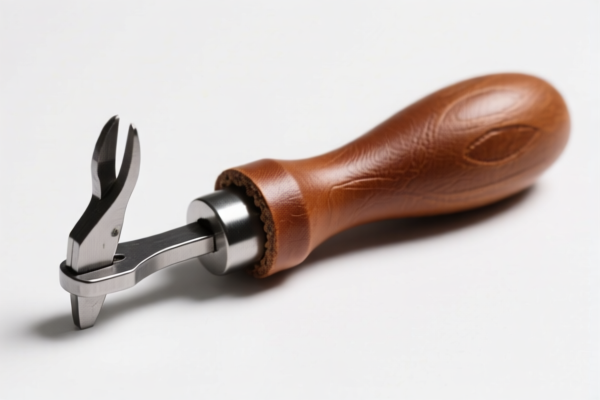
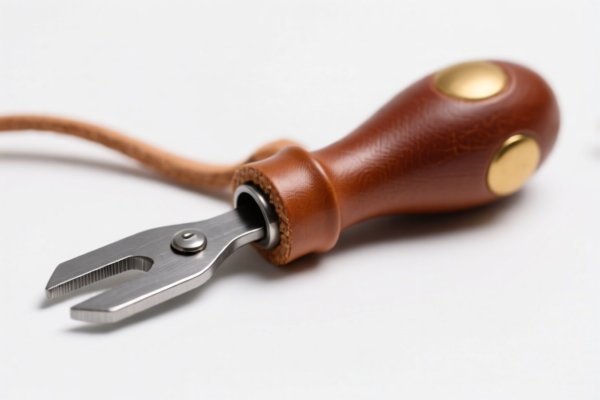
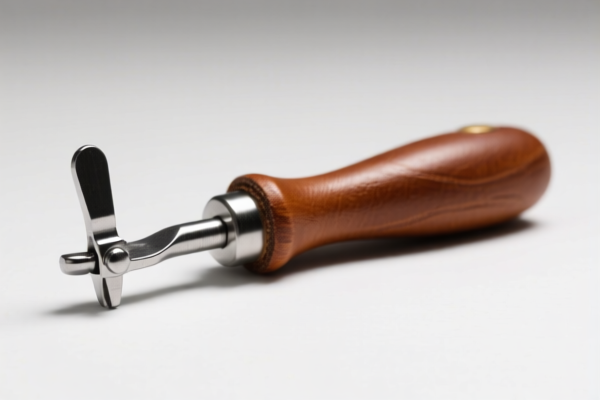
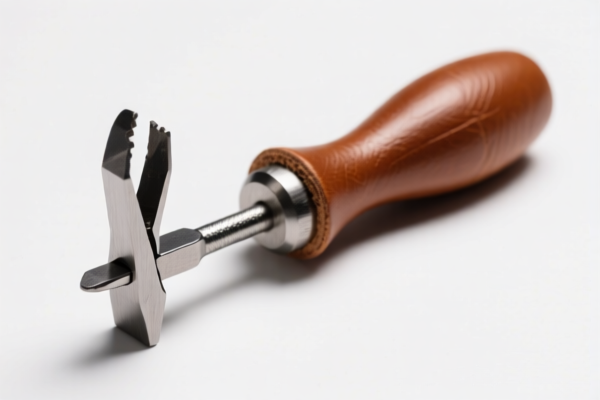
AI Analysis
🔪 Leather Installation Tools (Automotive & Furniture)
🌐 HS Code Reference & Customs Clearance Guide | 2026 Latest Tariff Analysis | Professional Level Strategy
📌 I. Product Definition & Classification: What Exactly Are "Leather Installation Tools"?
"Leather Installation Tools" is a generic commercial term often used by importers to describe handheld instruments used for applying, cutting, or adjusting leather materials, particularly in automotive interior restoration, upholstery, or general craftsmanship.
In international trade customs classification (HS Code), these tools are not classified by their end-use material (leather) but by their function and mechanical nature. They generally fall into two distinct categories:
- Measuring/Marking/Calibrating Instruments: Tools like calipers, measuring tapes, or marking gauges used to measure leather dimensions.
- Hand Tools (Cutting/Holding): Tools like knives, cutters, or pipe tools used to manipulate or cut the material.
⚠️ Key Distinction Point:
- If the tool is a measuring device (e.g., digital calipers, ruler, tape measure) → It falls under Chapter 90 (Optical, photographic, measuring instruments).
- If the tool is a cutting or gripping device (e.g., leather knife, cutting wheel, clamp) → It falls under Chapter 82 (Base metal hand tools).
📦 2. HS Code Classification Details (2026 Latest Tariff Authority Comparison)
Based on the provided data, "Leather Installation Tools" are classified into two primary HS Codes depending on the specific type of tool.
| HS Code | Product Description | Applicable Scenario | Tax Rate (US) |
|---|---|---|---|
9017.80.00.00 |
Other instruments (for measuring length, drawing, marking-out, etc.) | Measuring tapes, calipers, rulers, drafting instruments used in leatherwork. | 0.0% |
8205.59.10.00 |
Pipe tools, and parts thereof (from "Other handtools... base metal parts") | Specific Hand Tools: Often used for cutting, trimming, or specific gripping tasks in installation. | 0.0% |
8205.59.80.00 |
Other handtools... Other | Generic Cutting/Installation Tools: Leather knives, rotary cutters, specialized gripping pliers not classified elsewhere. | 28.7% |
🔍 Critical Warning:
- Do NOT use a generic name like "Leather Tools" in customs declarations.
- If you import measuring tools (tape, caliper), declare as9017.80.00.00.
- If you import cutting/gripping hand tools (knives, cutters), declare as8205.59.80.00(subject to 28.7% tax).
- If you import specialized pipe/welding-related hand tools used in installation, declare as8205.59.10.00.
- Misclassification Risk: Declaring a knife as a "measuring instrument" (9017) will lead to rejection, fines, or forced reclassification to8205.59.80.00with back-taxes.
💰 3. 2026 Latest Tariff Rate Breakdown (Including Additional Taxes)
✅ Applicable Country: United States (US)
✅ Origin: China (CN)
✅ Effective Date: 2025/2026 Period
🎯 1. 9017.80.00.00 — Measuring/Marking Instruments (Low Risk, Low Tax)
| Item | Content |
|---|---|
| Base Tariff | 0.0% |
| Section 301 / Additional Tariff | 0.0% |
| Total Tax Rate | 0.0% |
| Tax Calculation | CIF Value × 0.0% = $0 |
| De Minimis Eligibility | ❌ Not applicable (0% rate makes it irrelevant) |
| Legal Basis | Chapter 90 of the HTSUS |
📌 Explanation:
- Measuring instruments like calipers, measuring tapes, and marking gauges are considered precision instruments.
- They enjoy zero duty under the current US trade policy.
- Strategy: If your "Leather Tools" include measuring components (e.g., a ruler set), ensure they are declared as9017.80.00.00to avoid higher taxes.
🎯 2. 8205.59.10.00 — Pipe Tools / Specialized Hand Tools (Zero Tax)
| Item | Content |
|---|---|
| Base Tariff | 0.0% |
| Section 301 / Additional Tariff | 0.0% |
| Total Tax Rate | 0.0% |
| Tax Calculation | CIF Value × 0.0% = $0 |
| De Minimis Eligibility | ❌ N/A |
| Legal Basis | Chapter 82, HTSUS |
📌 Explanation:
- This code covers specific hand tools such as pipe cutters or similar specialized tools.
- If your "Leather Installation Tool" is a specialized gripping or cutting tool that fits the description of "pipe tools" (rare for leather, but possible in industrial contexts), it may qualify for 0% tax.
- Caution: This is a narrow category. Most general leather knives do NOT qualify here.
🎯 3. 8205.59.80.00 — Other Hand Tools (High Risk, High Tax)
| Item | Content |
|---|---|
| Base Tariff | 3.7% |
| Section 301 / Additional Tariff | 25.0% |
| Total Tax Rate | 28.7% |
| Tax Calculation | CIF Value × 28.7% |
| De Minimis Eligibility | ❌ DENIED (If over $800, or if subject to 301 tariffs) |
| Legal Basis | Chapter 82, HTSUS |
📌 Explanation:
- This is the default category for most "other handtools" including leather knives, cutting wheels, and general installation pliers.
- Total Tax = 28.7%. This is a high-cost classification.
- Example: A set of leather cutting knives priced at $1,000 CIF will incur $287 in duties alone.
- Strategic Implication: Importers often try to misclassify these as9017(0%) to save money, but this is illegal and risky.
🛠️ 4. Customs Clearance Practical Advice (Real-World Pitfall Guide)
✅ 1. Required Documentation Checklist
| Document | Mandatory? | Notes |
|---|---|---|
| ✅ Product Specifications | ✔️ | Must clearly state: "Is this a measuring tool or a cutting tool?" |
| ✅ Photos (Front, Side, Detail) | ✔️ | Show the tool's mechanism. Calipers = 9017. Knives = 8205. |
| ✅ Commercial Invoice | ✔️ | Describe items precisely: "Steel Caliper" vs. "Leather Cutting Knife". |
| ✅ Packing List | ✔️ | List items separately by function. |
| ✅ Material Composition | ✔️ | Base metal vs. plastic parts. |
✅ 2. Classification Strategy (The Golden Rules)
🔥 "Measure = 9017 (0%); Cut/Grip = 8205.80 (28.7%); Be Specific!"
| Tool Type | Correct HS Code | Tax Rate | Common Misclassification |
|---|---|---|---|
| Measuring Tape / Ruler | 9017.80.00.00 |
0.0% | ❌ 8205.59.80.00 (28.7%) |
| Digital/Analog Calipers | 9017.80.00.00 |
0.0% | ❌ 8205.59.80.00 (28.7%) |
| Leather Cutting Knife | 8205.59.80.00 |
28.7% | ❌ 9017.80.00.00 (Illegal) |
| Rotary Cutter Wheel | 8205.59.80.00 |
28.7% | ❌ 9017.80.00.00 (Illegal) |
| Pipe Wrench / Special Tool | 8205.59.10.00 |
0.0% | N/A |
📌 Key Tip:
- If you sell a "Leather Installation Kit" containing both a ruler and a knife, you must split the declaration.
- Ruler →9017.80.00.00(0% tax)
- Knife →8205.59.80.00(28.7% tax)
- Do not declare the entire kit as9017to avoid tax. CBP (Customs and Border Protection) will assess the most significant component or demand split classification.
🌍 5. Global Market Comparison (2026)
| Country/Region | Recommended HS Code | Tariff (China Origin) | Notes |
|---|---|---|---|
| 🇺🇸 USA | 9017.80.00.00 or 8205.59.80.00 |
0.0% or 28.7% | High scrutiny on hand tools. Section 301 applies. |
| 🇨🇳 China | 9017.80 or 8205.59 |
Varies (Import Duty) | Domestic consumption uses local codes. |
| 🇪🇺 EU | 9017.80 or 8205.59 |
0.0% or 4.5% | No Section 301 equivalent, but strict CE marking. |
| 🇬🇧 UK | 9017.80 or 8205.59 |
0.0% or 4.5% | Post-Brexit rules apply. |
📌 Conclusion:
- The US market is the most expensive for hand tools due to the 25% Section 301 tariff.
- Measuring tools (9017) are tax-free, making them a lucrative category.
- Cutting tools (8205.59.80.00) are heavily taxed. Consider sourcing from non-China origins if possible, or optimize packaging to separate measuring and cutting tools.
📌 6. Common Errors & Pitfall Guide (Blood & Tears Lessons)
❌ Mistake 1: Declaring a leather knife as "Measuring Instrument" (9017)
👉 Result: CBP audit, 28.7% back-tax + penalties.
✅ Fix: Declare as 8205.59.80.00 and pay 28.7%, or find a valid 0% alternative (rare).
❌ Mistake 2: Bundling knives and rulers in one HS Code
👉 Result: CBP may reject the entire shipment or assign the highest tax rate to all items.
✅ Fix: Split the shipment or split the invoice. Declare measuring tools separately.
❌ Mistake 3: Using vague terms like "Leather Tools" on the Invoice
👉 Result: Customs broker cannot classify accurately → Delay, examination, potential seizure.
✅ Fix: Use precise descriptions: "Steel Leather Cutting Knife, Model XYZ" or "Digital Caliper, 0-150mm".
🎯 7. Conclusion: Professional Classification Saves Money!
🎯 Remember the Mantra:
🔹 "Measure = 9017 (0%); Cut = 8205 (28.7%); Split if Mixed!"
🔹 "HS Code determines cost. A 28.7% difference is huge for bulk shipments."
📌 Pro Tip:
If you are importing large volumes of leather installation kits, consider:
1. Separating measuring tools (calipers/rulers) into their own shipment to enjoy 0% duty.
2. Negotiating with suppliers to provide two separate invoices for measuring and cutting tools.
3. Applying for an Advance Ruling from CBP if the tool's function is ambiguous (e.g., a multi-functional tool that measures AND cuts).
📣 Immediate Action:
📞 Consult a licensed customs broker.
📦 Provide photos and specifications of each tool.
🚀 Classify accurately, pay the right tax, and avoid costly delays!
✨ Professional Customs Clearance Starts with Accurate Classification!
💼 Every 1% of duty savings counts in the automotive upholstery industry!
Customer Reviews
About HS Code Classification
The Harmonized System (HS) is an internationally standardized nomenclature developed by the World Customs Organization (WCO) to classify traded products. Over 200 countries use the HS system as the basis for customs tariffs, trade statistics, and import/export regulations.
Each HS code follows a hierarchical structure:
- Chapter (2 digits) — Broad category of goods (e.g., Chapter 84: Machinery and Mechanical Appliances)
- Heading (4 digits) — More specific grouping within the chapter
- Subheading (6 digits) — Internationally standardized breakdown, used by all WCO member countries
- National subdivisions (8-10 digits) — Country-specific extensions for further classification, such as US HTSUS 10-digit codes
Correct HS code classification is essential for smooth customs clearance, accurate duty payment, and compliance with trade regulations. Misclassification can lead to customs delays, overpayment of duties, or penalties.
When importing from CN to US, the applicable tariff rates may include:
- Most-Favored-Nation (MFN) rate — The standard duty rate applied to WTO members
- General rate — Applied to countries without trade agreements
- Trade remedy duties — Additional tariffs such as Section 301 (anti-dumping), Section 232 (national security), or countervailing duties
The information provided on this page is for reference purposes only. For official classification, please consult with your local customs authority or a licensed customs broker.