Leather Insulated Bag
CN → US| HS Code | Tariff Rate | Origin | Destination | Doc |
|---|---|---|---|---|
| 4202920807 | 42.0% | CN | US | Official Doc |
| 3923290000 | 38.0% | CN | US | Official Doc |
| 3923900080 | 38.0% | CN | US | Official Doc |
| 6307909875 | 17.0% | CN | US | Official Doc |
| 4202920809 | 42.0% | CN | US | Official Doc |
| 6307909891 | 24.5% | CN | US | Official Doc |
Product Images
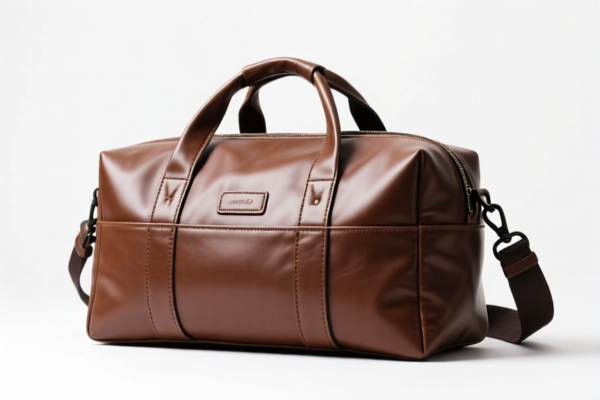
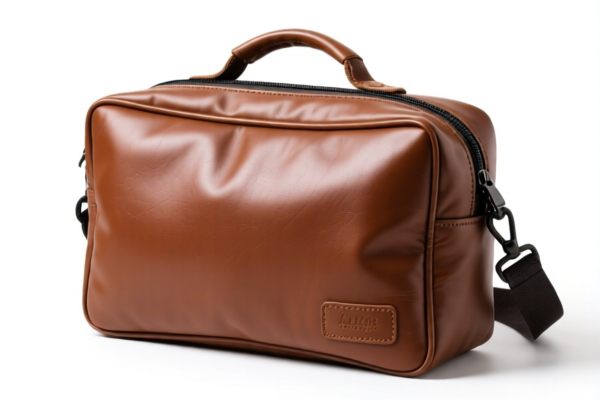
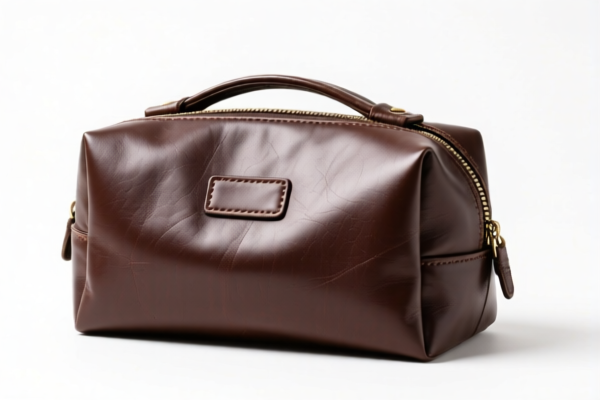
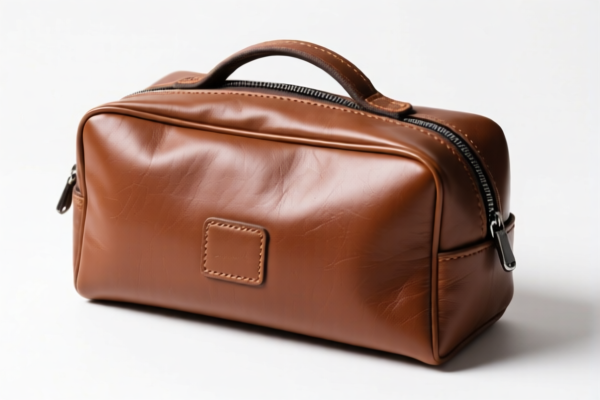
AI Analysis
🎒 Leather Insulated Bag: The Ultimate Guide to HS Classification & Tariff Strategy (2026)
🌐 HS Code Reference & Customs Clearance Guide | 2026 Updated Tariff Analysis | Professional通关 Strategy
📌 I. Product Definition & Classification: Do You Know Your "Leather Insulated Bag"?
The Leather Insulated Bag (often called a thermal bag, cooler bag, or insulated pouch) is a versatile container designed to maintain the temperature of contents (food, beverages, medical supplies). In international trade, its classification hinges on two critical factors: 1. Material Composition: Is the outer shell textile, plastic, or genuine leather? 2. Functionality: Is it a specialized container (pouch/bag) or a general packaging item?
⚠️ Key Differentiator:
- If the outer layer is primarily Textile/Fabric (even if lined with plastic/foam for insulation) → It is often classified as a Textile Bag.
- If the outer layer is primarily Plastic → It falls under Plastic Containers.
- If the item is a "Other" general purpose item with no specific material definition → It may fall under Textile Articles or Plastic Articles as a fallback.
📦 II. HS Code Classification Details (Based on 2026 Data & Logic)
Note: The following analysis is derived strictly from the provided DATA regarding the "Leather Insulated Bag" (or similar insulated pouches).
| HS Code | Product Description & Logic | Application Scenario | Material Logic |
|---|---|---|---|
| 4202.92.08.07 | Trunks, Suitcases, and Similar Containers (Textile/Leather Exterior) Matches: Insulated Bag, Exterior Textile. |
High-End Thermal Bags: Bags with a fabric/leather-like outer shell and insulated lining. | Based on common sense, the exterior is inferred to contain Textile Material. Fits "Other" subcategories for textile bags. |
| 3923.29.00.00 | Sacks & Bags, of Plastics (Other) Matches: Pouch Form, Plastic Material. |
Flexible Insulated Pouches: Bags made primarily of plastic film, coated materials, or synthetic sheets. | Inferred material: Plastic/Membrane. Matches "Pouch/Sack" form without a rigid structure. |
| 3923.90.00.80 | Articles for the Carrying/Conveyance of Goods (Plastic) Matches: Packaging/Container (Plastic). |
General Plastic Containers: Items serving as packaging or storage, inferred to be plastic. | Fallback classification for plastic articles. "Packaging or Carrying" function + Plastic material inference. |
| 6307.90.98.75 | Other Made-Up Textile Articles (Other) Matches: Finished Consumer Good, Thermal Function. |
Specific Thermal Wear/Accessories: Items classified as "Other Made-Up Articles" with no specific textile function like "Face Masks". | Inferred as a Finished Consumer Good. Uses the "Other" bucket for thermal items where specific textile categories don't fit perfectly. |
| 4202.92.08.09 | Trunks, Suitcases, Similar Containers (Textile/Leather Exterior - Other) Matches: Insulated Bag, Textile Outer. |
Similar to 4202.92.08.07: Distinct variant of textile-based insulated bags. | Inferred Textile Material on the exterior. "Other" classification within the same family as 07. |
🔍 Critical Logic Note:
- Why 4202?: Even if the bag is "leather-like," if it is insulated and flexible, it often falls under Chapter 42 (Articles of Leather) or Chapter 63 (Textiles) depending on the outer surface material. The data suggests an inference of Textile for the 4202 codes (likely "synthetic leather" or fabric).
- Why 3923?: If the "leather" is actually a plastic film coating or the bag is purely plastic-based (common for cheap coolers), it moves to Chapter 39.
💰 III. 2026 Detailed Tariff Rate Breakdown (Including Surcharges)
✅ Market Focus: United States (US)
✅ Origin: China (CN)
✅ Applicable Rules: Base Tariff + Section 301 (Added) + Section 122 (New)
🎯 1. Textile-Based Classification (HS: 4202.92.08.07 & 4202.92.08.09)
These codes carry the highest duty burden due to the "Textile/Leather" classification.
| Item | Content Details |
|---|---|
| Base Tariff | 7.0% (Standard MFN rate for bags). |
| Section 301 Surcharge | +25.0% (Section 301 added tariff on Chinese goods). |
| Section 122 Tariff | +10.0% (New 122 Section tariff on specific categories). |
| Total Effective Rate | 🔥 42.0% |
| Tax Calculation | CIF Value × 42.0% |
| De Minimis Exemption | ❌ NO. High tariff rates usually preclude small package exemptions. |
| Legal Basis | Base Tariff 7% + 301:25% + Sec122:10% |
📌 Interpretation:
- These codes assume the bag is made of or coated with Textile/Fabric.
- The 42% total rate makes these items significantly more expensive to import.
- Strategy: Avoid this classification unless the material is explicitly textile/leather. If it's plastic, this is an over-classification risk.
🎯 2. Plastic-Based Classification (HS: 3923.29.00.00 & 3923.90.00.80)
These codes are slightly more favorable but still carry the Section 122 burden.
| Item | Content Details |
|---|---|
| Base Tariff | 3.0% (Standard MFN rate for plastic containers). |
| Section 301 Surcharge | +25.0% (Section 301 added tariff). |
| Section 122 Tariff | +10.0% (New 122 Section tariff). |
| Total Effective Rate | 🔥 38.0% |
| Tax Calculation | CIF Value × 38.0% |
| De Minimis Exemption | ❌ NO. |
| Legal Basis | Base Tariff 3% + 301:25% + Sec122:10% |
📌 Interpretation:
- If the "leather" texture is actually Plastic/Polymer, these codes are the most logical.
- 38% is the new standard for plastic goods from China under current trade policies.
- Key Advantage: 4% lower than the textile-based codes.
🎯 3. "Other" Textile/Final Article (HS: 6307.90.98.75)
The most favorable option, but requires specific product attributes.
| Item | Content Details |
|---|---|
| Base Tariff | 7.0% (Standard MFN rate for "Other made-up textile articles"). |
| Section 301 Surcharge | 0.0% (Note: Some textile categories may be exempt from 301, depending on the specific list). |
| Section 122 Tariff | +10.0% (Section 122 Section tariff). |
| Total Effective Rate | 💰 17.0% |
| Tax Calculation | CIF Value × 17.0% |
| De Minimis Exemption | ❓ Depends (Section 122 may apply regardless). |
| Legal Basis | Base Tariff 7% + 0% 301 + Sec122:10% |
📌 Interpretation:
- This is the sweet spot (17% vs 38-42%).
- Condition: The item must be classified as a "Finished Consumer Good" or "Other Made-Up Article" rather than a "Bag" (4202) or "Container" (3923).
- Risk: Customs may dispute this if they deem the item primarily a "bag" or "container." It requires strong justification that it is a "thermal accessory" rather than a storage vessel.
🛠️ IV. Customs Clearance & Operational Advice (Avoid Pitfalls)
✅ 1. Material Verification (The Deciding Factor)
🚨 CRITICAL STEP: You MUST determine the exact outer surface material. - Is it Fabric/Leather? → Use 4202 codes (Tax: 42%). - Is it Plastic/Coated Fabric? → Use 3923 codes (Tax: 38%). - Is it a "Finished Good" with no specific bag shape? → Try 6307 (Tax: 17%) but prepare for dispute.
- Action: Request a Material Composition Test Report from your supplier. Do not guess.
- Documentation: Clearly state "Outer Shell: 100% Polyester" or "Outer Shell: PVC Plastic" on the commercial invoice.
✅ 2. Declaration Strategy (Smart Naming)
🔥 "Naming is Taxation!"
| Scenario | Recommended Description | Risk Level |
|---|---|---|
| Textile Bag | "Insulated Thermal Bag, Exterior: Polyester/Leather-like Fabric" | ⚠️ Medium (Subject to 301/122) |
| Plastic Pouch | "Plastic Insulated Cooler Pouch, Material: Polyethylene Film" | ⚠️ Medium (Subject to 301/122) |
| Generic Accessory | "Thermal Food Container, Non-Rigid, Textile Composite" | 🟡 High (Risks re-classification to 4202 or 3923) |
💡 Pro Tip: If the item is truly a "Leather" product (Genuine Leather), it might fall under Chapter 42 (4202) but could have different base rates. However, most "leather" bags on the market are Synthetic Leather (PU), which is often treated as Plastic (3923) or Textile (6307/4202).
✅ 3. Section 122 & 301 Compliance
- Section 301 (25%): Applies to almost all Chinese goods in these categories. Do not expect exemption.
- Section 122 (10%): A newer levy. Ensure your HS Code is updated for 2026 to avoid underpayment penalties.
- Combined Effect: The total duty (38% or 42%) is NOT negotiable. It is statutory.
✅ 4. Special Circumstances
| Situation | Advice |
|---|---|
| OEM/Private Label | Ensure the "Made in China" label is clear. If the bag is made in Vietnam/Mexico, 301 exemptions may apply. |
| Small Orders (De Minimis) | Even if the value is low, the 42% rate applies. No Section 321 exemption for these high-tariff categories. |
| Dispute with Customs | If Customs targets 6307 (17%) but you used 4202 (42%), provide photos proving the "Other" nature. If they target 3923 (38%) but you used 6307, prove the material is textile, not plastic. |
🌍 V. Market Comparison (2026 Tariff Landscape)
| Destination | Recommended HS Code | Total Duty Rate | Risk Level |
|---|---|---|---|
| 🇺🇸 USA | 4202.92.08.07 (Textile) | 42.0% | 🔴 High (Strict classification) |
| 🇺🇸 USA | 3923.29.00.00 (Plastic) | 38.0% | 🔴 High (High volume) |
| 🇺🇸 USA | 6307.90.98.75 (Other) | 17.0% | 🟡 Medium (Requires justification) |
| 🇨🇳 China | N/A (Import to China) | Varies | 🟢 Low |
| 🇪🇺 EU | Similar Codes | Varies (No 301) | 🟢 Lower |
📌 Conclusion: The US market is the most expensive for "Leather Insulated Bags" due to the Section 122 + Section 301 combo. The 17% rate (6307) is a potential saving, but only if the product structure allows.
📌 VI. Common Pitfalls & "Blood & Tears" Lessons
❌ Pitfall 1: Misidentifying Material
Assuming "Leather" means Chapter 42 (4202) when it's actually Plastic.
Result: You pay 42% when you could have paid 38% (or 17%).
❌ Pitfall 2: Ignoring Section 122
Using old HS Codes that don't reflect the new 10% tariff.
Result: Customs seizure + Back-taxes + Interest.
❌ Pitfall 3: Splitting the Bill
Trying to separate the "insulation lining" from the "bag" to avoid duties.
Result: Customs sees the whole item. Total duty applies to the whole value.
✅ Best Practice:
1. Verify Material: Get a lab report.
2. Check Origin: If not China, 301 might not apply.
3. Use the Lowest Valid Rate: If it's textile-based, argue for 6307 (17%) over 4202 (42%).
4. Prepare Docs: Invoice + Specs + Material Test + Photos.
🎯 VII. Final Verdict: Strategic Action Plan
- Immediate Audit: Check your supplier's Bill of Materials. Is the outer shell Plastic or Textile?
- Target 6307: If the item is a flexible thermal accessory (not a rigid container), attempt to classify under 6307.90.98.75 to hit the 17% rate. Prepare a detailed description of the "Other" nature.
- Fallback to 3923: If 6307 is rejected and the outer layer is plastic, declare under 3923.29.00.00 (38%).
- Avoid 4202: Unless it is genuinely leather/textile and cannot be classified otherwise, avoid 4202 (42%) if possible due to the high cost.
🚀 Your Move:
Don't guess the HS Code. Calculate the cost. Choose the safest, lowest path.
📞 Contact your Customs Broker TODAY with the Material Test Report.
✨ Smart Classification = Maximum Profit!
💼 Your Margin is in the Details!
Customer Reviews
About HS Code Classification
The Harmonized System (HS) is an internationally standardized nomenclature developed by the World Customs Organization (WCO) to classify traded products. Over 200 countries use the HS system as the basis for customs tariffs, trade statistics, and import/export regulations.
Each HS code follows a hierarchical structure:
- Chapter (2 digits) — Broad category of goods (e.g., Chapter 84: Machinery and Mechanical Appliances)
- Heading (4 digits) — More specific grouping within the chapter
- Subheading (6 digits) — Internationally standardized breakdown, used by all WCO member countries
- National subdivisions (8-10 digits) — Country-specific extensions for further classification, such as US HTSUS 10-digit codes
Correct HS code classification is essential for smooth customs clearance, accurate duty payment, and compliance with trade regulations. Misclassification can lead to customs delays, overpayment of duties, or penalties.
When importing from CN to US, the applicable tariff rates may include:
- Most-Favored-Nation (MFN) rate — The standard duty rate applied to WTO members
- General rate — Applied to countries without trade agreements
- Trade remedy duties — Additional tariffs such as Section 301 (anti-dumping), Section 232 (national security), or countervailing duties
The information provided on this page is for reference purposes only. For official classification, please consult with your local customs authority or a licensed customs broker.