Leather Label
CN → USProduct Images
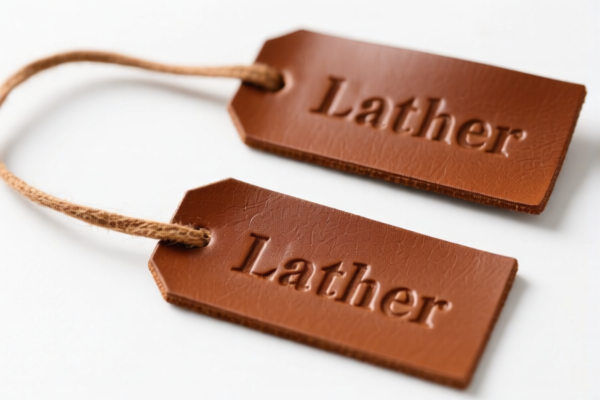
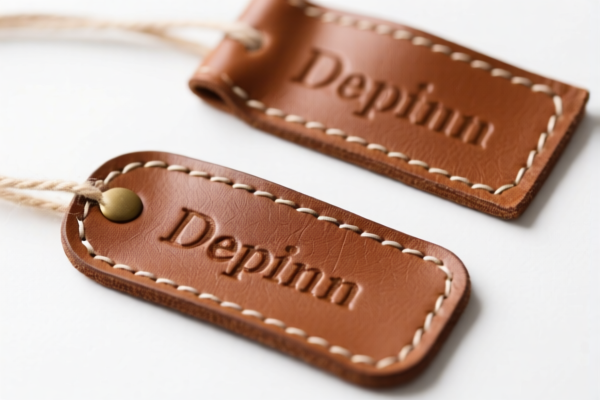
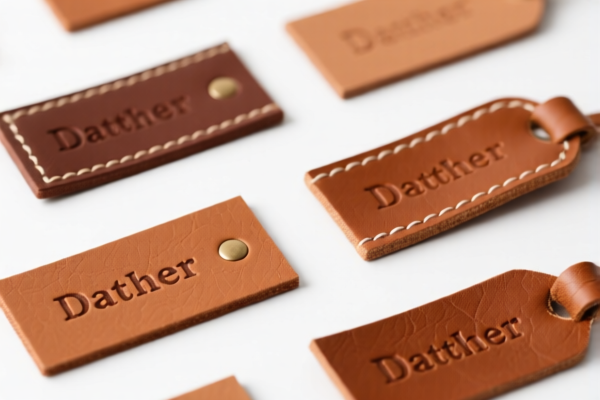

AI Analysis
🏷️ Leather Label / Leather Patch (Leather Goods Accessories)
🌐 HS Code Reference & Customs Clearance Guide | 2026 Latest Tariff Analysis | Professional Compliance Strategy
📌 Part 1: Product Definition & Classification: Do You Really Know What a "Leather Label" Is?
In international trade, "Leather Label" (often referred to as a Leather Patch, Tag, or Emblem) is a decorative or informational accessory made from genuine leather, synthetic leather, or other leather substitutes. It is primarily used on shoes, bags, clothing, and accessories to display brand logos, care instructions, or size information.
Internationally, these are classified based on material composition and state of processing:
1. Genuine Leather Labels: Made from whole hide, split leather, or reconstituted leather (puled leather). 2. Artificial/Synthetic Leather Labels: Made from PVC, PU, or other plastic materials with a leather-like appearance. 3. Mixed Material Labels: Leather combined with metal rivets, plastic backs, or printed fabrics.
⚠️ Key Distinction Point:
- If made of Genuine Leather (tanned, processed) → Generally falls under Chapter 41 or 42.
- If made of Synthetic Materials (PVC, PU, Textile) → Generally falls under Chapter 39, 59, or 63.
- If it is a textile tag with a leather patch attached → The classification depends on the "essential character" or specific country rules (e.g., US often classifies based on the primary material).
📦 Part 2: HS Code Classification Details (2026 Latest Tariff Authority Comparison)
| HS Code | Product Description | Applicable Scenario | Material Composition |
|---|---|---|---|
4205.00.10.00 |
Leather or composition leather saddlery and harness goods | High-end leather brand patches, thick genuine leather tags | ✅ Genuine/Reconstituted Leather |
4205.00.90.90 |
Other articles of leather or composition leather | Thin leather labels, embroidered leather patches, small accessories | ✅ Genuine/Reconstituted Leather |
5903.90.60.00 |
Textile fabrics impregnated, coated, covered or laminated with plastics | Synthetic leather labels (PVC/PU coated fabric), vinyl tags | ❌ Synthetic/Plastic-based |
6307.90.98.98 |
Other made-up articles, incl. dress patterns | Composite tags (e.g., leather + cardboard + string), care labels with leather trim | ❌ Mixed/Composite |
3926.90.98.98 |
Other articles of plastics and articles of other materials of heading 3901 to 3914 | Rigid plastic patches with leather print (if classified as plastic article) | ❌ Plastic-dominated |
5609.00.00.00 |
Articles of yarn, strip or the like of heading 5404 or 5405, ropes, cords, plaiting, braiding, tapestries, not further worked | Often used for textile tags with leather accents if deemed "accessories of textile nature" | ❌ Textile-dominated |
🔍 Key Reminder:
- US Customs (CBP) often classifies leather patches on shoes/bags under Chapter 42 if they are considered "parts/accessories of goods of chapter 42," but standalone labels are often 4205.00.
- If the label is embroidered on leather, it still generally falls under 4205.00.90.90.
- Synthetic leather (PVC/PU) is NOT classified under Chapter 42. It falls under 5903.90 (plastic-coated textile) or 3926 (plastic articles).
💰 Part 3: 2026 Latest Tariff Rate Details (Including Surtaxes, Policy Add-ons)
✅ Applicable Country: United States (US)
✅ Country of Origin: China (CN)
✅ Effective Date: November 10, 2025 onwards (including subsequent imports)
🎯 1. 4205.00.90.90 —— Other Articles of Genuine Leather (Most Common for High-End Leather Labels)
| Item | Content |
|---|---|
| Base Rate | 0% (ad valorem) for many leather goods, but check specific sub-head |
| USITC Surtax | +25% (Under USITC Footnote 9903.42.00 or related trade actions) |
| IEEPA Surtax | +10% (On China/HK products, effective Nov 10, 2025) |
| Total Tariff | 35% (if base is 0%) or higher if base rate applies |
| Tax Calculation | CIF Value × Total Rate |
| De Minimis Eligibility | ❌ No (deny_de_minimis for China-origin goods under Section 301/IEEPA) |
| Legal Basis Path | IEEPA:9903.01.25 → USITC:4205.00.90.90 → FOOTNOTE:9903.88.01 |
📌 Explanation:
- Even though base rates for leather articles can be low (0-5%), the 25% USITC surcharge and 10% IEEPA surcharge apply to most leather goods from China.
- Total Effective Rate: ~35-40%.
- Critical: Do not assume "leather" means low tax. The 301 tariff and IEEPA add-ons are significant.
🎯 2. 5903.90.60.00 —— Synthetic Leather Labels (PVC/PU Coated)
| Item | Content |
|---|---|
| Base Rate | 0-5.3% (varies by specific plastic coating) |
| USITC Surtax | +25% (Plastics/Artificial Leather often included in 301 list) |
| IEEPA Surtax | +10% (China-origin) |
| Total Tariff | 35-40% |
| De Minimis Eligibility | ❌ No |
| Legal Basis Path | IEEPA:9901.25 → USITC:5903.90.60.00 → FOOTNOTE:9903.88.01 |
📌 Note:
- Synthetic leather labels are often cheaper to produce but face similar high tariffs as genuine leather.
- Ensure you do not misclassify PVC labels as "leather" (4205). If caught, penalties apply.
🎯 3. 6307.90.98.98 —— Mixed/Composite Labels (e.g., Leather + Cardboard + String)
| Item | Content |
|---|---|
| Base Rate | 4.5-8.5% |
| USITC Surtax | +25% |
| IEEPA Surtax | +10% |
| Total Tariff | 40-44% |
| De Minimis Eligibility | ❌ No |
📌 Note:
- Mixed materials often trigger higher base rates.
- Classification is complex; ensure the "essential character" test is applied correctly.
🛠️ Part 4: Customs Clearance Practical Advice (Real-World Pitfall Guide)
✅ 1. Required Documents Checklist (None Can Be Omitted)
| Document | Mandatory | Description |
|---|---|---|
| ✅ Product Specification Sheet | ✔️ | Must detail material (Genuine vs. Synthetic), dimensions, weight, and attachment method. |
| ✅ Material Composition Statement | ✔️ | Explicitly state: "100% Genuine Leather" or "PVC Coated Fabric." Do not use vague terms like "Leather-like." |
| ✅ Product Photos (With & Without Packaging) | ✔️ | Show texture, stitching, backing (fabric/paper/plastic), and logo. |
| ✅ Third-Party Test Report | ✔️ | REACH, Prop 65 (if CA), CPSIA (if for children's products). |
| ✅ Commercial Invoice | ✔️ | Clearly describe as "Leather Labels for Use in Handbag Manufacturing." |
| ✅ Packing List | ✔️ | Indicate if shipped separately or attached to finished goods. |
✅ 2. Declaration Tips (Key Mantra)
🔥 "Material Defines Code, Honesty Saves Time, Vague Terms Get Stuck!"
| Scenario | Correct Declaration Method | Wrong Practice |
|---|---|---|
| Genuine Leather Patch | 4205.00.90.90 - "Genuine Leather Brand Label" |
Calling it "Textile Patch" → Audit Risk |
| Synthetic (PVC) Label | 5903.90.60.00 - "PVC Coated Fabric Label" |
Calling it "Leather Label" → Misclassification |
| Embroidered Leather | 4205.00.90.90 - "Embroidered Leather Patch" |
Calling it "Embroidery" (Chapter 61/62) → Wrong Chapter |
| Attached to Shoes | Classify as part of shoes (Chapter 64) if shipped assembled |
Declaring separately if already attached → Inventory Mismatch |
✅ 3. Special Cases Handling
| Scenario | Handling Advice |
|---|---|
| OEM Private Label | Provide client's authorization letter to avoid IP disputes. |
| Children's Products | If labels are on children's bags, ensure CPSIA compliance (lead/phthalate testing). |
| Recycled Leather | May qualify for different sub-heads; provide recycling documentation. |
| Labels Shipped with Finished Goods | If attached, do not declare separately. Declare as "Handbag, Leather, with Label." |
🌍 Part 5: Global Market Customs Comparison (2026 Latest)
| Country/Region | Recommended HS Code | Tariff | Certification Required | Notes |
|---|---|---|---|---|
| 🇺🇸 USA | 4205.00.90.90 |
~35-40% | REACH, Prop 65 | High surtaxes apply. |
| 🇨🇳 China | 4205.00.90.90 |
5-10% | N/A | Low base rate, no surtaxes. |
| 🇪🇺 EU | 4205.00.90 |
0-12% | REACH, SVHC | Depends on leather treatment. |
| 🇬🇧 UK | 4205.00.90 |
0-12% | UKCA, REACH | Post-Brexit rules apply. |
| 🇯🇵 Japan | 4205.00.90 |
10-15% | PSE (if plastic) | No surtaxes for leather. |
📌 Conclusion:
- USA has the highest effective cost due to 301/IEEPA surcharges.
- EU/UK focus on environmental compliance (REACH, tanning chemicals).
- China is the lowest cost origin but faces export barriers in the US.
📌 Part 6: Common Mistakes & Pitfalls (Blood & Tears Lessons)
❌ Mistake 1: Calling PVC labels "Leather"
👉 Consequence: Customs may reclassify to plastic codes, leading to additional duties or penalties for misdeclaration.
❌ Mistake 2: Ignoring "Essential Character" for mixed labels
👉 Consequence: If a label has a leather patch on a cardboard back, US may classify it as a leather article (4205) or textile (6307). Inconsistent classification leads to audits.
❌ Mistake 3: Failing to disclose Children's Product Use
👉 Consequence: If labels are for children's bags, lack of CPSIA test reports leads to goods seizure.
❌ Mistake 4: Vague Description "Leather Tag"
👉 Consequence: Customs cannot determine duty rate. Leads to delays, inspections, and storage fees.
✅ Correct Practice:
"Leather Brand Label, Genuine Cowhide, Embroidered Logo, 5x3cm, for Handbag Use, HS Code 4205.00.90.90, Made in China"
🎯 Part 7: Conclusion: Precision Classification, Cost Control!
🎯 Remember the Mantra:
🔹 "Genuine Leather → 4205, Synthetic → 5903, Mixed → 6307."
🔹 "US Tariff = Base + 25% (301) + 10% (IEEPA) = ~35-40%."
🔹 "Be Honest, Be Precise, Save Time and Money."
📌 Pro Tip:
- If shipping small quantities (under $800) to the US, check if de minimis still applies. Note: As of 2025, many leather/plastic products from China are excluded from de minimis.
- Pre-ruling: Apply for an Advance Ruling (CBP Ruling) before bulk shipment to confirm the HS code and tariff liability.
📣 Immediate Action:
📞 Contact a licensed customs broker + Provide material specs + Request HS Code pre-ruling.
🚀 Ensure your leather labels clear customs smoothly, avoid costly delays, and protect your profit margins!
✨ Professional Clearance Starts with Accurate Classification!
💼 Every Cent of Duty Counts!
Customer Reviews
About HS Code Classification
The Harmonized System (HS) is an internationally standardized nomenclature developed by the World Customs Organization (WCO) to classify traded products. Over 200 countries use the HS system as the basis for customs tariffs, trade statistics, and import/export regulations.
Each HS code follows a hierarchical structure:
- Chapter (2 digits) — Broad category of goods (e.g., Chapter 84: Machinery and Mechanical Appliances)
- Heading (4 digits) — More specific grouping within the chapter
- Subheading (6 digits) — Internationally standardized breakdown, used by all WCO member countries
- National subdivisions (8-10 digits) — Country-specific extensions for further classification, such as US HTSUS 10-digit codes
Correct HS code classification is essential for smooth customs clearance, accurate duty payment, and compliance with trade regulations. Misclassification can lead to customs delays, overpayment of duties, or penalties.
When importing from CN to US, the applicable tariff rates may include:
- Most-Favored-Nation (MFN) rate — The standard duty rate applied to WTO members
- General rate — Applied to countries without trade agreements
- Trade remedy duties — Additional tariffs such as Section 301 (anti-dumping), Section 232 (national security), or countervailing duties
The information provided on this page is for reference purposes only. For official classification, please consult with your local customs authority or a licensed customs broker.