Leather Phone Pouch
CN → US| HS Code | Tariff Rate | Origin | Destination | Doc |
|---|---|---|---|---|
| 4202316000 | 43.0% | CN | US | Official Doc |
| 4202313000 | 38.7% | CN | US | Official Doc |
Product Images
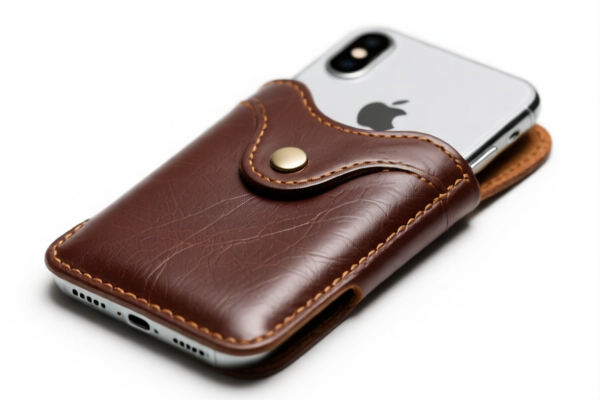
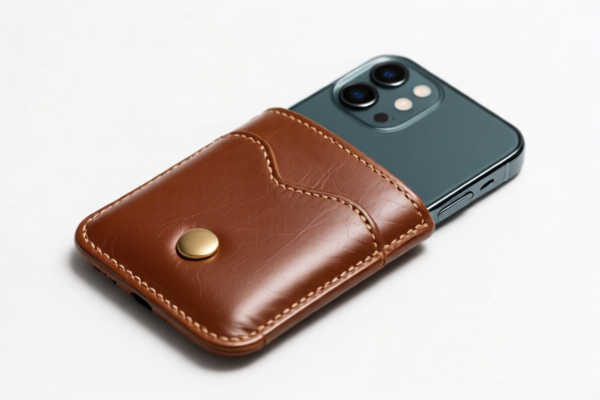
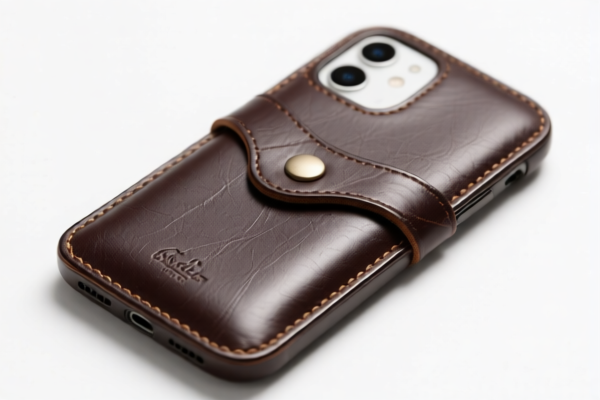
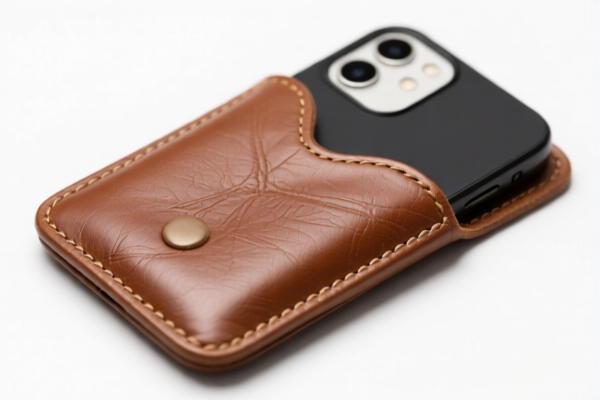
AI Analysis
📱 Leather Phone Pouch (Mobile Phone Case/Pouch)
🌐 HS Code Reference & Clearance Guide | 2026 Latest Tariff Analysis
A Leather Phone Pouch is a protective accessory designed to hold a mobile phone, typically made of genuine leather, synthetic leather (PU), or fabric with leather accents. In international trade, the classification depends heavily on: 1. Material (Leather vs. Plastic vs. Textile) 2. Function (Protection vs. Fashion Accessory) 3. Specific Design (Does it have a built-in battery? Does it look like a wallet?)
⚠️ Critical Distinction:
- If it is primarily for protection and made of leather → Often classified under 4202 (Travel goods, handbags, wallet-style cases).
- If it is a simple sleeve without complex structure → May fall under 3926 (Plastic articles) or 4202 depending on lining.
- If it is smart/functional (e.g., has wireless charging, screen integration) → Could be 8517 (Electrical apparatus), but pure pouches are rarely classified here unless they contain significant electronic components.
📦 II. HS Code Classification Details (2026 Latest Tariff Authority)
| HS Code | Product Description | Applicable Scenario | Material |
|---|---|---|---|
4202.31.00 |
Wallet-style cases, slipcases, and passport covers (of leather or composition leather) | Most Common: Leather phone pouches with card slots, zippers, or snaps. | ✅ Genuine Leather / PU Leather |
4202.32.00 |
Wallet-style cases (of sheeting of plastic, textile materials, or vulcanized fiber) | Synthetic leather, fabric, or plastic-based phone cases. | ❌ Not Leather |
4202.92.00 |
Other articles (of plastic sheeting or textile materials) | Simple sleeves or non-wallet-style protective covers. | ❌ Not Leather |
3926.90.99 |
Other articles of plastics | Cheap, rigid, or semi-rigid plastic cases (not soft pouches). | ❌ Plastic Only |
4202.91.00 |
Handbags, shopping bags, etc. | Rarely used for phone pouches unless oversized. | ❌ N/A |
8517.13.00 |
Hand-held wireless telephones | If the pouch contains a battery, screen, or communication device. | ⚠️ Electronic Components |
🔍 Key Note:
-4202.31.00is the most accurate for leather phone pouches that resemble wallets or have protective flaps.
- If the pouch is simple (no card slots, just a sleeve), customs may still accept4202.31.00if made of leather, but some countries may classify it as4202.92.00(Other articles).
- Never classify a pure leather pouch as3926(Plastics) if it is leather, even if it has synthetic lining.
💰 III. 2026 Latest Tariff Rate Details (Including Surcharges)
✅ Applicable Country: United States (US)
✅ Country of Origin: China (CN)
✅ Effective Date: November 10, 2025 (and ongoing)
🎯 1. 4202.31.00 —— Leather Wallet-Style Phone Pouches
| Item | Detail |
|---|---|
| Base Tariff Rate | Free (0%) (ad valorem) |
| USITC Section 301 Surcharge | +7.5% (Footnote 9903.88.01) |
| IEEPA Surcharge (China) | +10% (Against Chinese/HK products, effective Nov 10, 2025) |
| Total Tariff Rate | 17.5% |
| Tax Calculation | CIF Value × 17.5% |
| De Minimis Exemption | ❌ Denied (deny_de_minimis) |
| Legal Basis Path | IEEPA:9903.01.25 → USITC:4202.31.00 → FOOTNOTE:9903.88.01 |
📌 Explanation:
- Base Rate 0%: Under HTSUS, most leather articles of Chapter 42 have a 0% base rate.
- Section 301 Tariff: Leather goods from China are subject to a 7.5% surcharge under USITC Footnote 9903.88.01.
- IEEPA Tariff: An additional 10% is added under the International Emergency Economic Powers Act for Chinese goods.
- Total 17.5%: This is significant and must be factored into your pricing strategy.
🎯 2. 4202.32.00 —— Synthetic Leather Phone Pouches
| Item | Detail |
|---|---|
| Base Tariff Rate | Free (0%) |
| USITC Section 301 Surcharge | +7.5% |
| IEEPA Surcharge | +10% |
| Total Tariff Rate | 17.5% |
| Tax Calculation | CIF × 17.5% |
| De Minimis Exemption | ❌ Denied |
📌 Note:
- Synthetic leather (PU) is often grouped with leather for tariff purposes in Chapter 42.
- Same 17.5% total rate applies.
🛠️ IV. Clearance Practical Advice (Battle-Tested Pitfall Avoidance)
✅ 1. Required Documentation (Non-negotiable)
| Document | Must Provide | Notes |
|---|---|---|
| ✅ Product Specification Sheet | ✔️ | Material composition (e.g., 100% Genuine Leather, Polyurethane lining), dimensions, weight. |
| ✅ Product Photos | ✔️ | Clear images of the pouch, interior (card slots?), exterior, and packaging. |
| ✅ Commercial Invoice | ✔️ | Must describe item as "Leather Phone Pouch" or "Phone Case (Leather)", NOT "Phone Accessory" or "Fashion Bag". |
| ✅ Certificate of Origin (CO) | ✔️ | If shipped from Vietnam/Mexico, claim GSP/USMCA benefits to avoid tariffs. |
| ✅ Landing Permit (if applicable) | ✔️ | Not usually required for leather goods, but check for specific country rules. |
✅ 2. Declaration Tips (Golden Rules)
🔥 "Leather Leather, Not Plastic; Wallet Style, Class 4202; China Origin, Pay 17.5%!"
| Scenario | Correct Declaration | Wrong Approach |
|---|---|---|
| Leather Phone Pouch with Card Slots | 4202.31.00 (Wallet-style) |
Misdeclare as "Fashion Bag" (4202.92.00) → Risk of audit |
| Simple Leather Sleeve (No Slots) | 4202.31.00 or 4202.92.00 |
Declare as "Plastic Case" (3926) → False declaration |
| Smart Pouch with Charging Port | 8517.13.00 (if electronic) |
Declare as "Leather Pouch" → Customs may seize for misclassification |
| Origin: Vietnam | Claim GSP/TPP Benefits | Ship from China → Pay 17.5% tariff |
✅ 3. Special Cases & Solutions
| Case | Handling Advice |
|---|---|
| OEM Custom Pouch | Provide customer PO + design specs. Avoid "Generic" descriptions. |
| Mixed Materials | If >50% leather → Classify under 4202. If mixed with fabric, still 4202 if leather is principal material. |
| Sample Shipments | Mark as "Non-Commercial Sample". Still subject to tariff if value >$800 (de minimis threshold for US is $800, but China origin is exempt from de minimis for Section 301 goods!). |
| High-Value Luxury Pouch | Ensure invoice reflects true value. Customs may scrutinize under-declaring. |
🌍 V. Global Market Comparison (2026 Latest)
| Country/Region | Recommended HS Code | Tariff (China Origin) | Certification | Notes |
|---|---|---|---|---|
| 🇺🇸 USA | 4202.31.00 |
17.5% (301 + IEEPA) | None | High tariff due to China origin |
| 🇨🇳 China | 4202.31.00 |
5% | CCC (if electronic) | Low import tax |
| 🇪🇺 EU | 4202.31.00 |
4% (if genuine leather) | CE (if electronic) | No surcharge, but anti-dumping checks |
| 🇬🇧 UK | 4202.31.00 |
4% | UKCA | Post-Brexit rules |
| 🇦🇺 Australia | 4202.31.00 |
5% | RCM (if electronic) | No surcharge |
| 🇯🇵 Japan | 4202.31.00 |
0% | PSE (if electronic) | FTA benefits available |
📌 Conclusion:
- USA is the most expensive market due to Section 301 and IEEPA tariffs.
- EU, UK, Australia, Japan have lower or zero tariffs for leather goods.
- Consider shifting production to Vietnam, India, or Thailand to avoid US tariffs.
📌 VI. Common Errors & Pitfalls (Lessons Learned)
❌ Error 1: Declaring a leather pouch as "Plastic Case" (3926)
👉 Consequence: Penalty for false declaration. Even if it has plastic lining, if leather is principal material, it’s 4202.
❌ Error 2: Not declaring China Origin correctly
👉 Consequence: Loss of de minimis exemption. Even if value < $800, China-origin goods under Section 301 do not qualify for de minimis. You must pay 17.5% even for small shipments.
❌ Error 3: Calling it "Phone Case" without material description
👉 Consequence: Customs may classify as Plastic (3926) or Textile (6307), leading to additional duties or audits.
✅ Correct Practice:
"Leather Phone Pouch, 100% Genuine Leather, with Card Slots, Model ABC, No Electronic Components"
🎯 VII. Conclusion: Smart Classification, Lower Costs!
🎯 Remember the Rule:
🔹 "Leather Pouch = 4202.31.00"
🔹 "China Origin = 17.5% Total Tariff (US)"
🔹 "De Minimis Does Not Apply to China Goods in US!"
📌 Pro Tip:
If your leather phone pouch is manufactured in Vietnam, India, or Thailand, you can claim preferential tariffs (0-5%) under USMCA, ASEAN, or GSP.
👉 Action: Obtain a Certificate of Origin from your overseas factory to save 12.5%+ in tariffs.
📣 Immediate Action:
📞 Contact a licensed customs broker + Provide product photos + Material Composition Report
🚀 Ensure accurate HS Code to avoid delays, fines, or seizures.
✨ Professional Classification Starts with Precision!
💼 Every Percent Saved is Pure Profit!
Customer Reviews
About HS Code Classification
The Harmonized System (HS) is an internationally standardized nomenclature developed by the World Customs Organization (WCO) to classify traded products. Over 200 countries use the HS system as the basis for customs tariffs, trade statistics, and import/export regulations.
Each HS code follows a hierarchical structure:
- Chapter (2 digits) — Broad category of goods (e.g., Chapter 84: Machinery and Mechanical Appliances)
- Heading (4 digits) — More specific grouping within the chapter
- Subheading (6 digits) — Internationally standardized breakdown, used by all WCO member countries
- National subdivisions (8-10 digits) — Country-specific extensions for further classification, such as US HTSUS 10-digit codes
Correct HS code classification is essential for smooth customs clearance, accurate duty payment, and compliance with trade regulations. Misclassification can lead to customs delays, overpayment of duties, or penalties.
When importing from CN to US, the applicable tariff rates may include:
- Most-Favored-Nation (MFN) rate — The standard duty rate applied to WTO members
- General rate — Applied to countries without trade agreements
- Trade remedy duties — Additional tariffs such as Section 301 (anti-dumping), Section 232 (national security), or countervailing duties
The information provided on this page is for reference purposes only. For official classification, please consult with your local customs authority or a licensed customs broker.