Leather Photo Album
CN → US| HS Code | Tariff Rate | Origin | Destination | Doc |
|---|---|---|---|---|
| 3926909989 | 22.8% | CN | US | Official Doc |
| 4202190000 | 55.0% | CN | US | Official Doc |
| 4205008000 | 35.0% | CN | US | Official Doc |
| 3926904800 | 13.4% | CN | US | Official Doc |
| 4202110030 | 43.0% | CN | US | Official Doc |
Product Images
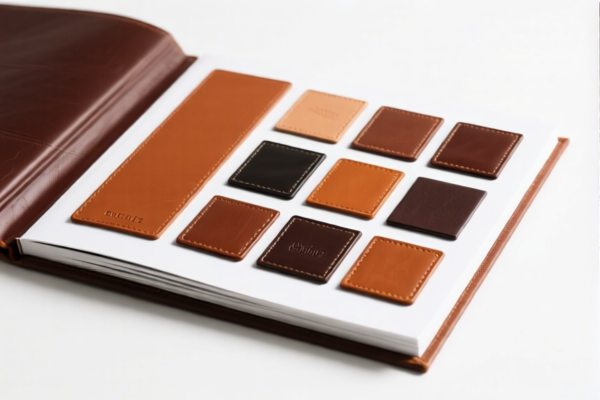
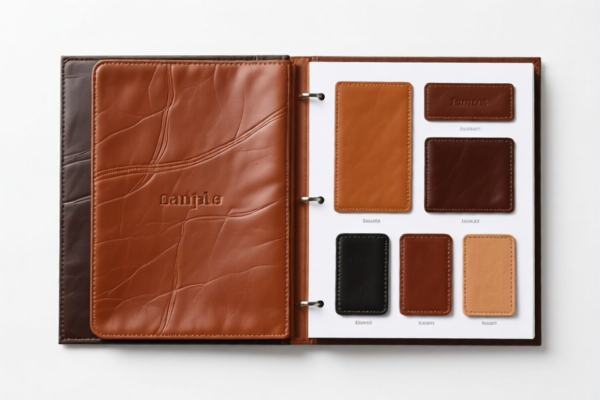
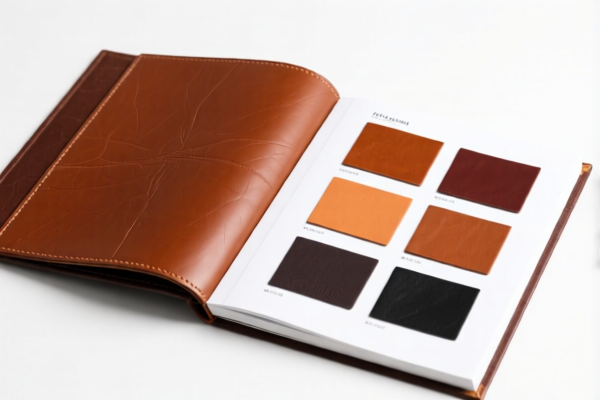
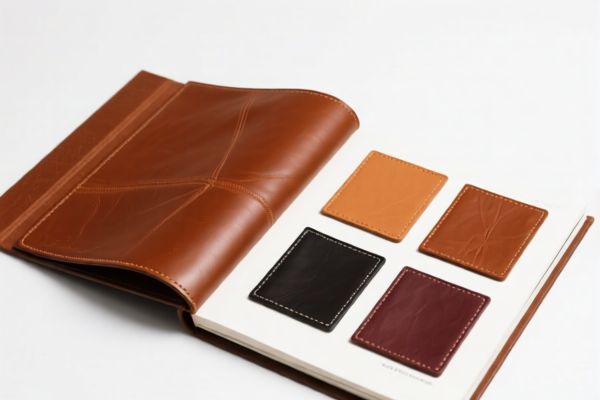
AI Analysis
📸 Leather Photo Album (Tanned Leather Cover)
🌐 HS Code Reference & Customs Clearance Guide | 2026 Latest Tariff Analysis | Strategic Clearance Strategy
📌 I. Product Definition & Classification: Understanding the "Leather Photo Album"
A Leather Photo Album is a finished good used for storing photographs. In international trade, its classification hinges on two critical factors: Material Composition and Form/Function.
Primary Material: Tanned Leather (or leather-covered surfaces). Function: Storage container/book-like structure for images.
⚠️ Key Classification Conflict:
- If classified as Plastic/Synthetic Articles (e.g., plastic-coated leather or synthetic composite with plastic as primary material) → Chapter 39.
- If classified as Leather Goods (genuine tanned leather) → Chapter 42.
- Crucial Distinction: The US Customs and Border Protection (CBP) strictly distinguishes between "Leather Articles" and "Articles of Plastic." Misclassification leads to massive tariff discrepancies (from ~13% to ~55%).
📦 II. HS Code Classification Details (2026 Latest Tariff Authority Comparison)
Based on the provided data, there are 5 potential HS Codes depending on the specific material composition andCBP interpretation.
| HS Code | Product Description | Basis for Classification | Total Tax Rate |
|---|---|---|---|
3926.90.99.89 |
Other articles of plastic; Leather albums classified under plastic/synthetic category | Material/Form Match: Treated as plastic/synthetic material due to composition or finishing; fits "Other articles" residual category. | 22.8% |
4202.19.00.00 |
Trunks, suitcases, handbags, travel sets... | Form/Material Match: Album considered a "similar container/book"; Material is tanned leather. Fits leather/synthetic covering logic. | 55.0% |
4205.00.80.00 |
Other articles of leather or of composition leather | Material Only: Tanned leather content matches leather goods requirements; form is secondary. | 35.0% |
3926.90.48.00 |
Other plastic articles | Usage/Form Match: Assumed plastic/synthetic decorative elements or inner pages dominate; no material conflict noted. | 13.4% |
4202.11.00.30 |
With outer surface of leather or composition leather | Material/Function Match: Tanned leather exterior + book/album form; aligns with container logic. | 43.0% |
🔍 Key Insight:
- Lowest Risk/Lowest Tax:3926.90.48.00(13.4%) if plastic/synthetic dominance can be proven.
- Highest Risk/Highest Tax:4202.19.00.00(55.0%) if classified strictly as leather luggage/accessories.
- Middle Ground:4202.11.00.30(43.0%) and4205.00.80.00(35.0%) for genuine leather goods.
💰 III. 2026 Latest Tariff Rate Breakdown (Including Surtaxes & Policy Add-ons)
✅ Applicable Country: United States (US)
✅ Origin: China (CN)
✅ Effective Date: November 10, 2025 (and subsequent imports)
🎯 1. 3926.90.99.89 – Articles of Plastic (Synthetic Leather Focus)
| Item | Details |
|---|---|
| Base Tariff | 5.3% |
| Section 301 Surcharge | 7.5% |
| IEEPA Section 122 Tariff | 10% |
| Total Effective Rate | 22.8% |
| Tax Calculation | CIF Value × 22.8% |
| De Minimis Exemption | ❌ Not Eligible |
| Legal Path | IEEPA:9903.01.24 → USITC:3926.90.99.89 → FOOTNOTE:9903.88.01 |
📌 Explanation:
- Classified under plastic articles, but still subject to Section 301 (7.5%) and IEEPA Section 122 (10%).
- Total 22.8% is moderate but significantly lower than pure leather classifications.
🎯 2. 4202.19.00.00 – Leather Containers/Books (High Tax Trap)
| Item | Details |
|---|---|
| Base Tariff | 20.0% |
| Section 301 Surcharge | 25.0% |
| IEEPA Section 122 Tariff | 10% |
| Total Effective Rate | 55.0% |
| Tax Calculation | CIF Value × 55.0% |
| De Minimis Exemption | ❌ Not Eligible |
| Legal Path | IEEPA:9903.01.24 → USITC:4202.19.00.00 → FOOTNOTE:9903.88.01 |
📌 Warning:
- This is the highest risk classification.
- The 25% Section 301 surcharge applies heavily to leather goods from China.
- Total 55% can erode profit margins completely. Avoid if possible.
🎯 3. 4205.00.80.00 – Other Leather Articles
| Item | Details |
|---|---|
| Base Tariff | 0.0% |
| Section 301 Surcharge | 25.0% |
| IEEPA Section 122 Tariff | 10% |
| Total Effective Rate | 35.0% |
| Tax Calculation | CIF Value × 35.0% |
| De Minimis Exemption | ❌ Not Eligible |
| Legal Path | IEEPA:9903.01.24 → USITC:4205.00.80.00 → FOOTNOTE:9903.88.01 |
📌 Note:
- Base tariff is 0%, but Section 301 (25%) and IEEPA (10%) still apply.
- 35% is a safe middle ground for genuine leather goods.
🎯 4. 3926.90.48.00 – Plastic/Synthetic Articles (Lowest Tax)
| Item | Details |
|---|---|
| Base Tariff | 3.4% |
| Section 301 Surcharge | 0.0% |
| IEEPA Section 122 Tariff | 10% |
| Total Effective Rate | 13.4% |
| Tax Calculation | CIF Value × 13.4% |
| De Minimis Exemption | ❌ Not Eligible |
| Legal Path | IEEPA:9903.01.24 → USITC:3926.90.48.00 → FOOTNOTE:9903.88.01 |
📌 Opportunity:
- Only 13.4% total tax.
- No Section 301 surcharge (0%).
- Justification: If the album contains significant plastic/synthetic components (inner pages, bindings, coatings), argue for this classification.
- Risk: Must prove plastic/synthetic dominance to avoid reclassification to Chapter 42.
🎯 5. 4202.11.00.30 – Leather Outer Surface Containers
| Item | Details |
|---|---|
| Base Tariff | 8.0% |
| Section 301 Surcharge | 25.0% |
| IEEPA Section 122 Tariff | 10% |
| Total Effective Rate | 43.0% |
| Tax Calculation | CIF Value × 43.0% |
| De Minimis Exemption | ❌ Not Eligible |
| Legal Path | IEEPA:9903.01.24 → USITC:4202.11.00.30 → FOOTNOTE:9903.88.01 |
📌 Note:
- Aligns with "leather outer surface" definition.
- 43% is high due to 25% Section 301.
- Use only if the product is unequivocally genuine leather with no plastic dominance.
🛠️ IV. Customs Clearance Practical Advice (Real-World Pitfall Guide)
✅ 1. Required Documentation Checklist (Non-Negotiable)
| Document | Must Provide | Description |
|---|---|---|
| ✅ Product Specification Sheet | ✔️ | Detailed breakdown: Material % (Leather vs. Plastic), dimensions, binding type. |
| ✅ High-Resolution Photos | ✔️ | Close-ups of material texture, inner pages, labels, and brand markings. |
| ✅ Bill of Materials (BOM) | ✔️ | Explicitly state % of tanned leather vs. synthetic/plastic components. |
| ✅ Commercial Invoice | ✔️ | Description: "Leather Photo Album, Tanned Leather Cover, Plastic Inner Pages." |
| ✅ Packing List | ✔️ | Confirm no separate accessories (e.g., stands) that might be classified separately. |
| ✅ Origin Certificate | ✔️ | If not China-origin, apply for preferential rates (e.g., Vietnam, Mexico). |
✅ 2. Declaration Strategy (Key Mantra)
🔥 “Material is King, Plastic Lowers Cost, Leather Raises Tax!”
| Scenario | Correct Declaration | Wrong Approach |
|---|---|---|
| High Plastic Content (>50%) | 3926.90.48.00 (13.4%) |
Mislabel as "Leather" → 35-55% |
| Pure Genuine Leather | 4202.11.00.30 or 4202.19.00.00 (43-55%) |
Mislabel as "Plastic" → Fraud/Seizure |
| Mixed Material (Unclear) | Provide BOM + Photo Evidence | Vague Description → Audits/Delays |
| OEM Custom Album | Include Client Design Specs | Generic Description → Rejection |
✅ 3. Special Case Handling
| Situation | Handling Advice |
|---|---|
| Synthetic Leather (PU/PVC) | Declare under Chapter 39 (3926.90.48.00) to save 20-30% in tariffs. |
| Genuine Leather with Plastic Inner Pages | Argue for Chapter 42 but highlight plastic content to mitigate 4202.19 risk. Consider 4205.00.80.00 (35%). |
| Albums with Metal/Hardware | Ensure hardware is incidental; do not declare separately. |
| Bulk vs. Retail | Bulk shipments may face stricter material scrutiny. Provide detailed BOM. |
🌍 V. Global Market Customs Comparison (2026 Latest)
| Country/Region | Recommended HS Code | Tariff | Certification | Notes |
|---|---|---|---|---|
| 🇺🇸 USA | 3926.90.48.00 or 4202.11.00.30 |
13.4% (Plastic) or 43% (Leather) | None required for general goods | Section 301 + IEEPA 122 apply heavily. |
| 🇨🇳 China | 4202.11.00.30 or 3926.90.99.89 |
5-10% (Import) | None | Lower tariffs; easier clearance. |
| 🇪🇺 EU | 4202.11.00.30 |
4-12% (Varies) | CE (if applicable) | No Section 301; standard WTO rates. |
| 🇦🇺 Australia | 4202.11.00.30 |
5% | None | GSP preferences may apply. |
| 🇯🇵 Japan | 4202.11.00.30 |
0-10% | None | JETPAG preferences may apply. |
📌 Conclusion:
- USA is the most expensive market due to Section 301 and IEEPA Section 122.
- Plastic/Synthetic classification (3926.90.48.00) offers the biggest savings (13.4% vs. 43-55%).
- China-origin goods face the highest penalties; consider supply chain diversification if possible.
📌 VI. Common Errors & Pitfalls (Blood Lessons)
❌ Error 1: Declaring "Leather Album" when it’s actually PU (Polyurethane)
👉 Consequence: CBP reclassifies to 4202.11.00.30 (43%) + penalties for misdeclaration.
👉 Solution: Accurate material declaration based on BOM.
❌ Error 2: Splitting declaration (Album + Stand)
👉 Consequence: Higher combined tax rate if stand is classified separately.
👉 Solution: Declare as a complete set if functionally integrated.
❌ Error 3: Ignoring IEEPA Section 122 (10%)
👉 Consequence: Underpayment of duties, leading to audits and back-taxes.
👉 Solution: Always include 10% IEEPA surcharge in cost calculations for China-origin goods.
❌ Error 4: Vague Description "Photo Album"
👉 Consequence: CBP uses HUCD (Harmonized Commodity Description) to reclassify to highest duty rate.
👉 Solution: Specify "Leather" or "Plastic/Synthetic" clearly.
✅ Correct Practice:
"Leather Photo Album, Tanned Leather Cover, Plastic Inner Pages, 10x10 inch, Model XYZ, Origin: China"
🎯 VII. Conclusion: Professional Declaration, Cost Savings, Risk Mitigation!
🎯 Remember the Mantra:
🔹 “Plastic Lowers Tax (13.4%), Leather Raises Tax (43-55%), Be Accurate!”
🔹 “Section 301 + IEEPA 122 = High Cost for China Origin!”
🔹 “BOM is King, Photo is Queen, Clearance is Easy!”
📌 Pro Tip:
If your leather photo album is originally from Vietnam, Mexico, or Thailand, you may qualify for IEEPA Exemptions, reducing taxes to 0-5%.
Recommend Advance Ruling (Pre-classification) to secure the correct HS Code and avoid disputes.
📣 Immediate Action:
📞 Contact a professional Customs Broker + Provide BOM + Photos + Apply for Advance Ruling
🚀 Let your Photo Album Clear Smoothly, Profitably, and Efficiently!
✨ Professional Clearance Starts with Accurate Classification!
💼 Every Dollar of Tax Saved is Pure Profit!
Customer Reviews
About HS Code Classification
The Harmonized System (HS) is an internationally standardized nomenclature developed by the World Customs Organization (WCO) to classify traded products. Over 200 countries use the HS system as the basis for customs tariffs, trade statistics, and import/export regulations.
Each HS code follows a hierarchical structure:
- Chapter (2 digits) — Broad category of goods (e.g., Chapter 84: Machinery and Mechanical Appliances)
- Heading (4 digits) — More specific grouping within the chapter
- Subheading (6 digits) — Internationally standardized breakdown, used by all WCO member countries
- National subdivisions (8-10 digits) — Country-specific extensions for further classification, such as US HTSUS 10-digit codes
Correct HS code classification is essential for smooth customs clearance, accurate duty payment, and compliance with trade regulations. Misclassification can lead to customs delays, overpayment of duties, or penalties.
When importing from CN to US, the applicable tariff rates may include:
- Most-Favored-Nation (MFN) rate — The standard duty rate applied to WTO members
- General rate — Applied to countries without trade agreements
- Trade remedy duties — Additional tariffs such as Section 301 (anti-dumping), Section 232 (national security), or countervailing duties
The information provided on this page is for reference purposes only. For official classification, please consult with your local customs authority or a licensed customs broker.