Leather Polish
CN → US| HS Code | Tariff Rate | Origin | Destination | Doc |
|---|---|---|---|---|
| 3506990000 | 37.1% | CN | US | Official Doc |
| 3404905110 | 35.0% | CN | US | Official Doc |
| 3404901000 | 35.0% | CN | US | Official Doc |
| 3911901000 | 35.0% | CN | US | Official Doc |
| 3812205000 | 40.0% | CN | US | Official Doc |
Product Images
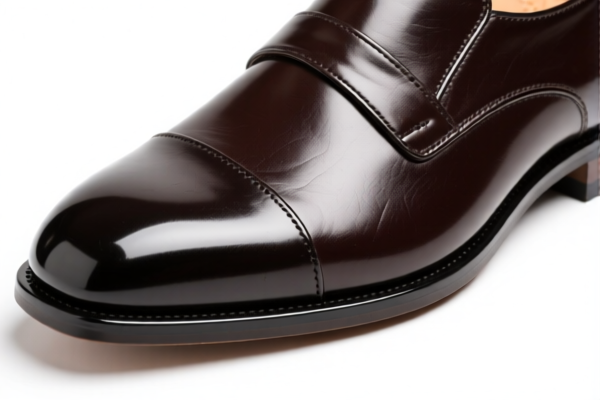
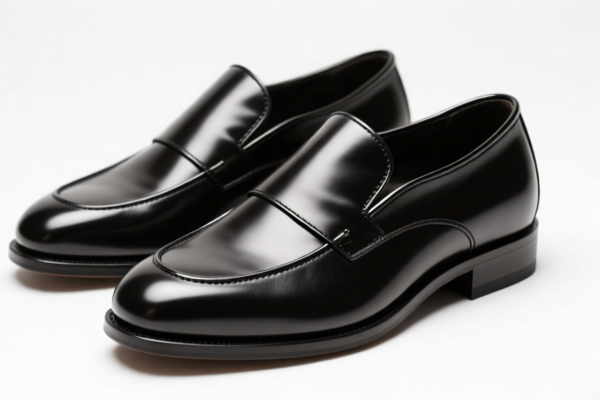
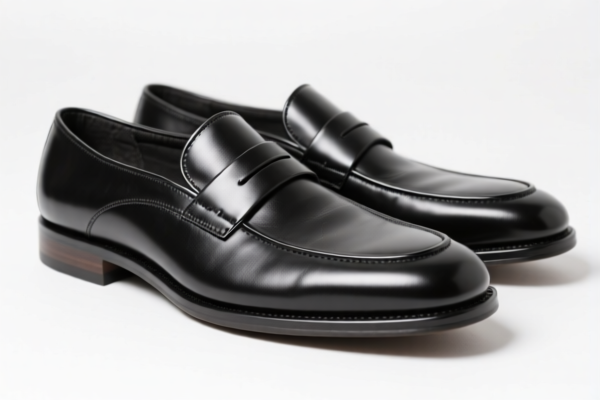
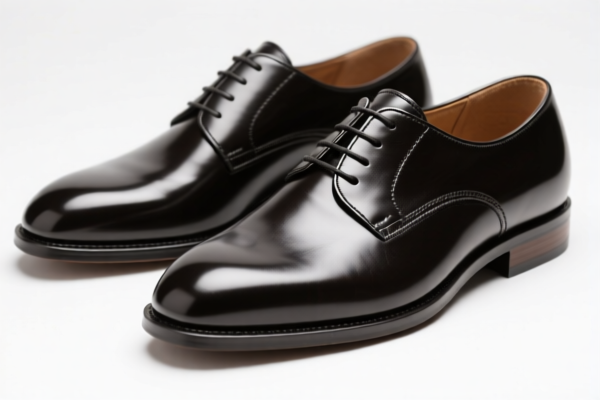
AI Analysis
🧴 Leather Polish (Leather Conditioners & Polishes)
🌐 HS Code Reference & Customs Clearance Guide | 2026 Latest Tariff Analysis | Professional-Level Strategy
📌 1. Product Definition & Classification: Do You Really Know "Leather Polish"?
Leather polish, in international trade, is generally classified as a chemical preparation. Its classification depends heavily on its specific composition, such as whether it acts as an adhesive, a wax-based conditioner, a plasticizer, or a general chemical mixture.
⚠️ Key Distinction Points:
- If the product is primarily a mixture of chemicals without specific adhesive or wax dominance → May fall under 3506.99.00.00.
- If the product is primarily wax-based or a chemical modification of natural/synthetic waxes → May fall under 3404.90.
- If the product is a plasticizer (resin/polymer-based) used to soften leather → May fall under 3911.90 or 3812.20.
📦 2. HS Code Classification Details (2026 Latest Tariff Authority Comparison)
Based on the provided data, the following HS Codes apply to different formulations of "Leather Polish" and related chemical treatments.
| HS Code | Product Description | Applicable Scenario | Material Characteristic |
|---|---|---|---|
3506.99.00.00 |
Prepared adhesives (Other) | Liquid/chemical-based leather polish, acts as a binder/preparation | Primary material: Liquid/Chemical Mixture |
3404.90.51.10 |
Other prepared waxes & similar products (Chemical) | Chemical-modified leather polish, liquid/cream form | Logic: Chemical modification/preparation |
3404.90.10.00 |
Prepared waxes (Wax/Oil-based) | Leather polish containing wax or oil components | Material: Wax/Oil characteristics |
3911.90.10.00 |
Primary form plastics/resins (Other) | Leather plasticizers made from petroleum resins/polymers | Material: Petroleum Resin/Polymer |
3812.20.50.00 |
Rubber/Plastic Plasticizers (Prepared) | Leather plasticizers as chemical additives for softening | Material: Composite Plasticizer |
🔍 Key Reminder:
- "Leather Polish" is not a single fixed HS Code. It depends on the active ingredient.
- Wax-based polishes go to Chapter 34 (Waxes).
- Chemical/Adhesive-based polishes go to Chapter 35 or 38.
- Plasticizers (softeners) go to Chapter 39 or 38.
💰 3. 2026 Latest Tariff Rate Details (Including Additional Taxes & Policy Surcharges)
✅ Applicable Country: United States (US)
✅ Origin: China (CN)
✅ Effective Date: From 2025 onwards (includes subsequent imports)
🎯 1. 3506.99.00.00 —— Prepared Adhesives (Other)
| Item | Content |
|---|---|
| Base Tariff | 2.1% (Ad Valorem) |
| Section 301 Additional Tariff | +25.0% |
| Section 122 Tariff | +10.0% |
| Total Tariff Rate | 37.1% |
| Tax Calculation | CIF Value × 37.1% |
| De Minimis Exemption | ❌ Not Eligible (High tariff threshold) |
| Legal Basis Path | Base 2.1% + Section 301 (25%) + Section 122 (10%) |
📌 Explanation:
- This code treats the leather polish as a prepared adhesive or chemical mixture.
- The 37.1% total rate is very high.
- Section 301 (25%) applies to most Chinese chemical preparations.
- Section 122 (10%) is an additional surcharge for certain imported goods.
🎯 2. 3404.90.51.10 —— Other Prepared Waxes (Chemical Category)
| Item | Content |
|---|---|
| Base Tariff | 0.0% |
| Section 301 Additional Tariff | +25.0% |
| Section 122 Tariff | +10.0% |
| Total Tariff Rate | 35.0% |
| Tax Calculation | CIF Value × 35.0% |
| De Minimis Exemption | ❌ Not Eligible |
| Legal Basis Path | Base 0% + Section 301 (25%) + Section 122 (10%) |
📌 Note:
- Base tariff is 0%, which is favorable, but additional taxes push it to 35%.
- This applies if the product is classified as a chemically prepared wax.
🎯 3. 3404.90.10.00 —— Prepared Waxes (Wax/Oil Based)
| Item | Content |
|---|---|
| Base Tariff | 0.0% |
| Section 301 Additional Tariff | +25.0% |
| Section 122 Tariff | +10.0% |
| Total Tariff Rate | 35.0% |
| Tax Calculation | CIF Value × 35.0% |
| De Minimis Exemption | ❌ Not Eligible |
| Legal Basis Path | Base 0% + Section 301 (25%) + Section 122 (10%) |
📌 Note:
- Similar to the above, but specifically for wax/oil-based preparations.
- Total 35%. Must ensure the product is indeed wax-dominated to avoid misclassification.
🎯 4. 3911.90.10.00 —— Primary Form Plastics/Resins (Other)
| Item | Content |
|---|---|
| Base Tariff | 0.0% |
| Section 301 Additional Tariff | +25.0% |
| Section 122 Tariff | +10.0% |
| Total Tariff Rate | 35.0% |
| Tax Calculation | CIF Value × 35.0% |
| De Minimis Exemption | ❌ Not Eligible |
| Legal Basis Path | Base 0% + Section 301 (25%) + Section 122 (10%) |
📌 Note:
- Applies if the "leather polish" is actually a plasticizer made from petroleum resins.
- Total 35%. Misclassification here can lead to severe penalties if the product is not primarily a resin.
🎯 5. 3812.20.50.00 —— Rubber/Plastic Plasticizers (Prepared)
| Item | Content |
|---|---|
| Base Tariff | 5.0% |
| Section 301 Additional Tariff | +25.0% |
| Section 122 Tariff | +10.0% |
| Total Tariff Rate | 40.0% |
| Tax Calculation | CIF Value × 40.0% |
| De Minimis Exemption | ❌ Not Eligible |
| Legal Basis Path | Base 5% + Section 301 (25%) + Section 122 (10%) |
📌 Note:
- This is the highest total tariff (40%) among the options.
- Applies to composite plasticizers used for rubber or plastics (including leather if classified as such).
- Base 5% makes it more expensive than the 0% base codes.
🛠️ 4. Customs Clearance Practical Advice (Pitfall Avoidance Guide)
✅ 1. Preparation Checklist (All Required)
| Document | Mandatory | Explanation |
|---|---|---|
| ✅ Product Specification Sheet | ✔️ | Must list exact chemical composition, active ingredients, and physical state (liquid/cream). |
| ✅ MSDS (Material Safety Data Sheet) | ✔️ | Crucial for classification as a chemical product. |
| ✅ Ingredient List | ✔️ | Helps determine if it’s wax-based (3404), adhesive (3506), or plasticizer (3911/3812). |
| ✅ Product Photos (Label & Container) | ✔️ | Clear view of usage instructions and warnings. |
| ✅ Commercial Invoice | ✔️ | Must clearly state "Leather Polish" and specify type (e.g., "Wax-based" or "Chemical Adhesive"). |
| ✅ Packing List | ✔️ | Confirm no other mixed items to avoid split classification. |
✅ 2. Declaration Strategy (Key Mantras)
🔥 “Chemical Composition Determines Code, Wax = 3404, Adhesive = 3506, Plasticizer = 3812/3911!”
| Scenario | Correct Declaration | Wrong Action |
|---|---|---|
| Wax/Oil-based Polish | 3404.90.10.00 or 3404.90.51.10 |
Declare as "Adhesive" → 37.1% instead of 35% |
| Chemical Liquid Polish (Non-wax) | 3506.99.00.00 |
Declare as "Wax" → Risk of penalty if no wax detected |
| Leather Softener/Plasticizer | 3911.90.10.00 or 3812.20.50.00 |
Declare as "Polish" → Misclassification risk |
| Mixed Use (Clean + Polish) | Declare separately if possible | Combine in one line item → Ambiguity |
✅ 3. Special Case Handling
| Case | Handling Advice |
|---|---|
| OEM/Private Label | Provide client’s formulation document to prove material type. |
| Multi-purpose Product | If it cleans AND polishes, clarify if polishing agent is the primary function. |
| Sample vs. Commercial | Samples may still be subject to full tariffs if classified as commercial goods. |
| High-Volume Importer | Apply for Advance Ruling from CBP to lock in HS Code. |
🌍 5. Global Market Clearance Comparison (2026 Latest)
| Country/Region | Recommended HS Code | Tariff (China Origin) | Certification | Notes |
|---|---|---|---|---|
| 🇺🇸 USA | 3404.90 / 3506.99 |
35%~40% (with surcharges) | None specific | High tariffs due to Section 301 & 122. |
| 🇨🇳 China | 3404 / 3506 |
~5%~10% | None | No additional surcharges. |
| 🇪🇺 EU | 3404 / 3812 |
0%~6.5% | REACH Registration | REACH compliance is critical for chemicals. |
| 🇬🇧 UK | 3404 / 3506 |
0%~6.5% | UK REACH | Post-Brexit, UK REACH applies. |
| 🇦🇺 Australia | 3404 / 3506 |
5% | GSR (Globally Harmonized System) | Check for dangerous goods classification. |
📌 Conclusion:
- USA imposes the highest burden due to Section 301 (25%) and Section 122 (10%).
- EU/UK require chemical registration (REACH) which is costly and time-consuming.
- Cost Optimization: Consider origin shifting (e.g., Vietnam, Thailand) for US exports to avoid 25% Section 301 tariffs.
📌 6. Common Mistakes & Pitfalls (Blood-Teaching Lessons)
❌ Mistake 1: Declaring "Leather Polish" as general "Cosmetics"
👉 Consequence: Wrong HS Code, potential penalties, and REACH/GSR non-compliance.
❌ Mistake 2: Ignoring Section 122 in US declarations
👉 Consequence: Underpayment of 10% → Back taxes + Interest.
❌ Mistake 3: Not providing MSDS for chemical products
👉 Consequence: Customs holds shipment for chemical verification → Delays.
❌ Mistake 4: Confusing Plasticizers with Polishes
👉 Consequence: 40% tariff (3812.20.50.00) vs. 35% (3404.90) → Unnecessary cost increase.
✅ Correct Action:
"Wax-based Leather Polish, for Shoe Care, Contains Beeswax & Silicones, MSDS Attached, Model XYZ"
🎯 7. Conclusion: Professional Declaration Saves Money!
🎯 Remember the Mantra:
🔹 "Wax = 3404 (35%), Adhesive = 3506 (37.1%), Plasticizer = 3812/3911 (35-40%)."
🔹 "Section 301 is 25%, Section 122 is 10%, Total Tax is Heavy!"
🔹 "MSDS is Key, REACH is Mandatory for EU, US Tariffs are High!"
📌 Tips:
- If your leather polish is repackaged in Vietnam/Malaysia, you may avoid Section 301 tariffs.
- Apply for Pre-Classification with CBP for large shipments.
- Always include MSDS and Ingredient Lists in customs documents.
📣 Take Action Now:
📞 Contact a Professional Broker + Provide MSDS + Request HS Code Advance Ruling
🚀 Ensure Smooth Clearance, Lower Costs, and Faster Turnaround!
✨ Professional Customs Clearance Starts with Accurate Classification!
💼 Every Percentage Point Matters in Your Profit Margin!
Customer Reviews
About HS Code Classification
The Harmonized System (HS) is an internationally standardized nomenclature developed by the World Customs Organization (WCO) to classify traded products. Over 200 countries use the HS system as the basis for customs tariffs, trade statistics, and import/export regulations.
Each HS code follows a hierarchical structure:
- Chapter (2 digits) — Broad category of goods (e.g., Chapter 84: Machinery and Mechanical Appliances)
- Heading (4 digits) — More specific grouping within the chapter
- Subheading (6 digits) — Internationally standardized breakdown, used by all WCO member countries
- National subdivisions (8-10 digits) — Country-specific extensions for further classification, such as US HTSUS 10-digit codes
Correct HS code classification is essential for smooth customs clearance, accurate duty payment, and compliance with trade regulations. Misclassification can lead to customs delays, overpayment of duties, or penalties.
When importing from CN to US, the applicable tariff rates may include:
- Most-Favored-Nation (MFN) rate — The standard duty rate applied to WTO members
- General rate — Applied to countries without trade agreements
- Trade remedy duties — Additional tariffs such as Section 301 (anti-dumping), Section 232 (national security), or countervailing duties
The information provided on this page is for reference purposes only. For official classification, please consult with your local customs authority or a licensed customs broker.