Leather Powder Cases
CN → US| HS Code | Tariff Rate | Origin | Destination | Doc |
|---|---|---|---|---|
| 4205008000 | 35.0% | CN | US | Official Doc |
| 4202919090 | 39.5% | CN | US | Official Doc |
| 4202929315 | 52.6% | CN | US | Official Doc |
| 4205001000 | 35.0% | CN | US | Official Doc |
| 4205008000 | 35.0% | CN | US | Official Doc |
Product Images
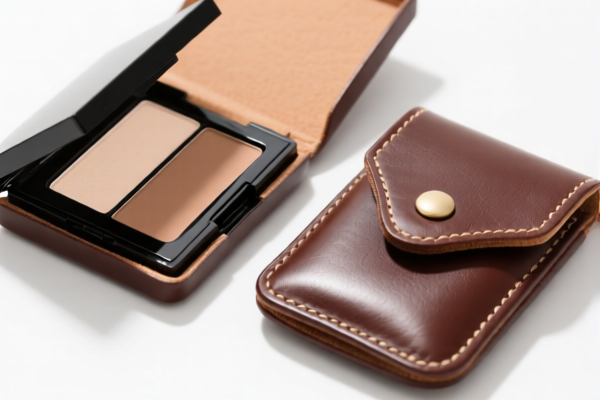
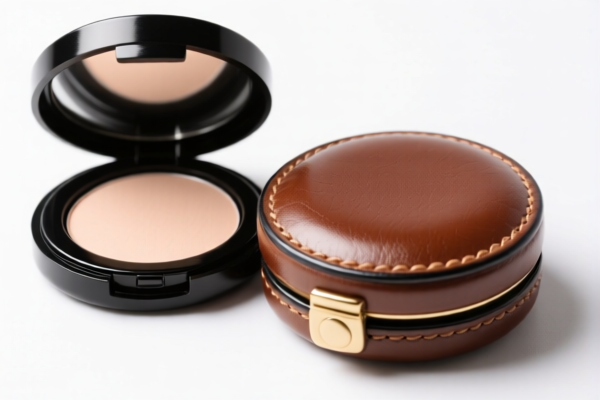
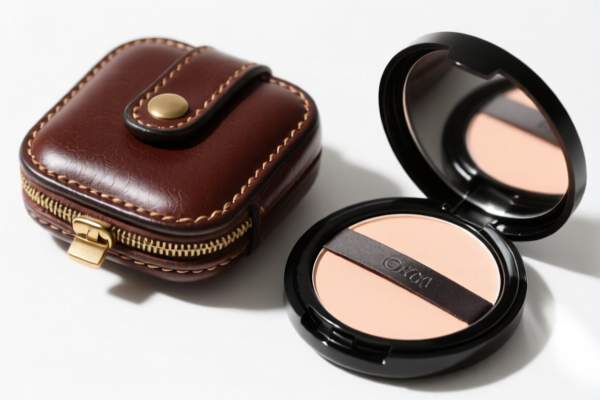
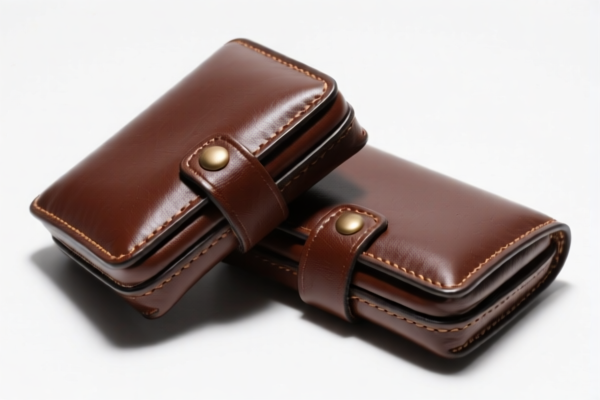
AI Analysis
👜 Leather Powder Cases (Cosmetic Bags & Pouches)
🌐 HS Code Reference & Customs Clearance Guide | 2026 Latest Tariff Analysis | Professional Compliance Strategy
📌 I. Product Definition & Classification: What Exactly is a "Leather Powder Case"?
A "Leather Powder Case" typically refers to a small, portable container made of leather (or leather board) used to store cosmetics, perfumes, powder compacts, and jewelry. In international trade, these items are classified based on their material composition, primary function, and specific use case.
Crucially, the presence of jewelry-specific designs (like velvet-lined dividers) vs. general cosmetic storage triggers different HS Code categories and, consequently, vastly different tax rates.
⚠️ Key Distinction Point:
- If the case is designed primarily for general leather goods (e.g., a simple pouch or box without specialized internal structure) → It may fall under general leather articles (Headings 4205/4202).
- If the case is explicitly designed for jewelry (e.g., lined with velvet/satin, specific compartments for rings/necklaces) → It falls under jewelry boxes (Heading 4202).
- Impact: Jewelry boxes often face higher base duties (17.6% vs 0-4.5%), significantly increasing total tax liability.
📦 II. HS Code Classification Details (2026 Latest Tariff Reference)
| HS Code | Product Description | Application Scenario | Base Duty | Total Tax Rate |
|---|---|---|---|---|
4205.00.80.00 |
Other Leather Articles (General Purpose) | Simple leather cases, generic cosmetic pouches, items not specified elsewhere. | 0.0% | 35.0% |
4202.91.90.90 |
Leather Containers (Other Categories) | Standard leather cosmetic cases with hard/semi-hard shells, not for jewelry. | 4.5% | 39.5% |
4202.92.93.15 |
Leather Containers for Jewelry Boxes | Cases lined with velvet/satin, designed specifically for storing jewelry, perfumes, or delicate powders. | 17.6% | 52.6% |
4205.00.10.00 |
Other Leather Articles (Catch-all) | Generic leather goods, tissue boxes, or items with no specific classification. | 0.0% | 35.0% |
4205.00.80.00 |
Leather Articles (Matches Tissue Box Classification) | Cases structurally similar to tissue boxes or general storage, no specific cosmetic/jewelry function. | 0.0% | 35.0% |
🔍 Critical Note:
-4202.92.93.15(52.6%) is the highest tax bracket. This is triggered if customs determines your "powder case" is effectively a jewelry box. -4205.00.80.00(35.0%) and4205.00.10.00(35.0%) are identical in tax rate but differ in administrative classification. Use4205.00.80.00if it aligns with general leather articles like tissue boxes. -4202.91.90.90(39.5%) is for standard leather containers that don’t fit the "jewelry" definition but are more specific than general leather articles.
💰 III. 2026 Tariff Rate Breakdown (Including Surcharges)
✅ Applicable Country: United States (US)
✅ Origin: China (CN)
✅ Effective Date: Post-November 10, 2025 (Section 301 + IEEPA)
🎯 1. General Leather Articles (4205.00.80.00 & 4205.00.10.00)
- Base Duty: 0.0%
- Section 301 Additional Duty: 25.0%
- IEEPA Section 122 Duty: 10.0%
- Total Tax Rate: 35.0%
- Calculation: CIF Value × 35.0%
- De Minimis Exemption: ❌ Not Eligible (Denied under current rules for Chinese leather goods subject to these sections).
🎯 2. Standard Leather Containers (4202.91.90.90)
- Base Duty: 4.5%
- Section 301 Additional Duty: 25.0%
- IEEPA Section 122 Duty: 10.0%
- Total Tax Rate: 39.5%
- Calculation: CIF Value × 39.5%
- De Minimis Exemption: ❌ Not Eligible.
🎯 3. Jewelry Box Style (4202.92.93.15)
- Base Duty: 17.6%
- Section 301 Additional Duty: 25.0%
- IEEPA Section 122 Duty: 10.0%
- Total Tax Rate: 52.6%
- Calculation: CIF Value × 52.6%
- De Minimis Exemption: ❌ Not Eligible.
📌 Explanation of Surcharges:
- 25% Section 301: Imposed on specific Chinese imports, including leather goods under certain headings.
- 10% IEEPA 122: Additional tariff targeting Chinese-origin goods, effective from late 2025.
- Total Liability: Can range from 35% to 52.6% depending on precise classification. This significantly impacts profit margins.
🛠️ IV. Customs Clearance Practical Advice (Avoid Pitfalls)
✅ 1. Required Documentation Checklist
| Document | Mandatory? | Purpose |
|---|---|---|
| ✅ Product Specifications | ✔️ | Must detail material (100% leather? Leather board?), lining material (velvet? fabric?), and dimensions. |
| ✅ Product Photos (Interior/Exterior) | ✔️ | Crucial: Show interior lining. If lined with velvet/satin, customs may classify as 4202.92.93.15 (Jewelry Box). |
| ✅ Commercial Invoice | ✔️ | Clearly state "Leather Cosmetic Case" or "Leather Pouch," avoid terms like "Jewelry Box" if not intended. |
| ✅ Packing List | ✔️ | Confirm no other goods mixed in that could alter classification. |
| ✅ Material Declaration | ✔️ | Specify if "Leather Board" vs. "Genuine Leather" as this can affect HS Code subheadings. |
✅ 2. Declaration Strategy (Key Tips)
🔥 "Describe Function, Avoid 'Jewelry' Triggers!"
| Scenario | Recommended Description | Risk |
|---|---|---|
| General Cosmetic Pouch | "Leather Cosmetic Pouch, for makeup and powders, no velvet lining" | Low Risk (35%) |
| Hard Cosmetic Case | "Leather Travel Case for Cosmetics, hard shell" | Medium Risk (39.5%) |
| Lined Compartment Case | "Leather Case with fabric dividers" | High Risk: May be seen as jewelry box (52.6%) |
| Explicit Jewelry Case | "Leather Jewelry Box with Velvet Interior" | Highest Risk (52.6%) |
📌 Advice:
- If your product is for powders and makeup, emphasize "Cosmetic" or "Toiletry" in the description.
- If you use velvet lining, be prepared for customs scrutiny. Consider using microfiber or fabric lining instead to avoid the "jewelry" classification if possible.
- Never label a cosmetic case as a "Jewelry Box" in invoices if it’s primarily for makeup, as this guarantees the higher tax rate.
✅ 3. Special Handling Cases
| Situation | Recommendation |
|---|---|
| OEM Custom Cases | Provide design sheets showing intended use. If designed for makeup brushes/powders, cite this. |
| Multi-Function Cases | If it holds both jewelry AND makeup, declare as Cosmetic Case (lower tax) but be ready to justify if asked. |
| Leather Board vs. Genuine Leather | "Leather Board" may sometimes fall under 4205 (general articles) more easily than genuine leather containers. Check specific material composition. |
🌍 V. Global Market Comparison (2026)
| Country/Region | Recommended HS Code | Est. Tariff (CN Origin) | Notes |
|---|---|---|---|
| 🇺🇸 USA | 4205.00.80.00 |
35.0% - 52.6% | High Section 301 + IEEPA surcharges. Avoid "Jewelry" classification. |
| 🇨🇳 China | 4202.91.00.00 |
~5% - 10% | Lower base duties, no Section 301/IEEPA. |
| 🇪🇺 EU | 4202.92.99 |
~4.0% | No additional surcharges, but strict rules of origin. |
| 🇬🇧 UK | 4202.92.99 |
~4.0% | Post-Brexit tariffs align closely with EU. |
📌 Conclusion:
- The US market is the most expensive for Chinese leather cosmetic cases due to the 35-52% total duty burden.
- Classification accuracy is paramount: A 17.6% difference in base duty (0% vs 17.6%) translates to a 17.6% increase in total cost after surcharges.
📌 VI. Common Mistakes & Pitfalls
❌ Mistake 1: Calling a cosmetic case a "Jewelry Box" in the invoice
👉 Result: Customs applies 4202.92.93.15 → 52.6% tax instead of 35%.
👉 Fix: Use "Cosmetic Case," "Makeup Pouch," or "Leather Travel Case."
❌ Mistake 2: Ignoring the lining material
👉 Result: Velvet lining triggers jewelry classification.
👉 Fix: Use non-velvet lining or declare "fabric-lined" explicitly.
❌ Mistake 3: Assuming all leather goods are 4205
👉 Result: Some hard-shell cases are classified under 4202 (containers), which has a 4.5% base duty (39.5% total).
👉 Fix: Verify if the item is a "container" (has a specific opening/closure mechanism for storage) vs. a "general article."
✅ Best Practice:
"Leather Cosmetic Case, for powder and makeup, soft fabric lining, no velvet, Model XYZ"
🎯 VII. Conclusion: Professional Declaration, Cost Optimization
🎯 Key Takeaway:
🔹 "Function First, Material Second!"
🔹 "Avoid 'Jewelry' if it’s for Makeup!"
🔹 "35% is the target, 52.6% is the trap!"
📌 Actionable Advice:
1. Review Product Design: If possible, avoid velvet/satin linings to prevent jewelry classification.
2. Precise Description: Use "Cosmetic Case" or "Leather Pouch" in all documents.
3. Pre-Ruling: For high-volume shipments, consider applying for an Advance Ruling from US Customs to confirm HS Code 4205.00.80.00 or 4202.91.90.90.
4. Cost Calculation: Factor in 35-40% total duty costs for US imports. Adjust pricing accordingly.
📣 Immediate Action:
📞 Consult Customs Brokers: Provide product images and descriptions for pre-classification.
🚀 Optimize Supply Chain: If possible, consider sourcing from non-China origins for US market to avoid Section 301/IEEPA surcharges (though tariffs may vary).
✨ Precision in Classification Saves Thousands!
💼 Every Percentage Point Matters in Leather Goods Trade!
Customer Reviews
About HS Code Classification
The Harmonized System (HS) is an internationally standardized nomenclature developed by the World Customs Organization (WCO) to classify traded products. Over 200 countries use the HS system as the basis for customs tariffs, trade statistics, and import/export regulations.
Each HS code follows a hierarchical structure:
- Chapter (2 digits) — Broad category of goods (e.g., Chapter 84: Machinery and Mechanical Appliances)
- Heading (4 digits) — More specific grouping within the chapter
- Subheading (6 digits) — Internationally standardized breakdown, used by all WCO member countries
- National subdivisions (8-10 digits) — Country-specific extensions for further classification, such as US HTSUS 10-digit codes
Correct HS code classification is essential for smooth customs clearance, accurate duty payment, and compliance with trade regulations. Misclassification can lead to customs delays, overpayment of duties, or penalties.
When importing from CN to US, the applicable tariff rates may include:
- Most-Favored-Nation (MFN) rate — The standard duty rate applied to WTO members
- General rate — Applied to countries without trade agreements
- Trade remedy duties — Additional tariffs such as Section 301 (anti-dumping), Section 232 (national security), or countervailing duties
The information provided on this page is for reference purposes only. For official classification, please consult with your local customs authority or a licensed customs broker.