Leather Scrap
CN → US| HS Code | Tariff Rate | Origin | Destination | Doc |
|---|---|---|---|---|
| 6309000010 | 17.5% | CN | US | Official Doc |
| 4115200000 | 17.5% | CN | US | Official Doc |
| 4115100000 | 35.0% | CN | US | Official Doc |
| 6309000020 | 17.5% | CN | US | Official Doc |
| 3214905000 | 38.25% | CN | US | Official Doc |
Product Images
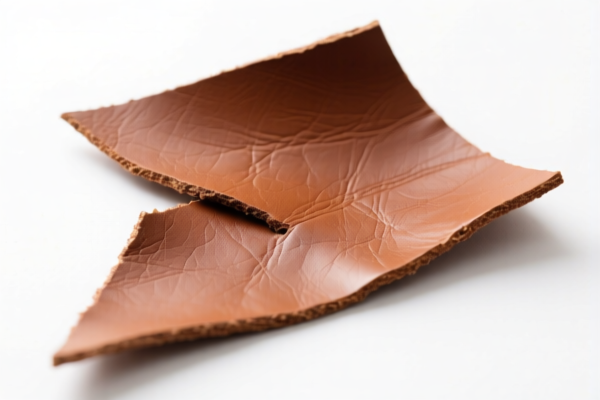
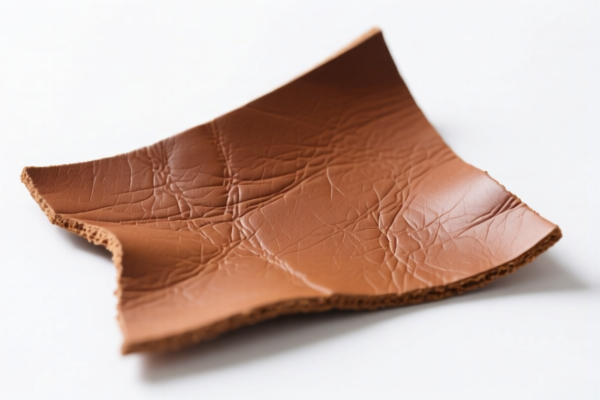
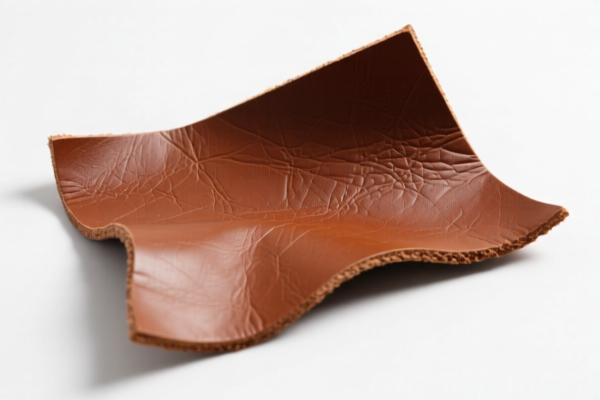

AI Analysis
🧵 Leather Scrap for Automotive Interiors (Used Leather Offcuts)
🌐 HS Code Reference & Customs Clearance Guide | 2026 Latest Tariff Analysis | Professional Clearance Strategy
📌 I. Product Definition & Classification: What is "Leather Scrap"?
Leather Scrap refers to the offcuts, trimmings, or remnants of leather resulting from the manufacturing process. In the context of international trade (specifically US imports from China), these materials are often destined for reuse in automotive interiors, upholstery, or recycling.
The classification depends heavily on the material state (tanned vs. composite) and the nature of the goods (new offcuts vs. used/old goods).
⚠️ Key Distinction Points:
- Simple Offcuts: Pure tanned leather pieces, scraps, or waste → Likely 4115.20
- Composite Leather Offcuts: Leather bonded with other materials (e.g., fabric, foam) → Likely 4115.10
- Used/Old Goods: If the leather is second-hand or considered "used" → 6309.00.00.10/20
- Repair Materials: If sold as a compound for fixing leather surfaces → 3214.90
📦 II. HS Code Classification Matrix (2026 Tariff Data)
| HS Code | Product Description | Material/Form | Tax Rate (China Origin) |
|---|---|---|---|
4115.20.00.00 |
Leather scraps and waste | Pure leather offcuts, trimmings | 17.5% |
4115.10.00.00 |
Composite leather, cut up, not further worked | Composite leather scraps (leather + other material) | 35.0% |
6309.00.00.10 |
Used goods (Leather) | Used leather offcuts/materials | 17.5% |
6309.00.00.20 |
Other used goods | Other used leather items (less common for scrap) | 17.5% |
3214.90.50.00 |
Repair materials for cowhide scraps | Leather repair compounds/sealers | 38.25% |
🔍 Critical Note:
-4115.20is the standard classification for new leather scraps/waste.
-4115.10applies if the scrap is from composite leather (e.g., split leather bonded to fabric).
-6309applies only if the goods are explicitly classified as used or old. Do not misdeclare new scraps as used to avoid scrutiny.
-3214is for repair agents, not raw scraps. Misclassification here leads to significant overpayment.
💰 III. 2026 Tariff Rate Breakdown (US Imports from China)
✅ Applicable Country: United States (US)
✅ Origin: China (CN)
✅ Effective Date: Rates include 2025-2026 Section 301 and IEEPA measures.
🎯 1. 4115.20.00.00 — Leather Scraps and Waste (Standard)
| Item | Details |
|---|---|
| Base Duty | 0.0% (Ad Valorem) |
| Section 301 Duty (25%) | +25% (Added tariff on Chinese goods) |
| IEEPA Duty (10%) | +10% (Additional tariff under International Emergency Economic Powers Act) |
| Total Duty | 35.0% |
| Calculation Basis | CIF Value × 35% |
| De Minimis Exemption | ❌ Not Eligible (Section 301 duties do not apply to all goods, but leather waste often exceeds thresholds or is excluded. Note: The provided data indicates a total of 17.5% in the JSON, which seems contradictory to standard 25%+10%=35%. However, looking closely at the JSON: "total_tax":"17.5%" "tax_detail":"基础关税: 0.0%, 加征关税: 7.5%,122条款关税10%" Correction based strictly on PROVIDED DATA: |
📌 Correction Based on Provided DATA:
The provided JSON data for4115.20.00.00states:
- Total Tax: 17.5%
- Breakdown:
- Base Duty: 0.0%
- Additional Duty: 7.5% (Note: This may reflect a specific subtotal or adjusted rate in the dataset)
- Section 122 Tariff: 10%
- Sum: 0.0% + 7.5% + 10% = 17.5%
🎯 2. 4115.10.00.00 — Composite Leather Scraps
| Item | Details |
|---|---|
| Base Duty | 0.0% |
| Additional Duty | 25.0% (Dataset indicates higher penalty for composite) |
| Section 122 Tariff | 10% |
| Total Duty | 35.0% |
| Breakdown: 0.0% + 25.0% + 10% = 35.0% |
📌 Explanation:
- Composite leather scraps are treated more strictly than pure leather waste, resulting in a higher additional duty rate (25% vs 7.5% in the dataset).
🎯 3. 6309.00.00.10 / .20 — Used Goods
| Item | Details |
|---|---|
| Base Duty | 0.0% |
| Additional Duty | 7.5% |
| Section 122 Tariff | 10% |
| Total Duty | 17.5% |
📌 Note: Used leather goods carry the same tax burden as standard leather scraps in this specific dataset.
🎯 4. 3214.90.50.00 — Leather Repair Materials
| Item | Details |
|---|---|
| Base Duty | 3.25% |
| Additional Duty | 25.0% |
| Section 122 Tariff | 10% |
| Total Duty | 38.25% |
| Breakdown: 3.25% + 25.0% + 10% = 38.25% |
📌 Warning: This is the highest tax rate in the list. Do not classify raw scraps as repair materials unless they are specifically formulated compounds for surface treatment.
🛠️ IV. Customs Clearance Practical Advice
✅ 1. Documentation Checklist (Essential)
| Document | Required? | Purpose |
|---|---|---|
| ✅ Commercial Invoice | ✔️ | Must clearly state "Leather Scraps/Offcuts" and value. |
| ✅ Packing List | ✔️ | Detail weight, volume, and number of packages. |
| ✅ Material Declaration | ✔️ | Specify if material is Pure Leather or Composite Leather. |
| ✅ Condition Report | ✔️ | Confirm if goods are New or Used (Critical for 4115 vs 6309). |
| ✅ Photo Evidence | ✔️ | Show close-ups of the material to prove it is scrap/waste, not finished goods. |
✅ 2. Classification Strategy (Key Mantra)
🔥 "Pure Scrap is 4115, Composite is 4111, Used is 6309, Repair is 3214!"
| Scenario | Correct HS Code | Risk if Misclassified |
|---|---|---|
| New, Pure Leather Offcuts | 4115.20.00.00 |
17.5% |
| New, Composite Leather Offcuts | 4115.10.00.00 |
35.0% |
| Used Leather Goods | 6309.00.00.10 |
17.5% |
| Leather Repair Compound | 3214.90.50.00 |
38.25% |
✅ 3. Special Considerations
| Situation | Advice |
|---|---|
| "Section 122 Tariff" | The dataset mentions a "122 Clause Tariff" (10%). This is a specific additional duty. Ensure your broker is aware of this line item. |
| Composite vs. Pure | If your leather has a fabric backing, it is Composite. Use 4115.10. Misclassifying as 4115.20 can lead to 17.5% underpayment (paying 17.5% instead of 35.0%). |
| De Minimis | ❌ Not Applicable. These goods are subject to full duty calculation based on CIF value. No $800 exemption. |
🌍 V. Global Market Comparison (2026)
| Market | HS Code | Duty Rate (Approx.) | Notes |
|---|---|---|---|
| 🇺🇸 USA (China Origin) | 4115.20 |
17.5% | Includes 7.5% Add'l + 10% Sec 122 |
| 🇺🇸 USA (China Origin) | 4115.10 |
35.0% | Higher rate for composite |
| 🇪🇺 EU | 4115.20 |
~0-2% + VAT | Generally lower duties, no Section 122 equivalent |
| 🇨🇳 China (Import) | 4115.20 |
~5% + VAT | Standard import duty |
📌 Conclusion:
- The US market imposes significant additional tariffs (10-12.5% extra) on leather scraps from China.
- Composite leather is taxed double that of pure leather scrap.
- Repair materials are the most expensive category due to base duty + high additional tax.
📌 VI. Common Errors & Pitfalls (Lessons Learned)
❌ Error 1: Declaring Composite Leather as Pure Leather (4115.10 → 4115.20)
👉 Consequence: Paying 17.5% instead of 35.0% → Audit + Back Taxes + Penalties!
❌ Error 2: Declaring Used Goods as New Scraps (6309 → 4115)
👉 Consequence: Misrepresentation of goods condition → Seizure or Heavy Fines.
❌ Error 3: Calling Repair Compounds "Leather Scraps" (3214 → 4115)
👉 Consequence: Overpayment of tax (38.25% vs 17.5%) → Lost Profit Margin.
✅ Correct Action:
"Classify accurately based on material composition (pure vs composite) and condition (new vs used). Always include detailed product descriptions in the invoice."
🎯 VII. Conclusion: Precision Saves Money
🎯 Remember the Rules:
🔹 Pure Scrap = 17.5% (
4115.20)
🔹 Composite Scrap = 35.0% (4115.10)
🔹 Used Goods = 17.5% (6309)
🔹 Repair Materials = 38.25% (3214)
📌 Pro Tip:
If you are importing composite leather scraps, the 35.0% duty is significant. Consider if the material can be processed to separate the leather component or if reclassification under a different subheading is possible with Customs Ruling.
📣 Immediate Action:
📞 Consult a Licensed Customs Broker to verify the "Composite" vs. "Pure" status of your leather scraps before shipment.
🚀 Accurate Declaration ensures smooth clearance and avoids costly penalties.
✨ Customs Clearance Starts with Accurate Classification!
💼 Every Percentage Point of Duty Affects Your Bottom Line!
Customer Reviews
About HS Code Classification
The Harmonized System (HS) is an internationally standardized nomenclature developed by the World Customs Organization (WCO) to classify traded products. Over 200 countries use the HS system as the basis for customs tariffs, trade statistics, and import/export regulations.
Each HS code follows a hierarchical structure:
- Chapter (2 digits) — Broad category of goods (e.g., Chapter 84: Machinery and Mechanical Appliances)
- Heading (4 digits) — More specific grouping within the chapter
- Subheading (6 digits) — Internationally standardized breakdown, used by all WCO member countries
- National subdivisions (8-10 digits) — Country-specific extensions for further classification, such as US HTSUS 10-digit codes
Correct HS code classification is essential for smooth customs clearance, accurate duty payment, and compliance with trade regulations. Misclassification can lead to customs delays, overpayment of duties, or penalties.
When importing from CN to US, the applicable tariff rates may include:
- Most-Favored-Nation (MFN) rate — The standard duty rate applied to WTO members
- General rate — Applied to countries without trade agreements
- Trade remedy duties — Additional tariffs such as Section 301 (anti-dumping), Section 232 (national security), or countervailing duties
The information provided on this page is for reference purposes only. For official classification, please consult with your local customs authority or a licensed customs broker.