Leather Sheets
CN → US| HS Code | Tariff Rate | Origin | Destination | Doc |
|---|---|---|---|---|
| 4205001000 | 35.0% | CN | US | Official Doc |
| 4203406000 | 35.0% | CN | US | Official Doc |
| 4202219000 | 44.0% | CN | US | Official Doc |
| 4202110090 | 43.0% | CN | US | Official Doc |
| 4203104095 | 41.0% | CN | US | Official Doc |
Product Images
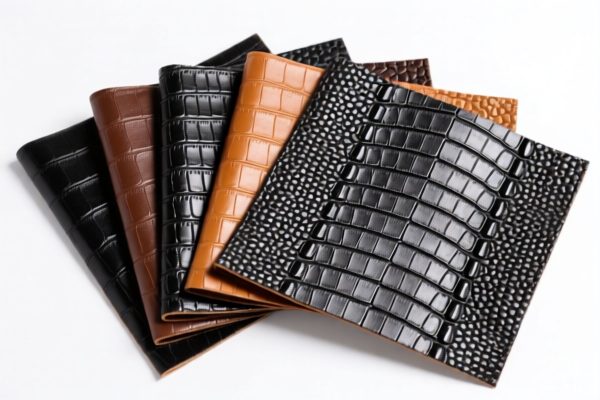
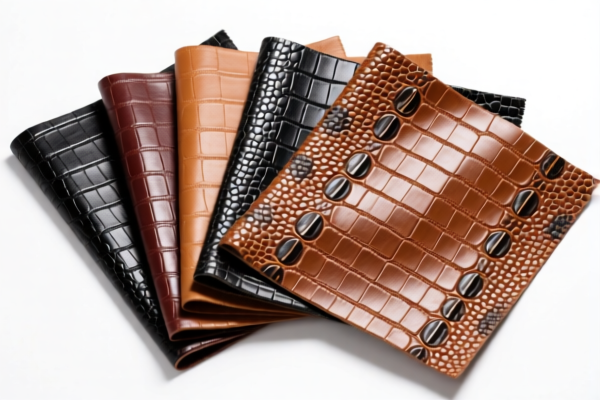
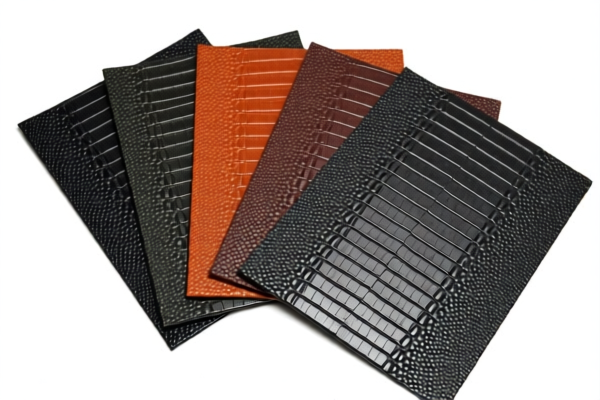
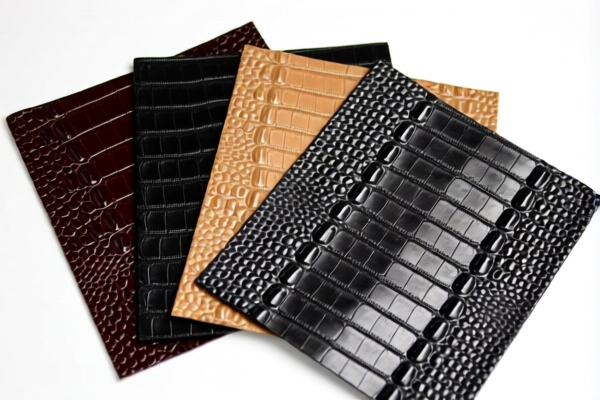
AI Analysis
🐾 Leather Sheets – Comprehensive HS Code & Tariff Guide (2026 Update)
🌐 HS Code Classification & Customs Clearance Strategy | 2026 Tariff Deep Dive | Expert-Level Compliance
📌 One Product, Five Possible HS Codes – Know Which One Applies to Your Shipment!
✅ Target Market: United States (US)
✅ Origin: China (CN)
✅ Effective Date: November 10, 2025 (and ongoing)
✅ Key Risk: Misclassification → 45%+ total tariff or detention, fines, or rejection
📦 1. HS Code Breakdown: What’s the Right Code for "Leather Sheets"?
"Leather Sheets" is a broad term that can refer to various leather-based products — from raw hides to finished accessories. The correct HS Code depends entirely on material, form, and intended use.
Below are the five possible HS Codes from your data, with exact matching logic:
| HS Code | Product Description | Key Determining Factors | Risk of Misclassification |
|---|---|---|---|
4205.00.10.00 |
Leather goods, material: leather, general category (catch-all) | Used when no specific category fits; non-specific leather items | ⚠️ High – often misused for anything leather |
4203.40.60.00 |
Leather goods, material: leather, used as fashion accessories | Belts, wallets, handbags, pouches, etc. | ⚠️ Medium – if not clearly an accessory, wrong code |
4202.21.90.00 |
Leather goods, material: leather, case-type products (e.g., luggage, briefcases) | Suitcases, travel bags, laptop cases, etc. | ⚠️ High – often confused with general "leather sheets" |
4202.11.00.90 |
Leather goods, material: leather, other unspecified | For non-boxed, non-accessory, non-case leather items | ⚠️ High – catch-all, but must be last resort |
4203.10.40.95 |
Leather garments, material: leather, used as clothing | Jackets, vests, coats, pants made from leather | ⚠️ Critical – if it's wearable, must be this code |
🔍 Key Insight:
- "Leather Sheets" ≠ a single HS Code.
- If the product is cut into shapes for clothing, it’s 4203.10.40.95.
- If it’s used in bags or cases, it’s 4202.21.90.00.
- If it’s just raw or semi-finished leather, it may be 4205.00.10.00.
💰 2. 2026 Tariff Breakdown: The 3-Tier Tax Structure Explained
All five HS Codes are subject to three layers of tariffs — you cannot ignore any.
✅ Total Tax = 35.0% or 44.0% or 43.0%
✅ All include: 0–9% Base + 25% USITC + 10% IEEPA
Let’s break down each code’s tax structure with legal references:
🎯 1. 4205.00.10.00 – General Leather Goods (Catch-All)
| Tax Component | Rate | Legal Basis | Notes |
|---|---|---|---|
| Base Tariff | 0.0% | US HTSUS 4205.00.10.00 | Standard rate |
| USITC 301 Tariff | +25.0% | USITC Footnote 9903.88.01 | Applies to China-origin goods under Section 301 |
| IEEPA 122 Clause Tariff | +10.0% | IEEPA: 9903.01.24 | Applies to China/HK-origin goods under International Emergency Economic Powers Act |
| Total Tax | 35.0% | — | Highest risk: misused for non-catch-all items |
📌 When to Use This Code:
Only if the product does not fit any other specific category (e.g., no clear use as clothing, case, or accessory).
❌ Do NOT use for garments, bags, or accessories — you’ll face penalties.
🎯 2. 4203.40.60.00 – Leather Accessories (Belts, Wallets, Pouches, etc.)
| Tax Component | Rate | Legal Basis | Notes |
|---|---|---|---|
| Base Tariff | 0.0% | HTSUS 4203.40.60.00 | Standard |
| USITC 301 Tariff | +25.0% | Footnote 9903.88.01 | Applies to China-origin |
| IEEPA 122 Clause Tariff | +10.0% | IEEPA: 9903.01.24 | Applies to China/HK |
| Total Tax | 35.0% | — | Same as 4205.00.10.00 |
📌 When to Use This Code:
- For leather belts, wallets, keychains, coin purses, phone cases.
- Must be worn or carried, not used as clothing or luggage.
- ❌ If it's a leather jacket, do NOT use this code.
🎯 3. 4202.21.90.00 – Leather Cases & Luggage (Suitcases, Briefcases, etc.)
| Tax Component | Rate | Legal Basis | Notes |
|---|---|---|---|
| Base Tariff | 9.0% | HTSUS 4202.21.90.00 | Higher base rate |
| USITC 301 Tariff | +25.0% | Footnote 9903.88.01 | Applies to China-origin |
| IEEPA 122 Clause Tariff | +10.0% | IEEPA: 9903.01.24 | Applies to China/HK |
| Total Tax | 44.0% | — | Highest tariff in list |
📌 When to Use This Code:
- For luggage, travel bags, briefcases, backpacks, laptop cases.
- Must be box-shaped, rigid, or structured.
- ❌ If it’s a leather jacket or belt, wrong code → penalties.
🎯 4. 4202.11.00.90 – Other Leather Goods (General Non-Case Items)
| Tax Component | Rate | Legal Basis | Notes |
|---|---|---|---|
| Base Tariff | 8.0% | HTSUS 4202.11.00.90 | High base rate |
| USITC 301 Tariff | +25.0% | Footnote 9903.88.01 | Applies to China-origin |
| IEEPA 122 Clause Tariff | +10.0% | IEEPA: 9903.01.24 | Applies to China/HK |
| Total Tax | 43.0% | — | Very high |
📌 When to Use This Code:
- For leather items that are not cases, not accessories, not clothing.
- Example: leather-covered books, decorative panels, non-wearable leather panels.
- ❌ Do NOT use for clothing or bags.
🎯 5. 4203.10.40.95 – Leather Clothing (Jackets, Vests, Coats, Pants)
| Tax Component | Rate | Legal Basis | Notes |
|---|---|---|---|
| Base Tariff | 6.0% | HTSUS 4203.10.40.95 | Lower base rate |
| USITC 301 Tariff | +25.0% | Footnote 9903.88.01 | Applies to China-origin |
| IEEPA 122 Clause Tariff | +10.0% | IEEPA: 9903.01.24 | Applies to China/HK |
| Total Tax | 41.0% | — | Lower than cases, but still high |
📌 When to Use This Code:
- For any wearable leather garment.
- Even if it’s not fully finished, if it’s cut for clothing, use this code.
- ❌ If you use4205.00.10.00for a leather jacket → misclassification → 35% vs 41% → you’ll pay more.
🛠️ 3. Customs Clearance Best Practices (Pro Tips)
✅ 1. Essential Documents (Must-Have)
| Document | Why It Matters |
|---|---|
| ✅ Product Photos (Front, Back, Detail, Label) | Prove use (e.g., is it a jacket or a bag?) |
| ✅ Technical Specifications / Cut Sheets | Show dimensions, material thickness, intended use |
| ✅ Commercial Invoice | Must clearly state "Leather Jacket", "Luggage Case", or "Leather Wallet" — not just "Leather Sheets" |
| ✅ Certificate of Origin (CO) | Required for tariff eligibility; China-origin = 25% + 10% extra |
| ✅ Packing List | Show how items are packed (e.g., individual garments vs. bulk sheets) |
| ✅ Third-Party Test Reports | RoHS, REACH, or flammability tests (if applicable) |
✅ 2.申报技巧(Key Rules)
🔥 "Use the Right Code, or Pay the Price!"
| Scenario | Correct HS Code | Wrong Code | Risk |
|---|---|---|---|
| Leather jacket (cut for wear) | 4203.10.40.95 |
4205.00.10.00 |
+6% tariff + penalties |
| Leather briefcase | 4202.21.90.00 |
4205.00.10.00 |
+9% base + 25% + 10% = 44% vs 35% → +9% extra |
| Leather belt | 4203.40.60.00 |
4205.00.10.00 |
+35% total tax |
| Decorative leather panel | 4202.11.00.90 |
4205.00.10.00 |
+43% vs 35% → +8% extra |
✅ 3. Special Cases & Exceptions
| Situation | Solution |
|---|---|
| Leather sheets used in manufacturing | Still classified by final use — if used in jackets, use 4203.10.40.95 |
| Mixed shipment (e.g., 50% jackets, 50% belts) | Split by HS Code — cannot declare as "leather sheets" |
| Custom-made leather goods | Provide design drawings + order specs to justify code |
| Leather from non-China origin (e.g., Vietnam, Mexico) | May qualify for IEEPA exemption — 0% extra → total tax drops to 35% or less |
🌍 4. Global Market Comparison (2026)
| Country | Recommended HS Code | Base Tariff | Extra Taxes | Total Tariff | Notes |
|---|---|---|---|---|---|
| 🇺🇸 USA | Varies by use | 0–9% | +25% (USITC) +10% (IEEPA) | 35%–44% | China-origin = 44% max |
| 🇨🇳 China | 4203.10.40.95 | 13% | None | 13% | No extra tariffs |
| 🇪🇺 EU | 4203.10.40.95 | 0% | None | 0% | CE certification required |
| 🇦🇺 Australia | 4203.10.40.95 | 5% | None | 5% | RCM certification |
| 🇯🇵 Japan | 4203.10.40.95 | 0% | None | 0% | PSE certification |
📌 Insight:
- USA is the most punitive market for Chinese leather goods.
- Vietnam/Mexico origin = lower risk — consider shifting production.
📌 5. Common Mistakes & How to Avoid Them
❌ Mistake 1: Calling everything "Leather Sheets" in invoice
👉 Result: Customs treats it as 4205.00.10.00 → 35% tax
👉 Fix: Use specific product names — "Leather Jacket", "Leather Briefcase"
❌ Mistake 2: Using 4205.00.10.00 for a leather bag
👉 Result: +9% base tariff + 25% + 10% = 44% instead of 35% → +9% extra cost
❌ Mistake 3: Not providing photos or specs
👉 Result: Customs holds shipment, demands clarification → delay + cost
❌ Mistake 4: Mixing products in one shipment
👉 Result: All items taxed at highest rate → massive overpayment
✅ Fix: Declare by HS Code — split shipment if needed.
🎯 6. Final Verdict: How to Win at Leather Goods Export
🔥 "One Product, Five Codes — Choose the Right One, or Pay the Price!"
🎯 Golden Rules: - ✅ If it’s wearable → 4203.10.40.95 - ✅ If it’s a bag → 4202.21.90.00 - ✅ If it’s an accessory → 4203.40.60.00 - ✅ If it’s non-specific → 4205.00.10.00 (last resort) - ✅ If it’s decorative → 4202.11.00.90
📌 Pro Tip:
Use "Leather Sheets" only in internal documents — never in commercial invoices or customs declarations.
📣 Call to Action: Protect Your Profit Margin!
📞 Contact a licensed customs broker + provide:
- Product photos
- Use case description
- Material specs
- Origin proof🚀 Request an Advance Ruling (Pre-Approval) — avoid surprises at port!
✨ Your Export Success Starts with the Right HS Code!
💼 Don’t let a wrong code cost you 44% in tariffs!
🛡️ Classify Right, Pay Less, Ship Faster, Win Big!
Customer Reviews
About HS Code Classification
The Harmonized System (HS) is an internationally standardized nomenclature developed by the World Customs Organization (WCO) to classify traded products. Over 200 countries use the HS system as the basis for customs tariffs, trade statistics, and import/export regulations.
Each HS code follows a hierarchical structure:
- Chapter (2 digits) — Broad category of goods (e.g., Chapter 84: Machinery and Mechanical Appliances)
- Heading (4 digits) — More specific grouping within the chapter
- Subheading (6 digits) — Internationally standardized breakdown, used by all WCO member countries
- National subdivisions (8-10 digits) — Country-specific extensions for further classification, such as US HTSUS 10-digit codes
Correct HS code classification is essential for smooth customs clearance, accurate duty payment, and compliance with trade regulations. Misclassification can lead to customs delays, overpayment of duties, or penalties.
When importing from CN to US, the applicable tariff rates may include:
- Most-Favored-Nation (MFN) rate — The standard duty rate applied to WTO members
- General rate — Applied to countries without trade agreements
- Trade remedy duties — Additional tariffs such as Section 301 (anti-dumping), Section 232 (national security), or countervailing duties
The information provided on this page is for reference purposes only. For official classification, please consult with your local customs authority or a licensed customs broker.