Leather Shock Absorber Pad
CN → US| HS Code | Tariff Rate | Origin | Destination | Doc |
|---|---|---|---|---|
| 4205000500 | 37.9% | CN | US | Official Doc |
| 4205001000 | 35.0% | CN | US | Official Doc |
| 4016993000 | 35.0% | CN | US | Official Doc |
| 3926305000 | 22.8% | CN | US | Official Doc |
| 4016995500 | 37.5% | CN | US | Official Doc |
Product Images
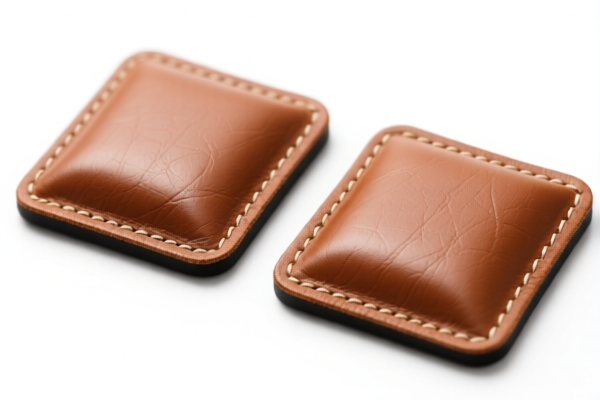
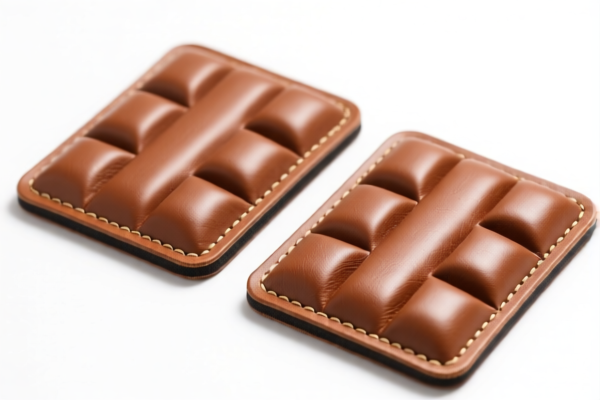
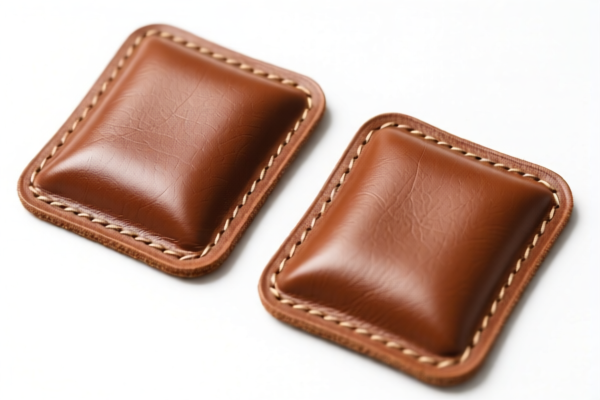
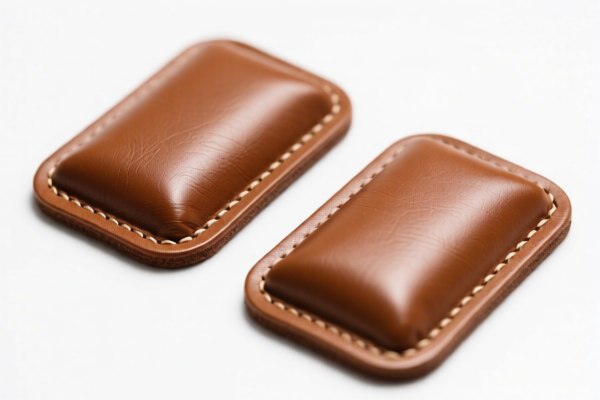
AI Analysis
🚗 Leather Shock Absorber Pads: The Ultimate Classification & Customs Clearance Guide
🌐 HS Code Reference & Customs Guide | 2026 Latest Tariff Analysis | Professional Clearance Strategy
📌 I. Product Definition & Classification: Do You Really Understand "Leather Shock Absorber Pads"?
Leather Shock Absorber Pads are critical components used in machinery, automotive, or industrial applications to absorb vibrations, reduce noise, and protect structural integrity. In international trade, they are not simply "leather goods" but technical accessories made from specific materials.
Key Distinction:
- Pure Leather Pads: Classified under Chapter 42 (Articles of leather); used for machinery/technical purposes.
- Rubber/Synthetic Pads: Classified under Chapter 40 (Rubber articles) or Chapter 39 (Plastics).
⚠️ Critical Classification Point:
- If the pad is exclusively made of leather →归类 Chapter 42
- If the pad is made of rubber, plastic, or mixed materials →归类 Chapter 40 or 39
- Do not assume all "shock absorber pads" are the same! Material composition dictates HS Code.
📦 II. HS Code Classification Details (2026 Latest Tariff Authority Cross-Reference)
| HS Code | Product Description | Material | Application Scenario | Total Tax Rate (US) |
|---|---|---|---|---|
4205.00.05.00 |
Leather Cushioning Pads | Leather | Machinery/Technical Use | 37.9% |
4205.00.10.00 |
Leather Cushioning Pads | Leather | Machinery/Technical Use | 35.0% |
4016.99.30.00 |
Door Shock Absorber Pads | Rubber/Vulcanized Rubber | Vehicle Shock Absorption | 35.0% |
3926.30.50.00 |
Door Shock Absorber Pads | Plastic or Rubber | Body Connection/Cushioning | 22.8% |
4016.99.55.00 |
Door Shock Absorber Pads | Vulcanized Rubber | Vehicle Shock Control | 37.5% |
🔍 Key Reminder:
- Leather pads fall under 4205, with tax rates ranging from 35.0% to 37.9% depending on specific sub-category.
- Rubber/Plastic pads fall under 4016 or 3926, with significant tax differences (22.8% – 37.5%).
- Misclassification can lead to massive tax discrepancies!
💰 III. 2026 Latest Tariff Rate Details (Including Surcharge Policies)
✅ Applicable Country: United States (US)
✅ Origin: China (CN)
✅ Effective Time: 2025 onwards (including subsequent imports)
🎯 1. 4205.00.05.00 — Leather Cushioning Pads (Machinery Use)
| Item | Content |
|---|---|
| Base Tariff | 2.9% (ad valorem) |
| Section 301 Surcharge | +25.0% (from USITC Footnote) |
| Section 122 Tariff | +10.0% (Specific China Tariff) |
| Total Tax Rate | 37.9% |
| Tax Calculation | CIF Value × 37.9% |
| De Minimis Exemption | ❌ Not Eligible (deny_de_minimis) |
| Legal Basis Path | Base: 2.9% → 301: 25.0% → 122: 10.0% |
📌 Explanation:
- "Section 301 Surcharge 25%" is from the Section 301 Tariff against Chinese goods;
- "Section 122 Tariff 10%" is a specific additional tariff on certain Chinese products;
- Total 37.9% is a high tariff, requiring advance planning!
🎯 2. 4205.00.10.00 — Leather Cushioning Pads (Technical Accessories)
| Item | Content |
|---|---|
| Base Tariff | 0.0% |
| Section 301 Surcharge | +25.0% |
| Section 122 Tariff | +10.0% |
| Total Tax Rate | 35.0% |
| Tax Calculation | CIF × 35.0% |
| De Minimis Exemption | ❌ Not Eligible |
| Legal Basis Path | Base: 0.0% → 301: 25.0% → 122: 10.0% |
📌 Note:
- Lower base tariff (0%) compared to4205.00.05.00;
- Still subject to 35% total tariff due to surcharges;
- Both leather categories are highly taxed.
🎯 3. 4016.99.30.00 — Door Shock Absorber Pads (Rubber)
| Item | Content |
|---|---|
| Base Tariff | 0.0% |
| Section 301 Surcharge | +25.0% |
| Section 122 Tariff | +10.0% |
| Total Tax Rate | 35.0% |
| Tax Calculation | CIF × 35.0% |
| De Minimis Exemption | ❌ Not Eligible |
| Legal Basis Path | Base: 0.0% → 301: 25.0% → 122: 10.0% |
📌 Note:
- Rubber-based vehicle parts face 35% total tariff;
- Common in automotive supply chains.
🎯 4. 3926.30.50.00 — Door Shock Absorber Pads (Plastic/Rubber Mix)
| Item | Content |
|---|---|
| Base Tariff | 5.3% |
| Section 301 Surcharge | +7.5% |
| Section 122 Tariff | +10.0% |
| Total Tax Rate | 22.8% |
| Tax Calculation | CIF × 22.8% |
| De Minimis Exemption | ❌ Not Eligible |
| Legal Basis Path | Base: 5.3% → 301: 7.5% → 122: 10.0% |
📌 Note:
- Lowest tariff option among listed codes;
- If the product is made of plastic or plastic-rubber composite, this is the most cost-effective classification;
- Ensure material composition matches plastic-dominated description.
🎯 5. 4016.99.55.00 — Door Shock Absorber Pads (Vulcanized Rubber)
| Item | Content |
|---|---|
| Base Tariff | 2.5% |
| Section 301 Surcharge | +25.0% |
| Section 122 Tariff | +10.0% |
| Total Tax Rate | 37.5% |
| Tax Calculation | CIF × 37.5% |
| De Minimis Exemption | ❌ Not Eligible |
| Legal Basis Path | Base: 2.5% → 301: 25.0% → 122: 10.0% |
📌 Note:
- Highest rubber-based tariff (37.5%);
- Strictly for vulcanized rubber products;
- Avoid if possible due to high cost.
🛠️ IV. Customs Clearance Practical Advice (Real-World Pitfall Guide)
✅ 1. Preparation Checklist (All Required)
| Document | Mandatory | Description |
|---|---|---|
| ✅ Product Specification Sheet | ✔️ | Material composition, dimensions, hardness, application |
| ✅ Material Certificate | ✔️ | Proof of leather, rubber, or plastic content |
| ✅ Product Photos (Clear) | ✔️ | Show texture, cross-section, and labeling |
| ✅ Commercial Invoice | ✔️ | Clearly state "Leather/Rubber Shock Absorber Pad" |
| ✅ Packing List | ✔️ | Detail quantity, weight, and packaging |
| ✅ Origin Certificate (CO) | ✔️ | If non-China origin, may apply for preferential rates |
✅ 2. Declaration Tips (Key Mantra)
🔥 "Material First, HS Code Next, Description Precise, Tariff Saved!"
| Scenario | Correct Declaration | Wrong Approach |
|---|---|---|
| Pure Leather Pad | 4205.00.05.00 or 4205.00.10.00 |
Misdeclare as rubber → 35% vs 37.9% (minor diff, but compliance issue) |
| Rubber Pad (Vehicle) | 4016.99.30.00 or 4016.99.55.00 |
Declare as plastic → 22.8% vs 35% → Audit Risk! |
| Plastic/Rubber Mix | 3926.30.50.00 |
Declare as pure rubber → 22.8% vs 35% → Overpay! |
| OEM Custom Pad | Provide customer spec + material proof | Vague description → Customs delay |
✅ 3. Special Case Handling
| Scenario | Recommendation |
|---|---|
| Mixed Material Pad | Provide material breakdown %; if plastic >50%, consider 3926.30.50.00 |
| Leather + Rubber Composite | Consult customs broker; likely 4205 if leather is dominant |
| Vehicles vs Machinery | "Door shock absorber" implies automotive → 4016/3926; "Machine pad" → 4205 |
| Pre-Ruling Request | Apply for ISF Advance Ruling to confirm HS Code before shipment |
🌍 V. Global Market Clearance Comparison (2026 Latest)
| Country/Region | Recommended HS Code | Tariff | Certification | Remarks |
|---|---|---|---|---|
| 🇺🇸 US | 3926.30.50.00 (if plastic) |
22.8% | None specific | Lowest among options |
| 🇨🇳 China | 4205.00.05.00 |
5%+ | None | No surcharge |
| 🇪🇺 EU | 4205.00.05.00 |
5% | CE (if applicable) | No Section 301/122 |
| 🇯🇵 Japan | 4205.00.05.00 |
5-8% | PSE (if electrical) | No surcharge |
| 🇬🇧 UK | 4205.00.05.00 |
5-8% | UKCA | Post-Brexit rules |
📌 Conclusion:
- US is the most challenging market due to Section 301 & 122 tariffs;
- Plastic-based pads (3926.30.50.00) offer the lowest US tariff (22.8%);
- Consider supply chain diversification if targeting US heavily.
📌 VI. Common Errors & Pitfall Guide (Lessons Learned)
❌ Error 1: Declaring "Rubber Pad" when it's actually Plastic-Rubber Mix
👉 Consequence: Tax jumps from 22.8% to 35% → Extra Cost!
❌ Error 2: Declaring "Leather Pad" without material proof
👉 Consequence: Customs audit → Delay + Potential Penalty!
❌ Error 3: Using vague terms like "Cushioning Pad" without material specification
👉 Consequence: Customs assigns highest default rate → Unnecessary Expense!
❌ Error 4: Ignoring Section 122 Tariff
👉 Consequence: Unexpected 10% surcharge on top of 301 tariff → Budget Overrun!
✅ Correct Approach:
"Leather Shock Absorber Pad, 100% Genuine Leather, for Industrial Machinery, Model XYZ, Material Cert Attached"
OR
"Plastic-Rubber Composite Shock Absorber Pad, for Vehicle Door, Model ABC, Plastic Content >50%"
🎯 VII. Conclusion: Professional Declaration, Save Time & Money!
🎯 Remember Mantra:
🔹 "Material Determines HS, HS Determines Tax, Precision Saves Cash!"
🔹 "Leather = 35-38%, Rubber = 35-37.5%, Plastic = 22.8%!"
📌 Pro Tip:
- If your product can be classified as plastic-based (
3926.30.50.00), do so to save ~12-15% in tariffs;- Always provide material certificates and cross-section photos;
- Apply for Advance Rulings with US CBP for high-value shipments.
📣 Take Action Now:
📞 Contact a licensed customs broker + Provide product specs + Request HS Code pre-ruling
🚀 Ensure smooth customs clearance, minimize costs, and maximize profit margins!
✨ Professional Clearance Starts with Accurate Classification!
💼 Every percentage point of tariff matters!
Customer Reviews
About HS Code Classification
The Harmonized System (HS) is an internationally standardized nomenclature developed by the World Customs Organization (WCO) to classify traded products. Over 200 countries use the HS system as the basis for customs tariffs, trade statistics, and import/export regulations.
Each HS code follows a hierarchical structure:
- Chapter (2 digits) — Broad category of goods (e.g., Chapter 84: Machinery and Mechanical Appliances)
- Heading (4 digits) — More specific grouping within the chapter
- Subheading (6 digits) — Internationally standardized breakdown, used by all WCO member countries
- National subdivisions (8-10 digits) — Country-specific extensions for further classification, such as US HTSUS 10-digit codes
Correct HS code classification is essential for smooth customs clearance, accurate duty payment, and compliance with trade regulations. Misclassification can lead to customs delays, overpayment of duties, or penalties.
When importing from CN to US, the applicable tariff rates may include:
- Most-Favored-Nation (MFN) rate — The standard duty rate applied to WTO members
- General rate — Applied to countries without trade agreements
- Trade remedy duties — Additional tariffs such as Section 301 (anti-dumping), Section 232 (national security), or countervailing duties
The information provided on this page is for reference purposes only. For official classification, please consult with your local customs authority or a licensed customs broker.